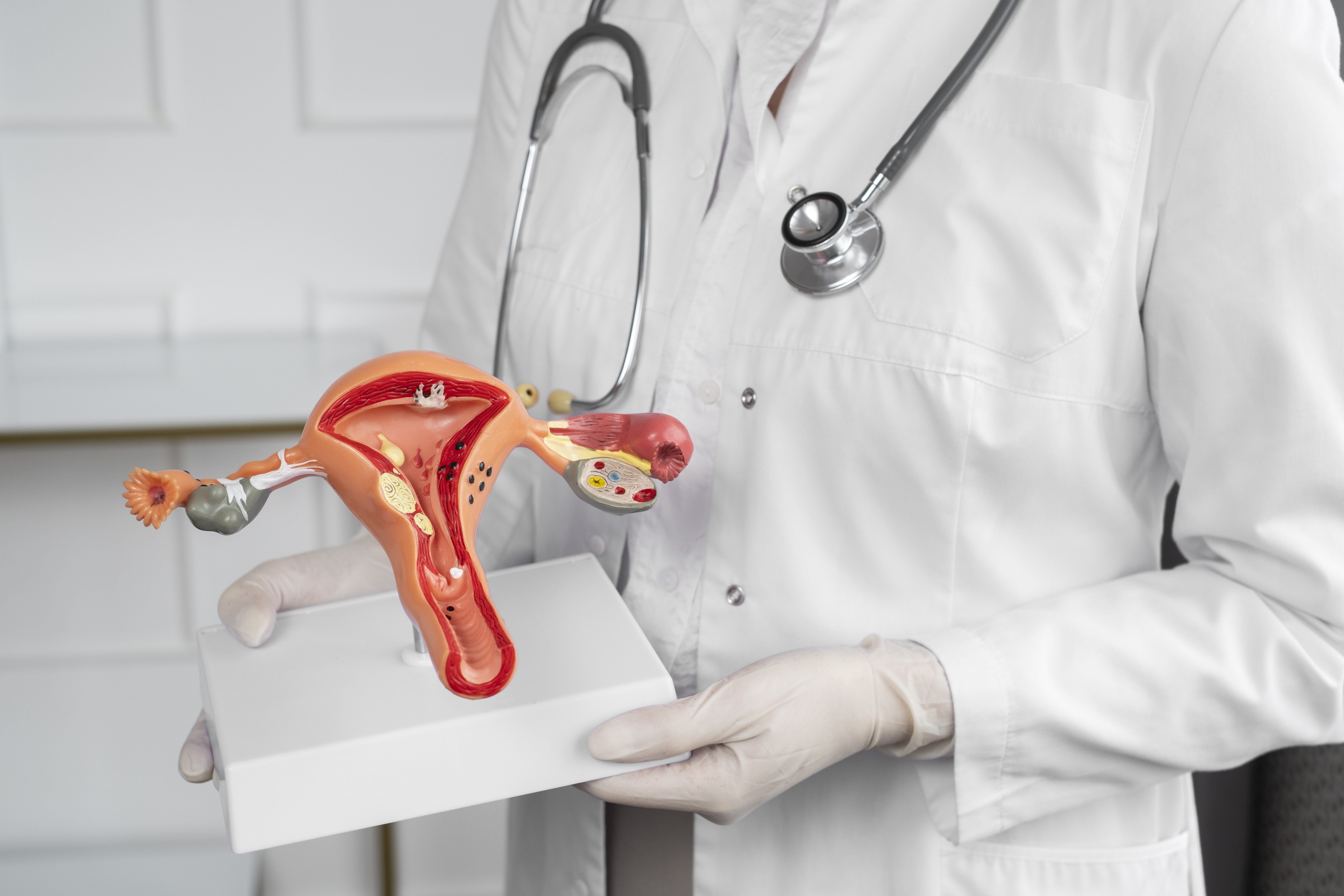
- Understanding what the 10 types of pregnancy are can enable women to find out the progression of pregnancy, identify potential pregnancy complications and identify when you need medical attention.
- Most women have a normal pregnancy; however, there are different types of pregnancy based on where the fertilised egg (zygote) develops, the number of babies, the health of the mother, and the position of the baby before birth.
- Certain types of pregnancies, such as a singleton pregnancy and a multiple pregnancy, are simply variations of normal.
- Others, like an ectopic pregnancy or a molar pregnancy, involve medical conditions that may need to be evaluated or treated immediately.
- You will learn about 10 various types of pregnancy below and their danger elements, as well as how prenatal treatment keeps mommy and baby healthy.
What Are the 10 Types of Pregnancy?
The following table summarises 10 pregnancy types and their key characteristics.
| Types of pregnancy | Key characteristics |
|---|---|
| 1. Normal intrauterine pregnancy | The embryo implants and develops inside the uterus. |
| 2. Ectopic pregnancy | The fertilised egg implants outside the main uterine cavity. |
| 3. Multiple pregnancy | Two or more babies develop during one pregnancy. |
| 4. Molar pregnancy | Abnormal placental tissue develops after fertilisation. |
| 5. Chemical pregnancy | Pregnancy loss occurs very early, often before ultrasound confirmation. |
| 6. High-risk pregnancy | Medical or pregnancy-related risk factors increase the likelihood of complications. |
| 7. Lupus pregnancy | Pregnancy occurs in a woman with the autoimmune disease lupus. |
| 8. Breech pregnancy | The baby is positioned bottom-first or feet-first near delivery. |
| 9. Abdominal pregnancy | A rare ectopic pregnancy in which implantation occurs in the abdominal cavity. |
| 10. Pregnancy following fertility treatments | Pregnancy occurs after treatments such as IVF or IUI. |
These pregnancy types can overlap. For example, a pregnancy following fertility treatments may also be a multiple pregnancy or a high-risk pregnancy.
1. Normal Intrauterine Pregnancy
What is an intrauterine pregnancy? An intrauterine pregnancy is when a fertilised egg attaches itself to the wall of the uterus. This is where all pregnancies normally take place, providing a place for the growing embryo to develop until it becomes a fetus.
In a typical pregnancy, these hormones help to maintain the lining of the uterus, and the placenta begins to form to supply oxygen and nutrients to the baby.
General signs of early pregnancy:
- Late or Missed Periods.
- Morning sickness, which may include nausea or vomiting.
- Enlarged breasts and breast tenderness.
- Fatigue and other hormonal imbalances.
Prenatal care visits, taking folic acid, good nutrition, and proper screening will go a long way in having a healthy pregnancy. But, there can be pregnancy complications even in an intrauterine pregnancy, because of this requiring antenatal surveillance.
2. Ectopic Pregnancy
Ectopic pregnancy an ectopic pregnancy is when the egg embeds outside the womb (uterus). Most ectopic pregnancies are in the fallopian tubes (a tubal pregnancy).
The tube is not large enough to hold a pregnancy as it gets bigger. If the pregnancy continues, the tube might burst and cause life-threatening bleeding inside the body.
Symptoms and risk factors include:
- Pelvic pain, mainly one-sided.
- Bleeding in early pregnancy.
- Shoulder-tip pain, dizziness, or fainting.
- History of an ectopic pregnancy or damage to the fallopian tube.
A number of women have no known risk factors. Pregnancy can also be detected earlier using ultrasound scans and blood tests to measure levels of the hormone human chorionic gonadotropin (hCG).
Ectopic pregnancy is a condition that needs medical assessment and treatment. Loss of consciousness, persistent and severe abdominal pain, or significant bleeding should be assessed and treated in the hospital since bleeding inside the abdomen may be life-threatening.
3. Multiple Pregnancy
A multiple pregnancy happens when two or more babies grow during a single pregnancy. Twins are the most frequent type of multiple pregnancy, but triplets and pregnancies with more babies can also happen.
A multiple pregnancy can result when more than one egg is fertilised, or when one fertilised egg splits into two or more embryos.
Types of multiple pregnancy include:
- Same twins: occur when one fertilised egg splits into two embryos.
- Non-identical twins: the result of two eggs being fertilised separately.
- Triplets: Three babies develop during one pregnancy.
Can fertility treatments cause multiple pregnancies? Yes, fertility treatments may increase the risk of having a multiple pregnancy, mainly if more than one embryo is transferred during IVF. Single-embryo transfer greatly reduces the risk of twins from IVF.
Twin pregnancy puts you at risk of early delivery, growth restriction, high blood pressure, and gestational diabetes. Ultrasounds will be used to make sure the growth and development of each baby is on track.
4. Molar Pregnancy
What is a molar pregnancy? A molar pregnancy is an uncommon type of pregnancy that occurs when abnormal placental tissue grows after abnormal fertilisation.
The 2 types of molar pregnancy are:
- Complete molar pregnancy: Abnormal placental tissue, but no normal fetus.
- Partial molar pregnancy: Abnormal placental tissue forms together with some tissue from the developing embryo, but the pregnancy cannot progress normally.
- Potential signs and symptoms of pregnancy may include bleeding vaginally, extreme nausea and vomiting, or an unusually large uterus for the age of the pregnancy. The first few weeks of pregnancy may cause minimal symptoms in some women.
Diagnosis may be made with ultrasound and blood tests for human chorionic gonadotropin (hCG). The abnormal tissue is usually removed with surgery, and blood tests are used afterwards to check the levels of hCG. Close follow-up is important as some cases of gestational trophoblastic disease can recur.
5. Chemical Pregnancy
A chemical pregnancy is a pregnancy loss that happens very early after implantation and can occur before an ultrasound can establish pregnancy.
A woman may test positive initially because hCG is there and then she may test negative, hCG levels may fall, and vaginal bleeding may occur approximately the time she would have a normal period.
Possible signs include:
- Early pregnancy symptoms that disappear.
- Slight abdominal pain.
- Your bleeding looks like the bleeding you get during your periods.
- A negative pregnancy test after a positive result.
Chemical pregnancy is often linked to developmental or chromosomal abnormalities. It is generally not the result of anything the woman did, and experiencing a single early pregnancy loss does not automatically mean there is a fertility issue.
See a doctor if you experience heavy bleeding, severe pain or dizziness, which can be symptoms of an ectopic pregnancy.
6. High-Risk Pregnancy
The term high-risk pregnancy refers to any pregnancy in which the mother, the fetus or both are more likely to experience problems or complications.
Common risk factors include:
- Age of the mother and some health problems that occur with age.
- Elevated blood pressure or gestational diabetes.
- Multiple pregnancy.
- Any history of a previous pregnancy complication, eg pre-term labour.
- Some heart, kidney, or autoimmune diseases.
A pregnancy can be labeled high risk due to pre-existing health conditions or conditions that are diagnosed during the pregnancy.
Having a high-risk pregnancy does not mean you will definitely have a poor outcome. With customised antenatal care, taking the right medicines, and frequent check-ups, positive outcomes for the mother and child can be achieved.
7. Lupus Pregnancy
Pregnancy in a woman who has a condition called lupus is called lupus pregnancy. SLE causes the body’s immune system to attack the joints, blood vessels, and other organs, like the kidneys.
While women with lupus may have successful pregnancies, the condition often means issues like:
- Increased blood pressure and pre-eclampsia.
- Preterm birth and low birth weight.
- Lupus flare.
- Loss of pregnancy under certain circumstances.
If you have lupus, wait until it is under control before becoming pregnant. Talk with your healthcare provider beforehand about your medications to make sure they are safe to take in pregnancy.
Monitor maternal health, baby development, and potential complications from an early pregnancy through to delivery.
8. Breech Pregnancy
A breech pregnancy occurs when the baby is positioned bottom-first or feet-first instead of head-down. The baby’s position is particularly important during the third trimester, when preparations for delivery begin.
Many babies change position naturally before birth, so breech presentation earlier in pregnancy is not usually a reason for concern.
If the baby remains breech near delivery, options may include:
- External cephalic version: A trained healthcare professional attempts to turn the baby into a head-down position.
- Planned caesarean birth: May be recommended based on the baby’s position and individual risk factors.
- Vaginal breech birth: May be considered in carefully selected circumstances with an appropriately experienced medical team.
The safest delivery plan depends on maternal health, fetal development, and the clinical circumstances.
9. Abdominal Pregnancy
An abdominal pregnancy is a rare type of ectopic pregnancy in which the fertilised egg implants within the abdominal cavity rather than inside the uterus or fallopian tube.
This pregnancy type can be dangerous because abdominal organs cannot safely support pregnancy in the same way as the uterus. Complications may include severe abdominal pain, internal bleeding, and serious risks to maternal health.
Early detection through ultrasound, blood tests, and specialist assessment is essential. Treatment depends on the pregnancy’s location, development, and the woman’s condition. Suspected abdominal pregnancy requires urgent specialist medical care.
10. Pregnancy Following Fertility Treatments
Pregnancy following fertility treatments occurs after assisted reproductive techniques such as in vitro fertilisation (IVF) or intrauterine insemination (IUI).
During IVF, eggs are fertilised with sperm in a laboratory, and an embryo is transferred into the uterus. If the embryo implants, pregnancy may develop similarly to a naturally conceived pregnancy.
Important considerations include:
- Confirming that the embryo implants inside the uterus.
- Monitoring the developing fetus through appropriate ultrasound examinations.
- Assessing the risk of multiple pregnancy.
- Reviewing maternal age, existing health problems, and previous pregnancy complications.
Pregnancy after fertility treatment is not automatically a high-risk pregnancy. The required prenatal care depends on the woman’s health, the treatment used, and the progress of the pregnancy.
How Can Women Support a Healthy Pregnancy?
Although not all pregnancy complications can be prevented, women can take steps to support maternal and child health.
- Attend regular prenatal appointments.
- Take folic acid as recommended by a healthcare provider.
- Maintain a balanced diet and follow appropriate physical activity guidance.
- Manage existing health problems, including high blood pressure and autoimmune disease.
- Seek medical advice about vaginal bleeding, pelvic pain, or unusual symptoms.
- Follow recommended screening and ultrasound schedules.
Early detection and appropriate medical treatment can help manage many pregnancy-related health problems.
Conclusion
Understanding what the 10 types of pregnancy are helps women recognise the different ways pregnancy can develop and the circumstances that may require specialised care. Normal intrauterine pregnancy, multiple pregnancy, breech pregnancy, and pregnancy following fertility treatments describe different pregnancy circumstances, while ectopic pregnancy, molar pregnancy, and certain high-risk conditions require particular medical attention.
Every pregnancy is different. Regular prenatal care, awareness of warning signs, and timely consultation with a qualified healthcare provider can support women’s health and help promote positive outcomes for both the mother and baby.