Endometrial Biopsy: Zemya IVF
Basically, it is to identify some uncommon bleeding, abnormal tissues, pre-cancerous or cancer cells.
Abortion or diagnosing radiation- or hormone-induced bleeding or bleeding after menopause.
If the test is the one with a pathology lab, in most cases, you will know the result in about 7-10 days.
Endometrial biopsy may be difficult, but it is quite a short procedure, which in fact, gets to the bottom of what is happening inside your uterus walls.
This guide will inform you the reasons of the test, how to prepare, what you will go through, if the test can get complicated, and how to make sense of it.
What Is an Endometrial Biopsy?
An endometrial biopsy is a very brief procedure during which a tiny piece of tissue is taken from the lining of the uterus, also called the endometrium.
Such a sample is then given to a pathologist, whose task is to examine it under a microscope, looking for the presence of abnormal cells, changes towards a precancerous state, hyperplasia, or cancer of the endometrium.
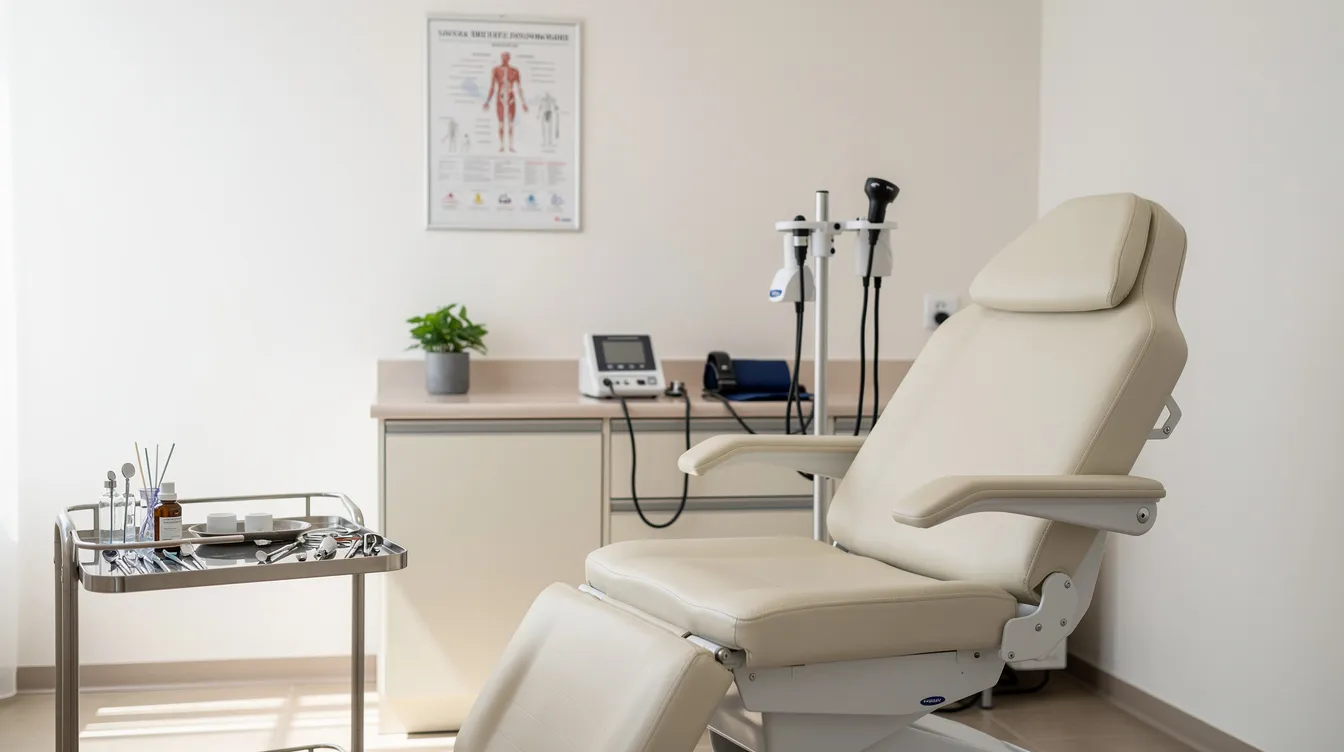
This test is typically done by the doctor in the clinic or doctor’s office with no need for general anesthesia. Usually, an endometrial biopsy takes less than 20 minutes, while a small piece of tissue from the endometrium is secured for further assessment. Mostly, the procedure itself lasts from 5 to 15 minutes.
Most people go home the same day. Mild cramping and spotting or light bleeding are to be expected. Individuals can usually get back to their regular activities very soon after.
When Might a Biopsy of the Endometrial Tissue Be Necessary?
The primary purpose of an endometrial biopsy is to look into abnormal bleeding from the uterus or to examine the uterine lining in individuals who have factors that put them at risk of endometrial disease.
Typical cases that lead to an endometrial biopsy being done include abnormal uterine bleeding, bleeding after menopause, checking for endometrial cancer, hormone therapy monitoring, and assessing infertility in reproductive medicine.
Health professionals usually advise performing an endometrial biopsy when evaluating certain clinical findings or abnormal test outcomes such as irregular bleeding, menopausal bleeding, suspicious imaging results, eligibility for high-risk screening, and evaluation of the effectiveness of treatment.
Some common indications include:
Excessive or prolonged menstrual bleeding
Inter-menstrual bleeding
Menstrual disorders or irregular cycles
Vaginal bleeding occurring after twelve months without menstruation
Thickened endometrium revealed through transvaginal ultrasound scanning
Uterine polyps or fibroids in the uterine cavity causing suspicious symptoms
Recurring abnormal pap smear findings due to the presence of lesions in the uterus
The indications for endometrial biopsy include irregular bleeding from the uterus, investigation for endometrial neoplasm or pre-cancer hyperplasia, and monitoring in cases of prior diagnosis of endometrial hyperplasia and even cancer.
Endometrial Conditions and Abnormal Uterine Bleeding
In different age groups, abnormalities of the uterine bleeding have quite different meanings. For premenopausal women, the term abnormal uterine bleeding may refer to heavy or excessively bleeding episodes, bleeding between periods, or totally unpredictable menstrual cycles. On the other hand, any postmenopausal bleeding should be closely investigated if the woman is beyond menopause.
An endometrial biopsy is a useful method in the differential diagnosis of:
- Endometrial hyperplasia, with or without atypia
- Endometrial adenoma and uterine polyps
- Long-standing endometritis or some other uterine infections
Biopsy becomes particularly essential in case of abnormal uterine bleeding after reaching 45 years of age, or before that age, if other risks such as obesity, PCOS, unopposed estrogen therapy, Lynch syndrome, or strong family history of endometrial carcinoma exist.
What makes the test valuable is its ability to discriminate between benign and premalignant or malignant lesions. Guidance on the procedure has been provided by The American College of Obstetricians and Gynecologists, acog practice bulletin no resources, as well as The American Cancer Society, for patients seeking information on endometrial carcinoma.
Risks Relating to Biopsy and Hormones
Women who are on hormone therapy, especially if it is with estrogen or tamoxifen, might need an endometrial biopsy. This is to keep an eye on the changes taking place in the uterine lining and to catch any precancerous conditions early.
If estrogen therapy is used for a long time without sufficient progesterone, it can lead to the proliferation of the endometrium. Tamoxifen, which is a drug that selectively binds to estrogen receptors and is used in breast cancer treatment, may cause an increase in the risk of endometrial cancer by several times compared to those who do not use it. Any new or unusual abnormal bleeding in tamoxifen users should be looked into without delay.
The results from a biopsy can be a piece of the puzzle that helps in deciding whether hormone therapy should be continued, altered or stopped.
Who Is Suitable and Unsuitable for an Endometrial Biopsy?
Suitable patients would be individuals with unknown causes of uterine bleeding, abnormal ultrasound results, need for high-risk screening, or postoperative surveillance after endometrial hyperplasia or endometrial cancer.
However, there are also instances when the procedure is delayed or not done.
Pregnant patients must not undergo an endometrial biopsy since the procedure poses risks while a patient is pregnant. Female patients who can become pregnant should have a negative pregnancy test before the endometrial biopsy.
Some other very serious reasons that would make it impossible to perform this operation again are:
- Severe pelvic inflammatory disease
- Active hysterical infection of the cervix or vagina
- Known case of cancer of the cervix
- Absence of valid consent
Relative contraindications necessitate decision-making on a case-by-case basis. Such situations may be: the patient having a bleeding disorder that is significant, the use of anticoagulants or blood thinners, extreme narrowing of the cervix, or utmost medical instability. After an endometrial biopsy, there is a minimal chance of experiencing significantly heavier bleeding, especially if the person has bleeding disorders or is on blood thinners.
Preparing for an Endometrial Biopsy Procedure
Not much preparation is needed for an endometrial biopsy. You must disclose information about what medicines or supplements you take to your doctor or health care professional. This includes any allergies you have.
Disclose your pregnancy status. The pregnancy test is generally performed before the procedure if you belong to the reproductive age group.
Monitor your menstrual cycle. Depending on the type of endometrial biopsy, timing can vary. While some procedures may require waiting for your menstruation to cease, some may require testing the ovulatory period.
First, take a thorough inventory of all your medications, including warfarin, apixaban, aspirin, clopidogrel, NSAIDs, or even herbal supplements that might increase bleeding. It is definitely not a good idea to stop blood-thinning medications without consulting your doctor first.
Quite frequently, patients are told to take a nonsteroidal anti-inflammatory drug, or NSAID, like ibuprofen 30 to 60 minutes before the biopsy to help alleviate pain linked to cramping. A lot of healthcare professionals suggest taking an over-the-counter pain reliever unless you have conditions such as kidney disease, ulcers, allergy, or bleeding concerns.
It may be necessary for you to refrain from using tampons, douching, vaginal creams, and having sexual intercourse before the biopsy. You are generally allowed to have a regular diet unless sedation is one of the procedures.
Make sure you have someone to drive you home if you are going to get anxiety medication, sedation, or a more potent pain reliever.
Discussing with your doctor
Make sure to disclose any surgical history when you see the doctor, especially cesarean sections, other surgeries of the uterus, cervix or operations during pelvic exam, any perforation of the uterus that happened before.
You should definitely tell your doctor if you are allergic to latex iodine medicines or antiseptics.
Tell the doctor if you would feel a pelvic examination painful, if you have been hurt physically before or if you are stressed about the idea. They will most probably give a more time on the appointment, local anesthesia, a drug that softens the cervix, or other methods to make you comfortable.
Some questions that might be good to ask:
- Could you tell me the reason for this biopsy?
- Are there other options?
- How will the results be communicated?
- If the symptoms persist or the sample is small, what will happen?
Endometrial Biopsy: What Is It Like?
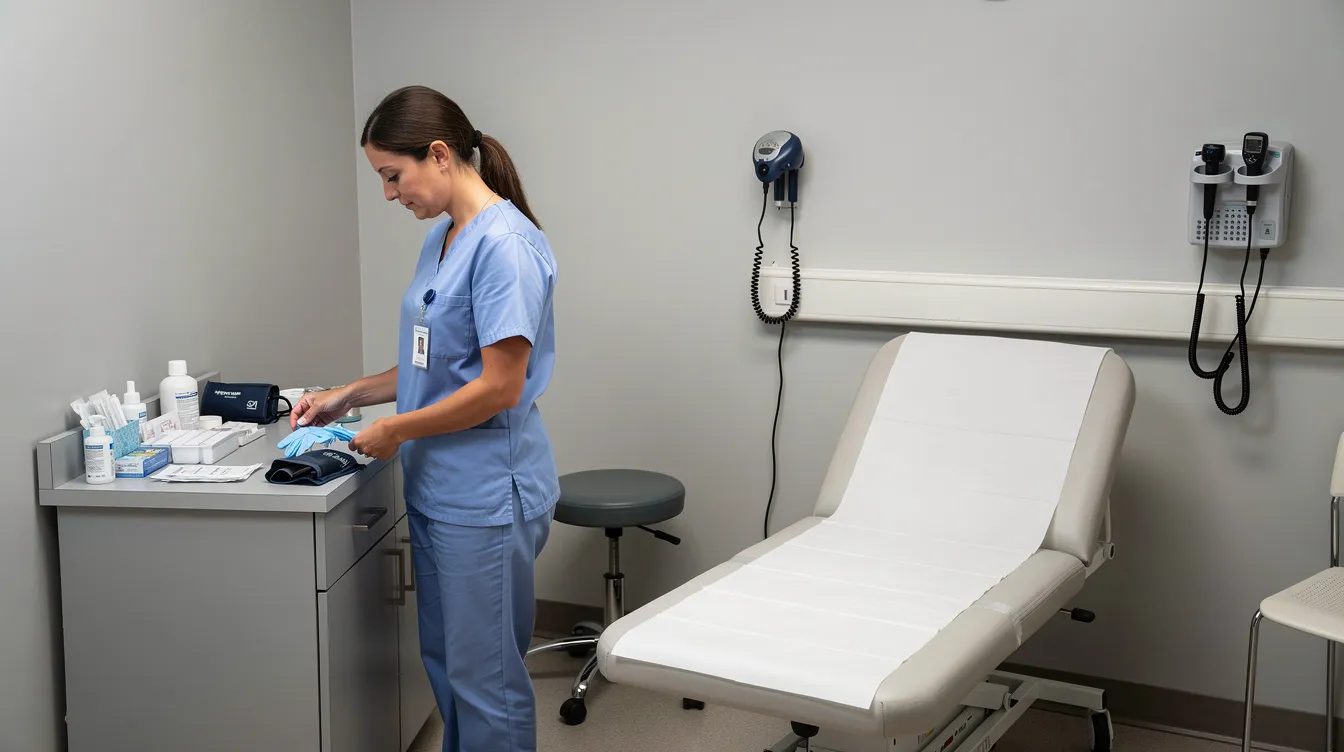
Once you get to the clinic, most probably, the doctor will ask you to put on a gown and then you’ll be lying on the table with your feet up, just like you usually do for a Pap smear. Sometimes, a bimanual examination or a quick pelvic exam might be done just before the procedure to check the size and position of the uterus.The vagina is inserted with a speculum to allow visualization of the cervix. This part of the body will be cleaned with antiseptic. A topical anesthetic may be administered, and it could sting a little bit.
The doctor can use instruments to hold the anterior lip of the cervix in place for stabilization purposes. A uterine sound can also be used to determine how deep the uterus cavity is and its alignment. The biopsy instrument, which is generally slender and flexible such as the Pipelle, is passed via the cervical canal and into the uterus.
When the catheter tip reaches the desired position inside the uterus, suction is then generated. This will allow the doctor to move the catheter inside the uterus to obtain specimens from various parts of the uterus. It takes only a few minutes to collect samples.
The whole process takes only a half-hour in most cases. In some cases, the endometrial biopsy may take between 5 and 15 minutes.
Endometrial Biopsy: Is it Painful?
One of the most frequently asked questions is “Is an endometrial biopsy painful?” The truth is, the experience varies from one person to another. For some, the sensation is merely of pressure. For others, it is similar to that of a short, intense menstrual cramp.
The leading side effect of an endometrial biopsy is cramping. This can be drastically alleviated if NSAIDs are given before the procedure. Of course, many people just take an ibuprofen a few minutes prior to the procedure and that is enough for them. However, some people require extra support.
Other options might be:
Deep breathing, music, or a companion
Nonsteroidal anti-inflammatory drugs (NSAIDs), e.g., ibuprofen
Local anesthesia
Cervical dilation medication for cervical stenosis
Higher-strength analgesics for selected patients
Contact the office if severe or progressively worse pelvic pain persists beyond one or two days.
Risks, Side Effects, and When to Call Your Doctor
Although grave complications are not typical, they are still possible.
Anticipated side effects encompass pain cramps occurring during and after the procedure, a small amount of vaginal bleeding or spotting that can last for a few days, and brief episodes of dizziness or the sensation of being faint. Following an endometrial biopsy, there’s nothing unusual about having a slight vaginal bleeding or spotting that should go away in a few days.
Infection is one of the possible complications of an endometrial biopsy since this process involves the disruption of natural barriers resulting in bacterial growth causing abnormal discharge, excess bleeding, and fever.
Contact your healthcare professional immediately when you experience any of these symptoms:
Fever or chills
Malodorous discharge
Severe pelvic pain
Excessive bleeding that requires frequent changing of sanitary pads
Feeling dizzy or sick
Discuss with your practitioner any history of bleeding disorders, anticoagulants, uterine perforation, or abnormal uterine wall.
Recovery and Self‑Care After the Procedure
During and after the procedure, mild cramping or discomfort is something you can expect. To help relieve the pain, you can take over-the-counter medications such as ibuprofen. If it is deemed suitable, you can also take acetaminophen.
One thing that happens is having some mild spotting for a couple of days after getting a biopsy. In order to avoid tampons until the bleeding stops, put a sanitary pad or a menstrual pad on.
After the biopsy, it is necessary to refrain from using tampons and having sexual intercourse for a few days in order to prevent infection and give the body a chance to heal. Douching and the use of menstrual cups should also be avoided until your healthcare professional indicates that it is safe to do so.
People usually return to work at their desk or light physical activities on that very day or the following one. Endometrial biopsy recovery time usually is several days; in a week most women feel absolutely fine.
In case of excessive bleeding or severe pain that comes after biopsy, a woman needs to contact her healthcare provider at once.

Interpreting Your Endometrial Biopsy Findings
The pathology report from an endometrial biopsy is generally available in roughly 7 to 10 days. However, some laboratories might take a little more time. It’s good to clarify if you will get the results through a phone call, through a message on the portal, or during a follow-up consultation.
If the biopsy report is normal, it indicates that the tissue is appropriate for your age and the phase of your cycle, and there are no signs of hyperplasia, precancer, or cancer.
| Finding | What it may mean |
|---|---|
| Disordered proliferative endometrium | Often related to anovulation |
| Endometrial hyperplasia | Thickened lining, sometimes precancerous |
| Atypical hyperplasia | Higher risk finding needing follow-up |
| Chronic endometritis | Inflammation or infection |
| Polyp | A focal growth in the uterine cavity |
| Endometrial carcinoma | Cancer requiring specialist care |
Atypical hyperplasia or cancer often prompts additional imaging or re-sampling, dilation and curettage, or consultation with a specialist in reproductive cancers. High-risk patients may require ongoing monitoring even after receiving a “benign” diagnosis.
Request an explanation of your results in everyday language, along with a plan for any additional treatments if required.