Blocked Fallopian Tubes: Zemya IVF
For some women, getting pregnant comes naturally, but for others, pregnancy could be delayed due to some unforeseen obstacles. A common but rarely mentioned obstacle that occurs is the blockage of the fallopian tubes. In the intricate functioning of a woman’s reproductive system, the fallopian tubes play a critical role. The fallopian tubes act as bridges through which life takes place.
At Zemya IVF & Fertility Clinics, one of the best fertility clinics, we specialize in the diagnosis and treatment of tubal factor infertility. If you decide to go for IVF Treatment in South Delhi, IUI Treatment in South Delhi, or ICSI Treatment in South Delhi, then the first thing that you need to do is to find out how healthy your uterus and fallopian tubes are. It is your starting point for a successful pregnancy.
What are Blocked Fallopian Tubes?
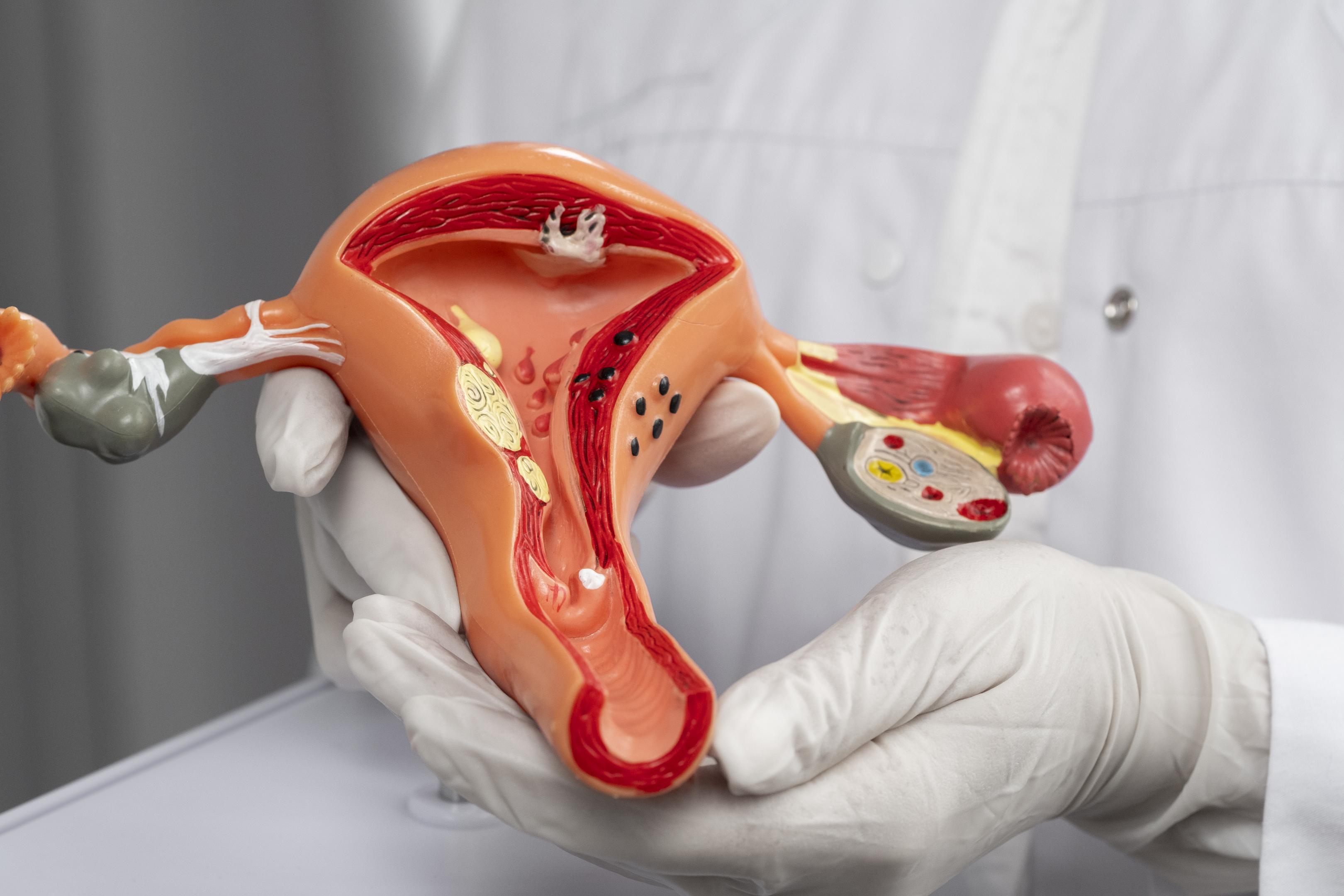
These tubes are found on both sides of the uterus, and they are very thin. The egg that is produced by one of the ovaries is released into the tube each month during the menstrual cycle. It is inside the tube that the egg and the sperm combine to form a fertilized egg.
Obstruction of the fallopian tubes (the medical term for a blockage) may occur in one or both tubes. There are women who, despite having only one tube blocked, can still conceive naturally. However, a totally blocked system typically necessitates medical intervention.
The Causes of Fallopian Tube Blockage
- Endometriosis is a condition where tissue that normally lines the inside of the uterus (endometrial tissue) starts to grow outside the uterus. This tissue can affect the reproductive organs, leading to a partially blocked tube or causing the tubes to become attached to other pelvic organs.
- Having had an ectopic pregnancy before can lead to a damaged tube. An ectopic pregnancy is a serious medical situation where a fertilized egg implants in the tube instead of the uterine cavity.
- Abdominal Surgery: If the individual has had any abdominal surgeries, such as appendicitis or fibroids, adhesions may occur that pinch the fallopian tubes.
- Tubal Ligation: There are some cases where individuals have undergone tubal ligation and then want a reversal to conceive.
Recognizing the Symptoms
The problem with tubal blockage is that it does not show any obvious symptoms most of the time. The majority of women find out about blocked fallopian tubes when they have trouble getting pregnant.
- Severe Menstrual Pain: For those with endometriosis, experiencing extremely painful periods can be a warning sign.
- One that May Be Causing the Mouth Smell: A chronic vaginal discharge that obscures the odor of the normal vaginal flora may be the case in some people suffering from Chronic Pelvic Infection.
- Vaginal Bleeding: If the lining of the uterus develops abnormally, there might be times when vaginal bleeding is heavy or irregular.
Diagnosis of Blocked Fallopian Tubes
If you have tried for natural conception but failed in your efforts for more than one year (or six months if aged above 35 years), then the fertility expert may order tests that will help detect if there is an obstruction in the fallopian tubes, early diagnosis is important.
- HSG: A specific type of X-ray in which a dye is injected into the uterus. The radiologist observes how the dye travels through the tubes to determine whether the tubes are patent or not.
- Diagnostic Laparoscopy – During this minimally invasive surgery, the doctor will gently insert a thin camera through a small cut close to the navel to get a direct look at the pelvic organs.
- Saline Sonohysterogram – It’s a type of ultrasound where saline is used to examine the uterine lining and the openings of the tubes for any anomalies.
Treatment Options
The method of treatment for fallopian tube blockages will depend on the degree and site of the blockage.
Surgical Treatment
Sometimes, surgical treatment is necessary. Laparoscopic surgery can be done to cut away the scar tissue and/or treat a partial blockage. In tubal cannulation, the catheter is inserted into the fallopian tube to remove minor blockages. The patient who has undergone tubal ligation can also undergo tubal ligation reversal.
2. In Vitro Fertilization (IVF)
For many people, the most efficient path to pregnancy is through In Vitro Fertilization (IVF). This method completely bypasses the fallopian tubes. The first step is always the retrieval of the egg from the ovary, then the egg is fertilized in the lab, and finally, the embryo resulting from this process is directly transferred into the uterus.
3. Managing Hydrosalpinx
However, if a tube is blocked and the fluid fills it (a condition called hydrosalpinx), it may reduce the success of IVF. In such a situation, a doctor might suggest that the damaged tube be removed before the IVF cycle is started.
Complications of Blocked Tubes
An ectopic pregnancy is the main complication associated with blocked tubes. In case one of the tubes is only partially blocked, it may result in the sperm cell becoming trapped inside the tube and causing internal bleeding.
Why Choose Zemya IVF & Fertility Clinics?
At Zemya IVF & Fertility Clinics, we offer you an integrative approach to treating infertility problems among women. As one of the best fertility clinics, our staff will provide you with:
Diagnostic Services: Utilizing cutting-edge X-ray and thin camera technologies.
- Specialized Treatments: We offer a full range of minimally invasive procedures to clear pellet adhesions and also provide world-class ICSI treatment in South Delhi.
- Personalized Care: We recognize that each woman’s menstrual cycle and reproductive history is unique. That is why we customize our treatment options to meet your individual needs.
Frequently Asked Questions
Yes, if the single tube is healthy and if the ovary discharges an egg from that side, pregnancy is still possible.
Yes, blockage of fallopian tubes is one of the most frequent causes of female infertility, accounting for 25-30% of infertility cases.
Many women feel a bit of discomfort akin to the time of menstrual cramps, which, most of the time, will go away quickly.
Fertility drugs don’t have the capability of physically clearing ridges or scar tissue from the tube; they are only used to stimulate the manufacture of eggs.
Since it is considered a minimal-invasive procedure, most patients will be able to resume their normal daily activities within one week’s time.