Blastocyst Transfer: Science Behind Better IVF Outcomes
In in vitro fertilization (IVF) treatment, selecting the right time for embryo transfer is perhaps the biggest decision for couples undergoing IVF treatment. The standard procedure for embryo transfer, now adopted by all top fertility clinics around the globe, is blastocyst embryo transfer, where an embryo that has developed further than its peers is transferred. This ensures that patients have a greater chance of a successful pregnancy than if they were to have earlier-stage embryos transferred. Blastocyst transfer is at the heart of what we do at Zemya IVF & Fertility Clinics, which is a well-known IVF clinic in Green Park and offers advanced IVF treatment in South Delhi. The results are solid and consistent. Our team follows strict protocols to ensure high success rates. Patients usually see better outcomes with this method. For many, it’s the best path forward. Most transfers happen after embryos reach the blastocyst stage, which takes about five to six days. That timing improves implantation rates significantly.
What Is a Blastocyst?
In order to understand the significance of blastocyst transfer, it is first necessary to understand what a blastocyst actually is. A fertilized egg cell divides in a process into many cells called cell division. During the first two to three days after fertilization, the developing embryo consists of only a few cells and is called a cleavage-stage embryo (early embryonic stage), a compact group of cells with no internal organization.
By day five or six after fertilization, provided that development is proceeding correctly, it reaches the blastocyst stage. Blastocyst forms and it is an important and significant landmark in embryonic development. At this stage, the embryo has made an incredible transformation. The mass of cells has reorganized itself into two distinct cell types separated by a cavity called the blastocoel. The blastocyst is a hollow sphere with an outer cell layer and a mass of cells collected at one end of the cavity.
The inner cell mass forms the embryo and develops into the fetus. This group of cells sits at one end of the blastocyst’s fluid-filled center. It eventually turns into embryonic stem cells. The outer layer, made up of trophoblast cells, becomes part of the fetal placenta. These cells also create extra embryonic structures like the amniotic sac.
Thing is, this division occurs early on and sets the stage for everything that will occur afterward. It is an important part of the way human development begins. It just so happened that these cell groups do not mix or change places in the development process. The inner cell mass remains where it is to develop the baby, while the trophoblast remains on the outside to develop the support tissues. This is important in human reproduction because this structure is essential to the development and growth of the baby, providing specific functions to each group throughout the pregnancy.
Now comes a shift. As days pass during blastocyst growth, the zona pellucida – still wrapped around the embryo as it has been since day one – starts getting thinner. Later on, without much fanfare, that shell cracks open through what’s known as hatching. Out slips the developing cluster once confined inside. After exiting, contact with the uterus becomes possible. Implantation follows if conditions allow.
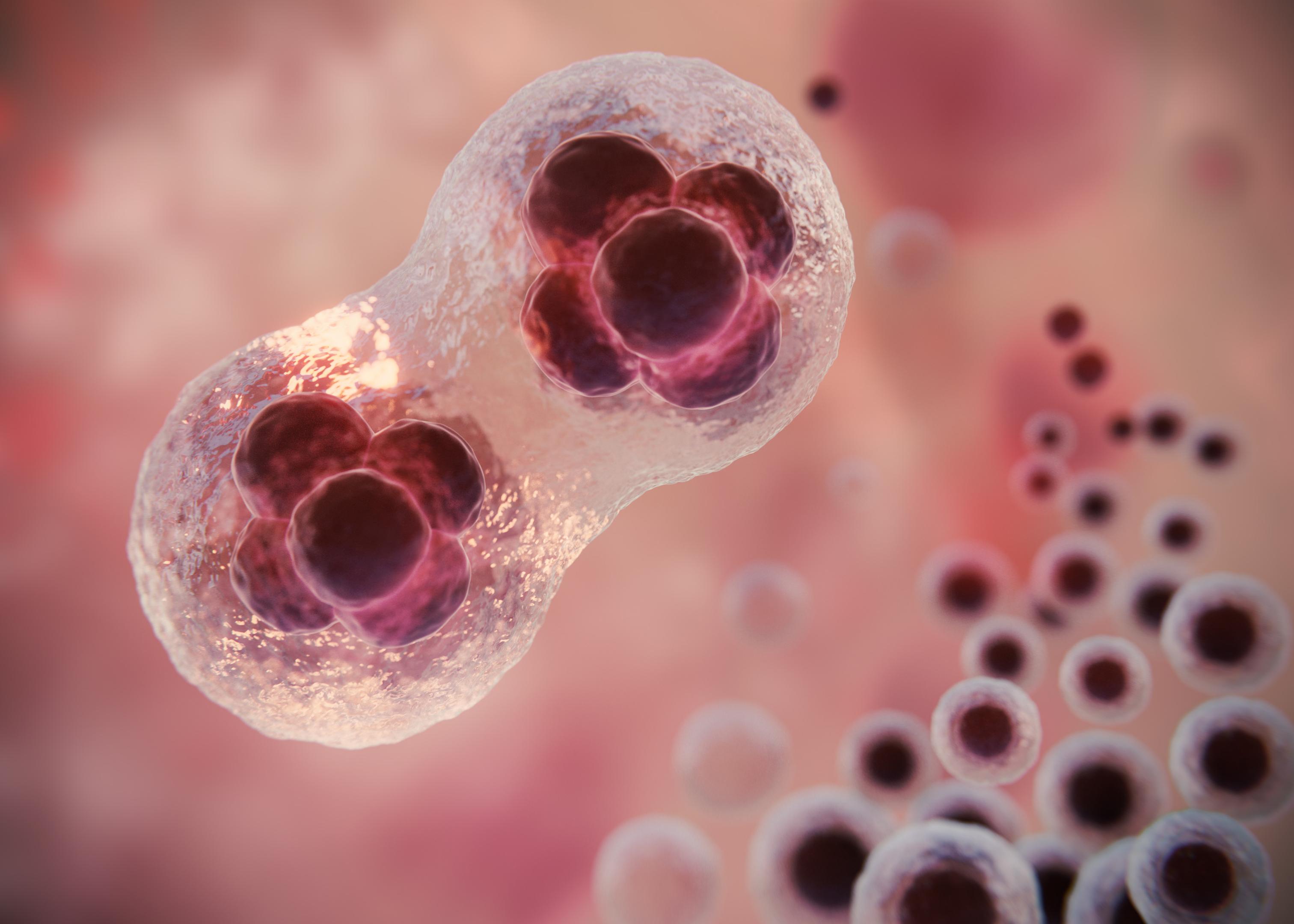
From Fertilization to the Uterine wall
In natural conception, the fertilized egg begins its journey in the fallopian tube, undergoing cell division as it travels toward the uterus over several days. By the time the embryo reaches the uterine cavity, it has typically reached the blastocyst stage, precisely timed to coincide with the receptive window of the uterine lining. The blastocyst then attaches to the endometrial wall through blastocyst implantation, a process in which the trophoblast cells at the outer layer begin to invade the uterine lining, forming tight junctions with the maternal tissue that establish the early placenta and secure the pregnancy.
Down the fallopian tube it goes, a tiny cluster dividing again and again after conception. Only when near the womb does it become what scientists call a blastocyst – arriving just as the lining prepares to receive it. From there, it nestles into the endometrium like roots settling into soil. Outer cells reach out first, weaving connections deep within the wall, binding themselves firmly. These links will grow into the first structures that feed and shield what might become a person.
Why Blastocyst Transfer Outperforms Cleavage Stage Transfer
In the early days of IVF, embryo transfer was carried out at the cleavage stage, i.e., on either day 2 or day 3 of fertilization, at which time the embryo was made up of only a few cells, and no inner structure was formed. Although there are circumstances where cleavage stage embryo transfer is still appropriate, the availability of advanced culture media that support embryo culture to the blastocyst stage has made day five blastocyst embryo transfer the preferred option at top fertility clinics.
The benefits of moving blastocysts to the uterus are proven. Not all embryos make it to the blastocyst stage; many stop growing between days three and five. Culturing them to that point helps the lab spot which ones can truly support a healthy pregnancy. Embryos that don’t reach the blastocyst stage in culture likely wouldn’t have worked if transferred earlier either. This method functions as a strong natural filter, allowing only those with the best growth potential to proceed. It’s a clear way to pick out embryos with real potential. A single transfer may not workbut with this process, only the strongest candidates are chosen. In this system, selection happens naturally through development outcomes. This ensures better chances for successful implantation and long-term pregnancy.
The blastocyst implantation rate is also substantially higher than the cleavage stage embryo implantation rate, as the blastocyst stage closely resembles the natural cycle of the development of the embryo to the uterine cavity in an unassisted cycle. At Zemya IVF & Fertility Clinics, the Best IVF Doctor in South Delhi, blastocyst transfer is the preferred method of transferring the embryo, and it results in a high implantation rate.
Embryo Grading at the Blastocyst Stage
Not all blastocysts develop in the same way, either. Grading the embryo in this stage gives us significant information to determine which one to use. The best infertility specialist in South Delhi, Zemya IVF & Fertility Clinics, considers each blastocyst according to set criteria. These criteria involve how well the blastocyst is formed and how well it has developed. It also considers the inner cell mass in terms of quality and tightness. In addition, the structure and cell arrangement in the outer layers are checked. This probably determines which one to use.
The best prognosis for a successful pregnancy, with a high chance of implantation, is when the blastocyst is of high grade with a well-defined inner cell mass and healthy trophoblastic cells. This detailed evaluation enables the fertility experts to choose the single best embryo for transfer, which not only promotes single embryo transfer but also reduces the risk of multiple pregnancy without compromising the overall success rate.
Blastocyst Transfer and Single Embryo Transfer
One of the most important clinical benefits of blastocyst transfer is its role in enabling confident single embryo transfer. Because the blastocyst stage provides more information about each embryo’s developmental potential than the early cleavage stage, the fertility specialist can transfer a single high-quality blastocyst with confidence, rather than transferring multiple embryos to compensate for uncertainty about quality.
Blastocyst transfer is one of the significant clinical advantages as it makes single embryo transfer a viable option with assurance. Since the blastocyst stage reveals the embryo’s potential for development more than the early cleavage stage, the fertility expert can be sure of transferring just one top-quality blastocyst without the need of transferring multiple embryos, which is usually done to offset the uncertainty about quality.
Frozen Blastocyst Transfer
However, blastocysts that are to be transferred later can be preserved through a process known as vitrification, in which blastocysts are flash frozen for later use in a frozen embryo transfer cycle. The blastocyst stage is the ideal stage for vitrification, as the success rate for survival of blastocysts following the thawing process is always greater than a ninety percent success rate, provided the freezing process is done correctly.
Frozen Blastocyst Transfer: Another opportunity for more babies from a single IVF cycle, without having to go through another ovarian stimulation, egg retrieval, and transfer process, is included in the Fertility Preservation in South Delhi service provided by Zemya IVF & Fertility Clinics. Blastocyst vitrification is the most secure method of storing embryos for women considering egg freezing for cancer treatment or for future use.
The Affordable IVF treatment in South Delhi team at Zemya IVF & Fertility Clinics gives you a clear, transparent breakdown of the costs and protocols of blastocyst transfer and frozen embryo transfer cycles so that patients can make fully informed decisions about their treatment pathway.
Frequently Asked Questions
The cleavage stage embryo is an early stage embryo that is usually transferred on day two or three following fertilization and is comprised of just a few cells, while the blastocyst is an advanced stage of an embryo that is usually achieved on day five or six and is characterized by the presence of a fluid-filled cavity and the formation of an inner cell mass and an outer layer of trophoblast cells, having undergone natural selection in the laboratory and possessing much stronger implantation potential.
Not all embryos become blastocysts. Some stop growing as they move from early cell division to more advanced stages. Growth halts are part of how nature filters out less viable ones. Those reaching the later phase show they can keep developing over time. Their progress marks them as better suited for implantation than others that didn’t make it this far.
For most patients with multiple embryos, blastocyst embryo transfer results in better implantation rates and selection of the best embryo for implantation. However, for some patients with limited embryos, the fertility specialist may recommend embryo transfer before day three to avoid the risk of all embryos arresting in culture before blastocyst development. This decision is made by the best IVF doctor in South Delhi at Zemya IVF & Fertility Clinics.
Yes, blastocysts can be frozen for later use. They freeze well and survive well after thawing. It seems safe to transfer them in a future cycle. This is a common and proven method. Its a key option within fertility preservation services in South Delhi. Zemya IVF & Fertility Clinics offers this approach. Hard to ignore how reliable this process is.
Blastocysts are graded according to the level of expansion and formation of the blastocyst, the quality and compaction of the inner cell mass, and the arrangement of the trophoblast cells in the outer layer. These grading parameters assign a score to blastocysts, enabling identification of the best embryo for transfer and helping determine the likelihood of implantation and pregnancy.
Transferring one blastocyst doesn’t make a twin pregnancy more likely than transferring a single cleavage-stage embryo. Embryo grading at the blastocyst stage gives clearer details. This helps doctors choose just one embryo to transfer. It stops the urge to send more than one embryo. That cuts down on multiple pregnancies compared to earlier transfer steps.