Egg Freezing: Zemya IVF & Fertility Clinics
- Egg quality is at its peak when women freeze their eggs in their 20s and early 30s, prior to the onset of age-related infertility decline in women.
- Current ultrarapid freezing techniques ensure that no ice crystals are formed, resulting in optimal egg survival after thawing.
- Eggs don’t have birthdays, which means an egg frozen at the age of 30 will retain its structure at age 30 even decades later upon thawing.
- Freezing your eggs, whether for cancer treatment ahead of time or for your ideal time in life, will bring you peace of mind.
Modern times have seen changes in the reproductive lives of women when it comes to their plans for both professional and personal growth, as well as family. Though biologically timed reproductive processes continue in their traditional format, developments in the field of assisted reproductive technologies have enabled women to take control of their future reproductive needs in a manner not seen before. This is best illustrated by egg freezing, also called oocyte cryopreservation.
Best IVF centre in Delhi
At Zemya IVF & Fertility Clinics, we offer a holistic, advanced fertility preservation service. For elective preservation, or for specialized medical preservation, the first stage in designing a course of action is to familiarize yourself with the biological mechanics of egg freezing.
What is Egg Freezing and Why Do Women Opt for It?
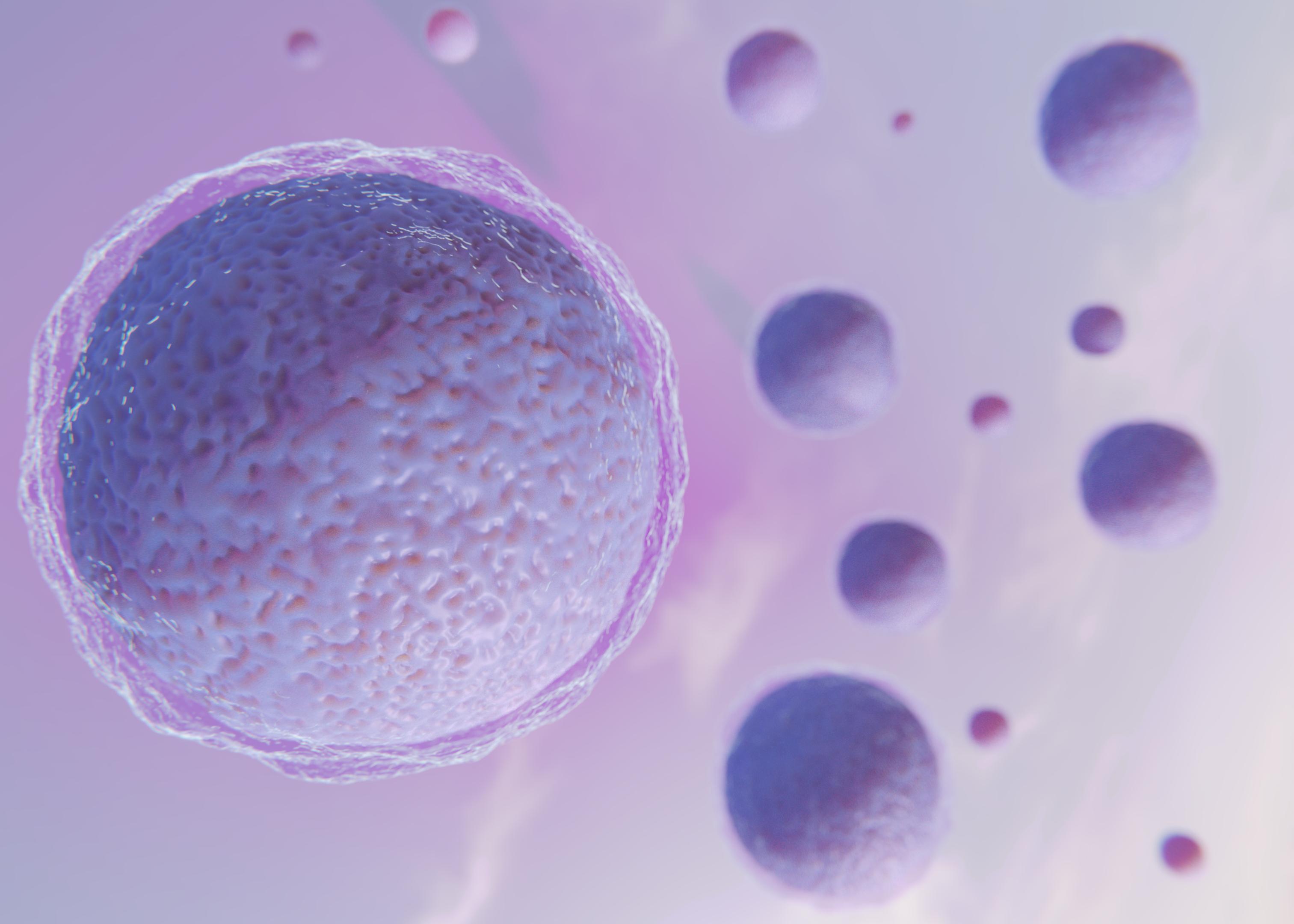
The process of egg freezing is a technical procedure that involves harvesting a woman’s eggs from her ovaries, freezing her eggs in a lab environment with advanced technology, and storing them for the future. When she decides to conceive, the frozen eggs can be thawed, fertilized in a lab if necessary (as part of the IVF procedure), and implanted in the woman’s uterus.
Fertility preservation can mainly be divided into two groups:
1. Social or Elective Egg Freezing
And, many women opt for social egg freezing to focus on higher education, occupational stability, or mainly to wait for the perfect partner. Due to a woman’s natural age-associated reduction in fertility and oocyte quality, which takes effect mostly at 35 years, freezing eggs much earlier ensures a woman has healthy reproductive cells ready when the moment she wants a future.
2. Medical Egg Freezing
This particular route plays a vital role in cases of women undergoing health interventions, which might compromise their reproductive function in the long run. Patients suffering from cancer and planning to undertake chemotherapy or radiation therapy opt to freeze their eggs before undergoing these health interventions. Egg freezing also plays an extremely important role in cases where there is a strong family history of early onset of menopause or other gynecological conditions.
The Egg Freezing Process: Step-by-Step
Generally, an egg freezing cycle is similar to the first stages of a regular IVF process, lasting about 10 to 14 days.
Stage 1: Ovarian Reserve Test & Consultation
The first step involves a thorough examination by a reproductive endocrinologist or fertility specialist. Comprehensive standard blood tests (e.g., Anti-Müllerian Hormone or AMH) and pelvic ultrasounds allow the medical team to carry out ovarian reserve testing to find out how many eggs you have left and assess your overall ovarian reserve.
Step 2: Controlled Ovarian Stimulation
In a normal menstrual cycle, a woman’s ovaries usually mature just one egg. Many fertility clinics will have the woman take special fertility drugs and hormone injections to increase the number of eggs produced to improve the chances of a successful pregnancy in the future. During the stimulation, the ovaries will be monitored by blood and ultrasound scans so that the environment in which the numerous eggs are maturing is safe and even.
Procedure for Step 3 – Egg Retrieval
After ensuring that the follicles have attained the right size, the final trigger shot will be taken to facilitate the harvesting of the eggs. Harvesting of the eggs is not a complicated process, and it only takes a short while to complete. It involves the insertion of an ultrasound-guided needle into the ovaries to harvest the eggs.
Step 4: The Vitrification Freezing Process
The moment the eggs are given to the embryologist, the quantity of eggs retrieved is checked. The ics that are mature are then frozen through a very high-tech freezing machine called vitrification. Vitrification is a very rapid cooling technique that immediately drops the temperature, preventing the formation of damaging ice crystals within the cytoplasm of the egg. Once frozen the eggs are then transported into high-tech tanks filled with liquid nitrogen inside containers and stored for many years.
Safety and Risk Considerations
Egg freezing is a very safe and well-standardised method of treatment, But Consider be aware of any associated medical risks. The most serious complication of ovarian stimulation is ovarian hyperstimulation syndrome (OHSS).
The OHSS condition is characterized by the fact that the ovaries respond excessively to the medication used to stimulate them, resulting in swelling and fluid leakage to the abdomen. At Zemya IVF, we use a tailored dose for each patient to make sure there is no development of OHSS, as our main clinical goal is the safety of our patients.
Understanding Success Rates and Financial Planning
One must grasp the concept that although freezing your eggs is a fantastic biological insurance policy, it is not a fail-safe method of guaranteeing a biological child. The success rate is largely dependent on the age of the woman when the eggs were frozen and the total number of eggs that were cryopreserved. Frozen eggs from a younger age are more likely to survive the thawing process and give better fertilization results, both through ICSI and conventional IVF in the future.
As for our financial plan, the total egg freezing cost depends on your personal needs of medication, laboratory testing, and the long-term freezing setup. The clinics of Zemya IVF & Fertility promote full financial transparency and will lead you through your personalized treatment chart and manage your reproductive future with full confidence.
Frequently Asked Questions
No, you are given a light anesthetic which ensures you will sleep during the painless procedure. According to the length of the stimulation, this day or two of discomfort may resemble the sensation of having a period (cramps) or slight bloating.
From a scientific perspective, there is no limits to how long frozen eggs in liquid nitrogen can be stored without any damage to cell quality.
No. The body always selects a certain number of eggs every month, of which only one becomes mature; meanwhile, the others are discarded. The process of ovarian stimulation merely saves those eggs that would naturally be wasted during a particular cycle.
Embryo freezing is very stable; however, it is done using a partner’s or a donor’s sperm. With egg freezing, you can have full control over your reproduction independently.