Hysterosalpingography (HSG) Indications: Zemya IVF
- Best Diagnostic Method for Visualizing the Inside of the Uterus or Fallopian Tubes Without Surgery
- Fertility Benefits from Test: There is some benefit to fertility by flushing through the fallopian tubes during the test itself.
- Schedule the test within the first two weeks of the menstrual cycle. This is to be sure that there is no potential for a fetus inside you without your knowing about it.
- Make sure to review your history regarding sexually transmitted diseases to avoid a pelvic infection after the test.
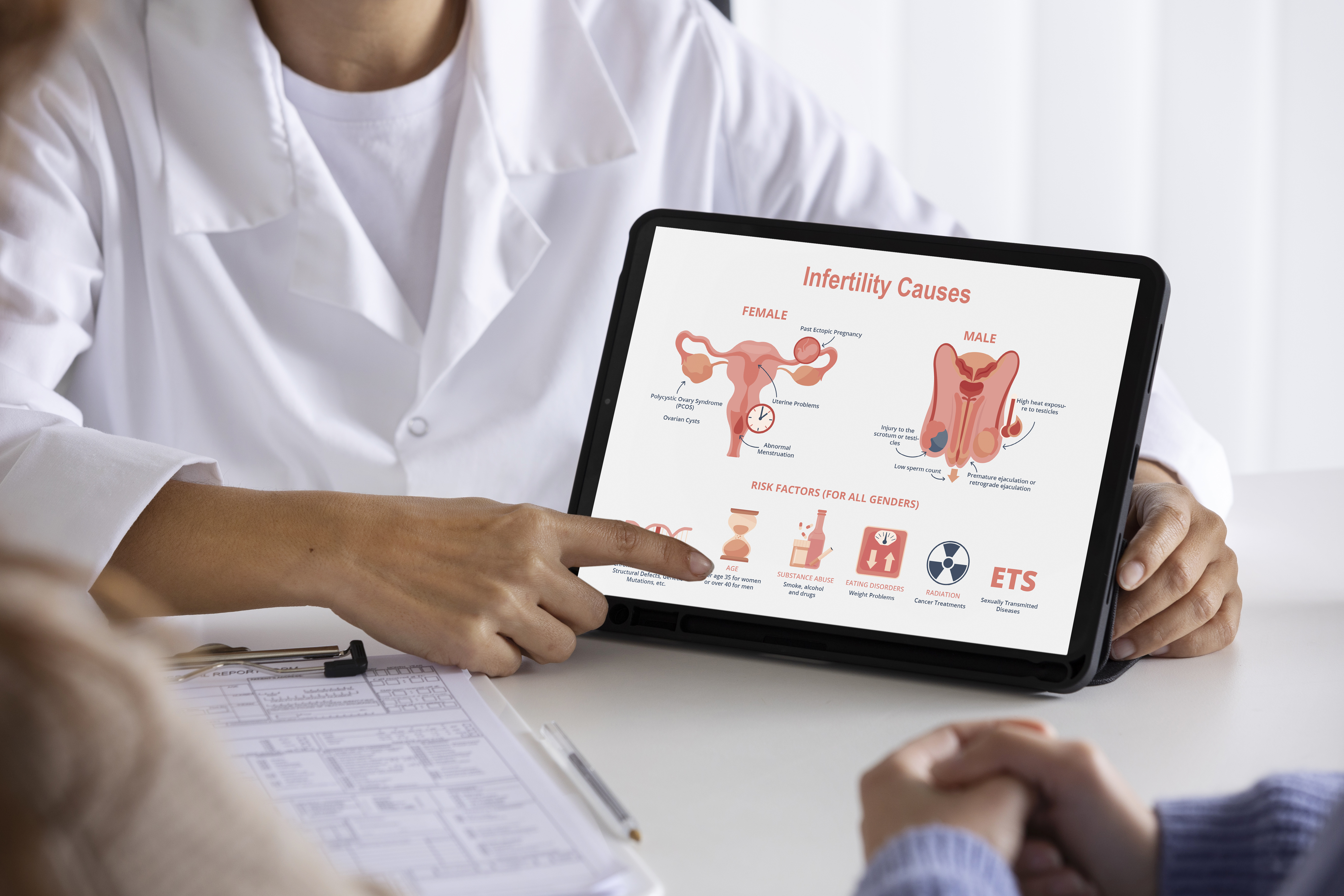
When two people find themselves struggling with fertility issues, the path to the answer starts with getting to know the reproductive system well. A very important diagnostic tool in fertility treatments is hysterosalpingography (HSG). It is a kind of X-ray procedure that doctors use to check the inside of the uterus and whether the fallopian tubes are open or not.
At Zemya IVF & Fertility Clinics, the best IVF center in Green Park, we take diagnoses seriously to provide our patients with individualized treatment. If you decide to visit the best genetic testing center in Delhi, which happens to be our IVF clinic in Green Park, the hsg test becomes the first step in answering the “why” of infertility.
What is Hysterosalpingography (HSG)?
Traditional standard ultrasound can only show the outline of the uterine cavity, whereas hysterosalpingography (HSG) is a procedure that combines the use of a special contrast dye and x-ray technology to provide a detailed map of the uterine cavity and the patency of fallopian tubesthe necessary condition of “clearance” for sperm to reach the egg.
It is commonly carried out within a radiology department or a fertility unit. The technique entails the use of an instrument referred to as a speculum to spread apart the vaginal walls and then inserting a small catheter or metal cannula via the cervix.
Key Hysterosalpingography Indications
Why do fertility specialists recommend this test? Several main hysterosalpingography indications make this radiographic procedure an absolute necessity for women with infertility:
1. Detection of Tubal Infertility
In fact, the number one motive for an hsg exam is to find out whether the fallopian tubes are blocked or not. In case of blockage, it would be impossible to conceive without medical help as the egg and sperm won’t have a chance to meet. Besides, an HSG can also reveal if the tubes are totally blocked or if there’s a tubal spasm simulating the blockage.
2. Evaluation of the Uterine Cavity
The HSG examination can show the outline of the uterus and determine whether any uterine disorders exist that can lead to infertility. These include:
- Intrauterine adhesions: Adhesions present inside the endometrial cavity.
- Uterine anomalies: Abnormal shapes of the uterus, including bicornuate and septate uterus.
- Polyps or fibroids: Tumors that can change the appearance of the uterus.
3. Post-surgical evaluation
After any surgical intervention, such as tubal ligation reversal and fibroidectomy, an HSG is performed to check the success of the surgery.
The HSG Procedure: Step-by-Step
Learning about the HSG procedure can reduce anxiety that a lot of people experience.
- Timing: Usually, you will have the test during the days 5 to 10 of your cycle after you finish bleeding and before ovulation. This leaves no room for a possible pregnancy to be disrupted.
- Preparation: One of the suggestions by a few doctors is to take either ibuprofen or acetaminophen an hour before getting the test done. A few times, local anesthesia might be administered around the cervix.
- Injection: A small plastic catheter or a catheter made of a thin tube is placed in the cervix. Contrast medium (either water-soluble or oil-based contrast) is injected into the tube.
- Imaging: As the contrast medium fills up the uterus, X-rays are taken to show images of the contrast flowing through the fallopian tubes. The contrast filling the tubes can usually be seen in live imaging on the screen in front of you.
- Completion: If the tubes are patent, the contrast will flow out into the pelvic cavity.
Understanding the Differences: Normal HSG vs. Abnormal Findings
In a normal hsg, the contrast dye uniformly fills the uterine cavity, and observers see it spilling out from the openings of both fallopian tubes without any obstruction.
When the X-ray images demonstrate that the dye halts suddenly, it indicates that a fallopian tube is blocked. This condition commonly links to previous sexually transmitted diseases, a past pelvic infection, or endometriosis.
Research indicates that the use of an oil-based contrast medium in this procedure can provide a sort of therapeutic benefit, resulting in an increased rate of natural conception not long after the examination, by the mechanism of “flushing” out small blockages.
Risk Factors and Complications
Safe and without any complication as far as procedures go, HSG is not entirely risk-free:
- Infection: The least probable, but definitely the most dangerous potential hazard, particularly if you have had an infection in the pelvic region before.
- Allergy: If you react adversely to iodine in the dyes, you could experience an allergic reaction to the procedure.
- Bleeding: Some mild vaginal bleeding can occur within the first couple of days after the procedure; however, any heavy vaginal bleeding needs to be reported immediately to your IVF Clinic in Green Park.
Why choose Zemya IVF?
At Zemya IVF, recognized as the Best IVF Centre in Delhi, we offer you thorough diagnostic services. We know that an HSG test is not just a way to look inside; it plays a crucial role in your overall fertility assessment.
- Professionals: Our doctors know how to make the catheter insertion as painless as possible and are also very good at interpreting the findings of the HSG test.
- Cutting Edge Equipment: We employ the latest high-resolution X-ray machines to produce the highest quality images.
- Coordinated Approach: Should your HSG test indicate a blockage, our team of the best genetic testing centres in Delhi and Green Park can immediately provide you with information about assisted reproduction, such as IVF.