- The chance of chromosomal abnormalities is higher with the mother getting older. This is why it makes sense to do genetic screening.
- The benefits of taking folic acid before conception are the protection of the baby’s brain and nervous system.
- Genetic testing or preimplantation genetic diagnosis (PGD) can dramatically reduce the risk of inherited disorders for high-risk couples.
- The latest technique uses cell-free fetal DNA circulating in the mother’s blood to identify fetal chromosomal abnormalities. This can be done as early as 10 weeks after pregnancy is detected with very high accuracy.
Finding out that you are going to have a baby can bring you so much happiness. A major concern for couples who are trying to have a baby is genetic health. Knowing how to prevent chromosomal abnormalities in pregnancy and effectively reducing the worldwide risk of birth defects. This, globally, is step one in having a successful pregnancy and ultimately a healthy baby.
Zemya IVF & Fertility Clinics is acknowledged as the Best IVF Clinic in Delhi. It integrates modern reproductive genetics along with professional and caring treatment. Although it is impossible from a biological point of view to avoid all genetic deviations. Knowing about risk factors, enhancing the quality of eggs and sperm, as well as applying advanced reproductive screens, makes success more likely.
Read More: IVF and IUI Cost Comparison
What Are Chromosomal Abnormalities and Birth Defects?
Chromosomes are the compact carriers of our genetic information. A chromosomal disorder is present when a newborn has an unbalanced chromosomal number or a chromosomal structure change. These numerical and structural changes of chromosomes may cause major birth defects like Down syndrome (Trisomy 21), Edwards syndrome (Trisomy 18), and Patau syndrome (Trisomy 13).
However, it is crucial to state that not all birth defects are chromosomal. The classification of congenital disorders includes three different types, which are structural, genetic, and environmental:
- Chromosomal Disorders: Differences in the number or arrangement of the chromosomes.
- Single Gene Disorders: Abnormalities of the specific genes inherited from the parents’ genomes.
- Structural Congenital Disorders: Malformations affecting fetal development, such as a cleft lip, cleft palate, or congenital heart disorder.
- Neural Tube Disorder: Severe malformation of the brain and spine, including spina bifida.
Understanding the Key Risk Factors
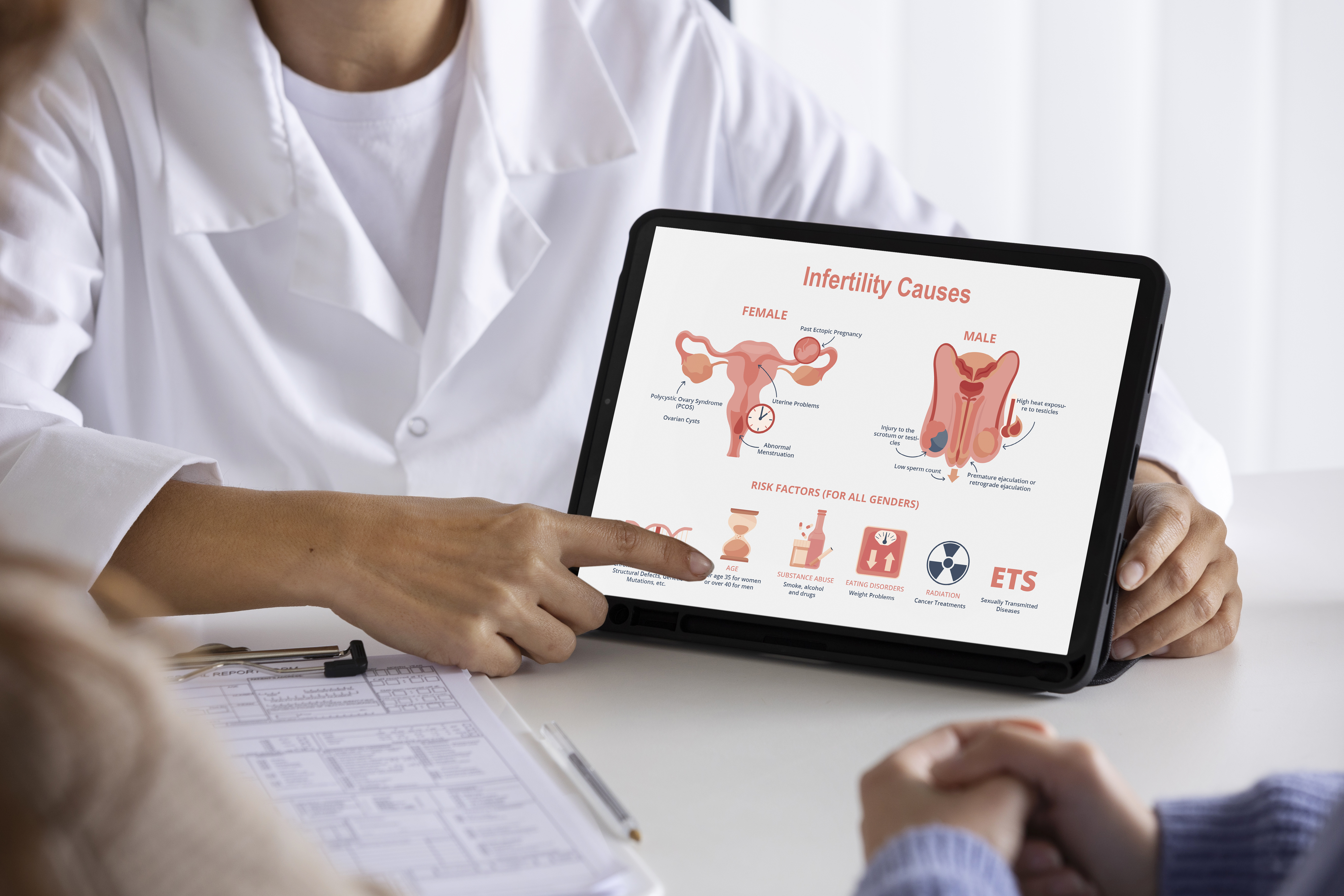
Before we can figure out how to shield a developing fetus, the first step is to determine the factors that by themselves, or sometimes, in combination with the rest of the factors, result in congenital malformations or increase their probability:
Older Maternal Age: Among the risk factors, this one supports chromosomal abnormalities to the greatest extent. The aging process impairs the physical quality of a woman’s eggs, and this leads to an increase in chromosome nondisjunction.
Health Conditions and Metabolic Problems: Maternal diseases that are not controlled, such as high blood pressure, diabetes, and other untreated metabolic disorders, may change the conditions in the womb and, as such, may cause birth defects.
Infections by Mother: Having certain diseases, such as rubella infection or cytomegalovirus infection, while pregnant, will cause problems like brain disorders and heart disease for the unborn baby.
Environmental factors: Toxic chemicals, heavy metals, radiation, and poor environmental exposure factors could damage developing gametes.
Advanced Screening and Reproduction
The best modern reproductive medical advances can really help couples stay worry-free as they get a pregnancy diagnosis of genetic disorders and address such problems before or during pregnancy duration.
1. Preimplantation Genetic Testing (PGT) with IVF
IVF with Preimplantation Genetic Testing is the best way to go for genetic family history or ageing couples who hardly get success by other means. In our high-tech lab, we grow embryos up to the blastocyst stage. Afterward, Embryologists carefully conduct a cell biopsy for a few cells to check chromosomes before embryo transfer. Only genetically normal and viable embryos will be put in the uterus, because of this avoiding usual risks.
2. Prenatal Screening and Diagnostic Tests
Women who conceive naturally have good tools provided by modern medicine to identify genetic problems with their fetuses early on during either the late first trimester or the second trimester:
SCREENING TESTS: High-resolution blood tests for the mother and ultrasounds determine statistical risks. Cell-free fetal DNA screening determines whether a fetus has Down syndrome by analyzing fetal DNA found in the mother’s blood.
DIAGNOSTIC TESTS: Should there be a higher risk according to the results of screening tests, such diagnostic tests as amniocentesis or chorionic villus sampling can be carried out.
Crucial Lifestyle Modifications for Expectant Mothers
Start a clean and healthy lifestyle before and throughout pregnancy to not only shield your unborn baby from major defects but also to reduce the chances of pregnancy complications such as premature delivery, fetal loss, etc.
- Make your diet work for you with great nutrients: Eat nutrient-rich healthy foods that provide a good source of lean proteins, antioxidants, and whole grains.
- Don’t Forget Folic Acid: Every pregnant woman must take a daily prenatal vitamin that contains at least 400-800 mcg of folic acid. Scientific research has found that consuming enough folic acid before conception lowers the chances of having a neural tube defect by more than 70%.
- Eliminate Harmful Substances: You should avoid consuming alcoholic beverages, recreational drugs, and tobacco products. Make sure not to use unfiltered herbs and some over-the-counter prescription drugs without consulting your doctor first.
- Prevent Infections: Practice hand washing frequently, ensure you only eat thoroughly cooked foods, and review your immunization records for any harmful infections when pregnant.
- Achieve Healthy Body Weight: A healthy body weight regulates hormone production and ensures the optimal condition of eggs and sperm.
Comprehensive Postnatal Care and Beyond
From the very moment a baby with a congenital condition or developmental disorder comes into the world. The need for the earliest possible intervention becomes a major priority. Day-one screening of the newborns for metabolic disorders is comprehensive. It is a great way to detect the problem that allows implementation of instant measures like enzyme replacement therapy, which, if done timely, may avert the onset of a permanent intellectual disability (mental retardation).
During the growing-up period of a child, a multidisciplinary approach involving physical, occupational and speech therapies could help tremendously in the enhancement of functional abilities. It would be extremely beneficial for parents going through such approaches to link up with relevant medical professionals and support groups in their regions.