Assisted reproductive technology (ART) is constantly changing. Personalized treatments at a very detailed cellular level are becoming the main focus. Patients who face difficulties in getting pregnant due to their body’s makeup or their age may face difficulties. Conventional In Vitro Fertilization (IVF) cycles sometimes only take them so far.
In a few cases, the uterine setting remains inactive, and the embryo transfer does not go as planned. Sometimes the number of eggs is very low, and because of this, treatment options are limited. In these cases, a higher level of biological interventions is the way forward. The use of autologous growth factors (derived from the patient’s own tissue) is one of the most exciting breakthroughs.
We at Zemya IVF & Fertility Clinics is known as the best fertility clinic in Green Park. We are incorporating these advanced treatment methods. Using specialized Platelet-Rich Plasma (PRP) therapy, our highly experienced medical team assists patients with even the most complicated reproductive issues. This enables them to maximize their chances of getting pregnant successfully.
The Science Behind Autologous Platelet-Rich Plasma
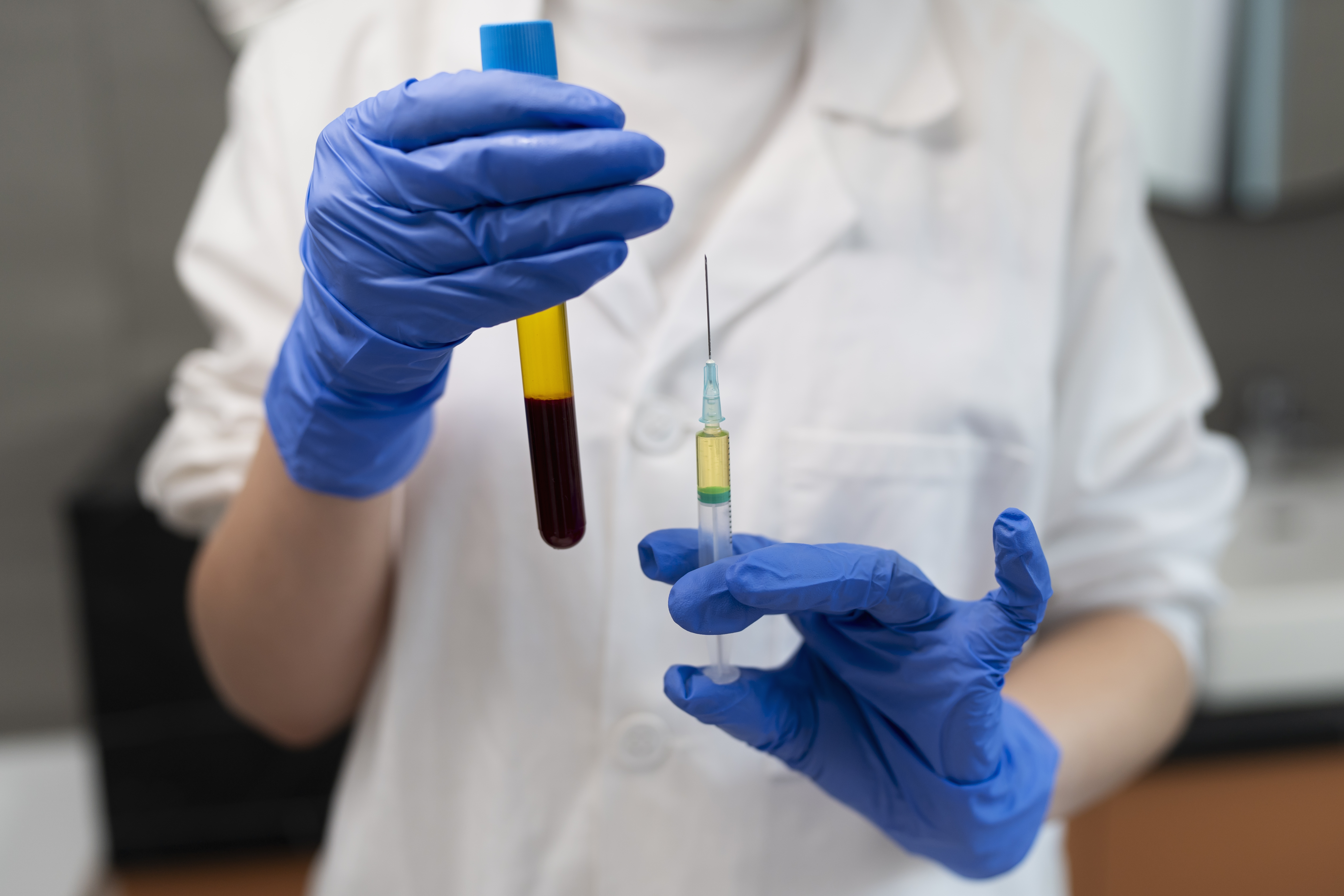
Platelet-Rich Plasma (PRP) is an extremely concentrated biological fluid that is obtained directly from one’s own blood. Although blood consists mainly of red and white blood cells floating in the plasma, there is also the presence of platelets. The platelets are fragments of cells well-known for their important function in clot formation and wound healing,
The first step in preparing the treatment involves drawing some blood from the patient’s arm. The blood then undergoes an elaborate centrifugation process. This results in the separation of heavier elements, such as red and white blood cells. This results in a rich plasma containing five to ten times more platelets than average blood.
In target reproductive tissues, the platelets degranulate to release a range of natural chemical messengers. They include Vascular Endothelial Growth Factor (VEGF) and Platelet-Derived Growth Factor (PDGF). The chemicals have the role of stimulating cell division, reducing chronic inflammation, and improving the blood flow to tissues.
Overcoming Uterine Barriers: PRP for Thin Endometrium
Besides a healthy embryo that is chromosomally normal, a pregnancy can only be successful if the uterine lining (endometrium) is receptive at the same time. For implantation to be successful, the thickness of the endometrium should normally be at least 7 to 8 millimeters by the time of ovulation.
Yet, a few women suffer from what is called a refractory or thin endometrium, whereby the lining does not change quite a bit even after they undergo thorough estrogen treatment. Previous pelvic infections, the formation of scar tissue due to surgical interventions (like Asherman’s syndrome), or inadequate local blood circulation may cause this.
For this, our specialists use intrauterine PRP infusion IVF protocols.
The Endometrial Protocol:
A trained clinician administers a dense aliquot of the patient’s PRP directly into the uterine cavity using an accurate transvaginal ultrasound for guidance with a soft, thin catheter. Usually done on day 7 and day 11 of a prep cycle, this method brings the growth factors right to the endometrial cells, stimulating cell development and making the tissue more receptive for a frozen embryo transfer (FET).
A New Frontier: Ovarian Rejuvenation PRP
In case a person suffers from DOR or POI, the major problem faced clinically is the ability to produce enough high-quality eggs through ovulation stimulation. With age, as one enters her mid-to-late 30s to early 40s, AMH declines significantly due to a reduced number of remaining follicles.
Although science cannot help generate fresh egg cells, ovarian regeneration PRP works to enhance the microenvironment in which the ovaries exist. Intraovarian injections of PRP therapy seek to reactivate dormant follicles that do not respond to conventional fertility hormones anymore.
The medical team injects the PRP directly into the ovarian cortex through an ultrasound needle while the patient undergoes this outpatient procedure under light sedation, in much the same way as they extract eggs for in vitro fertilization. In 4 to 12 weeks from the time of the procedure, patients have noticed improvement in their hormone levels, as well as increased blood flow in the ovaries.
Targets of Advanced PRP Protocols
PRP therapy is a new, effective supplement that gives couples a new hope in their reproductive journey. The clinical directors at Zemya IVF suggest considering this route for these situations:
RIF: Those patients who have undergone several failed IVF cycles with good quality embryos that they genetically tested.
Endometrial Thickness Issue: Ladies continuously having < 7 mm linings even with hormone therapy.
Poor Ovarian Response (POR): Patients with extremely low AMH levels who hardly produce mature follicles after stimulation for the IVF cycle.
Egg freezing: Women wanting to get the most out of their ovarian stimulation and maximize the number of their retrieved eggs in their elective egg freezing cycles before their ovarian reserve starts declining with age.