When looking for information about your reproductive health, you probably encountered the term AMH test. Getting your lab results can be a bit scary. No matter if you’re going to be a parent one day, want to keep your eggs frozen, or are going through IVF treatment.
Amid the most searched fertility hormone markers worldwide, one has been the Anti-Müllerian Hormone (AMH) test. Still, a mere figure in an AMH report is usually the cause of undue panic or misleadingly comforting a person. Especially if they are interpreted without the appropriate context.
This comprehensive guide explains the AMH test meaning, gives a detailed chart of a normal AMH range by age. This also interprets what your levels really mean for your individual fertility situation.
What does an AMH test measure?
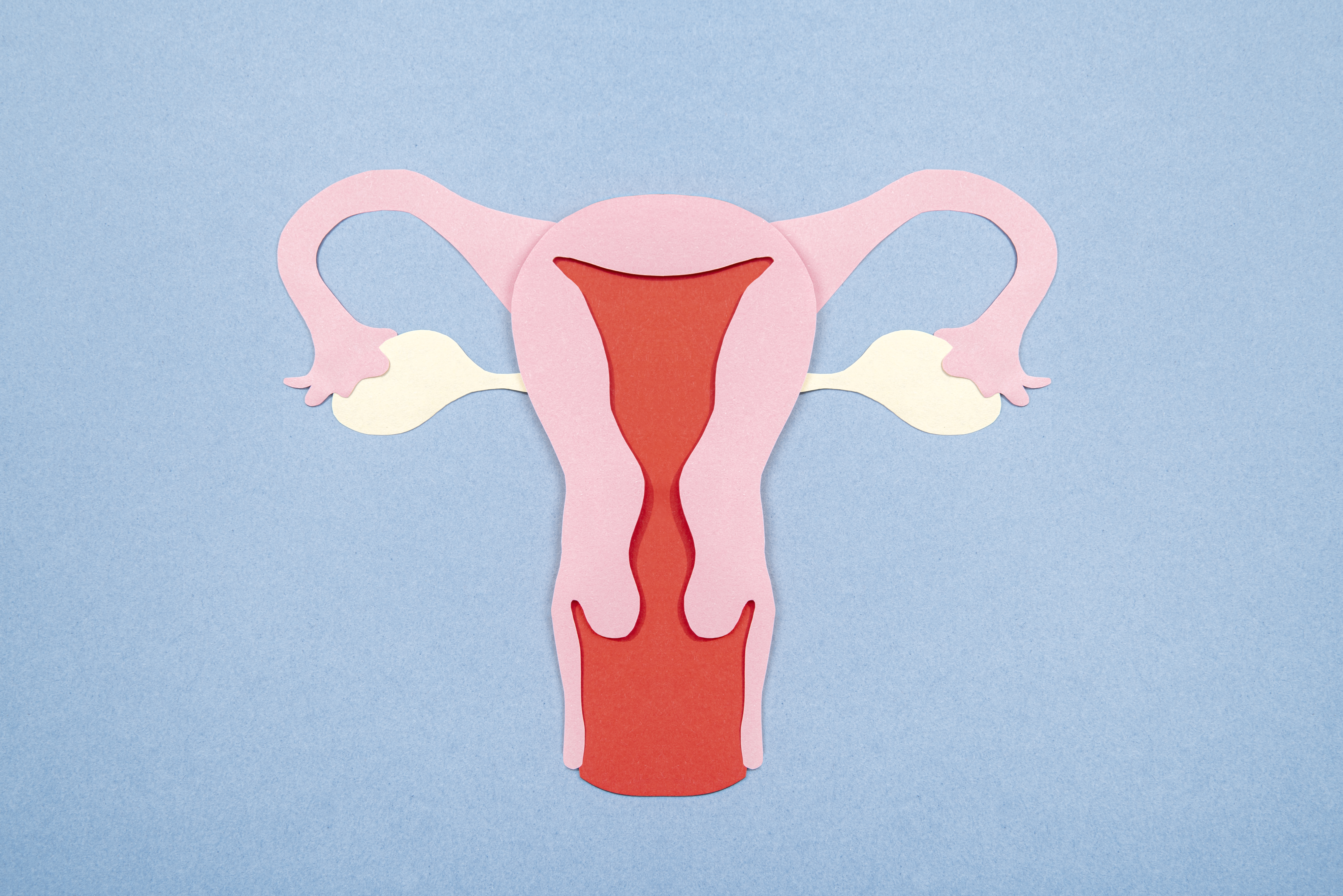
AMH is an acronym for Anti-Müllerian Hormone, which is a protein hormone secreted by granulosa cells located inside the tiny, developing follicles in your ovaries. Since these little sacs filled with fluid hold your eggs that are not yet mature, getting a measure of these levels in your bloodstream is a great way for doctors to estimate your ovarian reserve, in other words, the number of eggs you have left.
Unlike other reproductive hormones, such as Estrogen or FSH (Follicle Stimulating Hormone), AMH remains quite stable throughout your menstrual cycle. Consequently, AMH testing can be carried out at any time in the month, including when taking birth control medication.
Key Difference: The AMH test is basically an ovarian reserve test that indicates egg count and not egg quality. It helps your healthcare providers know how many eggs remain in the store, but it does not tell you about the genetic makeup of the eggs.
The Chart by Age
At birth, a woman has in her body a full set of eggs, about one to two million. But over time, this number decreases naturally. That is why, as you age, your ovarian reserve as well as your basic levels of AMH will diminish.
Check the measurement units of your AMH as printed on your report by your laboratory when you read it. The majority of the clinics would be using ng/mL (nanograms per milliliter), although some European or UK labs would be using pmol/L (picomoles per liter).
| Age Group | Typical AMH Range (ng/mL) | Ovarian Reserve Status |
| 20–25 years old | 3.0 – 5.0 ng/mL | High / Peak Ovarian Reserve |
| 26–30 years old | 2.5 – 4.0 ng/mL | Healthy / Optimal Reserve |
| 31–35 years old | 1.5 – 3.5 ng/mL | Normal / Gradual Decline |
| 36–40 years old | 1.0 – 3.0 ng/mL | Moderate / Accelerated Decline |
| 41–45 years old | 0.5 – 2.0 ng/mL | Low Normal Range |
| 46+ years old | Less than 1.0 ng/mL | Depleted (Approaching Menopause) |
What Does Your AMH Level Interpretation Mean?
When your specialist reviews your AMH fertility test, the results generally fall into one of three primary clinical categories:
Normal Levels (1.0 to 3.5 ng/mL) When your specialist reviews your fertility test for AMH, results usually fall into three main clinical groups:
Normal AMH Levels
(1.0 to 3.5 ng/mL)
A result that is nicely within this range means that you have a good ovarian reserve that is appropriate for your age. For someone who is actively trying to get pregnant, this means a usual timeline for getting pregnant naturally, assuming other fertility factors (like open fallopian tubes and good sperm parameters of the partner) are healthy.
If your result falls comfortably within this range, it means you have a healthy and age-appropriate ovarian reserve. Those who are actively trying to get pregnant will typically have their natural conception timeline unaffected by these fertility factors (such as the health of the fallopian tubes and the quality of the partner’s sperm), aside from these.
Low AMH Meaning (Under 1.0 ng/mL)
A measurement lower than 1.0 ng/mL indicates a diminished ovarian reserve. Finding out that your level is low might scare you, but it is a big mistake to think that low AMH means complete infertility.
Natural pregnancies: A person, mainly a youngster (under 35) with a low AMH but normal menstrual cycles, still has a very high probability of becoming naturally pregnant because their few remaining eggs tend to be of good quality.
Medical Decisions: A low score only indicates that your fertility period will be shorter. In this case, you may decide to accelerate your family planning or seek fertility treatments earlier.
High AMH Meaning (Above 3.5 to 4.0 ng/mL)
Very high levels of this hormone imply that you have a very large number of early-stage follicles. Having a great number of eggs sounds great, but very high levels of AMH are the most common thing seen in PCOS (Polycystic Ovary Syndrome). In PCOS, several small follicles are made, but the follicles are not able to mature and ovulate regularly, so the person may have irregular periods and be less fertile.
How AMH Levels Can Affect IVF and Egg Freezing
With many other diagnostic tests, your AMH level can be key in your fertility evaluation and the planning of your treatment options. In fact, if you are pursuing assisted reproductive technologies (ART), your AMH level is probably the most important factor that your fertility doctor will use to develop your management plan.
Setting the dose of the drug:
Before starting the cycle.
Your doctor will take your baseline AMH level into account while dosing you with injectable fertility drugs. In case of a low AMH, a higher stimulation dose will be necessary for the ovaries to produce follicles, whereas when it comes to a high AMH, a moderate dose will be recommended.
Estimating the number of eggs to be retrieved:
At the time of stimulation.
AMH is considered an excellent indicator of the total egg yield upon retrieval. High levels show positive correlation with a high number of mature eggs in the retrieval – This way, providing more material for the generation of healthy embryos.
Preventing ovarian hyperstimulation syndrome (OHSS):
Safety Monitoring.
If patients have high AMH levels or PCOS, doctors may use this information to help prevent OHSS, which is a serious condition that happens when the ovaries react excessively to hormones and become enlarged.
Beyond a Single Number
AMH testing gives a key piece of information. Though the testing by itself can never be the sole basis for the assessment. When you go to a fertility specialist, they will never look at an AMH blood test result alone. To understand your whole reproductive system, they will always partner the blood test measuring your AMH level with an ultrasound determining your Antral Follicle Count (AFC).
It is not possible to greatly increase the number of eggs biologically available to you, but by leading a healthy lifestyle like eating a nutrient-dense diet, controlling chronic inflammation, taking specific supplements like Vitamin D, and quitting smoking, you are supporting at a cellular level the eggs you already have.