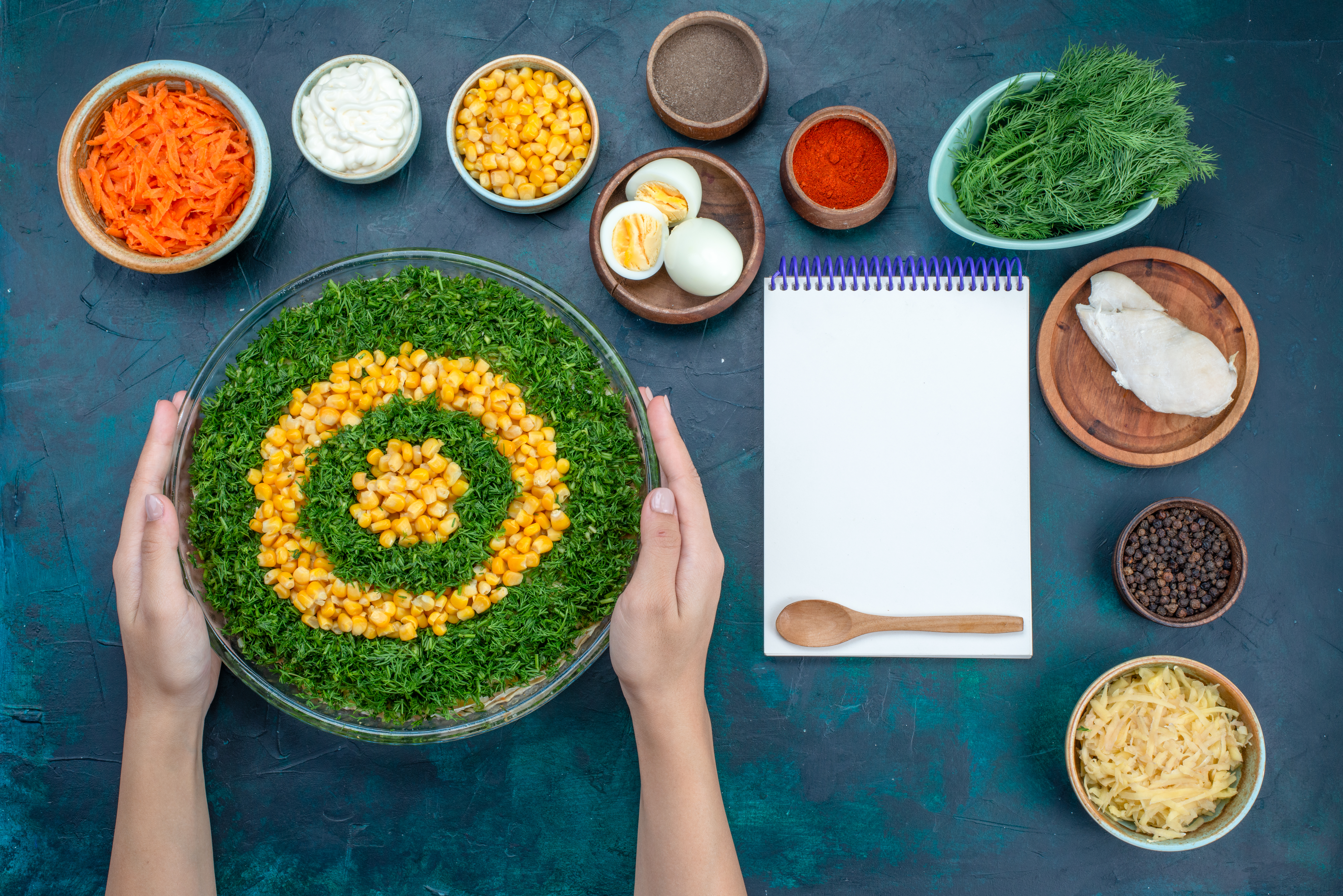
- Make a conscious effort to eat low-glycemic index (GI) foods, high-fiber foods, lean proteins, and healthy fats; meanwhile, reduce your intake of refined carbohydrates, sugary foods, and highly processed foods as much as possible.
- Diet is part of PCOS management, but it’s not the only part. Engaging yourself in physical exercise, getting enough sleep, and managing stress could improve your hormonal health and also help you with the problem of infertility, which women might face if they have Polycystic Ovary Syndrome (PCOS).
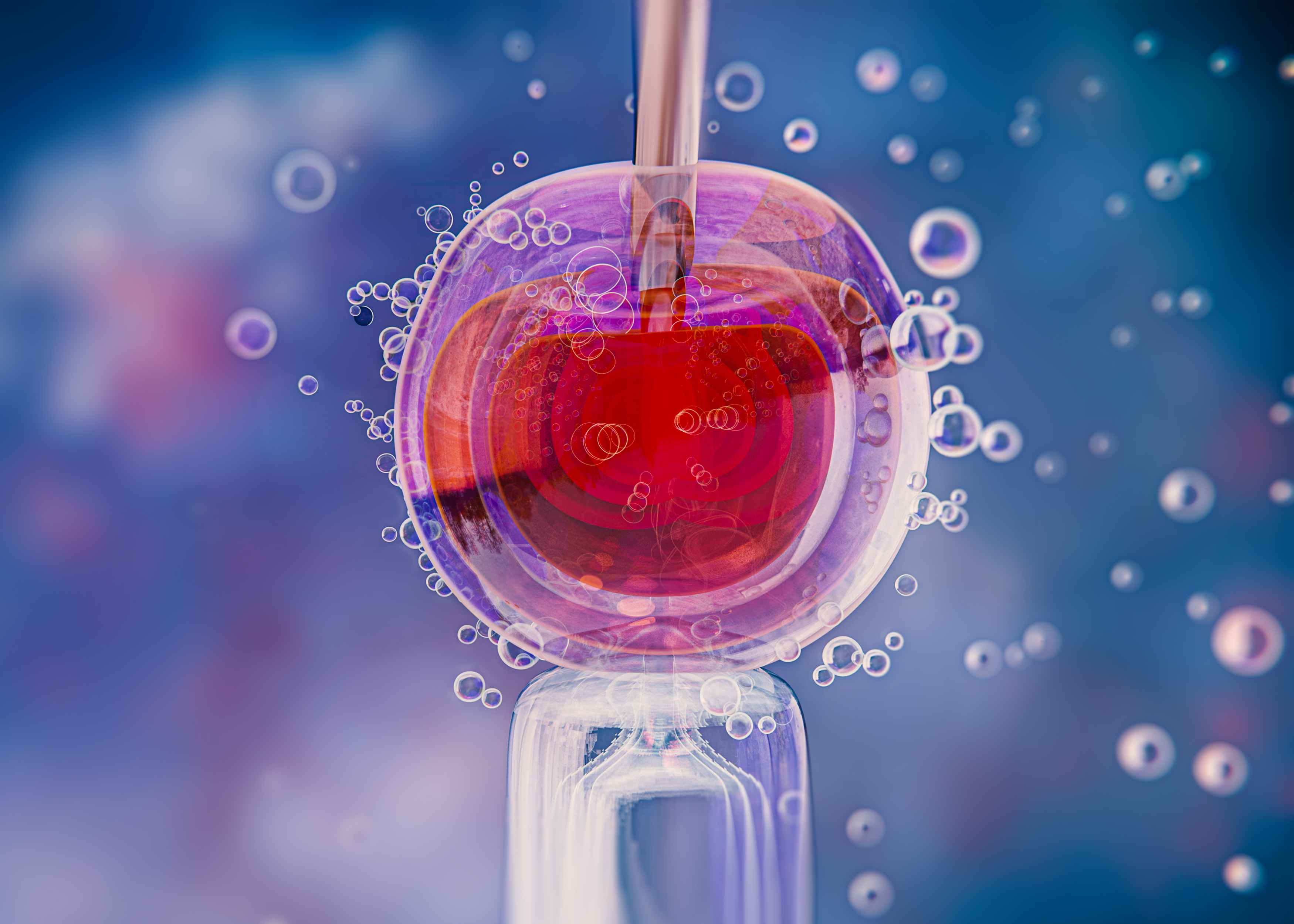
- PCOS may impact ovulation, leading to difficulties in getting pregnant, but with individualized medical care and proper fertility treatments, a woman wishing to conceive will likely succeed despite PCOS.
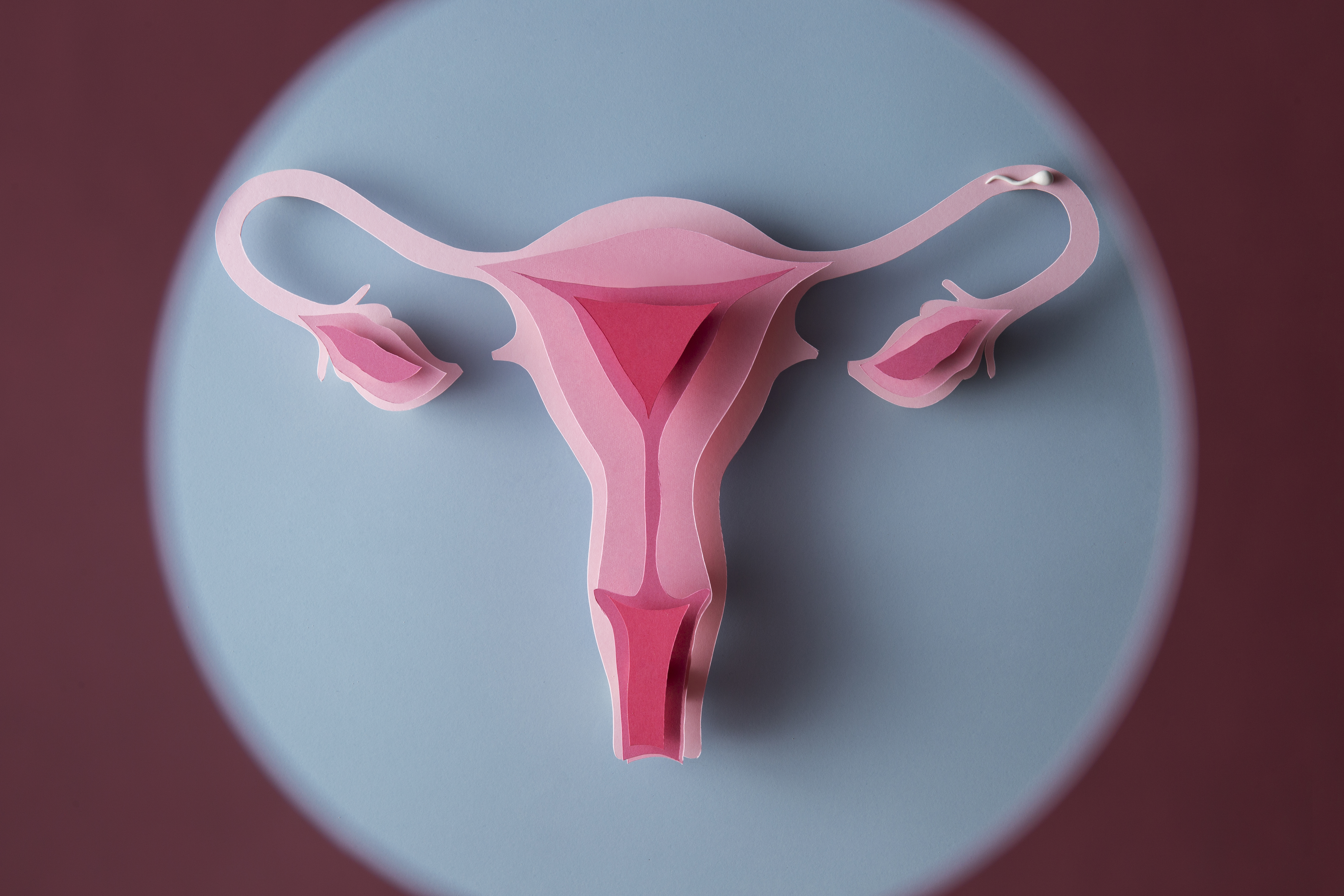
Polycystic ovary syndrome (PCOS), or polycystic ovarian disease (PCOD), is very common among adolescent and young women with reproductive potential who suffer various symptoms related to hormones. Women with PCOS experience symptoms that vary from irregular menstruation to obesity, from insulin resistance to swings in mood, and various other hormonal changes. There is no such thing as a universal diet that would cure everyone’s pcod, but following a healthy diet, exercising regularly, and adopting lifestyle habits that work long-term can help with weight, regulate blood sugar, and even promote reproductive health.
Understanding PCOS and Insulin Resistance
Insulin resistance is a frequent feature in women suffering from polycystic ovary syndrome (PCOS). If the body’s reaction to insulin becomes weak, then the body can start producing more insulin, intending to keep the blood sugar level the same. This can cause a hormonal imbalance on top of making weight control very difficult.
If you concentrate your dietary efforts towards keeping your blood sugar at an optimum, you stand to be quite helped. For example, eating low glycemic index foods in preference to refined carbohydrates, getting more high fibre foods, selecting lean proteins, and avoiding sugary foods can be effective in controlling the sudden increases in blood sugar level.
That doesn’t imply completely banning carbs. It’s more about eating carbohydrate sources that are rich in micronutrients, besides putting them together with nutrients like protein, fiber, and healthy fat so that you get a complete, balanced meal.
What Should a PCOD Diet Include?
A PCOD diet plan needs to be not only healthy and easy to stick with but also tailored to the specific needs of the person. PCOD does not have a diet plan that works for everyone, and individual calorie requirements depend on different factors like age, the level of physical activity, body weight, and overall condition of health.
- Grapes, broccoli, and green leafy vegetables are some of the best sources for your diet: green leafy vegetables and mixed vegetables
- Whole grains such as brown rice; lean sources of protein like eggs, fish, chicken, and legumes
- Healthy fats come from nuts, seeds, and olive oil; chia and flax seeds
- Nuts, fish rich in omega-3 fatty acids, low-glycemic fruits
- Other high-fibre foods: unsweetened herbal teas or green tea
In meals, the combination of lean proteins (chicken), vegetables, and healthy fat (nuts) may help in feeling full after less food and this way help make a healthy diet easier to follow.
Healthy Fats and PCOS
Healthy fats are a necessary component of a balanced diet. Eating olive oil, nuts, seeds, avocado, and fish rich in oil will help you to consume helpful fats and, at the same time, to enhance your meals.
But the quality of fats for their nutritional value varies. Reducing unhealthy fats, highly processed foods, and processed meats can make a diet healthy overall.
It is not necessary to adopt a super strict diet; instead, women with PCOD may consider replacing their not-so-healthy foods with healthier food items that they would not otherwise have thought of.
Foods to Limit
Regular intake of some foods might mean higher risks of having unstable blood sugar levels and difficulties in managing one’s body weight. These problematic foods are:
- Items with lots of sugar and sugary drinks
- White bread, pastries and other products made from refined flour
- Mass-produced, ultra-processed foods
- Garish, oily fast food
- Cured or pre-packaged meats
- Cheese chips, crisps and the like that are packed with trans/fats
- Sweet treats with an over-dosing of sugar
- Fine-flour-based foods consumed in large quantities
- Consuming a lot of food with a high glycemic index (GI) results in quick spikes in blood sugar levels.
What this means is that one does not necessarily have to avoid a certain type of food entirely; it is simply better from a health point of view to eat fewer high-glycemic foods. In general, people stick to dietary regimens that can be maintained easily; too restrictive a menu only makes it easier to abandon the entire plan.
PCOD Diet for Weight Management
The presence of a PCod weight loss plan alongside PCOS and insulin resistance with hormonal imbalances can cause weight gain. In overweight women, even small weight loss may have a positive effect on both metabolic and reproductive health.
If you are on a PCOS weight loss program, aim at making lifestyle changes for the long term rather than losing weight quickly. A slight calorie reduction, good amounts of protein in your diet, physical activity, and quality sleep are all elements that a healthy body weight depends on.
Muscle building and preserving existing muscles is another aspect that deserves attention. Strength training with cardio exercises can help maintain your muscle mass and insulin sensitivity.
Healthy weight and disease prevention should be the main objectives, not the rapid burning of the scale.
A Simple PCOD Meal Pattern
Getting a healthy eating routine most convenient for you is something one can achieve through a sensible meal plan. The amount needed for individual people differs, though a meal pattern generally can consist of things like this:
- First meal: Eggs or any other lean source of protein plus veggies and also one more whole-grain item.
- Morning snack: A bit of nuts or a low glycemic index fruit is the best option.
- Main meal: A whole grain like brown rice plus lean animal protein and a big plate of mixed vegetables.
- At night: Green tea or some unsweetened herbal tea with a nutritious snack if necessary.
- Meal at night: Lean protein, veggies, and a high-fiber carbohydrate in quite a small amount.
- Precise food quantities have to be changed to meet a person’s nutritional needs and physical activity level.
Managing Sugar Cravings
The desire to eat sweets may make dieting for PCOD more difficult. By eating balanced meals, you can increase protein, fibre and healthy fats, which lead to enhanced fullness and so reduced temptation to eat sugary snacks all the time.
Opt for natural food items and minimize the highly processed variety as a major food source. In fact, when the occasion arises, try including nuts, seeds, vegetables, eggs, yoghurt, or low GI fruits in your meals.
Maintaining set mealtimes is another way of keeping some people from getting too hungry, thereby causing eating a large amount of food during the night and so on.
Lifestyle Changes Matter Too
Besides diet, PCOS treatment also needs exercise, sufficient sleep, and stress prevention, which help in keeping us healthy.
Although stress by itself doesn’t cause PCOS, long periods of stressful situations can negatively affect the way we sleep, the kind of food we eat, and the general condition of our bodies. Adopting a stress-reducing lifestyle, including leisurely walking, yoga, breathing exercises, or other hobbies, can work alongside dieting.
Consumption of alcohol also needs to be moderate, as one is taking care of the health of both the metabolism and reproductive system.
When Should You Seek Medical Advice?
Altering a diet could be a part of a treatment plan for PCOS, but it is not supposed to be a complete substitute for a doctor’s diagnosis or therapy. If the menstrual cycle is not regular, fertility problems, or any other PCOS signs persist, women may want to consult a healthcare provider.
PCOS condition might disrupt ovulation or even affect one’s ability to conceive, though PCOS is not an invariable pregnancy termination. Treatments can vary from person to person and typically involve either changing one’s lifestyle, medications that stimulate or regularize ovulation, or the use of infertility aids.
To find out more about PCOS-related infertility, contact Zemya IVF & Fertility Clinics.
Zemya IVF
Best IVF centre – one of Delhi NCR’s most advanced fertility clinics offering state-of-the-art facilities. Fertility specialist doctors here are experienced in dealing with all types of reproductive challenges and providing tailor-made solutions. Those wanting to explore various options for infertility treatment can seek the expertise of doctors at the best Delhi fertility clinic in this area.
To choose an IVF Hospital in Delhi, women should recall that getting the best fertility care starts with figuring out what exactly is the cause of infertility and then building the right fertility treatment plan per the specific need of an individual.
Conclusion
At its simplest, a PCOS-friendly lifestyle shouldn’t aim for perfection. Instead, focusing on eating a good variety of foods like vegetables and whole-grain products, having an adequate amount of lean protein, making sure that fats are healthy, and consuming high-fibre foods together with regular moderate-intensity physical activity and lifestyle modification should help maintain stable blood sugar levels and support the body’s overall hormonal and reproductive health in the best way that is personally acceptable.