- Egg freezing has emerged as an attractive fertility preservation option for women hoping to have children one day.
- Whether you’re building a career, waiting for the right moment to begin your family, or even diagnosed with a condition that may result in reduced fertility, egg freezing gives you a way to store your eggs when you’re younger.
- Yet, one question seems to pop up in almost every conversation with women about freezing their eggs: at what age should I freeze my eggs?
- No single age is ideal for egg freezing in every case.
- Age at egg freezing is still among the top few factors that determine the chance of success of future use of frozen eggs – it turns out egg maturity, or so-called egg quality, usually drops as one gets older.
What Is Egg Freezing?
In simple words, egg freezing refers to oocyte cryopreservation, a fertility preservation method that involves removing mature, not fertilised eggs from a woman’s ovaries, freezing them, and storing them until future use. At least one week before egg retrieval, the woman starts ovarian stimulation with injectables of follicle-stimulating hormone (FSH) and sometimes luteinising hormone (LH) that she gives to herself.Egg retrieval usually takes place during or after this period based on the protocol adopted for fertility treatment.
When a woman decides to use her frozen eggs, there are different ways of combining the embryos. Yet, in most cases, doctors perform this through ICSI. Then, if a woman is pregnant but has not yet had a baby, she may take a pregnancy test (beta-hCG test) at different times. After the test results are received, if appropriate, the embryo can be transferred to the uterus.
Remember, though egg freezing is a promising method of preserving fertility, the future birth of a child is not a guarantee of it. How many eggs a woman can yield, as well as their quality, how old a woman is when she freezes her eggs, and what her treatment will be in the future, all have a role to play.
What Is the Best Age for Egg Freezing?
Generally, the younger the better for freezing eggs, mainly under 30, more to be exact in the mid-30s, because egg number and egg quality will be deteriorating with age.
Several women may think about freezing their eggs in their late 20s/early 30s mainly if they foresee delaying pregnancy for several years.
But I do not believe there is a one-size-fits-all rule fits all for what age to freeze your eggs.
In one case, the time is right for a woman to freeze her eggs at 30. In another case, perhaps at 34 or 35. The decision must balance time, ovarian reserve, family plans, use-by date, history, etc. Is there a delay in her plan?
Why Does Age Matter in Egg Freezing?
At birth, a woman has a limited number of eggs inside her body. Rapidly, first the number of eggs decreases, followed by quality.
As a woman gets older, the chance of her eggs having chromosomal abnormalities also rises. This is a major reason for the greater pregnancy potential of eggs that are frozen at a younger age as against their counterparts frozen at a later stage of life by the woman.
Freezing eggs is nothing but storing the eggs you have at some given point of age. It doesn’t stop or delay the normal development of the woman’s ovaries; it isn’t a guarantee that those eggs, when used, will lead to pregnancy.
Is 30 a Good Age to Freeze Eggs?
Many women in their 30s can think of 30 as a relatively good age to start considering fertility preservation if they are not ready to get pregnant soon.
Still, you should not make a decision to freeze your eggs based on age alone. A fertility specialist will be able to assess your ovarian reserve and reproductive health, as well as advise you if freezing your eggs is a suitable choice for you.
Is 35 Too Late for Egg Freezing?
No, being 35 is not the automatic deadline.
Female individuals can still go ahead and freeze their eggs after 35, but the quantity and quality of the eggs harvested may not match those obtained at a younger age.
That was the whole reason why women in their mid-30s or even older should first do a personal fertility assessment instead of making decisions based on age-related general rules.
The key is to be aware of your various possibilities and be clear about your expectations, instead of thinking that egg freezing will work the same for you as it does for everyone else.
How Many Eggs Should You Freeze?
Having many eggs is no guarantee of becoming a mother. A woman’s decision about how many eggs to freeze may be influenced by these factors:
- The age at which the eggs were frozen.
- The ovarian reserve.
- Her reaction to the stimulation medications.
- The number of high-quality eggs harvested.
- Her plans for future family.
- Whether there is a possibility of more than one child.
A few things about using a frozen egg: first, not all the thawed eggs would be healthy. Secondly, not all healthy thawed eggs would be successful in fertilization, embryo development, or even getting the baby out alive.
So, an individual egg-freezing target will probably be suggested to you by your fertility consultant without any promise of the result that you desire.
What Tests Are Done Before Egg Freezing?
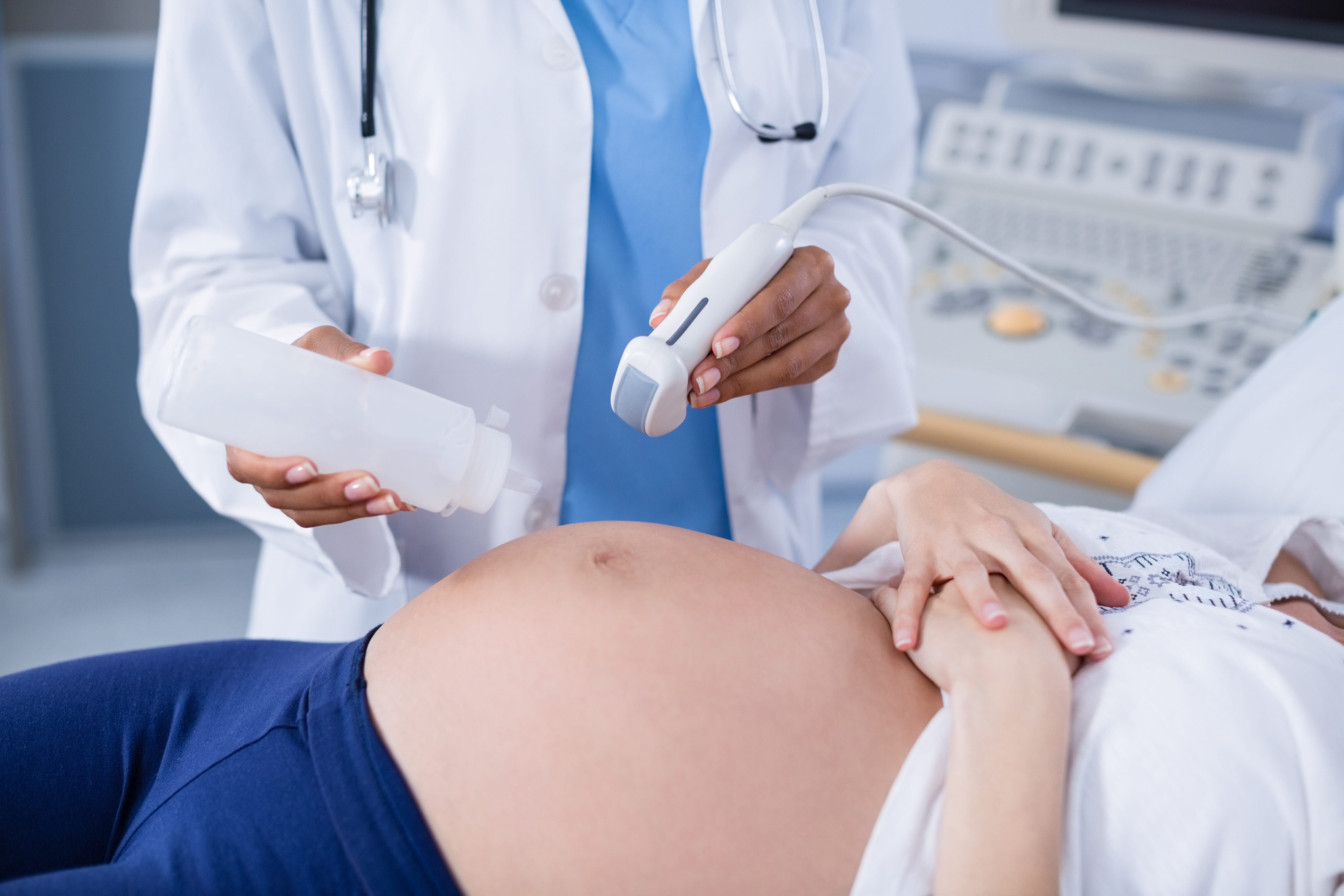
Just before egg-freezing, the fertility specialist might suggest undergoing certain ovarian and reproductive health evaluations.
Some examples of these tests are:
- AMH test
- Antral follicular count via ultrasound
- Hormone level tests
- Medical and reproductive history taking
- Evaluation of your menstrual cycles through observation
- If needed, doctors may suggest further studies
Via these investigations, your fertility expert will learn your general ovarian response and will determine the best option for freezing, namely: will you do it in a single cycle or several ones?
There is one thing to keep in mind is that, whereas AMH predicts reserve, it does not actually measure fertility. Age will still be the major factor when considering fertility and the quality of the produced embryos.
Egg Freezing at Zemya IVF & Fertility Clinics
At Zemya IVF & Fertility Clinics, we offer egg freezing as a fertility preservation option alongside individualized services to help patients make informed decisions.
The fertility team assesses age, ovarian reserve, medical history, and reproductive plans to suggest a suitable treatment strategy.
The cycle consists of ovarian stimulation, ultrasound/menstruation monitoring, egg retrieval, and laboratory cryopreservation of good-quality fresh or mature eggs.
A cutting-edge IVF laboratory together with a qualified team of fertility and embryology experts at Zemya IV&F & fertility clinics enables us to guide and support women contemplating fertility preservation and to let them know where their future options can lead.
We don’t want to simply freeze the quantity of an egg batch. We aim to give the female patient an idea of what we can realistically offer if she gets her eggs frozen through an analysis of her fertility data profile.
Planning to Freeze Your Eggs?
If it is egg freezing that you’re looking for, then Delhi might be the place, but do not fix yourself to an age, as the day you decide to start egg freezing could very well be that age that appears in search results online.
Individuals influence the determination of the right time to inquire about fertility insurance based on many factors like their biological status, ovarian reserve, and family plans.
A consultation at Zemya IVF & Fertility Clinics will allow you to learn all about your fitness profile, egg freezing procedure, and options available for your reproductive future, through which you can make an informed decision about your reproductive options.