- What is obesity in pregnancy? Pregnancy can be a wonderful time in a woman’s life, and good health is important for you and your developing baby.
- Obesity in pregnancy can cause complications such as gestational diabetes, hypertensive disorders (high blood pressure), miscarriage, and problems with the labor and delivery process.
- Understanding how pregnancy can affect obesity may help women make informed choices about nutrition, exercise, prenatal care, and healthy pregnancy weight gain.
- While having obesity also poses risks, many women who are obese have healthy pregnancies and babies when under proper medical care.
What Is Obesity During Pregnancy?
Obesity is usually defined based on body mass index (BMI), which is an estimate of body weight relative to height. Healthcare providers consider BMI, pregnancy history, and other health factors when determining risks to pregnancy.
| BMI range | Weight classification |
| Below 18.5 | Underweight |
| 18.5–24.9 | Healthy weight |
| 25.0–29.9 | Overweight |
| 30.0 or higher | Obesity |
Common adult BMI categories; these categories are often used. BMI is used as a screening measurement and not a direct measure of body fat, and managing pregnancy should be tailored to the individual. Health risks from excess weight may be higher in people of South Asian ancestry at a lower BMI.
How Does Obesity Affect Fertility and Conception?
Obesity can impact fertility in women by disrupting their ovulation and reproductive hormones. Obese women may also have irregular periods or suffer from conditions like polycystic ovary syndrome (PCOS), which prevent them from ovulating normally.
There could also be a link between obesity and a delay in conception and reduced success from some fertility treatments, like in vitro fertilisation (IVF).
Possible effects include:
- Irregular ovulation or menstrual cycles
- Hormonal imbalances
- Increased likelihood of insulin resistance
- Challenges with conception
- Potentially reduced success with some fertility treatments
Obesity does not make you infertile; not all women with a high BMI will be infertile. If you are trying for a baby, a preconception consultation can identify any health issues and develop a care plan.
10 Risks of Obesity During Pregnancy
Obesity in pregnancy carries a risk of various maternal and fetal complications. The level of risk depends on the BMI, health conditions, age, and other individual factors.
Gestational Diabetes
What is diabetes during pregnancy? Diabetes during pregnancy is elevated blood sugar (glucose) that occurs during pregnancy. Why does weight matter? Obese women tend to develop diabetes during pregnancy more often.
Having uncontrolled gestational diabetes may result in a larger-than-average baby and may cause problems during delivery. When you have a baby, uncontrolled gestational diabetes can also increase your future risk of developing type 2 diabetes.
High Blood Pressure and Preeclampsia
Women with obesity are at increased risk of gestational hypertension and preeclampsia. Preeclampsia is a condition in pregnancy marked by high blood pressure and signs of damage to another organ system such as the kidney or liver.
Monitoring blood pressure and antenatal visits are important for early detection of complications.
Miscarriage and Stillbirth
Obese women are more likely to experience miscarriage and stillbirth. This can be affected by many factors and a high BMI will not always lead to pregnancy loss.
Support for maternal and Infant Health through early prenatal care and management of Co-morbid Conditions.
Congenital Conditions
A high BMI is also related to an increased risk of some congenital abnormalities, like neural tube defects and some heart defects, both before conception and during pregnancy.
Taking folic acid before conception and in early pregnancy can lower the risk of neural tube defects. The correct dosage should be determined in consultation with a healthcare provider, mainly if there are additional risk factors.
Fetal Macrosomia
A macrosomic baby means a larger-than-average baby at birth. Carrying too much weight during pregnancy or having gestational diabetes can lead to a bigger-than-average baby.
A larger baby often means a difficult vaginal delivery, injury to the baby, or the need for a caesarean delivery.
Preterm Birth
If an obese woman develops complications of pregnancy, like preeclampsia, she may be at risk of preterm birth. If the complication develops, the baby may need to be born early for the benefit of the mother and/or the fetus.
Caesarean Delivery
Women who are obese are also more likely to deliver by caesarean section. This may be due to factors such as fetal macrosomia, labour complications, and related disorders.
Obesity might also lead to a higher chance of problems during surgery, like infections of wounds and problems with anaesthesia.
Obstructive Sleep Apnoea
Obstructive sleep apnoea causes repeated interruptions in breathing during sleep. Obesity increases the risk of developing this condition, which can cause fatigue, poor sleep quality, and extra strain on the heart.
If you snore loudly, stop breathing during your sleep or feel sleepy during your waking hours, tell your doctor.
Blood Clots
Pregnancy is already a risk factor for developing blood clots, and obesity may increase this risk. The risks need to be considered on an individual basis, throughout antenatal care and following delivery.
Your medical team will help you decide if you need to take steps to prevent the condition.
Long-Term Health Risks for the Baby
Maternal obesity has been linked to an increased risk of obesity in childhood and some metabolic health problems. Childhood asthma and developmental problems have also been reported in some studies.
These are associations, not a definitive cause. A child’s long-term health is also impacted by genetics, family environment, nutrition, and other determinants.
How Much Weight Should You Gain During Pregnancy?
Recommended weight gain during pregnancy varies based on your pre-pregnancy BMI and whether you are expecting one baby or multiples.
In single pregnancies, this overall weight gain is recommended by typical guidelines:
| Pre-pregnancy BMI | Recommended total gain |
| Underweight: below 18.5 | 12.5–18 kg |
| Healthy weight: 18.5–24.9 | 11.5–16 kg |
| Overweight: 25.0–29.9 | 7–11.5 kg |
| Obesity: 30 or higher | 5–9 kg |
These are the approximate targets derived from the general recommendations for a single pregnancy. Your obstetrician will adjust your personal target based on your health, growth of your baby and pregnancy.
Important: Pregnancy is not the right time for crash dieting or losing weight fast. If you have obesity, your focus should be on a healthy diet and weight gain during pregnancy, with medical checkups and obesity management.
How to Have a Healthy Pregnancy With Obesity
Healthy habits and regular prenatal care can help manage pregnancy-related risks.
Follow a balanced pregnancy diet
Choose a variety of nutrient-rich foods, including:
- Vegetables and fruits
- Whole grains and other fibre-rich foods
- Protein sources such as lentils, beans, eggs, dairy, tofu, or lean meat
- Calcium-rich foods
- Sources of iron and other essential vitamins and minerals
Limit sugary drinks and highly processed foods where possible. A registered dietitian can help you plan balanced meals that meet your nutritional needs during pregnancy.
Stay physically active
If your healthcare provider has given the all-clear, some of the exercise options you can consider include: walking; swimming; pregnancy-friendly low-impact exercise;
Most pregnant adults who have no contraindications can aim for about 150 minutes of moderate-intensity physical activity each week. If you are not active, ease into this goal and check with your clinician for advice.
- Attend regular prenatal appointments
- During your pregnancy, your team of caregivers may suggest this:
- Initial blood sugar at the time of need.
- Routine gestational diabetes screening
- Regular blood pressure monitoring
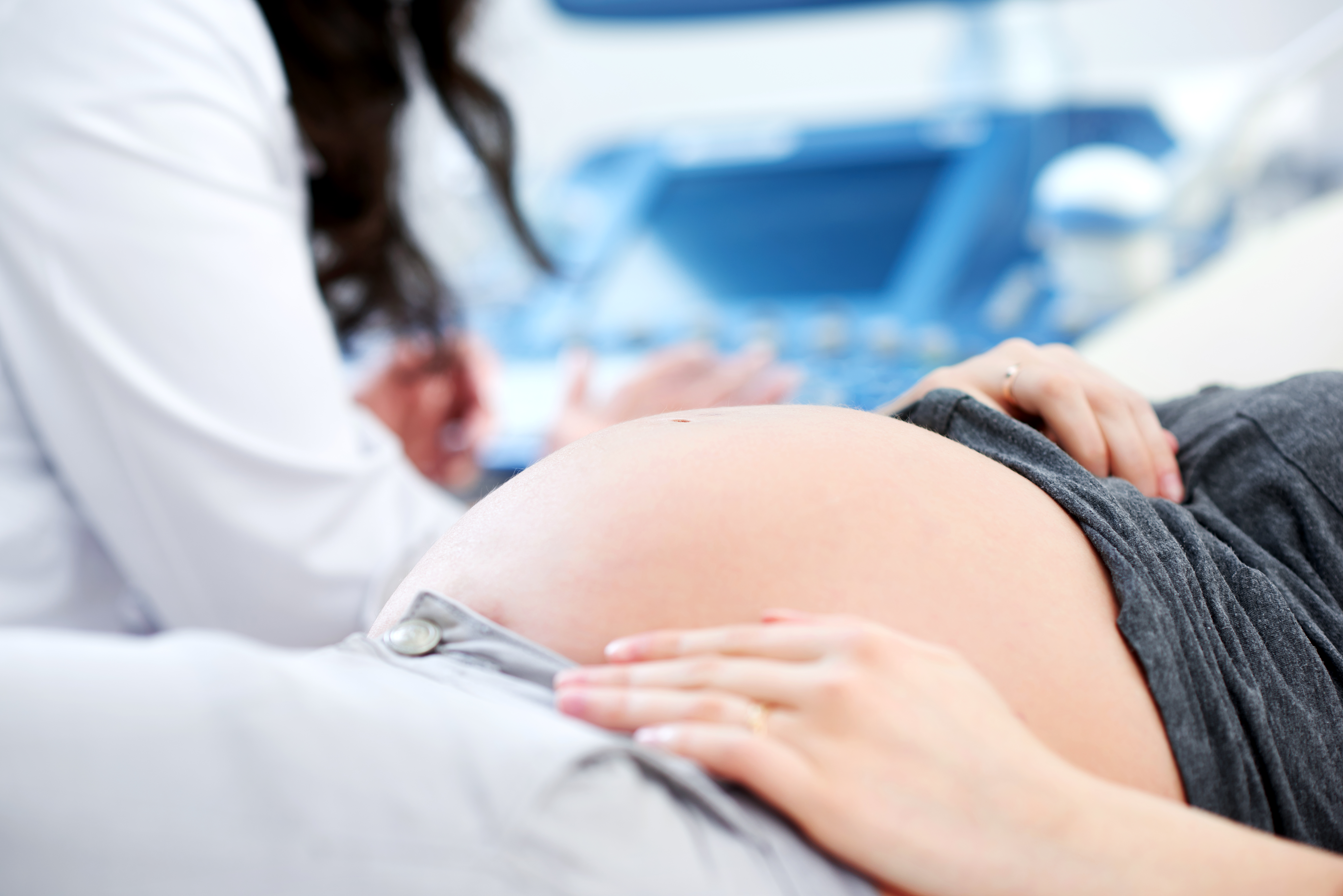
- Ultrasound scans to assess fetal development
- Screening for sleep apnoea if symptomatic or risk factors exist.
- Personalised advice about your pregnancy weight gain.
- Take prescribed supplements
Why is folic acid important? It reduces the risk of neural tube defect. The dose needed will depend on the woman’s risk of having a neural tube defect, and the advice she receives from her doctor. Do not take a high dose unless advised to.
Conclusion
Obesity and pregnancy are related, as a high BMI increases the risk of gestational diabetes, preeclampsia, miscarriage, caesarean section, and some harms to the baby. Though, many women with obesity have healthy pregnancies.
If you are planning a pregnancy or are already pregnant, discuss your personal risk and diet, exercise, and pregnancy weight gain targets with your doctor. You will receive personalised advice and support and have appropriate monitoring during pregnancy.