HSG Test: Meaning, Procedure, Benefits, and Its Role in Fertility Evaluation
Key Points
- The HSG test is an essential X-ray examination that evaluates the female reproductive system, mainly the uterus and the fallopian tubes, in the case of infertility.
- Problems such as blocked fallopian tubes and abnormal uterus structure, which make it difficult for a woman to conceive naturally or have a pregnancy through fertility treatment, can be detected with HSG.
- HSG is generally done during the follicular phase of the menstrual cycle (DAY 7-10) in order to obtain correct results and ensure the woman’s safety.
- Results of the HSG test help decide the next steps of fertility treatment, which can be natural conception, IUI, or IVF.
Introduction
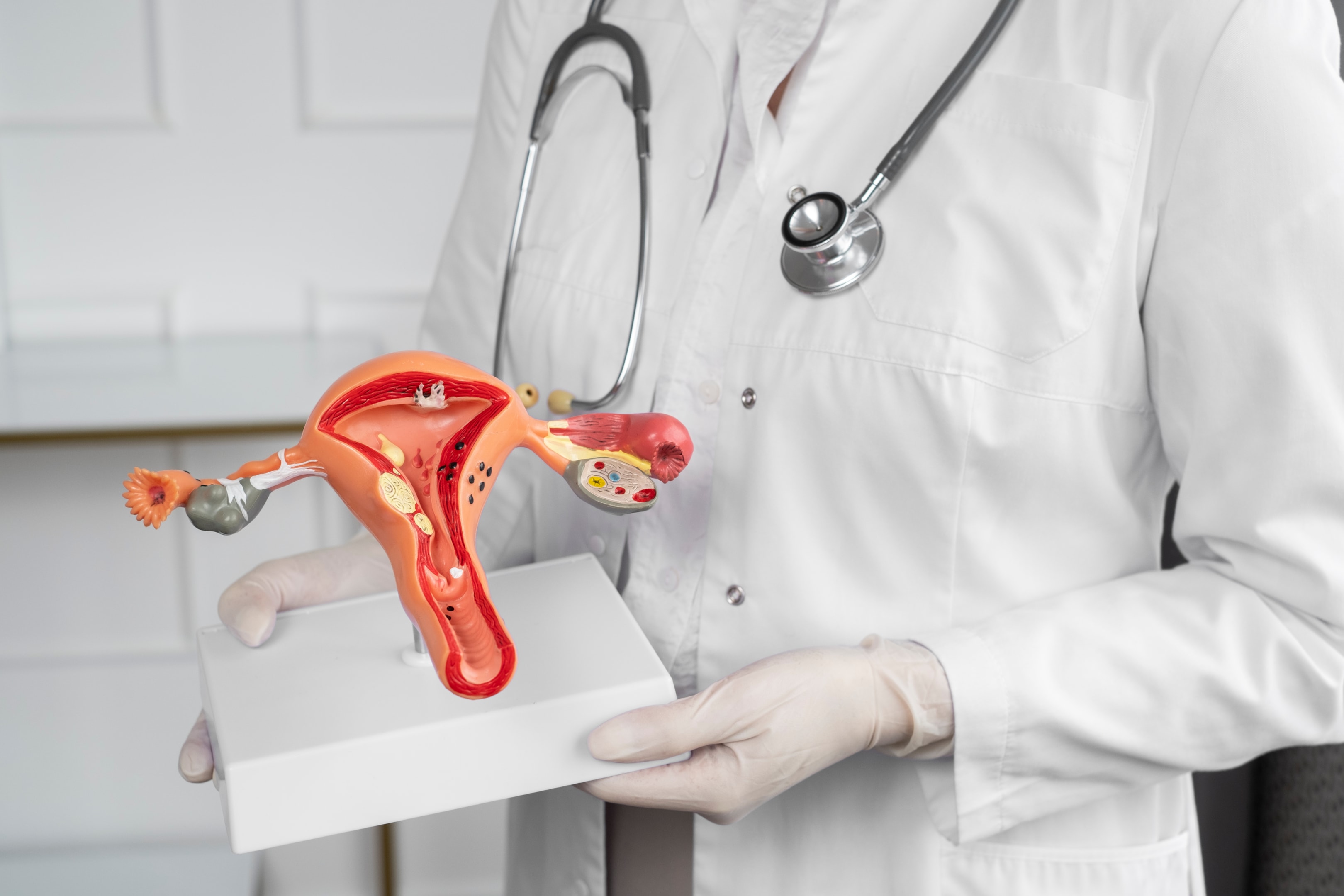
The HSG test is an essential diagnostic test that supports the diagnosis when a woman has difficulty conceiving naturally. This procedure allows the identification of the uterus and fallopian tube structures, which are the main organs for the natural way of pregnancy. Any disorder of the uterus and fallopian tubes can interfere with conception, thus resulting in infertility.
At Zemya IVF & Fertility Clinics, the HSG test is a standard procedure in a fertility evaluation panel, and the doctor frequently prescribes it. It can detect the presence of structural issues clearly and can be used for treatment planning.
What Is an HSG Test?
HSG stands for Hysterosalpingography. It’s a special kind of X-ray that lets doctors see inside the uterus and check if the fallopian tubes are open or blocked. They use a contrast dye and watch how it moves through the uterus and tubes on the X-ray images.
This test helps spot things like unusual shapes in the uterus, blocked tubes, or scarring—basically anything that can get in the way of pregnancy.
What Is HSG Test for Female Fertility?
An HSG test checks if a woman’s fallopian tubes are open, making sure sperm and egg can actually meet. Since fertilisation usually happens in the tubes, they need to be clear—any blockage gets in the way of natural conception.
Doctors usually recommend this test if someone’s struggling to get pregnant for no obvious reason, has had multiple miscarriages, or before starting treatments like IUI or IVF.
Why Is the HSG Test Important?
An HSG test gives doctors a clearer picture of your reproductive health. It helps them figure out what’s behind fertility issues by showing if your uterus and fallopian tubes look normal and if implantation can actually happen.
The test has a few big perks. It catches uterine problems early, spots blocked tubes, and helps doctors map out the right fertility treatment. Sometimes, women even get pregnant soon after the test because their tubes clear up and things start moving again.
When Is the HSG Test Done?
Doctors usually schedule the HSG test early in your cycle, somewhere between day 7 and day 10. They do this to make sure your uterus is clear, and to avoid doing the test if you’re already in the very early stages of pregnancy.
They’ll probably tell you to skip unprotected sex before the test, just to keep things safe and simple.
HSG Test Procedure Explained
This is a straightforward outpatient procedure. The patient lies on an X-ray table while the doctor uses a speculum to see the cervix. Then, a thin catheter goes in, and the doctor slowly injects a contrast dye into the uterus.
X-ray images track the dye as it moves through the uterus and fallopian tubes. The whole thing usually wraps up in about 15 to 30 minutes.
Is the HSG Test Painful?
Everyone feels the HSG test differently. Some women just notice a bit of discomfort, while others get more intense cramping during the procedure. The good news? The pain doesn’t last long—it usually fades soon after the test is over.
Doctors sometimes suggest taking pain relievers beforehand to make things easier.
HSG Test and Pregnancy
Sometimes, women get pregnant naturally after an HSG test. That dye they use can flush out small blockages in the fallopian tubes, which makes it easier to conceive. Still, the test is actually just meant to diagnose problems, not to treat fertility issues.
If pregnancy doesn’t happen on its own, the results from the test point doctors toward the next steps for treatment.
HSG Test for Fertility Treatment Planning
The HSG test really shapes what happens next in fertility care. If your tubes are open and your uterus looks good, doctors often suggest trying naturally or going for IUI. But if they find a blockage, IVF usually comes up as the next option.
At Zemya IVF & Fertility Clinics, they take a close look at your HSG results and build a treatment plan that actually fits your situation.
Who Should Get an HSG Test?
Doctors usually recommend the HSG test for women who’ve been trying to get pregnant for over a year, have irregular periods, a history of pelvic infections, or have had pelvic surgery in the past. It also helps figure out what’s going on with secondary infertility.
Risks and Side Effects of HSG Test
The HSG test is pretty safe. Some women feel a bit of pain, cramping, or notice light spotting afterward. Serious problems, like infection, are rare when a doctor handles the test.
How Zemya IVF & Fertility Clinics Approach HSG Testing
At Zemya IVF & Fertility Clinics, the team puts your comfort and safety first during the HSG test, all while making sure you get a clear and accurate diagnosis. They walk you through everything before the test, so you know what to expect, and then talk through the results with you afterward.
So, what comes next? Most people get back to their usual routine the same day. You might feel some mild cramps for a few hours, but that’s pretty normal. Afterward, the doctors go over your results and let you know if you need more treatment or just some follow-up.
Conclusion
The HSG test gives doctors a clear look at the uterus and fallopian tubes, making it easier to spot fertility problems early on. It picks up blockages or anything unusual, so you can get the right treatment without wasting time.
At Zemya IVF & Fertility Clinics, specialists use the HSG test to help you figure out what’s really going on with your fertility and start planning for a healthy pregnancy. It’s one of those key steps that gets you closer to the answers you need.
FAQs on HSG Test
The HSG test is used to examine the shape of the uterus and to check whether the fallopian tubes are open. It helps identify causes of infertility such as tubal blockage or uterine abnormalities.
Most women experience mild to moderate cramping during the test. The discomfort is temporary and usually subsides shortly after the procedure.
The HSG test is usually done between day 7 and day 10 of the menstrual cycle, after periods have ended and before ovulation occurs.
Yes, some women conceive naturally in the cycles following an HSG test. This may happen due to the flushing effect of the dye improving tubal patency.
The HSG test is generally safe. Minor side effects such as cramping or light spotting may occur. Serious complications are rare.
The procedure usually takes about 15 to 30 minutes and is performed on an outpatient basis.
At Zemya IVF & Fertility Clinics, the HSG test is performed with expert care, accurate imaging, and detailed interpretation to support effective fertility diagnosis and treatment planning.