- Are you trying to conceive and wondering how to get pregnant fast naturally?
- Understanding your menstrual cycle, identifying your fertile window, following a healthy lifestyle, and preparing for pregnancy can help improve your chances of conception.
- Although there is no guaranteed way to get pregnant immediately, a few evidence-based steps can help you make the most of each menstrual cycle.
- In this guide, discover effective tips to get pregnant naturally, the best time to have sex to conceive, fertility-boosting lifestyle habits, foods to support reproductive health, and when to consult a fertility specialist.
Understand Your Fertile Window
One of the most effective ways to increase your chances of getting pregnant naturally is to understand your fertile window. This is the period during your menstrual cycle when sexual intercourse is most likely to result in pregnancy.
Ovulation occurs when an ovary releases an egg. The egg usually remains viable for around 12–24 hours, while sperm can survive in the reproductive tract for up to five days.
Therefore, your fertile window generally includes the five days before ovulation and the day of ovulation. Having intercourse during this time increases the chance that sperm will be present when the egg is released.
When is the best time to get pregnant?
| Menstrual cycle | Estimated ovulation | What to know |
|---|---|---|
| 28-day cycle | Around day 14 | The fertile window may fall around days 9–14 |
| 30-day cycle | Around day 16 | The fertile window may fall around days 11–16 |
| 32-day cycle | Around day 18 | The fertile window may fall around days 13–18 |
These are estimates, not fixed dates. Ovulation varies between women and from one cycle to another. Day 1 is the first day of menstrual bleeding.
Track Ovulation to Improve Your Chances of Conception
Knowing when you ovulate can help you plan intercourse during your most fertile days. Consider these methods:
- Ovulation predictor kits: These urine tests detect a rise in luteinizing hormone (LH), which usually occurs shortly before ovulation.
- Monitor cervical mucus: Around ovulation, vaginal discharge often becomes clearer, slippery, and stretchy, similar to raw egg white.
- Track your menstrual cycle: Record the first day of each period and your usual cycle length. Period-tracking apps can help identify patterns but cannot confirm ovulation.
- Monitor basal body temperature: A slight rise in your resting temperature can indicate that ovulation has occurred. However, this method is generally more useful for identifying patterns retrospectively.
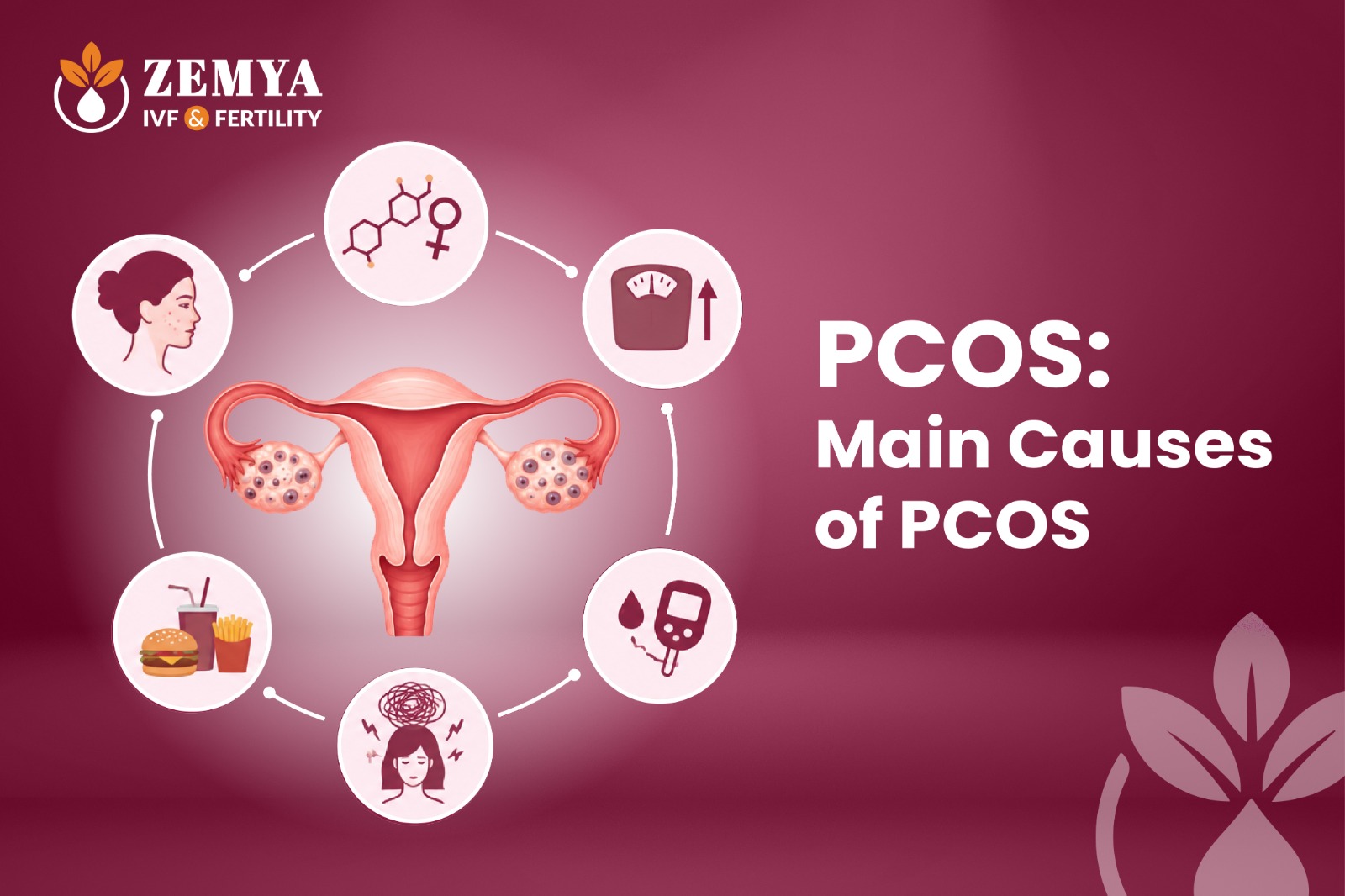
If you have irregular periods or PCOS, predicting ovulation using calendar calculations alone may be difficult. Consider discussing appropriate ovulation tracking with your gynaecologist.
Have Intercourse Regularly During Your Fertile Window
If you want to know how often to have sex to get pregnant, the American Society for Reproductive Medicine recommends intercourse every one to two days during the fertile window to maximise the chances of conception.
However, you do not need to time every encounter perfectly. Having sex every two to three days throughout the menstrual cycle is another practical approach that can help you cover your fertile days without additional pressure.
Keep these tips in mind:
- Aim for regular intercourse rather than relying on one specific day.
- Avoid turning conception into a stressful routine.
- Choose comfortable sexual positions. No particular position has been shown to improve the chances of pregnancy.
- Lying down after sex is not necessary for conception, and semen leaking out afterwards is normal.
Eat a Balanced, Fertility-Supporting Diet
There is no single food that guarantees pregnancy or dramatically increases fertility. However, a balanced diet supports overall health and provides nutrients needed before and during pregnancy.
Include a variety of:
- Fruits and vegetables: Sources of vitamins, minerals, and antioxidants.
- Whole grains: Such as oats, brown rice, and whole-wheat foods.
- Protein-rich foods: Such as lentils, beans, chickpeas, tofu, eggs, and other suitable protein sources.
- Healthy fats: Such as nuts, seeds, and unsaturated vegetable oils.
- Iron-rich foods: Such as legumes, leafy green vegetables, and fortified foods.
- Calcium-rich foods: Such as milk, yoghurt, and suitable fortified alternatives.
For women following a vegetarian diet, combining different plant-based protein sources can help meet daily nutritional needs.
Start Folic Acid Before Pregnancy
If you are trying to conceive, start preparing your body before you become pregnant.
Most women planning pregnancy are advised to take 400 micrograms of folic acid daily, ideally beginning at least one month before conception and continuing through early pregnancy. Folic acid helps reduce the risk of neural tube defects in the developing baby.
Some women may need a higher dose because of specific medical or pregnancy-related risk factors. Consult your healthcare professional before taking a higher dose or combining multiple supplements. Folic acid is important for pregnancy preparation, but it is not a medicine that makes conception happen faster.
Maintain a Healthy Body Weight and Stay Active
Being significantly underweight or overweight can affect ovulation and reproductive health in some women. Excess weight may also affect sperm health in men.
To support fertility naturally:
- Aim for a healthy weight appropriate for your body and medical history.
- Include regular, moderate physical activity, such as walking, cycling, or swimming.
- Avoid excessive exercise that contributes to inadequate nutrition or menstrual irregularities.
- Eat regular, balanced meals rather than following restrictive crash diets.
Small, sustainable changes are generally more helpful than extreme weight-loss plans.
Improve Male Fertility Too
Conception depends on both partners, so male reproductive health matters. Sperm count, movement, and shape can influence the likelihood of fertilisation.
Men can support their reproductive health by:
- Avoiding smoking and recreational drugs.
- Limiting or avoiding alcohol while trying to conceive.
- Eating a balanced diet and maintaining a healthy weight.
- Reviewing medications and supplements with a doctor, especially testosterone or anabolic steroids, which can suppress sperm production.
- Seeking medical advice if there is a history of testicular problems or concerns about sperm health.
If conception takes longer than expected, a semen analysis may help assess male fertility.
Avoid Smoking, Alcohol, and Excessive Caffeine
Lifestyle choices can affect reproductive health and pregnancy outcomes. If you are trying to get pregnant naturally:
- Stop smoking and avoid second-hand smoke.
- Avoid alcohol when trying to conceive, as pregnancy may begin before you know it.
- Keep caffeine intake moderate. A commonly recommended limit during pregnancy is less than 200 mg per day; discuss your intake with your clinician.
- Avoid recreational drugs and unprescribed fertility supplements.
These steps support preconception health, although they cannot guarantee pregnancy.
Manage Stress and Prioritise Sleep
Trying to conceive can be emotionally demanding, particularly when pregnancy does not happen as quickly as expected. Stress management may support your overall well-being, even though reducing stress alone cannot guarantee conception.
Consider gentle activities such as walking, yoga, breathing exercises, spending time with loved ones, and maintaining a consistent sleep routine. Seek emotional support if trying to conceive is affecting your mental health or relationship.
When Should You Consult a Fertility Specialist?
Do not delay an evaluation if you have concerns about your fertility.
| Your situation | When to seek medical advice |
|---|---|
| Under 35 years | After 12 months of regular unprotected intercourse without pregnancy |
| 35–39 years | After 6 months of trying without pregnancy |
| Over 40 years | Consider seeking advice promptly |
| Irregular or absent periods, known PCOS, endometriosis, previous pelvic infection, or suspected male-factor infertility | Seek advice earlier rather than waiting |
A fertility assessment may include a review of menstrual history, ovulation, reproductive health, and semen analysis where appropriate. The recommended tests depend on your individual circumstances.
Conclusion
Getting pregnant fast naturally starts with understanding your fertile window, tracking ovulation, and having regular intercourse. A balanced diet, folic acid supplementation, healthy lifestyle habits, and attention to both partners’ reproductive health can support your journey towards conception.
Remember, pregnancy does not always happen in the first cycle. If you have irregular periods, known fertility concerns, or have been trying without success for the recommended period, consult a fertility specialist to understand your options.