Yes. The risk of chromosomal abnormalities increases with maternal age. This is partly because the quality of human egg cells, as well as chromosome integrity, can deteriorate over time. This doesn’t mean every older woman will conceive an abnormal fertilised egg or give birth to an unhealthy baby, but maternal age remains an important consideration for pregnancy risks, miscarriage, and chromosomal conditions.
By understanding the age and egg quality, combined with chromosomal abnormalities, patients can best choose whether or not they want fertility treatment.
Why Do Chromosomal Abnormalities Increase With Age?
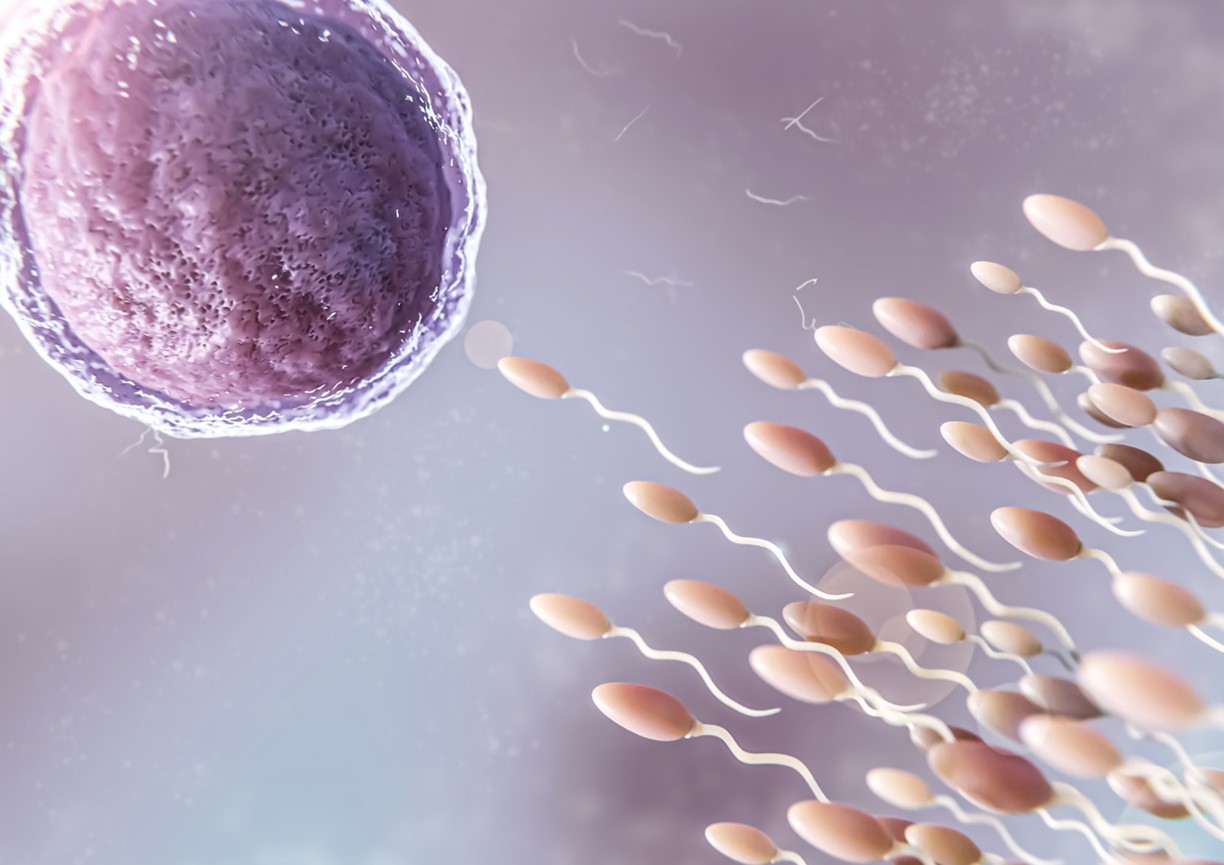
Humans are born with a limited number of eggs, and the number of eggs available for fertilization gradually diminishes with age. Whereas male sperm are produced throughout life, human oocyte number remains in the ovaries for extended periods of time.
Usually, as a woman gets older, there can be changes in the way the mechanisms separate out the chromosomes in the egg while it is developing. This would raise the chances of the embryo getting one more chromosome than it needs, or one fewer.
That is known as chromosomal nondisjunction, and it has been established to be a major cause of chromosome abnormalities in embryos.
Anaphase I: homologs fail to separate.
Nondisjunction occurs during
Meiosis I, Meiosis II
Meiosis I, Meiosis II
Another common chromosome disorder, for instance, is Down syndrome, which usually results in an extra copy of chromosome 21 and is called trisomy 21. Other chromosomal disorders can affect distinct chromosomes and thereby cause problems with growth, affect pregnancy, or cause the baby to be sick.
Maternal Age and Egg Quality
Maternal age is strongly correlated with the decline in egg quality as a mother’s age increases; so does the percentage of eggs and embryos with chromosomal abnormalities.
As a result, many infertility specialists take age into account when determining the cause of infertility and developing a treatment plan. Age can affect many things, including your ability to get pregnant, as well as embryo development, implantation, miscarriage rate, and your overall pregnancy rate.
But age is just a single piece of the fertility puzzle. Ovarian reserve, sperm quality, any underlying medical conditions, lifestyle, and reproductive history can all play a role in fertility and your chances of getting pregnant.
What Happens to Chromosomal Abnormalities During IVF?
The eggs are extracted during an IVF cycle and fertilised with the sperm outside the body. The developed embryos are then observed before being implanted back into the uterus of the woman.
IVF alone will not reduce chromosomal abnormalities. If either egg or sperm is abnormal in the number of chromosomes, the resulting embryo may also be abnormal.
As a result, some patients may bring up PGT with their reproductive endocrinologist.
What Is PGT-A?
Preimplantation genetic testing for aneuploidy (PGT-A): PGT-A assesses an embryo’s chromosomes for numerical abnormalities before embryo transfer. It can be used to identify those with a full chromosome abnormality and can aid the fertility specialist in selecting the best ones in some cases.
PGT-A has previously been known as preimplantation genetic screening, or PGS.
PGT-A is a screening test, NOT a guarantee you will deliver a healthy baby. PGT-A does NOT test for every problem that may affect your results.
Does Age Affect IVF Success Rates?
Age may affect IVF pregnancy success as egg quality becomes a relatively important factor as women get older.
Much of the impact of age on the success of IVF comes through the effect of age on the characteristics of embryos. With younger women, a larger percentage of the embryos are chromosomally normal. At an older age, embryonic chromosomal abnormality is more common.
But everyone may respond differently. For example, two women of the same age can have vastly different ovarian reserves, egg quality, embryo quality, and responses to treatment.
A fertility specialist might recommend ovarian reserve testing and other screening in advance of prescribing any particular IVF treatment plan.
Does PGT-A Guarantee a Successful Pregnancy?
N0. PGT-A can give you a picture of the chromosomes present in your embryo, but it doesn’t mean that you will have a healthy or successful pregnancy or birth.
Pregnancy is influenced by a number of factors: embryo quality, the uterine environment, endometrial receptivity, sperm factors, health of the mother, and medical conditions.
A chromosomally normal embryo via PGT-A does not ensure a pregnancy.
It helps to consult with your fertility specialist about the benefits, limits, and implications of a genetic screen before treatment.
Age and Pregnancy Risks
Existing reasons other than chromosomal abnormality: there are some complications of pregnancy, which will probably occur at an increased rate in pregnancy at advanced maternal age.
May or May Not Be Present as a Function of the presence of Other Diseases of pregnancy and the Condition of the individual (increased risk of pregnancy, with or without associated health issues). Some specific harms include: increased risk of miscarriage, gestational diabetes, hypertension, preterm delivery, and other pregnancy-related concerns.
There may be some variation in the weight of the baby at birth and a higher risk of low birth weight in some groups.
These risks do not indicate that a woman cannot have a healthy pregnancy. Monitoring, control of disease, screening, and well-coordinated ante-natal care can prevent many risks in pregnancy.
What About Sperm and Parental Origin?
Either parent can contribute to chromosomal abnormalities, but the correlation of maternal age to the development of embryo chromosome-number abnormality is strongly established.
The quality of sperm also varies with age, and age of the male is linked to some reproductive and genetic issues. For that, all the details should be gathered from both partners rather than just the woman.
Fresh Cycle Embryo Transfer vs Delayed Frozen Embryo Transfer
Questions from our patients: Is there any difference between fresh cycle embryo transfer and frozen/ frozen embryo transfer (meaning delaying transferring the embryo) for risk of chromosomal abnormality?
Does freezing and transferring an embryo at a later date fix a chromosomal abnormality? Freezing does not resolve a chromosomal abnormality in an embryo. If the embryo has a chromosomal abnormality, freezing and later transferring it will not address the chromosomal abnormality.
Delay in transfer may well be indicated for other clinical reasons, the decision hinging on individual circumstances and degree of response to treatment.
including patients with ovarian stimulation who are at risk for ovarian hyperstimulation syndrome (OHSS). Embryo freezing can be recommended in select cases when it may be more advantageous to transfer these embryos in a subsequent transfer, when the ovaries and hormonal milieu have time to recover.
Can Chromosomal Abnormalities Be Prevented?
There is no way to stop age-related chromosomal changes happening to eggs. Living a healthy lifestyle and managing medical conditions correctly may help to improve a woman’s chance of conceiving, but it won’t turn back the biological age of the ovaries.
Which are recommended for patients receiving IVF may include embryo testing, according to age, reproductive history, infertility diagnosis, and the speed of the therapy.
The Bottom Line
So, does the probability of chromosomal abnormality increase as you get older? Well, mostly yes, it seems to do. But in our very brief review, we found that there is a tendency for the odds to go up with the age of the mother, mostly because human oocytes undergo age-related alterations that might cause more chromosomal segregation errors.
This can also result in diseases like Down syndrome, premature loss of pregnancy, and other chromosome disorders. Still, age does not determine one’s final result. A lot of elderly women carry out healthy and balanced pregnancies and have healthy placentas.
You are considering a pregnancy or IVF after a fertility assessment has been carried out by a fertility specialist, including a discussion on the range of genetic screening tests available and which ones may be recommended in your case. The emphasis is not only on age but on your overall clinical picture and the treatment plan.