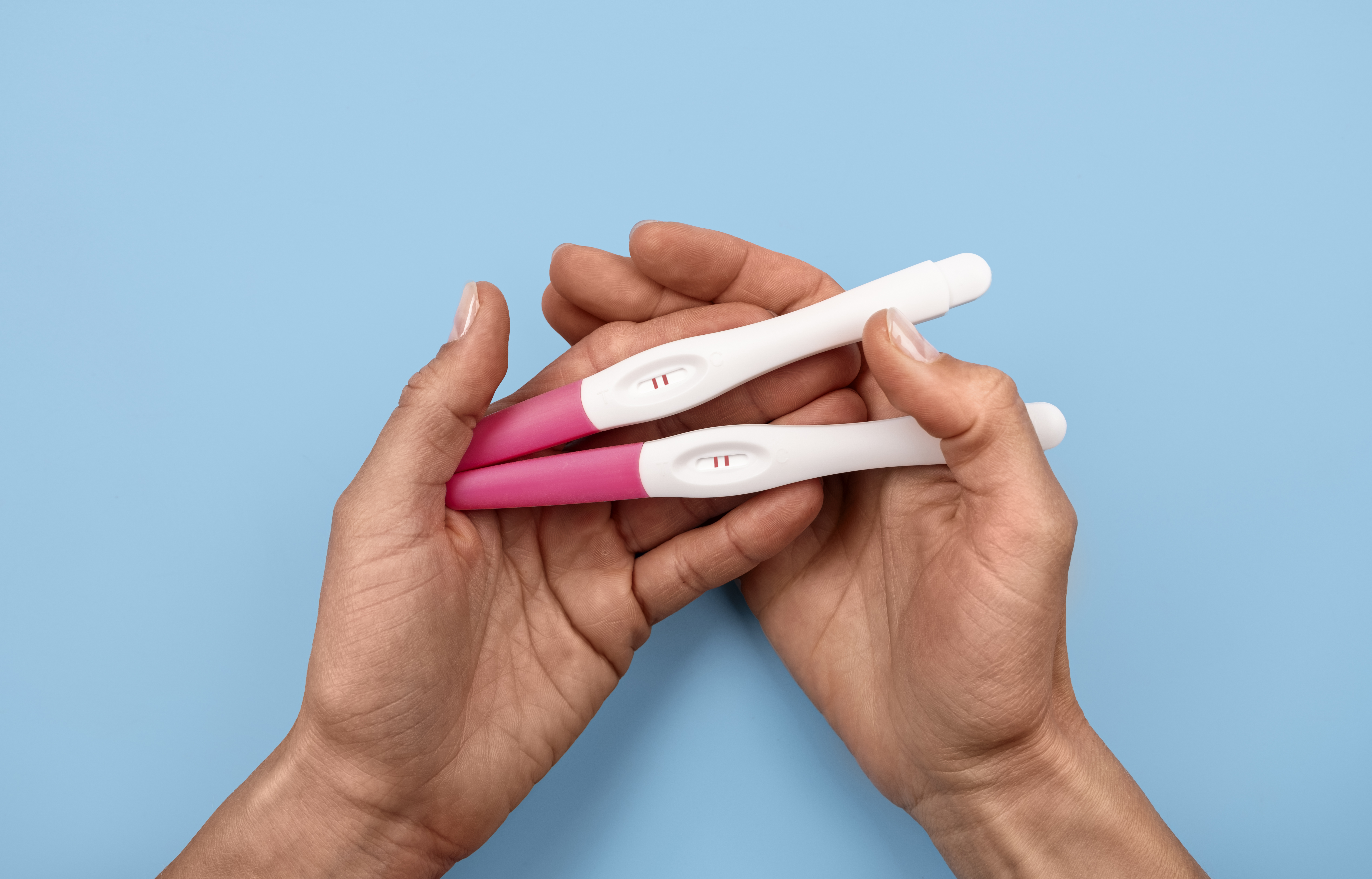
Seeking a consultation with a fertility specialist is one of the most advanced things you could do toward conception. If you are dealing with primary infertility (if this is your first conception) or secondary infertility (infertility after having a conception), it is natural to be nervous before your first appointment.
Entering the realm of assisted reproductive technology and reproductive medicine can be intimidating. But by being well-prepared, you can convert ambiguity into an effective plan of action. To assist you in your first visit to a reputable fertility center, we have compiled a checklist of effective tips from 13 authorities.
1. Gather Your Comprehensive Medical History
What will your fertility doctor want to know about your partner? Your partner’s doctor will want to see a full account of any health issues, including past surgical procedures, any long-term illnesses, problems that are related to hormone imbalances, or other therapies. Any problems from cancer treatments like radiotherapy or chemotherapy, or any surgeries like tubal ligation, should also be brought to the consultation, as these are directly relevant.
2. Document Your Menstrual Cycles and Ovulation Patterns
For women, recording menstrual cycles is a window into individual women’s health and the likelihood of having enough ova for conception. Make a log of the length of menstrual cycles, irregular bleeding patterns, and use of an ovulation predictor kit. Accounting for discrepancies may clarify whether or not a woman suffers from a disorder like PCOS.
3. Map Out Both Male and Female Reproductive Health Backgrounds
Infertility is a journey that is shared equally; infertility is identified in one-third of both males and females; the third may be a combination of both or unknown.
Women: have an explanation for some of the common female factors such as fibroids, pelvic inflammatory disease, endometriosis, and blocked tubes due to scar tissue.
Male Factors: The male component can be equally problematic, and you should be familiar with these topics: sperm production, sperm quality, oligospermia, abnormal sperm function, enlarged veins in the scrotum (varicoceles), and erectile dysfunction.
4. Compile a Complete List of Current Medications and Supplements
Record all prescription drugs, over-the-counter medications, and dietary supplements being taken. Certain drugs may have agents that could influence reproductive hormones, sperm production, or egg development in this cycle.
5. Be Ready for an Honest Discussion About Lifestyle Factors
Your environment and lifestyle can help you with fertility success. Your specialist for IVF may ask questions about what you eat every day, your stress level, whether or not you get any exercise, and how much contact you have with environmental toxins. If you do drink alcohol, take recreational drugs, or smoke, please be truthful; it can have a big effect on the quality of your eggs and sperm.
6. Detail Your Sexual History and Trying-To-Conceive Timeline
Get ready for a handful of questions about your and your partner’s sexual history, including how long you’ve been infertile, how long you’ve been having unprotected sex, the frequency of intercourse, and whether you and your partner utilize apps, calendars, or any other tools to time ovulation.
7. Prepare mentally for Diagnostic Blood Tests and Imaging
Your first visit usually includes baseline diagnostic screening to assess your reproductive health.
| Diagnostic Test | Primary Clinical Purpose | Key Biological Indicators Evaluated |
| Hormonal Blood Tests | Assess endocrine function | FSH, LH, Estradiol, Progesterone, AMH |
| Transvaginal Ultrasound | Evaluate pelvic anatomy | Antral Follicle Count (AFC), uterine lining |
| Semen Analysis | Evaluate male factor fertility | Sperm count, motility, morphology |
| HSG / Sonohysterogram | Inspect internal structures | Patency of fallopian tubes, uterine cavity |
Expect a basic physical or pelvic exam and scheduling for a transvaginal ultrasound to evaluate your ovaries and uterine lining.
8. Formulate a List of Infertility FAQs to Ask Your Specialist
Write all of your questions in advance, so you won’t overlook anything during the appointment. Be prepared to ask questions like:
Which investigations do we both need now?
Am I suggesting that my symptoms have been due to poor egg quality? Could there be an anatomical or structural problem?
How can you assess the IVF success rate benchmarks for my patient group?
Are there any contraindications or risks linked to suggested treatments for infertility?
9. Understand the Mechanics of the IVF Process Work
Should your treatment progress ultimately to IVF (In-Vitro Fertilization), understanding what is involved in an IVF cycle can help to allay concerns. An IVF cycle generally involves:
1. Ovarian Stimulation:10-12 Days.
Hormone injections promote various eggs’ maturation through the stimulation of the ovaries. Actually, the ovaries have to recruit and mature several follicles instead of a single one under natural conditions.
2. Egg Collection procedure:14th day.
A procedure performed on the immature egg is obtained from the ovarian follicles under light anaesthesia.
3. Fertilisation & Embryo Culture: Days 14-19.
Once the eggs are fertilized with sperm in vitro, a fertilized egg is produced. This fertilized egg is then cultured to the blastocyst stage.
Embryo Transfer, 19+ days (or frozen embryos).
Only via intrafallopian transfer, or intrauterine transfer once placed directly inside the uterus through a healthy blastocyst, can a successful pregnancy happen.
10. Learn About Advanced Reproductive Technologies
Modern reproductive technologies have addressed the complex diagnostic dilemmas. Explore the more sophisticated laboratory procedures (i.e., from your IVF centre team):
Preimplantation Genetic Diagnosis (PGD): Screening of an embryo for a particular gene mutation and/or chromosomal abnormalities before transfer.
Assisted Hatching: intentionally creating a small “window” in the zona pellucida (layer surrounding the embryo) to facilitate hatching.
Donor eggs or sperm: opt for a donor in case of extreme egg or sperm factor problems (Eggs or sperm problems).
11. Clarify Treatment Costs, Packages, and Financial Options
Getting through the financial aspect of your IVF journey is a part of it. Request the financial counselor at the fertility center to provide you with detailed information on treatment packages, diagnostic costs, medication prices, and the payment schedules. There are surprises in the cost of treatment when things are unexpected, so being aware of what you will pay out of pocket up front is preferable.
12. Bring Your Partner or a Supportive Companion
If you can bring your partner to your first consultation, do. Infertility affects both partners, psychologically and biologically, so it’s invaluable to have both there to provide comprehensive medical histories and understand subsequent clinical protocols.
13. Maintain Realistic Expectations and Patience
Getting pregnant is often a gradual process that calls for ruling out what is not the problem. Determining the precise reasons for your infertility involves time. Think of your first visit as the start of a relationship with your clinical team- a relationship that will be based on in-depth evaluation, respect, and personalized treatment.
Taking Your First Step Toward Successful Parenthood
Infertility can be a lonely road, but you don’t have to walk it alone. With the new advances in assisted reproductive technology and individualised care, millions of infertile couples have become parents. Gather your records and questions, choose a reputable IVF clinic, and take charge of your future.