- Your Cycle is Speaking to You: Your period is your body’s “fifth vital sign.” An inconsistent cycle or altered flow pattern is telling you that your reproductive hormones may not be in balance.
- The “Hidden” Condition: Issues such as PID or blocked fallopian tubes usually have no external symptoms unless you are trying to conceive. Testing is needed to identify these problems at their earliest stages.
- Preparation Trumps Prevention: It is not necessary to have been trying for one year without success before visiting a fertility expert if you suffer from PCOS or any other pre-existing medical condition.
- Comprehensive Approach: The clinical considerations are foremost, but your general lifestyle habits, from diet and weight management to stress and exercise routines, play a direct role in ovulation and women’s fertility.
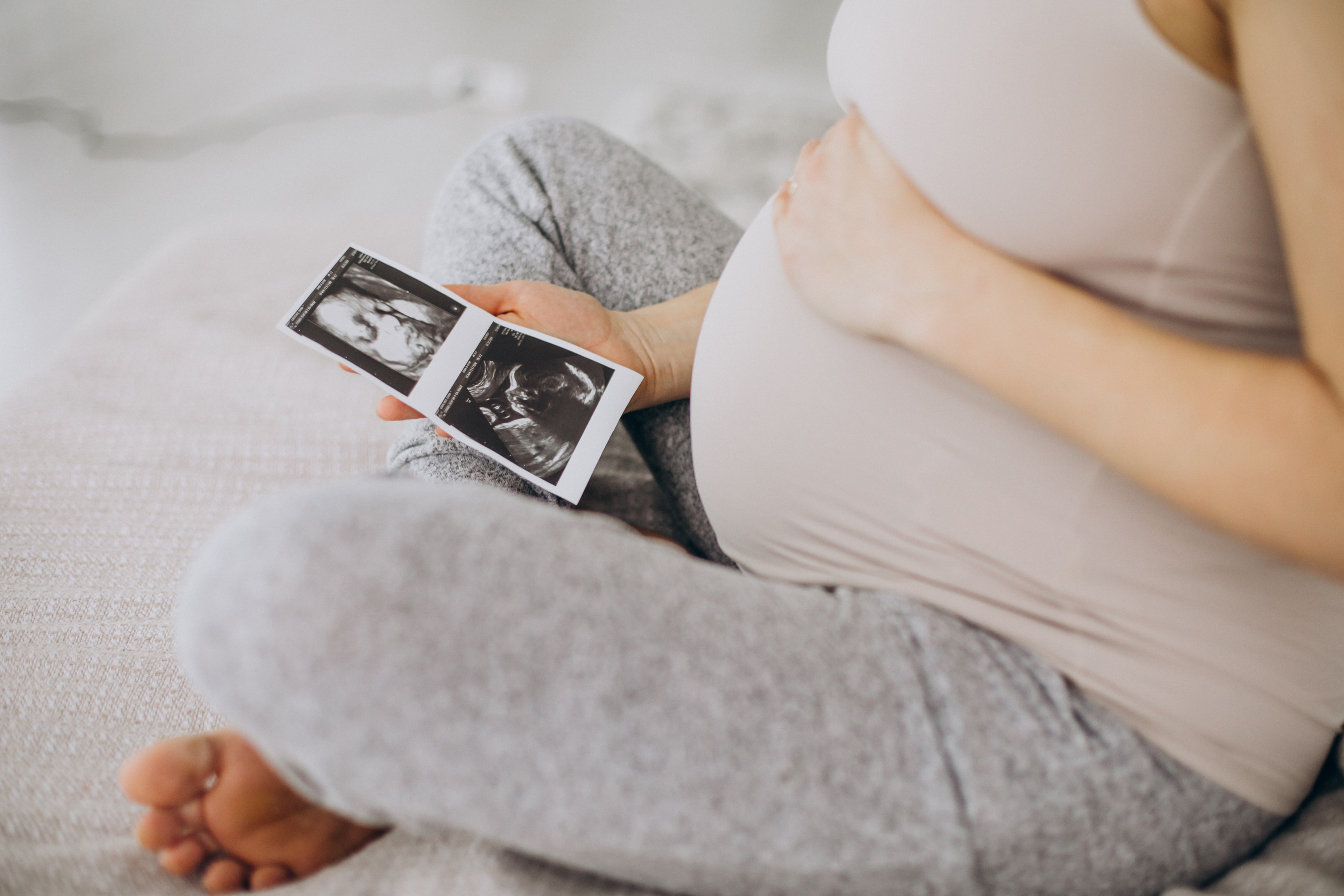
The goal of becoming a parent may be an important milestone in the path of living. But if you have not become pregnant after engaging in unprotected sexual activities for one year (six months for individuals above 35 years), you should know the signs of infertility in women and seek professional help.
Zemya IVF & Fertility Clinics, the best IVF center in Delhi, believes that education is the key to parenthood. Although female infertility symptoms can be vague or even silent, it is always good to acknowledge their presence.
What Defines Infertility?
Infertility in general is divided into two types:
Primary infertility refers to a situation where a woman has never been pregnant and fails to conceive after having regular unprotected intercourse for one year.
Secondary infertility means that a woman has been pregnant at least once in the past and had a baby, but now is experiencing difficulty with conceiving.
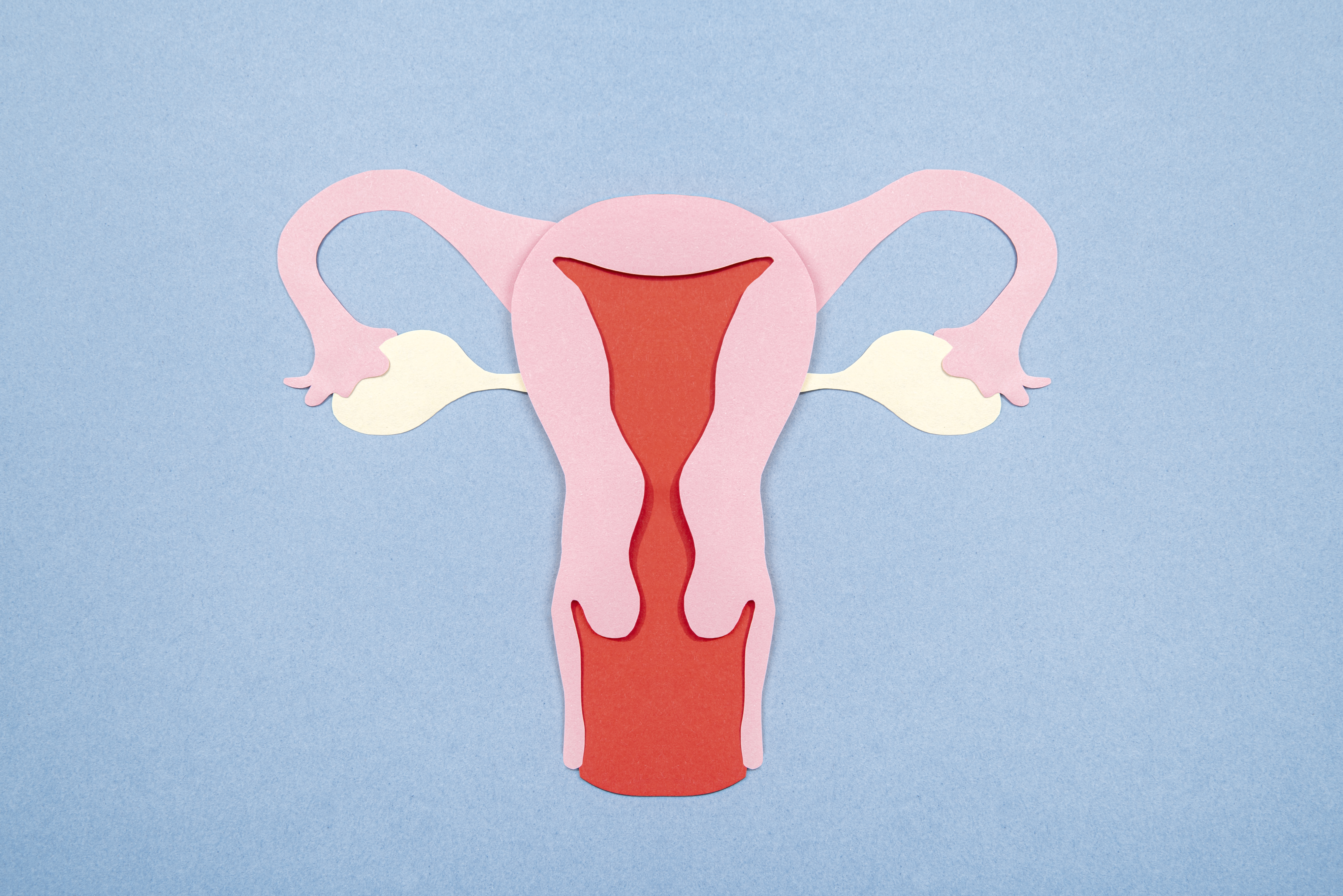
Both types of infertility, primary and secondary, are mostly caused by various issues within the female reproductive system. These may be hormonal disorders or also include anatomical anomalies of the reproductive organs.
The Most Common Symptoms of Infertility in Women
A lot of women believe that infertility comes with clear and visible symptoms. However, infertility symptoms in women usually come in the form of minor disruptions in the menstrual cycle or physical signs that are easy to overlook.
Read More: Conceiving: A Guide for Pregnancy
Irregular or Missed Menstruation
The menstrual cycle is one of the biggest indicators of fertility. If you have an irregular cycle where there’s an unpredictable amount of time between each period, or irregular or missed menstruation, then ovulation problems might be to blame. When you’re not ovulating normally, then no fertilized egg can make its way down the fallopian tube.
Painful or Excessive Menstrual Flow
Cramps are part and parcel of a woman’s monthly period, but excessive pain during your period, as well as extremely heavy menstruation, could be because of uterine fibroids or endometriosis.
Chronic Pelvic Pain
Persistent pelvic pain that is not connected with menstruation may mean you have PID or pelvic inflammatory disease. PID is commonly a result of undiagnosed and/or untreated STIs and may cause obstruction of the fallopian tubes or tubal factor infertility.
Hormonal Changes
Your reproductive system hormones affect every step of the reproductive process. Indicators of hormone imbalance are the following:
- Change in skin condition: Acne breakouts suddenly appear.
- Hair changes: Abnormal amounts of facial or chest hair (hirsutism).
- Weight gain: Usually related to PCOS syndrome (polycystic ovarian syndrome).
- Hair loss: May indicate an underlying thyroid problem.
Common Causes of Female Infertility
Polycystic ovary syndrome (PCOS)
Polycystic ovary syndrome (PCOS) is the main cause of female infertility.
In PCOS, the ovaries produce more male hormones (androgens) than usual, which interfere with ovulation and result in irregular periods. Ovulation Disorders
In addition to PCOS, hypothalamic dysfunction (a condition resulting from high stress or heavy exercise) and thyroid disease can interfere with the signals required for normal ovulation
Diminished Ovarian Reserve & Premature Menopause
Premature ovarian insufficiency (POI), which may also be referred to as primary ovarian insufficiency (POI), is a condition where the ovaries fail before a woman reaches age 40 years old. The result is premature menopause symptoms such as hot flashes.
Obstruction
Fallopian tube obstruction makes it impossible for the sperm to reach the egg. Pelvic inflammatory disease, past surgery, or an ectopic pregnancy may be behind it.
Lifestyle Factors and Medical Conditions
The environment you live in and the habits you develop significantly affect women’s health. Some lifestyle choices can adversely impact fertility:
Weight: It is important to note that both being underweight and having a BMI in the obese range lead to the disruption of reproductive hormones. One needs to maintain a healthy weight to be able to ovulate normally.
Autoimmune Disorders: The immune system, in some autoimmune cases, may consider the reproductive system or eggs as the enemy and attack them.
Age: Age-related infertility is an inevitable fact of life as the numbers and quality of eggs decline when a woman reaches her mid-30s.
Visiting a Fertility Specialist
The moment you start noticing infertility symptoms, it’s high time you visited a fertility specialist. Our experts at Zemya IVF & Fertility Centre use state-of-the-art techniques such as blood work to measure hormone levels and other diagnostic tools that help examine the reproductive organs.
Take note of your symptoms. An early diagnosis of infertility is key to successful treatment of infertility.
Advanced Treatment Options at Zemya IVF
A large number of infertility treatments may be employed by using assisted reproductive technologies (ART) after the diagnosis is made:
- Fertility Medications: This is generally the first step to manipulate ovulation and help the release of the healthiest eggs.
- Intrauterine Insemination (IUI): This is the process of putting the sperm straight inside the uterus at the time of ovulation.
- In Vitro Fertilization (IVF): In vitro fertilization includes the process of egg retrieval and fertilization in the laboratory. The technique of in vitro fertilization is ideal for treating infertility issues related to the fallopian tubes or male infertility (low sperm count).
- Assisted Reproduction Technology: Like intracytoplasmic sperm injection, egg freezing, and blastocyst culture.Despite concerns such as ovarian hyperstimulation syndrome, assisted reproduction technology has made all these processes safe at the best IVF center in Delhi.
Conclusion
Identifying the signs of infertility among women should not be done out of fear but through fertility knowledge. Irregular cycles, hormonal imbalances, or even failing to conceive for a year without contraception can all be treated.
Our specialists at Zemya IVF & Fertility Clinics will provide you with scientific and emotional support to guide you through your fertility problems. Be it the diagnosis of primary ovarian insufficiency or in vitro fertilization, our professionals are always there for you.
Your path to becoming a parent begins with one talk. Reach out to Zemya IVF & Fertility Clinics now for the most effective IVF facility in Delhi.