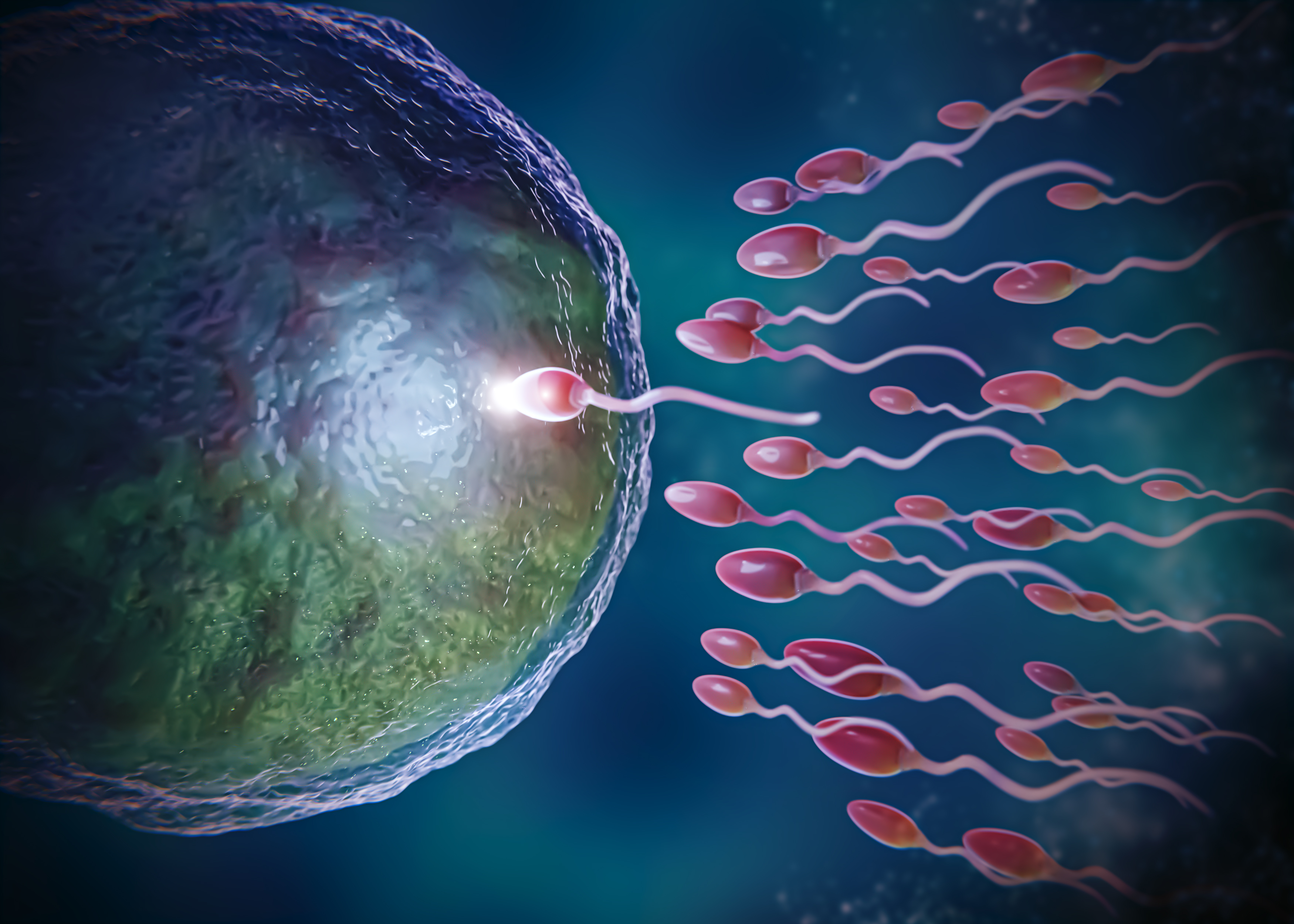
- Low sperm count does not generally show any physical symptoms; difficulty conceiving is generally the only major sign.
- The conventional semen test offers definite and quick results for count, motility, and morphology.
- Making basic changes concerning heat management, staying within healthy weight ranges, and avoiding environmental poisons will help boost sperm count.
- Despite having an extremely low sperm count, assisted reproductive techniques are available today to make biological parenthood achievable.
When couples have difficulty conceiving, their attention often shifts toward female factors involved in reproductive health. But having a baby is not a task carried out by one person. According to statistics, about 50% of cases of infertility involve male infertility issues, such as a low sperm count, which is among the common causes. Being aware of the symptoms and when you should consult a doctor will help make conception easier for you.
We at Zemya IVF & Fertility Clinics, considered the Best IVF Centre in Delhi, place a lot of emphasis on a holistic approach to reproductive medicine. Our team of experts takes great care in educating men about sperm health and making sure that both partners get a thorough evaluation for a successful pregnancy.
What is a Low Sperm Count?
Medically speaking, a low sperm count, which is also known as oligospermia, is when the sperm count in the semen is less than the typical or average number after ejaculation during orgasm.
Typically, a healthy or normal sperm count falls within the range of 15 million sperm per milliliter to more than 200 million sperm per milliliter of semen. When sperm analysis shows that a man’s sperm count is less than 15 million sperm per milliliter, doctors consider him to have low sperm parameters. Though just a single sperm cell is indeed required to fertilize an egg, a low concentration means that there is less likelihood for a viable sperm to navigate its way to the egg.
The Primary Symptoms of Low Sperm Count
The biggest frustration about this illness is that a low sperm count (lower sperm production), as a secret, does not give rise to any unsuspected symptom for almost all men except that they can’t have a baby. In fact, men with a low sperm level and semen volume usually enjoy completely healthy lives, have a normal sex drive, and don’t see anything strange or distinguishable about their ejaculation.
On the contrary, when a low sperm count is linked to a medical problem, whether structural, hormonal imbalance, or even an inherited disease, there will be additional signs.
1. Sexual Dysfunction
Dysfunction in the area of sexual life could serve as direct evidence of changes in the reproductive system. These may be:
Impotence: Being unable to achieve and maintain erections necessary for sex.
A drop in libido or reduced interest in sexual intercourse.
Swelling, pain, or any abnormal lumps in one or both testicles.
2. Hormone levels and Physical Changes
Since sperm production is very dependent on specific hormone concentrations, serious hormonal imbalances may be accompanied by evident physical changes, such as:
Reduction in facial or body hair, which may be a sign of low testosterone.
Unusual breast growth (gynecomastia).
What Affects Sperm Production? Underlying Causes
The human body requires a balanced biological axis made up of the hypothalamus, the pituitary gland, and the testicles to enable proper sperm production. Anything that goes wrong in any part of this chain reduces sperm count.
- Conditions: Diseases such as frequent urinary tract infections (UTI) and sexually transmitted infections may lead to scarring of the passages that the sperm needs to go through. Conditions such as undescended testes during childhood and retrograde ejaculation, in which the semen moves backward into the bladder instead of the penis expelling it, drastically decrease the number of sperm.
- Genetic disorders: Some conditions such as cystic fibrosis or Klinefelter’s Syndrome, have the ability to transform the entire body to affect the formation and management of sperm.
- Environmentally induced risks: Overexposure to heat is highly detrimental to sperm production. This is why the testicles are located outside the body so their temperature can be kept a little lower than the rest of the core. Getting into a sauna, hot tub, or wearing very tight underwear regularly could increase testicular temperature and reduce sperm production. Besides that, contact with industrial chemicals or heavy metals can also injure cells permanently.
Diagnostic Testing
If you exhibit any of the aforementioned symptoms or have experienced a year of unprotected sex without conception, then seeking help from a health care provider or fertility expert is a must.
Diagnosis will entail an assessment of your health background, followed by specific tests for:
- Semen analysis is the foundation of diagnostic care. You will be asked to provide a semen sample in a sterile environment. These include the overall volume of the semen, sperm motility (ability of sperm to move), and the quality of the semen in general.Blood Tests: These tests assist in checking the levels of hormones to rule out any possible issues with the endocrine system, which may affect the production of sperm.
Improving Sperm Count and Quality
Fortunately, making certain lifestyle changes, taking drugs, or using assisted reproductive technology can easily treat or reverse most low sperm count conditions.
1. Natural Lifestyle Changes
Minor tweaks to everyday habits can have a great positive impact on a man’s semen characteristics:
- Stay in good shape: Being obese causes the disruption of one’s hormones. That means, a healthy diet which includes lean meats, antioxidants, and zinc can greatly help the increase of sperm count.
- Quit Bad Habits: Smoking, excessive alcohol consumption, and recreational drug use, including anabolic steroid use, will reduce sperm function significantly.
- Manage Stress: Stress generates cortisol that blocks the release of hormones necessary for healthy sperm production.
2. Clinical Treatments and Assisted Reproductive Technologies
If changing one’s lifestyle does not lead to a desired result, then a set of modern assisted reproductive techniques will work to a very large extent:
- Hormone Therapy: Drugs that really try to safely regulate testosterone and gonadotropin levels in cases of deficiency.
- Minor Outpatient Surgery: Surgeons open structural blockages or remove a varicocele (enlarged veins in the scrotum), which is responsible for excessive heat.
- Intrauterine Insemination (IUI): This treatment involves injecting a sperm concentration directly into the uterus at the time of ovulation.
- In Vitro Fertilization (IVF) with ICSI: Doctors perform this procedure in cases of extreme severity when combined with IVF. This technique involves selecting only the best sperm, which they inject directly into the harvested egg through a process that eliminates all obstacles to conception.