- Pregnancy is counted from the first day of the last menstrual period and takes around forty weeks through three trimesters
- The first trimester lasts from week one to week twelve, this being the crucial period when organs and body systems develop
- Week five and six see the formation of the neural tube, the precursor to the brain and spinal cord; thus, folic acid is important before conception and during this time
- The second trimester starts from week thirteen onwards – morning sickness subsides, and fetal movement is experienced
- Week twenty-seven to forty mark the third trimester and revolve around gaining weight and developing body systems for childbirth
Pregnancy is indeed a fascinating process that lasts 40 weeks and is divided into three trimesters, each of which involves the transformation of a single fertilized egg into an infant ready to be born. It is important to learn what happens during each week of pregnancy to develop a connection with your growing baby and understand what you can expect at each stage. Zemya IVF & Fertility Clinics is one of the most reputable IVF Centres in Delhi and Fertility Clinics in Delhi.
How Pregnancy Is Measured
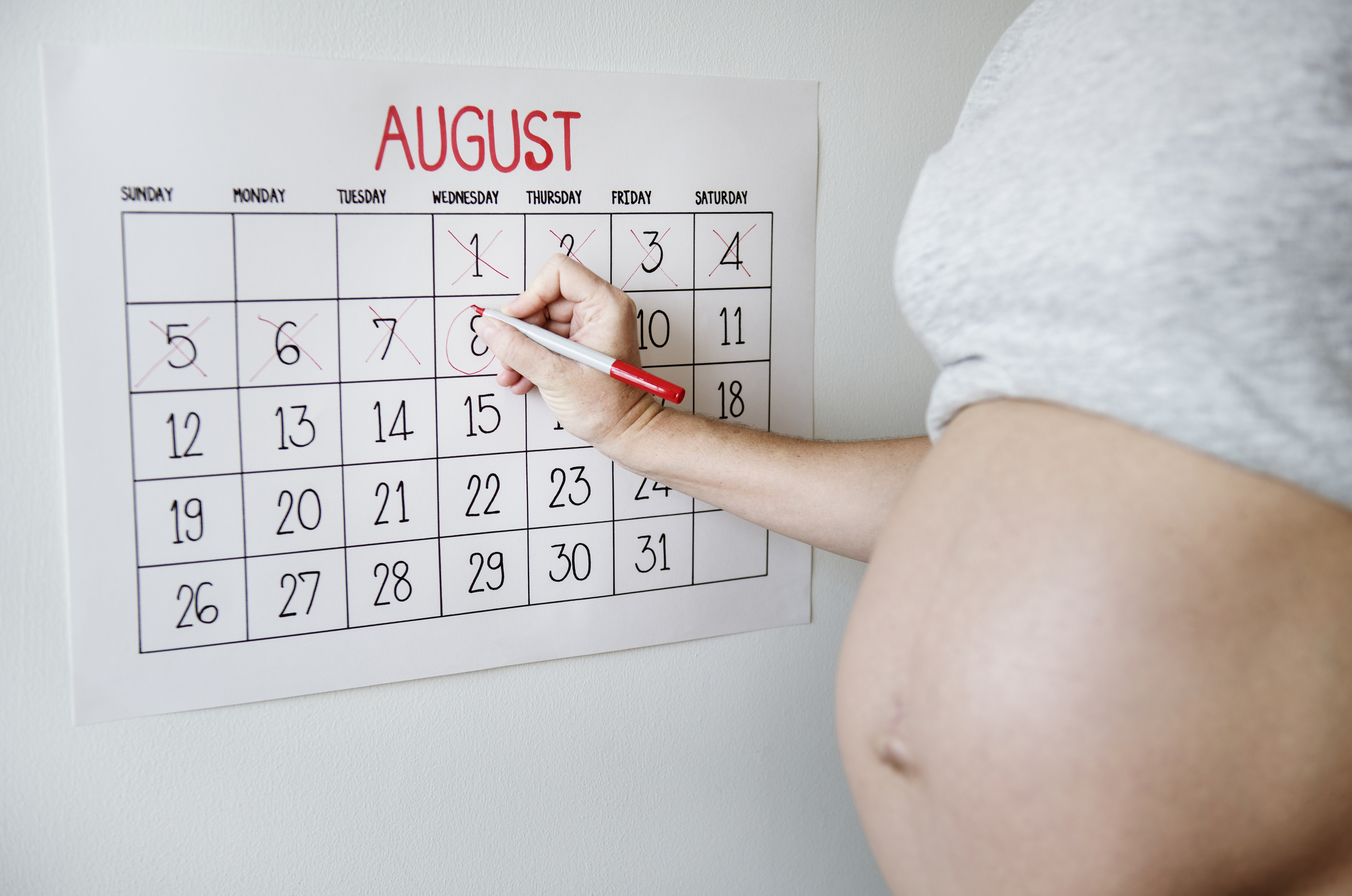
Pregnancy is counted from the first day of your last menstrual period, not from the time of conception. So when a missed period does indicate pregnancy, a woman is about four weeks pregnant already. The due date is set as forty weeks from the last menstrual period, producing a gestational age that doctors utilize for tracking the baby’s milestones during all three trimesters.
A full-term pregnancy means anywhere from thirty-seven to forty-two weeks. It is common for babies to be delivered within two weeks of their due date; however, babies born between thirty-seven and forty weeks are considered full term and have the best outcomes. Premature babies born before thirty-seven weeks have a greater risk of health problems linked to their early birth.
Read More: 30 Days Menstrual Cycle Ovulation: Your Fertile Window
First Trimester: Weeks 1 to 12
The first trimester is crucial because everything starts from that time, when all the fundamental systems of the human body develop.
Weeks 1 & 2
This is a period when menstruation takes place, and the female organism gets ready for ovulation. At this stage, there is no fertilization. The period of gestation starts counting from the day of the previous menstrual period.
Week 3 Fertilisation
It is the union of a sperm and an egg in the fallopian tube called fertilization. The fertilised egg travels down the fallopian tube to the uterus during the next few days, dividing rapidly and becoming a mass of cells. This is when conception happens.
Week 4
The fertilised egg arrives at the uterus and attaches to the uterine lining during a process called implantation. The amniotic sac starts to surround the embryo, and the placenta forms to supply nutrients and oxygen during the pregnancy. Around this time, a home pregnancy test will normally give a positive result.
Week 5
Development is progressing quickly. The beginning of the formation of the neural tube, where the brain and spinal cord will develop, occurs. The development of the central nervous system and heart is one of the first steps in the development of the fetus. Early signs of pregnancy, such as nausea, exhaustion, and tender breasts, usually occur during this week due to high levels of pregnancy hormones.
Week 6
The heart of the baby starts beating, marking an extraordinary accomplishment detectable through the first ultrasound scan. Rapid development of the brain and head continues. Buds that will develop into arms and legs start showing up.
Week 7
Brain development is very fast at this stage. The face is starting to form, and the eyes, nostrils, and mouth are becoming visible. The umbilical cord, through which the embryo receives nutrients from the placenta, is now distinctly seen. The head of the embryo is much bigger than the rest of the body. This is one of the features of early development that lasts for quite a while.
Week 8
Early versions of all the major body systems are in place. The nervous system is growing rapidly and the embryo starts to make small movements; however, these movements are too subtle to be noticed externally. Fingers and toes, which started as tiny buds in the previous weeks, are now being shaped.
Weeks 9 and 10
Now, the term used for the embryo is fetus. Soft cartilage structures have been formed within the whole body, and all organs have formed their basic structures. The baby’s eyelids of the fetus have formed, but they are still closed. Taste buds begin to appear on the tongue.
Weeks 11 and 12
Toward the end of the first trimester, the fetus develops completely into a miniaturized form where all important organs have developed, yet development continues in the coming months. The baby’s kidneys start working to produce urine in small amounts. The chances of miscarriage are greatly reduced in week twelve. This marks the time when the first ultrasound is done.
Second Trimester: Weeks 13 to 26
Starting at the 13th week, the second trimester is generally recognized as the most pleasant period of pregnancy. Nausea usually subsides, vitality is restored, and the baby’s growth picks up pace.
Weeks 13 and 14
The infant is undergoing rapid growth, and its body is starting to catch up with the disproportionately large head that marked earlier development. Fine hair, known as lanugo, appears on the baby’s skin to help maintain body temperature in the womb. The baby is performing breathing movements with its chest, getting ready for life outside the womb.
Weeks 15 & 16
The skeletal development of the baby continues at a rapid pace, with the cartilaginous bones converting into solid bone structures. The eyelids continue to be closed, but the eyes are sensitive to light exposure. The facial muscles have started to develop; movements in response to loud noise have been observed. The bone marrow starts producing blood cells.
Weeks 17 & 18
The baby has started growing quickly, with an increase in movement in response to stimuli. Fat is accumulating in the body beneath the transparent skin, where blood vessels become visible. The umbilical cord is thick and well-developed, supplying nutrients from the placenta.
Weeks 19 and 20
The twentieth week heralds the coming of half the pregnancy period. This is usually the time when parents conduct an ultra-detailed scanning test called the anatomy scan that looks into the baby’s growth and development, including its position inside the womb. At this stage, the fetus is about the same size as a banana.
Weeks 21 to 24
The baby now has its taste buds completely developed and is able to detect tastes in the amniotic fluid that surrounds it. The development of the baby’s nervous system is taking place fast; therefore, the reactions to any stimuli, such as noise, are predictable. The development of the lungs continues; however, their ability to function on their own without any assistance from the mother is still underdeveloped.
Weeks 25 and 26
The development of the child’s brain of the child is going at a very fast pace in this period. The child’s eyelids have become functional, opening and closing them, and the baby starts to blink. At this stage, most of the babies usually react to recognizable sounds, which include the sound of their mother. The liquid in the womb of the child acts as a buffer to maintain temperature.
Third Trimester: Weeks 27 to 40
Trimester three is the last phase of pregnancy when the fetus develops most of its body weight, and organ systems prepare to function on their own in the external world.
Weeks 27 and 28
The development of the brain tissue is rapid at this time, and there are the first signs of brain folding that increase brain volume and capacity. The baby starts reacting to loud sounds through sudden movements. Fats are stored in the body to make it more plump. Approximately two thirds of body weight are already gained.
Weeks 29 to 32
The development process of the baby is very rapid at this stage. The lungs are also undergoing development at this point. This involves surfactant production, which will ensure that the lungs do not collapse post birth. The kidneys are completely developed and begin producing large amounts of urine. Most fetuses have grown quite large and lack adequate room in the uterus, causing their movements to become less jerky.
Weeks 33-36
The baby is now classified as a late preterm, meaning that while babies born at this time will have relatively high chances of surviving, they will require extra assistance with regard to eating, breathing, and maintaining their body temperature. Hair all over the body starts to be shed as the baby’s skin develops further.
Weeks 37 to 40
The full-term period starts from week thirty-seven. At this time, the baby takes up a head-down position; the baby’s head enters the birth canal to be prepared for birth. The baby is now well-developed and spends time growing in size and completing body system development. The majority of babies are born between thirty-eight and forty weeks. At forty weeks, the baby will weigh about three and a half kilograms.