Key Points
- Invitro fertilization failure may be because of various factors, such as the qualities of the embryo, the problem of implantation, hormonal imbalance, and the uterine health condition of the woman.
- Low-quality eggs and chromosomal abnormalities have been cited as major causes of IVF failure, particularly in situations where the age is increasing.
- The failure of implantation can occur even if good-quality embryos are used for the transfer during an IVF cycle.
- IVF attempts that fail do not mean that the possibility of treatment is no longer there. In fact, knowing the reason can make the hits of success higher next time.
Introduction
In vitro fertilization (IVF) is ranked as one of the most potent fertility treatments to bring about pregnancy. However, not every IVF attempt results in success. The situation resonates among the majority of couples who find themselves in the position of disappointment after the failure of IVF, particularly when they have been emotionally and physically invested in the process. To know the reasons for IVF failure is unavoidable if one wants to get better results in the next attempts.
The situation termed IVF failure is when there is no pregnancy after the embryo transfer, or the pregnancy does not develop. Several medical and biological factors were involved, and in most instances, the reasons for the failure of IVF can be found. This article explores the top 5 reasons that lead to IVF failure and the impact they have on the probability of success.
1. Poor Embryo Quality
Low embryo quality is one of the frequently cited reasons for IVF failure. In fact, it is stated that out of a fertilisation, not all embryos have the potential to develop and implant in the uterus.
The quality of an embryo is determined by:
- Egg quality
- Sperm quality
- Presence of chromosomal abnormalities
Declining egg quality due to aging, medical conditions, or lower ovarian reserve is a common association. When the eggs are of poor quality, the embryos may look healthy, but they will not implant, or they will cease development at an early stage. This is the main cause of IVF failure, which has the greatest direct effect on the success of IVF.
2. Implantation Failure
Implantation failure is when the embryo doesn’t end up sticking to the lining of the uterus. In fact, implantation is a very complicated process that needs the development of an embryo and the receptivity of a uterus to be perfectly synchronized.
Common reasons include:
- Thin or unhealthy uterine lining
- Hormonal imbalance
- Timing mismatch during embryo transfer
It is the main cause of an IVF treatment not leading to a successful pregnancy, even when the embryos are of good quality. Very often, implantation failure is the reason behind an IVF cycle that is unsuccessful, followed by a need for detailed evaluation.
3. Poor Egg Quality
Poor egg quality is among the top causes of an IVF cycle to fail, one that is mostly found in women older than 35 years. The risk for chromosomal abnormalities in eggs goes up with age.
The quality of eggs can be influenced by:
- Age-related decline
- Hormonal imbalance
- Medical conditions
In the case of poor egg quality, fertilisation can take place; however, the embryo may fail to develop, resulting in an unhealthy pregnancy. This accounts for a large proportion of IVF failures and therefore drastically lowers the chances of success.
4. Uterine Problems
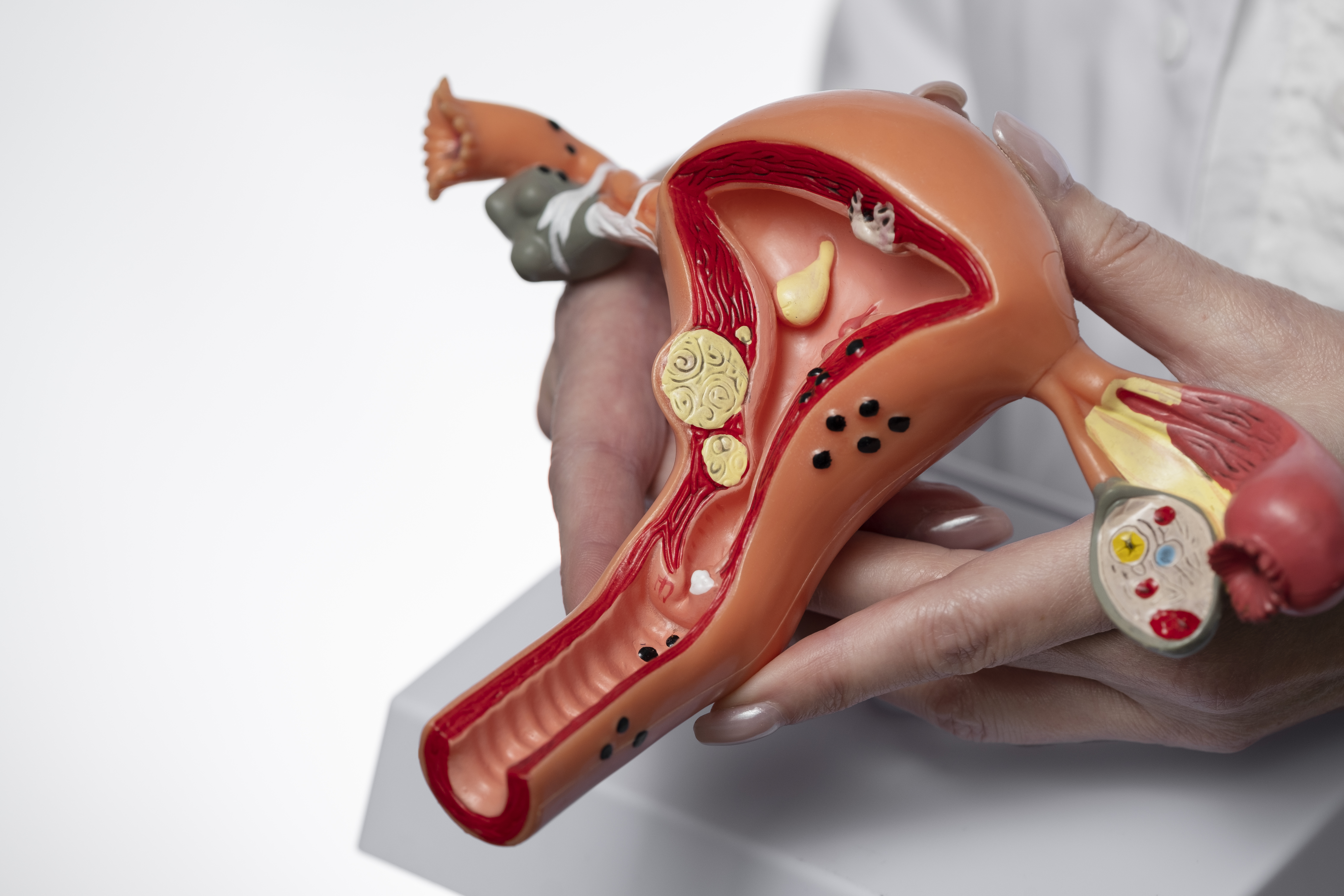
The uterus is the organ that mainly supports the implantation and the development of the fetus. Any structural or functional problems of the uterus can be the reason for the failure of the IVF (In vitro Fertilization) process, even when the embryos are good.
Frequently, uterine problems may be:
- Fibroids
- Polyps
- Scar tissue
- Abnormal uterine shape
Failure of the embryo to implant properly as a result of uterine conditions leads to the failure of IVF. These issues are usually resolved in the evaluation phase of IVF treatment.
5. Hormonal and Medical Factors
One of the reasons that have been ignored for hormonal imbalance and medical conditions in the failure of the IVF is the occurrence of such conditions as thyroid disorders, PCOS, or diabetes that, if not controlled, may affect the implantation and, thus, early pregnancy.
Moreover, immune or clotting disorders can lead to the risk of implantation failure or first-trimester pregnancy loss. In case such diseases are not treated properly, they could be the cause of a low level of success in an IVF cycle.
Why Does IVF Fail Even After the First Attempt?
An unsuccessful IVF attempt does not imply that IVF will not work in the future. Quite a few couples manage to get pregnant after a failed cycle when the root cause is properly figured out.
The causes of the first cycle of IVF failure may be:
- Incomplete diagnosis
- Suboptimal treatment protocol
- Poor embryo selection
Understanding why IVF fails helps doctors modify treatment and improve outcomes.
How to Improve Your Chances After IVF Failure
After a failed IVF, your doctor may suggest:
- Reviewing embryo quality
- Testing for uterine or hormonal issues
- Adjusting medications
- Using advanced laboratory techniques
These steps can help improve your chances in future cycles. A personalised approach can help increase the chances of pregnancy.
IVF Failure Is Not the End of the Journey
One thing to keep in mind is that IVF failure is a common occurrence and does not imply that the issue will never be resolved. There are numerous typical causes of IVF failure, and the majority of them can be rectified through an appropriate assessment and the provision of care.
Through expert advice, better treatment plans, and the necessary psychological support, a great number of couples eventually achieve their dream of a successful pregnancy.
Conclusion
The first five most frequent reasons for the failure of in-vitro fertilization are bad embryo quality, failure of implantation, poor egg quality, issues with the uterus, and hormonal or medical conditions. Knowing the reasons behind the failure of an IVF attempt enables the partners to take the right steps and prepare for the next procedure more efficiently.
In case your IVF attempt failed, it would be beneficial for you to seek the advice of a knowledgeable reproductive medicine expert who can help pinpoint the cause and thereby increase your probability of achieving a positive outcome in your next IVF cycle.
Frequently Asked Questions (FAQs)
What is IVF failure?
IVF failure is when pregnancy does not occur or does not continue after embryo transfer in an IVF cycle. It can happen at different stages of treatment.
Why does IVF fail even with good-quality embryos?
IVF may fail due to implantation failure, uterine issues, hormonal imbalance, or chromosomal abnormalities that are not always visible during embryo assessment.
Is poor egg quality one of the most common reasons for IVF failure?
Yes, poor egg quality is one of the most common causes of IVF failure. It affects embryo development and reduces the chances of successful implantation.
Can IVF failure happen in the first cycle?
Yes, IVF failure can occur in the first cycle. Many couples require more than one IVF cycle to achieve pregnancy, and success often improves after treatment adjustments.
Does a failed IVF mean IVF will not work in the future?
No, a failed IVF does not mean future attempts will fail. Identifying the cause of IVF failure helps doctors improve treatment and increase success rates.
How can I improve my chances after a failed IVF cycle?
Your doctor may suggest reviewing embryo quality, checking uterine health, correcting hormonal issues, and adjusting the IVF protocol to improve your chances of success.
When should I consult my doctor after IVF failure?
You should consult your doctor after a failed IVF cycle to understand the reasons and plan the next steps before attempting another cycle.