- Hormonal problems that stop or disturb ovulation
- Low number of good-quality eggs (low ovarian reserve)
- Blocked or damaged fallopian tubes
- Conditions like PCOS, fibroids, or endometriosis
- Irregular or no periods
- Thyroid or other hormonal imbalances
- Age-related decline in fertility
What is Infertility Workup?
An Infertility Workup is a series of medical tests and evaluations done to find out why a couple is not able to get pregnant. It helps doctors understand if there are any problems with the eggs, sperm, uterus, or hormone levels. Based on the results, the right treatment can be planned.
At Zemya IVF & Fertility Clinics, we offer thorough and gentle infertility evaluations to help couples take the first step toward parenthood with confidence.
What Leads to Infertility?
There are many reasons why a couple might not be able to conceive. These could be related to the woman, the man, both, or sometimes, no clear cause is found.
In women:

In men:
- Low sperm count or weak sperm movement
- Abnormal sperm shape (morphology)
- Blockages in the sperm pathway
- Hormonal imbalance or low testosterone
- Lifestyle habits like smoking, alcohol, stress, or obesity
- Past infections or injury to testicles

In both partners:
- Unhealthy lifestyle (poor diet, lack of exercise, exposure to pollution)
- Long-term illnesses like diabetes or high blood pressure
- Genetic problems
- Unexplained infertility- when tests don’t show any clear reason
How to check for Infertility?
Infertility is checked with a mix of physical exams, blood tests, imaging (like ultrasound), and semen analysis. Both partners should be tested because fertility problems can affect either one or both. The tests are simple, often painless, and give doctors a clear picture of what’s going wrong and how it can be corrected
Female Fertility Assessment
Female fertility testing focuses on checking hormones, ovaries, uterus, and fallopian tubes.
- Blood tests: Done early in the menstrual cycle to check hormone levels like FSH, LH, AMH, estrogen, and prolactin. AMH and antral follicle count tell us about egg reserve.
- Thyroid profile: Thyroid problems can affect periods and ovulation.
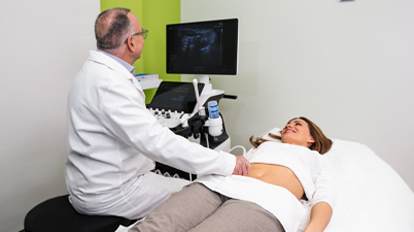
- Ultrasound: Pelvic scan to see ovaries and uterus, count the follicles, and check for cysts, fibroids, or PCOS.
- Ovulation tracking: To see if and when you are releasing an egg each cycle.
- HSG (Hysterosalpingography): X-ray test to check if fallopian tubes are open and if the uterus has any unusual shape.
- Hysteroscopy or saline sonography: Looks inside the uterus for growths like polyps or adhesions.


Male Fertility Assessment
Men's fertility is mostly checked through semen analysis and hormone testing.
- Semen analysis: Checks the number, shape, and movement of sperm. It is a basic and very important test.
- Hormone testing: Blood tests to check testosterone and other reproductive hormones.
- Scrotal ultrasound: Done if there are symptoms like pain, swelling, or suspected blockages.
- DNA fragmentation test: Checks sperm DNA quality, especially if there have been miscarriages or failed IVF cycles.
- Physical exam: Checks for testicular health, varicocele (swollen veins), and overall reproductive condition.
Step-by-Step Infertility Workup Procedure
Step 01
Initial consultation
Your journey begins with a detailed consultation with a fertility specialist. During this visit, we review your health history, any past pregnancies or treatments, menstrual patterns, and lifestyle. A basic physical exam may also be done.
Step 02
Diagnostic tests
These are basic fertility tests for both partners, done to identify the causes of infertility.
- Ovulation testing: Checks if the woman is ovulating regularly. This can include blood tests, ovulation kits, or tracking body temperature.
- Semen analysis: Tests the quantity, movement, and shape of sperm to understand male fertility.
- Hormone testing: Measures important hormones like FSH, LH, AMH, estrogen, testosterone, and thyroid levels.
- Hysterosalpingogram (HSG): A special X-ray to check if the fallopian tubes are open and if the uterus has a normal shape.
- Pelvic ultrasound: Looks at ovaries and uterus for cysts, fibroids, or signs of PCOS.
- Genetic testing: May be advised to check for inherited conditions affecting fertility.
Step 03
Additional tests (if needed)
Based on the first set of results, your doctor may suggest more tests.
- Sonohysterogram: A scan with saline and ultrasound to see inside the uterus clearly.
- Laparoscopy: A minor surgery to check and treat problems like endometriosis or blocked tubes.
- Endometrial biopsy: A small sample of the uterine lining is taken to check for infection or hormone response.
- Genetic screening: Advanced tests to look for any gene mutations that could affect pregnancy.
Step 04
Evaluation of results
Once all tests are done, your fertility doctor will explain the results and the possible reasons for infertility. This helps in making a treatment plan that suits your specific needs.
Step 05
Treatment options discussion
Depending on the problem found, your doctor may suggest one or more of the following:
- Medications: To help with ovulation or improve sperm count.
- Surgery: If blockages or fibroids are found.
- ART procedures (IUI/IVF): If more advanced treatment is needed.
- Lifestyle changes: Like losing weight, quitting smoking, managing stress, and improving nutrition.
Step 06
Follow-up
After treatment starts, regular follow-up visits will be planned to track your progress. Adjustments to the plan are made as needed to improve success rates.
Why is an Infertility Check-Up Important?
- It saves time by helping doctors choose the right treatment early.
- It avoids using trial-and-error methods and unnecessary procedures.
- It helps detect serious conditions like PCOS, blocked tubes, or low sperm count that may need special care.
- It increases chances of success by customizing treatment.
- It reduces mental stress when you know what’s going on with your body.
Do's and Don’ts during Infertility Testing
Do's:
- Come as a couple for testing, as both partners need to be evaluated.
- Follow all instructions for test timings, especially for blood tests.
- Share your full health and lifestyle history honestly.
- Stay calm and open to hearing about possible solutions.
- Follow up regularly and take medicines if prescribed.
Don’ts:
- Don’t delay the workup- early testing leads to better outcomes.
- Don’t hide habits like smoking, alcohol, or past surgeries.
- Don’t skip appointments or stop tests midway.
- Don’t compare yourself to others- each couple’s journey is different.
- Don’t believe in myths or random online advice- trust medical experts.
Why choose Zemya IVF & Fertility Clinics?
At Zemya IVF & Fertility Clinics, we design each treatment plan around your specific needs and medical history.
With over 40+ years of combined experience and more than 10,000 healthy deliveries, our team is committed to helping you achieve your dream of parenthood with skill, care, and compassion.
Here’s what makes Zemya IVF & Fertility Clinics one of the top 5 IVF and fertility centres in Delhi:

Personalized care
Each treatment is designed specifically around your medical history, goals, and emotional needs.

Proven expertise
Our doctors and embryologists are internationally accredited and bring decades of hands-on fertility experience to every case.

Transparent & ethical pricing
We explain everything clearly—no hidden fees, no unnecessary procedures.

High-quality, affordable treatment
Get access to the best care at a cost that respects your budget.

Advanced technology
From lab facilities to diagnostic equipment, we use the latest in reproductive science to increase your chances of success.
Whether you’re just starting out or seeking a second opinion, Zemya IVF & Fertility Clinics is here to guide you every step of the way, with experience you can trust, and care you can feel.
Frequently Asked Questions
If you are under 35 and have been trying for over 1 year, or if you are over 35 and trying for more than 6 months, you should see a fertility doctor.
Most tests are simple and not painful. Some tests like HSG may cause mild discomfort, but they are safe and quick.
In many cases, yes. Fertility issues can be treated with medicine, lifestyle changes, or treatments like IUI and IVF.
This is called unexplained infertility. Even in such cases, fertility treatments have a good chance of success.
Yes. Male factors contribute to infertility in about 40–50% of cases. That’s why both partners need testing.
Most tests are completed within 1–2 weeks, and the doctor can then suggest the best next step.