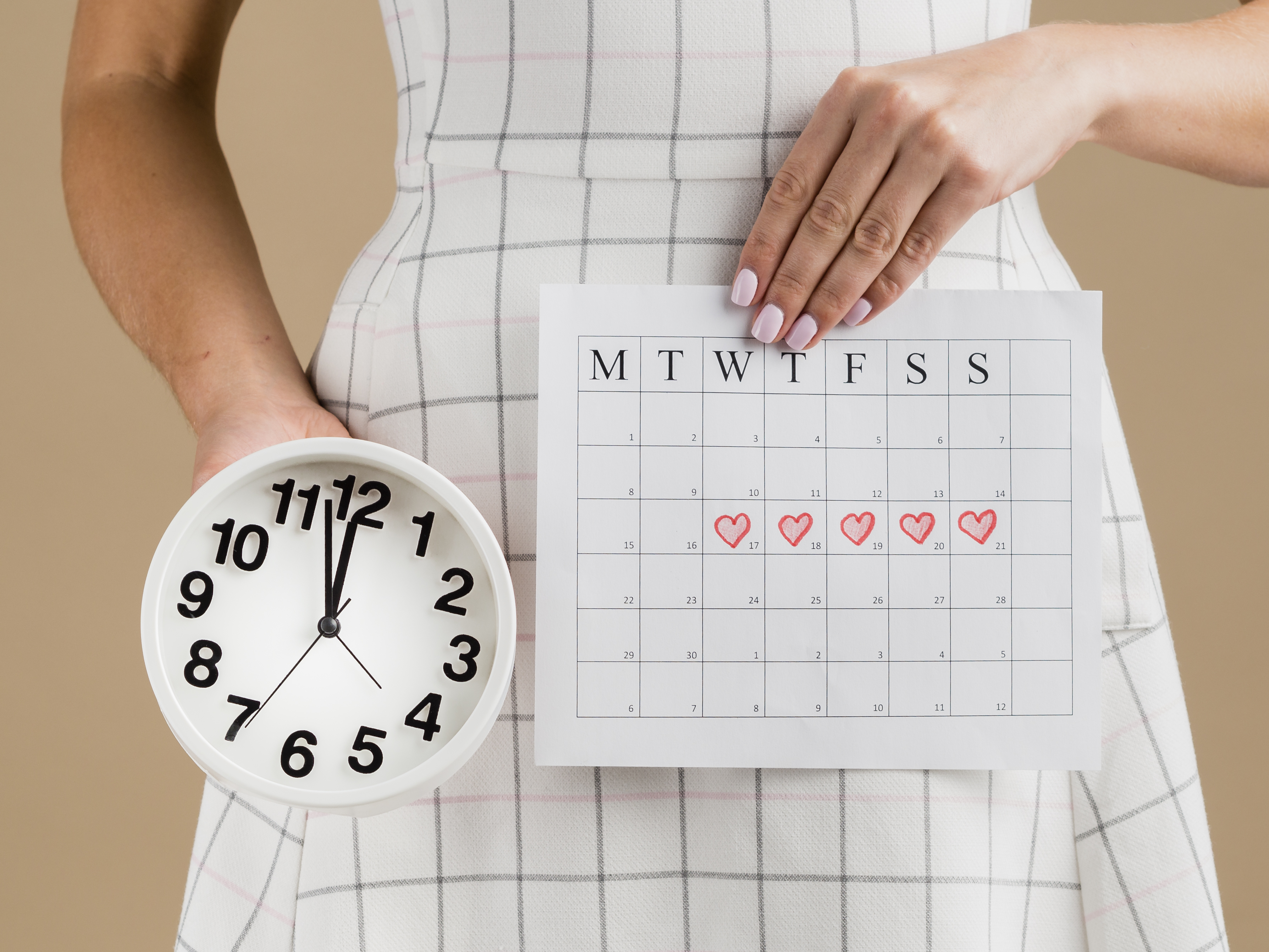
- A menstrual cycle of thirty days is completely normal – the average cycle length of twenty-eight days is only the average, and cycles ranging from twenty-one to thirty-five days are considered normal time intervals.
- Ovulation in a 30-day menstrual cycle occurs on approximately day 16 – it is 14 days before the next period starts, not 14 days after the period begins.
- The fertile window of a 30-day cycle is spread around days 11 to 16, with the most fertile days usually on days 15 and 16.
- Ovulation predictor kits, basal body temperature charting, and cervical mucus monitoring are the most trustworthy methods of pinpointing ovulation day in a 30-day cycle.
- Fertility awareness methods that use a combination of tracking techniques will provide couples with the most accurate fertility window information when trying to conceive naturally.
For women who are trying to conceive or simply want to understand their reproductive health better, it is really powerful to know how a 30-day menstrual cycle operates and the time of ovulation in it. Although the 28-day life cycle is often cited as the average (typical menstrual cycle), a 30-day cycle is also quite common and perfectly normal within the broad range of healthy menstrual variation. At Zemya IVF & Fertility Clinics, a well-known Fertility Clinic in South Delhi, we assist women in getting a clear understanding of their cycles so that they can have the power to naturally manage their fertility, plan their families, and know when to get help from a specialist.
What Is a 30 Day Menstrual Cycle?
A menstrual cycle begins on the first day of one period and ends on the day before the next period begins. The average menstrual cycle is about twenty-eight days, although the menstrual cycle can range from as few as twenty-one days to as many as thirty-five days, which is considered normal. A thirty-day menstrual cycle is well within the range of normal, simply meaning that thirty days pass from the first day of one period to the first day of the next.
Not all women have cycles that are exactly the same every month. Even those with regular cycles may have a variation of a day or two now and then. What is important to understand is not how you measure up to an average, but how to determine the pattern of your own cycle length.
Read More: How to Get Pregnant Quickly: Evidence-Based Guide
When Does Ovulation Occur in a 30 Day Cycle?
In a normal menstrual cycle, ovulation takes place about fourteen days before the next period begins, rather than fourteen days after the period starts, as most people mistakenly think. This difference is very crucial for women who are trying to conceive or rely on natural family planning methods.
If the cycle lasts for thirty days, then counting forty days backward from the expected date of the next period will locate ovulation to be around the 16th day of the cycle. In other words, it will be 16 days after the first day of the current period. This is later than the frequently mentioned 14th day, which is applicable for a twenty-eight-day cycle rather than a thirty day one.
The reason for ovulation occurring fourteen days prior to the start of the next period, as opposed to some set number of days after the beginning of the period, is that the luteal phase, controlled by progesterone, is relatively consistent at fourteen days. The variable component, which makes up the first half of the cycle, is controlled by oestrogen. In a thirty-day cycle, the follicular phase is simply two days longer than in a twenty-eight-day cycle.
The Fertile Window in a 30 Day Cycle
The fertility window is the timeframe in which having sex could lead to pregnancy. An ovulated egg (a mature egg is released) is capable of being fertilized for only 12 to 24 hours after its release from the fallopian tube. On the other hand, sperm have the potential to live in the female reproductive tract for up to five days. Therefore, the fertility window spans from about 5 days before ovulation to the day of ovulation itself as well.
If the cycle lasts for thirty days with ovulation occurring on the sixteenth day of the cycle, the fertile window would be approximately days eleven to sixteen. The fertile window peaks on the fifteenth and sixteenth days just before ovulation. Having regular intercourse during this window would increase the chances of becoming pregnant in the cycle.
How to Track Ovulation in a 30 Day Cycle
Several reliable methods help identify the fertile time in a thirty-day cycle:
Ovulation Predictor Kits and Ovulation Test Kits
Ovulation predictor kits measure the rise in the luteinizing hormone (LH) in urine that typically occurs 24-36 hours before egg release (ovulation). If you have a 30-day period, you might want to begin testing around day 10 or 11, which is a few days before ovulation, so that you don’t miss the LH surge.
When an ovulation predictor indicates a positive outcome, it signifies that the release of an ovum (ovulation) is near and the peak fertile period has arrived. These are generally quite easily accessible and among the most precise home methods for determining the day of ovulation.
Basal Body Temperature
Monitoring your basal body temperature every morning using a basal body thermometer before getting out of bed measures the increase in body temperature caused by the progesterone hormone after the occurrence of ovulation. By tracking the temperature over several months, the pattern of your ovulation day in a thirty-day cycle will be established. However, it will only confirm the occurrence of ovulation.
Cervical Mucus Monitoring
Stretchy, clear mucus like raw egg whites appears as ovulation nears. It is solid evidence that estrogen is rising and ovulation is imminent. Once ovulation passes, the vaginal discharge and mucus thicken and drop in volume. Progesterone takes control during the second half of the cycle. The shift happens gradually. This change helps identify fertile days clearly.
Ovulation Calendar/Ovulation Calculator
An ovulation calendar or ovulation calculator uses the first day of the last menstrual period and the average cycle length to calculate the ovulation date and the fertile window. For a thirty-day menstrual cycle, the ovulation calculator would estimate the ovulation date to be the sixteenth day. The fertile window would be estimated to be from the eleventh day to the sixteenth day. This may not be entirely accurate because it is just an estimate. The ovulation calculator would be more accurate if the results were obtained from ovulation test kits.
Signs of Ovulation to Watch For
Besides using tracking methods, the body also gives out physical signs of ovulation that ladies can get hold of.
Those are, for example, a slight one-sided pain or twinge in the lower abdomen – which is referred to as mittelschmerz – at the egg release time, an increase in clear stretchy vaginal mucus that looks like raw egg whites, a hardly noticeable rise in sex drive, sensitivity in breasts, and very rarely, some women get only a very faint bleeding called implantation bleeding if the embryo is successfully implanted in the lining of the womb after the fertile period.
Irregular Cycles and the 30 Day Baseline
It must be noted that not all women experience the regular thirty-day cycle every month. Menstrual cycle length varies from cycle to cycle, even in regular periods. If the cycle length varies considerably from month to month, it becomes more difficult to determine the ovulation date because the length of the follicular phase varies considerably. Women who experience irregular cycles benefit from the use of real-time ovulation tracking techniques, especially ovulation test kits.
If irregular and unpredictable periods persist, they can be a sign of a deeper health problem like polycystic ovary syndrome, thyroid issues, or other hormonal imbalances that require the attention of a fertility specialist. We, at Zemya IVF & Fertility Clinics, have an expert team that gives a thorough assessment to women with irregular menstrual cycles, finding the reason and giving specific treatment to bring back normal ovulation.
Fertility Awareness Methods and Natural Family Planning
The fertility awareness methods, which include basal body temperature charting, cervical mucus monitoring, and ovulation calendar tracking, are the basis for natural family planning for couples who either want to conceive or prevent conception without the help of hormonal contraception. If done correctly and consistently during regular menstrual cycles, these methods can be valuable in maximizing natural fertility. However, they require regular monitoring and are not as effective for women with irregular menstrual cycles or those with significant variation in cycle lengths from month to month.
When to Seek Help
If you’ve been cycling regularly, tracking your fertile window correctly, and still haven’t gotten pregnant after twelve months, or six if you’re over thirty-five, it’s time to see a fertility specialist. Zemya IVF & Fertility Clinics runs a full evaluation for both partners to spot any issues blocking natural conception and optimizing natural fertility. Treatment plans go from ovulation support to IUI and IVF based on what’s found. The process is personalized for each couple. You don’t have to keep trying alone.