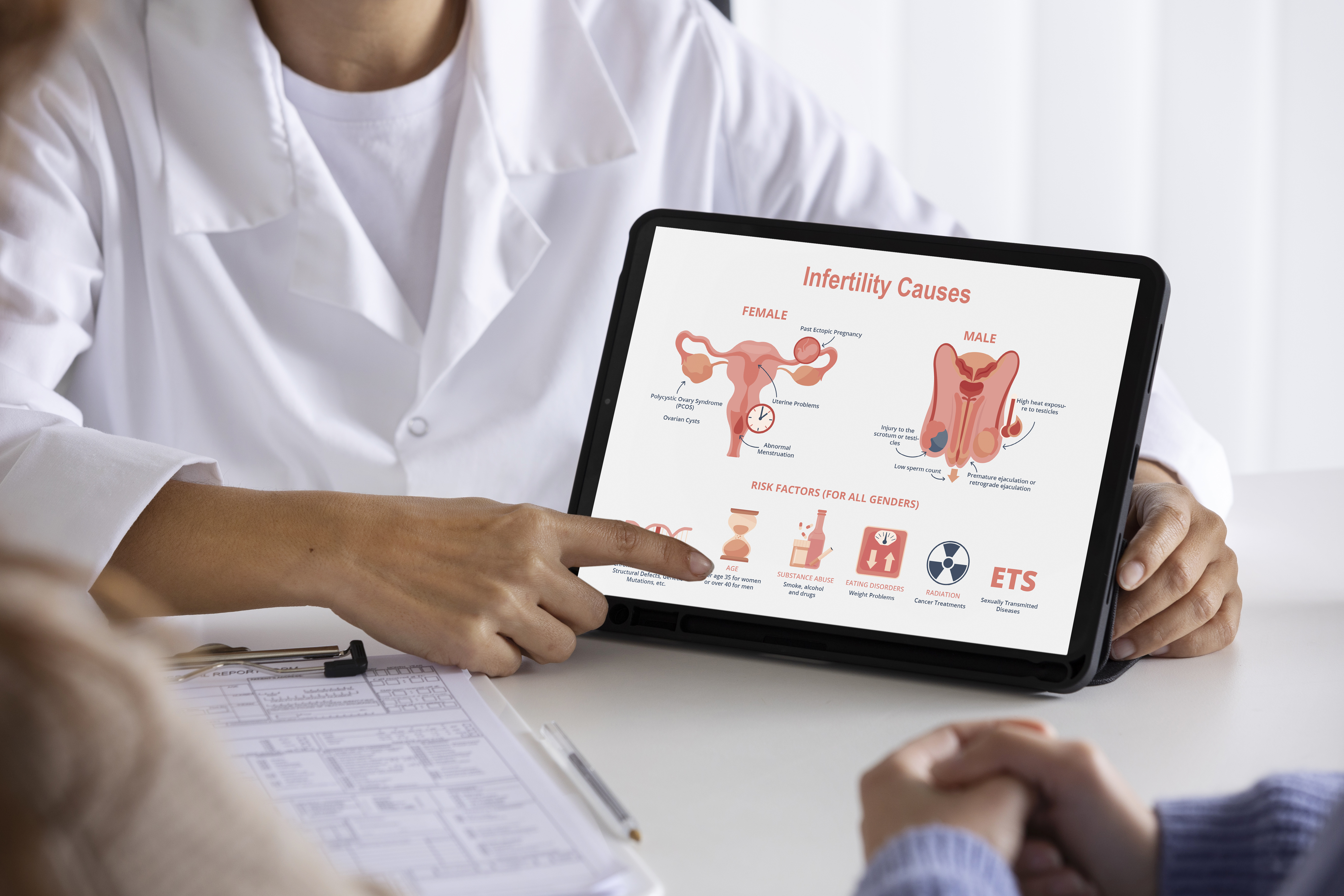
During their first visit to a fertility clinic, couples and individuals find themselves surrounded by so many medical acronyms that it feels like a maze. Clinics offer couples undergoing fertility treatment the main methods of insemination and in vitro fertilization. Deciding between insemination and IVF may be really difficult, but the final decision is purely a question of matching your particular diagnostic profile with the appropriate medical technology.
At Zemya IVF & Fertility Clinics, which we recognize as the best fertility clinic in Green Park, we prioritize patient education. Explaining to you the differences between IUI and IVF, we give you the power to decide on the most direct, stress-free, and effective way to become parents.
What is the Difference Between IUI and IVF?
The first main distinguishing factor between IUI and IVF lies in the point of fertilization (the union of the egg cell and sperm).
IUI (Intrauterine Insemination):
This is a process performed in vivo whereby fertilization takes place naturally in the body of the woman. It involves the deliberate washing of the semen specimen, after which it is inserted into the uterus through a catheter.
IVF (In Vitro Fertilization):
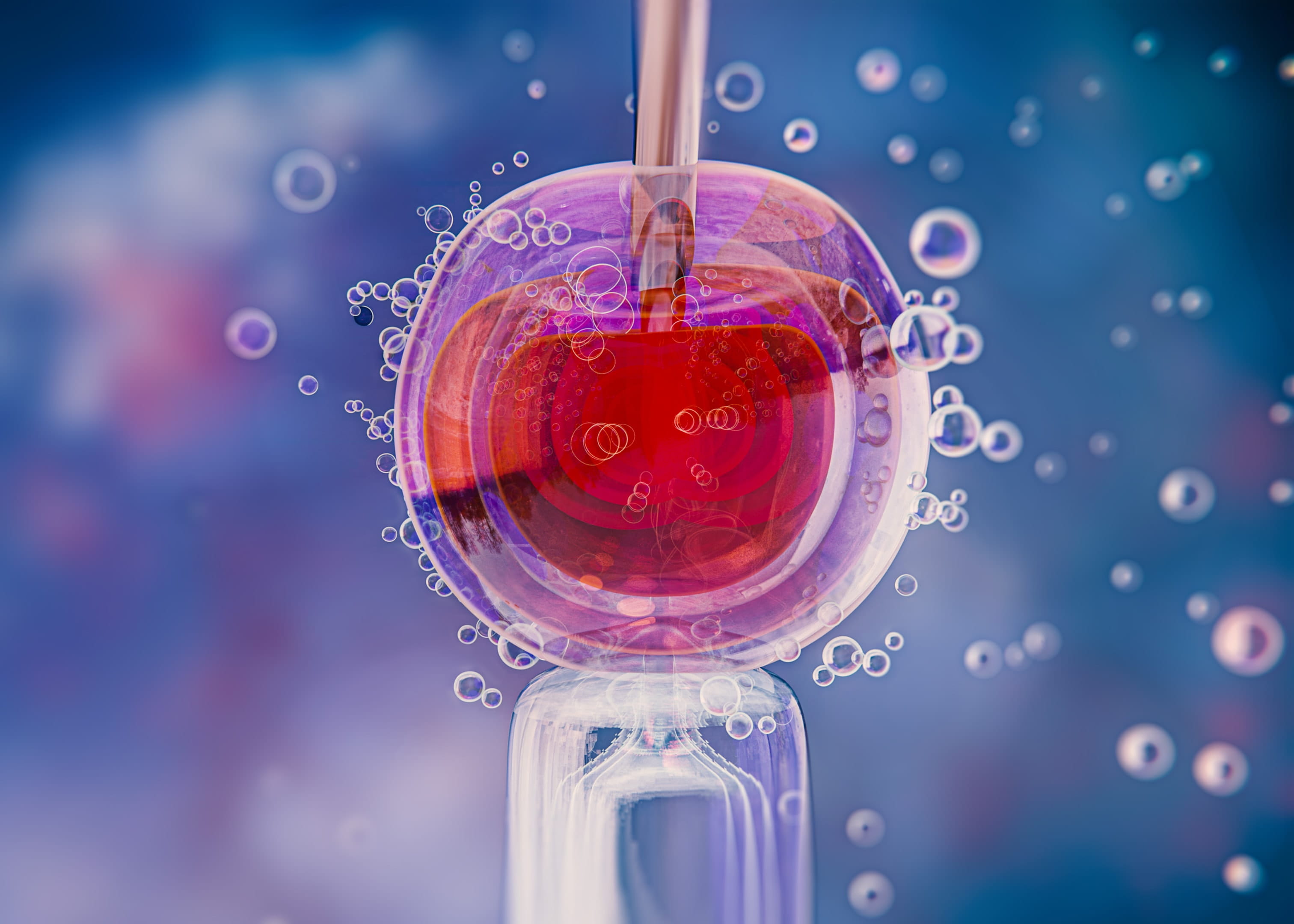
It’s a type of in vitro procedure, so fertilization happens outside the body. The mature eggs are taken out of the ovaries through a surgical procedure, fertilized by sperm in a specialized laboratory dish, grown up to the stage of early embryos, and finally, very carefully placed back into the womb.
Because of this fundamental IVF and IUI difference, IVF bypasses several natural barriers such as blocked fallopian tubes or severe male infertility that IUI cannot overcome.
Evaluating the Clinical Success Profiles
- In comparing IUI and IVF, it is important to consider the clinical data for making the decision and setting the right expectation. The success rates for IUI vs. IVF are highly different depending on age, fertility factors, and the number of attempts.
- The Success Rate of IUI
- Typically, the IUI success rate varies from 10% to 20% for each individual cycle. Such a success rate depends highly on the type of cycle protocol chosen:
- Natural Cycle (without any medication): 4% to 10% success.
- Medicated Cycle (medications such as Letrozole): 10% to 15% success.
- Injected Cycle (gonadotropin medications): 15% to 20% success.
A single cycle only gives a small chance, but the cumulative intrauterine insemination success rate can go up to 30% to 40% with three to four well-timed attempts. However, if pregnancy is not attained after 3 to 6 cycles, the success rate of IUI decreases A lot, and usually, one has to consider advanced care.
The Success Rate of IVF
While comparing IVF vs IUI, IVF has much higher success rates than IUI. The success rate in one cycle of IVF may be 40%-65%, depending on the patient’s age and the embryo’s quality. The high success rate of IVF is explained by the direct observation of the fertilization process and the embryo’s screening for chromosome abnormalities.
Financial planning is a very practical part of fertility care.
Comparing the financial investment: IUI vs IVF price, the difference in price shows how complex and resource-intensive each method is in the laboratory.
| Treatment Type | Average Cost per Cycle in India | Key Cost Drivers |
| IUI Cycle | ₹10,000 – ₹25,000 | Basic ovulation tracking, lab sperm washing, and insemination. |
| IVF Cycle | ₹1,20,000 – ₹2,50,000 | Ovarian stimulation injections, surgical egg retrieval, embryology lab care, and embryo transfer. |
Compared with IVF, an IUI cycle is definitely more cost-effective initially. Yet if several cycles become necessary, it’s worth considering the overall expenditure. For example, if a woman gets pregnant after the fourth round, the overall cost and the emotional strain may not be very different from that of a single, highly successful IVF.
How Do Doctors Choose the Right Path for You?
- The seasoned professional will consider certain factors that may help determine which of the two methods is more suitable for the patient. These are:
- IUI Treatment Indications:
- Unexplained Infertility: In case fertility tests fail to detect any problem in both partners.
- Male Factor Infertility: In case sperm count/motility is suboptimal (post-wash motile count above 10 million is ideal).
- Anovulation: If the woman does not ovulate normally and responds well to mild stimulation drugs.
- Cervical Factors: In case cervical mucus impairs sperm mobility.
When to Choose IVF Directly:
- Blocked or Damaged Fallopian Tubes: IUI involves sperm swimming through the tubes to fertilize the egg, so tube blockage renders IUI useless.
- Advanced Maternal Age (38+): Because egg quality deteriorates fast, the higher success rate of IVF makes it the more logical time-saving choice.
- Severe Male Factor Infertility: If doctors find extremely low sperm counts or highly fragmented DNA, they can ensure efficient fertilization only by performing advanced laboratory techniques like ICSI (Intracytoplasmic Sperm Injection).
- Endometriosis (Moderate to Severe): Due to pelvic scarring, the normal anatomy of the reproductive system gets disrupted, which is why doctors generally recommend IVF.
- Unsuccessful IUI History: It makes sense to do IVF, the next step in the line of treatment after 3 or 4 failed IUI cycles.