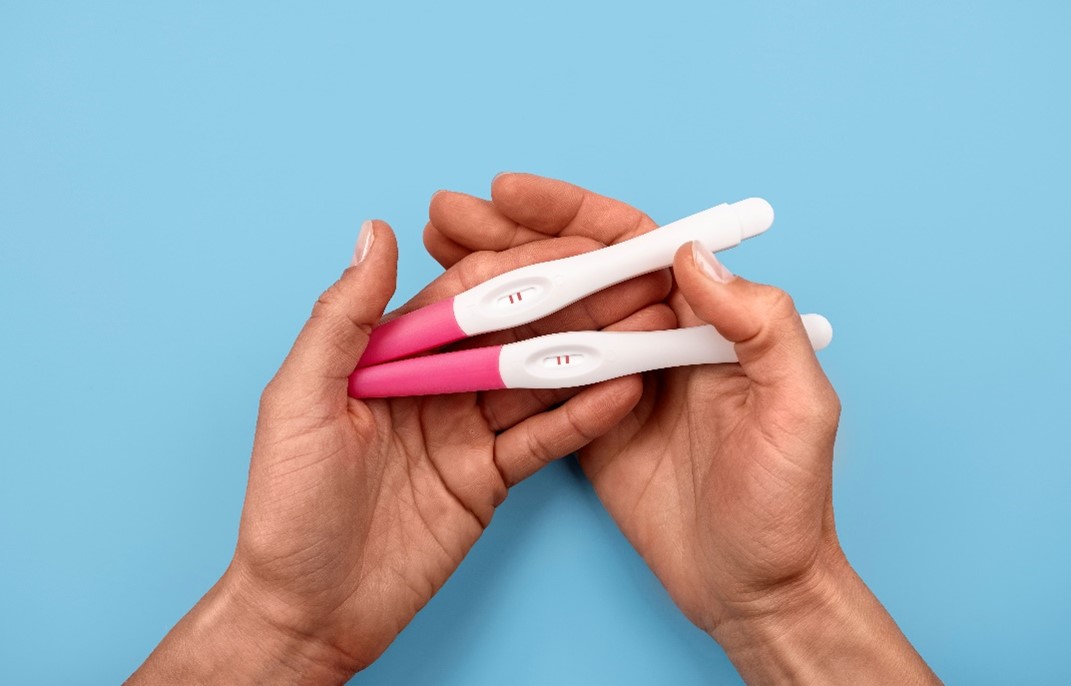
- Don’t wait until the second line shows up on your test. Begin taking the folic acid while you’re still in the planning stages.
- You need the supplement to achieve the complete absorption of 400 mcg to 600 mcg, even by using leafy green vegetables.
- The best way to prevent neural tube defects is to take folic acid and to ensure your baby is never permanently disabled. Continue taking folic acid daily.
- Take your folic acid every day so your folate levels stay steady during this important period of early pregnancy.
Receiving the news that you are pregnant triggers an array of emotions and health advice. The health professionals will give you some key recommendations, including the need to take folic acid supplements. Although taking vitamins might sound like normal practice, pregnant women need folic acid for their baby’s growth, which offers protection from serious medical complications and certain birth defects.
Here at Zemya IVF & Fertility Clinics, being the Best IVF Clinic in Delhi, we understand well ahead of conception, the art of a healthy diet. As a top Fertility Clinic in Delhi, we help our patients reach the nutritional landmarks they need for a healthy baby. It’s time to take this essential B vitamin seriously in helping facilitate a successful and healthy pregnancy.
What is Folic Acid?
Folic acid is the artificial name for folate, which is a water-soluble B vitamin. Although folate is naturally present in some foods, folic acid is the type that is utilized in folic acid supplements and food fortification.
Folic acid plays a key role in the development of red blood cells and helps the neural tube develop correctly, which ultimately forms the fetus’s brain and spinal cord. Since the human body cannot accumulate large quantities of it, it is vital to ensure an adequate daily intake of folic acid from both dietary and supplemental sources.
The Critical Role: Preventing Neural Tube Defects
The most important reason for women to take daily folic acid is to avoid NTDs (Neural tube defects). Those birth defects happen during the first few weeks of pregnancy, which is even before a woman discovers she is pregnant.
The two most frequent neural tube disorders are:
- Spina Bifida: It happens due to incomplete development of the spine or spinal cord, leading to permanent disability in the affected individual.
- Anencephaly: A serious disorder where the skull and brain fail to form properly.
Neural tube disorders may cause permanent disabilities in patients or may be lethal for fetuses. Nevertheless, research has proven that appropriate folate supplementation lowers the risk of these congenital anomalies up to 50% to 70%.
When and How Much Folic Acid Should You Take?
Timing is everything. As the neural tube closes in the first few weeks of pregnancy, you need to have folate from the beginning. When to Start
CDC recommends Folic Acid for all women of childbearing age, not just women who are pregnant.
I believe taking folic acid is best to start a month before conception.
The Recommended Dosage
- Recommended Dose: In most cases, the recommended dosage of folic acid for women is 400 micrograms (mcg) per day, according to the recommendations of the Preventive Services Task Force.
- Pregnant Women: After becoming pregnant, you should increase this dosage to 600 mcg, which is usually available in a good prenatal vitamin supplement.
- Increased Dose: Women at increased risk (those with a previous pregnancy involving neural tube defects or women with conditions such as Crohn’s disease or diabetes) might be advised to take a larger dosage (up to 4,000 mcg).
Natural Folate vs. Folic Acid Fortification
Healthy eating is important, but it is almost impossible to obtain that much folic acid from foods to give the recommended preventative level. Foods Naturally High in Folate
You can boost your folate levels by consuming:
- Leafy green vegetables (including spinach, kale, and lettuce).
- Dark green vegetables (broccoli, asparagus).
- Citrus fruits and oranges.
- Certain fruits like avocados and bananas.
Folic Acid Fortification
To ensure that the people consume enough levels, manufacturers have fortified many foods with folic acid. These include folic acid fortified:
- Breakfast cereals.
- Enriched breads, pastas, and grains.
- Rice and flours.
Regardless of the consumption of any of the aforementioned fortified foods, taking folate supplements is the only sure way to meet dietary reference intakes.
Folate Deficiency and Health Problems
Folate deficiency: A deficiency of folate may occur if there is not enough available, resulting in folate deficiency anaemia.
The deficiency causes abnormalities in the blood, and it produces cells that are also abnormal, large, and unable to work effectively.
This results in fatigue and weakness.
Heart Disease: The body needs folate to control the level of homocysteine, a high level of which is associated with heart disease.
Anemia: Healthcare providers may use the addition of vitamin B12 and pantothenic acid to counter one of the various types of anemia.
Common Questions About Folic Acid
Is it possible to have an excess of folic acid?
It is soluble in water, but an excessive intake of folic acid, more than 1,000 micrograms unless otherwise directed by your doctor, may conceal vitamin B12 deficiency.
How long do I need to take folic acid?
Healthcare professionals usually advise you to take folic acid for all the weeks of pregnancy to aid in the development of your fetus and ensure healthy blood in your body.
Zemya IVF & Fertility Clinics?
Zemya IVF, as the Best IVF Clinic in Delhi, holistic health is taken seriously.
We believe that a healthy mother equates to a successful cycle at our IVF Centre in Delhi.
Nutritional Counseling: Assisting you with the knowledge of the quantity of folic acid that’s best for your mouth cavity, depending on your medical history.
Awareness: Making sure your prenatal vitamin has the right amount of folic acid, vitamin B12, and other important nutrients.
Risk Assessment: Whether you have medical conditions such as MTHFR mutations that affect your metabolism of folate.