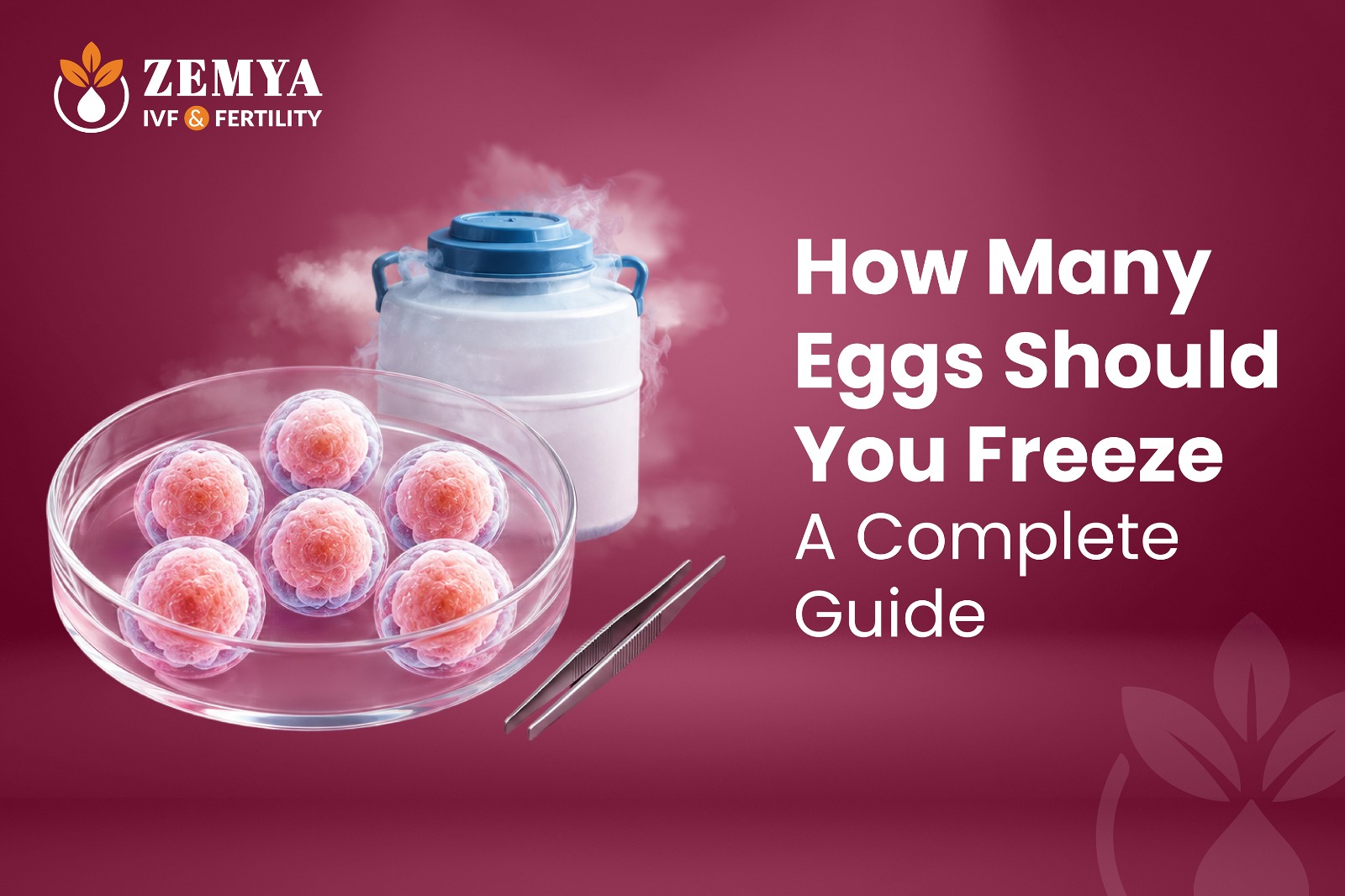
Egg freezing (oocyte cryopreservation) is an option for preserving fertility. It enables women to keep their unused eggs for a possible treatment with IVF (in vitro fertilisation) in the future. One of the first questions many women have is: How many eggs do I need to freeze?
Unfortunately, there is no perfect number that every woman should have for the number of eggs she freezes. A fertility specialist could help determine the appropriate number based on different factors like the age at egg freezing, ovarian reserve, egg quality, medical history, and family-building goals.
Why Does the Number of Eggs Matter?
Freezing your eggs does not ensure a future pregnancy. At the time of using the frozen eggs, they have to pass through several stages – thawing, fertilization, embryo development, and implantation in the uterus. That is why, to maximize your chances of having embryos in the future you better have several good-quality mature eggs frozen at the same time.
Then again, freezing more eggs does not necessarily mean a greater chance of having a baby. If the subsequent ovarian stimulation cycle is not bringing up any additional high-quality eggs or if the treatment is not suitable from a medical viewpoint, then the number of stored eggs is not going to matter that much. An ideal number of well-developed, high-quality eggs from your frozen egg batch depends on a set of factors like ovarian reserve and general health, your history, the results of your initial fertility testing and treatment, etc. So, you have to consider all these when determining the optimal level of egg freezing for yourself.
How Many Eggs Should You Freeze?
The ideal number of frozen eggs will probably be the same from one woman to another. Fertility specialists, when advising on egg freezing, may give a target of eggs to freeze instead of promising an exact number.
One egg-freezing round for a woman would yield an adequate number of mature eggs to meet the treatment goal. A woman may have to undergo multiple cycles if she is at lower ovarian reserves or if a single cycle yielded a limited number of eggs. And these factors, a woman’s age, matter a lot. Generally speaking, younger women with good egg quality need fewer eggs frozen. For younger women, a reasonable egg storage may be achieved with quite a bit few fewer eggs than someone who freezes eggs at an older age. So, it would be unwise to assume that one needs to freeze exactly 10 or exactly 20 eggs to get a certain chance of a successful birth. Your fertility specialist should set the right target for your situation through a reproductive health assessment.
Does Age Affect How Many Eggs You Should Freeze?
Yes. Egg quantity and quality change naturally with age.
When women reach a certain age, not only does the number of remaining eggs in the ovaries decrease, but also a larger percentage of these eggs carry chromosomal abnormalities. For these reasons, freezing eggs when you are younger can potentially yield a greater chance of success at conception in contrast with deciding to take the step at an older age. For those who would like to preserve their fertility, it will be best to get well-informed first if they want to leave treatment for some years. Yet, it is still possible to think about egg freezing at any specific age, which mostly depends on one’s own conditions.
What Tests Are Done Before Egg Freezing?
Your fertility specialist will usually check your reproductive health before starting an egg-freezing cycle. Tests that your doctor can recommend include:
Ovarian reserve assessment by AMH test
Ultrasound-based antral follicle count
Blood tests to check hormones
Past medical and reproductive history
Checkup of menstrual cycles
In the event there is a need to do so, further studies will be undertaken
These test results assist the doctors in predicting the likelihood of a good response to one-time or repeated cycles of ovarian stimulation.
What Happens During an Egg-Freezing Cycle?
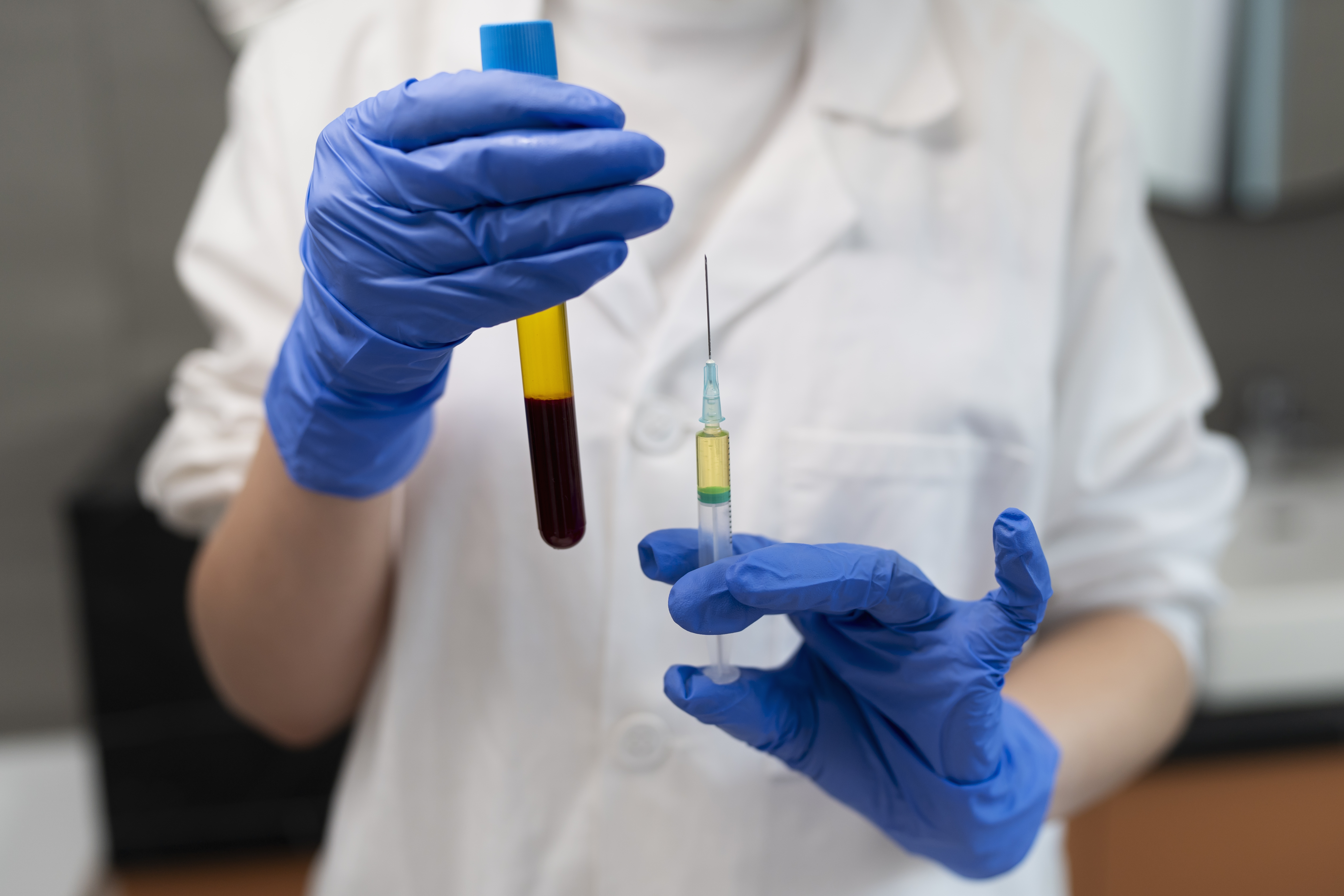
The egg-freezing process generally starts with hormonal treatments that promote the multiple development of the follicles within the ovary by making the ovaries work harder.
The ovarian stimulation period is generally accompanied by periodic ultrasound examinations and, if necessary, blood tests by the fertility team to track progress.
Based on your reaction to the treatment, your doctor might increase or decrease the amount of medication you need.
Doctors give trigger injections, a sort of medication, after the follicles have matured enough for egg retrieval. A procedure that doctors perform without much discomfort typically collects eggs while the patient sleeps on sedation or general anaesthesia.
Following egg retrieval, the embryological lab examines them for selection of mature eggs with good potential for freezing. The lab freezes these selected eggs with vitrification, a method of freezing so fast it minimizes the risk of ice crystals forming within the cells that can otherwise be lethal to the cells.
Before they are needed in the future, laboratories keep the frozen eggs under tightly controlled conditions.
What Happens When You Want to Use Frozen Eggs?
If you want to attempt pregnancy after freezing eggs, a doctor can thaw and check the eggs to see if they survive the freezing process.
A laboratory mainly fertilizes the mature eggs using intracytoplasmic sperm injection (ICSI), in which a technician injects a single sperm into the egg.
A few days after fertilization, you can see how many and which of the resulting embryos the laboratory chooses to grow in their culture system. At the next step, they can insert them through the vagina into a tube going to the uterus for implantation to take place. This step is called embryo uterine transplanting.
You get to know the results of your pregnancy test when you get the time frame from the clinic for the embryo transfer.
You need to be aware of several things; first of all, the fact is that not all the frozen eggs will last through the thawing process, fertilization, and even development into an embryo and also the pregnancy.
Can You Freeze Too Few Eggs?
A small quantity of frozen eggs might offer few chances for future pregnancy. So, your doctor might talk about the option of another embryo freezing if you had fewer than expected mature eggs after a round of stimulation.
You and your doctor should decide if you are willing to pay extra money for another round of freezing, taking into account that you have limited resources, and also taking into account age, ovarian reserve, treatment response, and your reproductive goals.
Egg Freezing at Zemya IVF & Fertility Clinics
Zemya IVF & Fertility Clinics offers fertility preservation and egg-freezing services led by a skilled medical & embryology team.
When deciding how the clinic should preserve your fertility, factors like your age, ovarian reserve, hormonal levels, medical history, and your long-term family-building plans play a role.
Facilities, including IVF labs, along with the reproductive medicine team at Zemya IVF & Fertility Clinics, ensure women receive proper support through procedures such as evaluation, ovarian stimulation, egg retrieval, vitrification storage, and future fertility treatment.
If you are thinking of having your eggs frozen in Delhi, the first step should not be to get an arbitrary number of eggs. It is more essential for you to know your ovarian reserve level and to talk to the fertility specialist about your plans for family-building in the future.