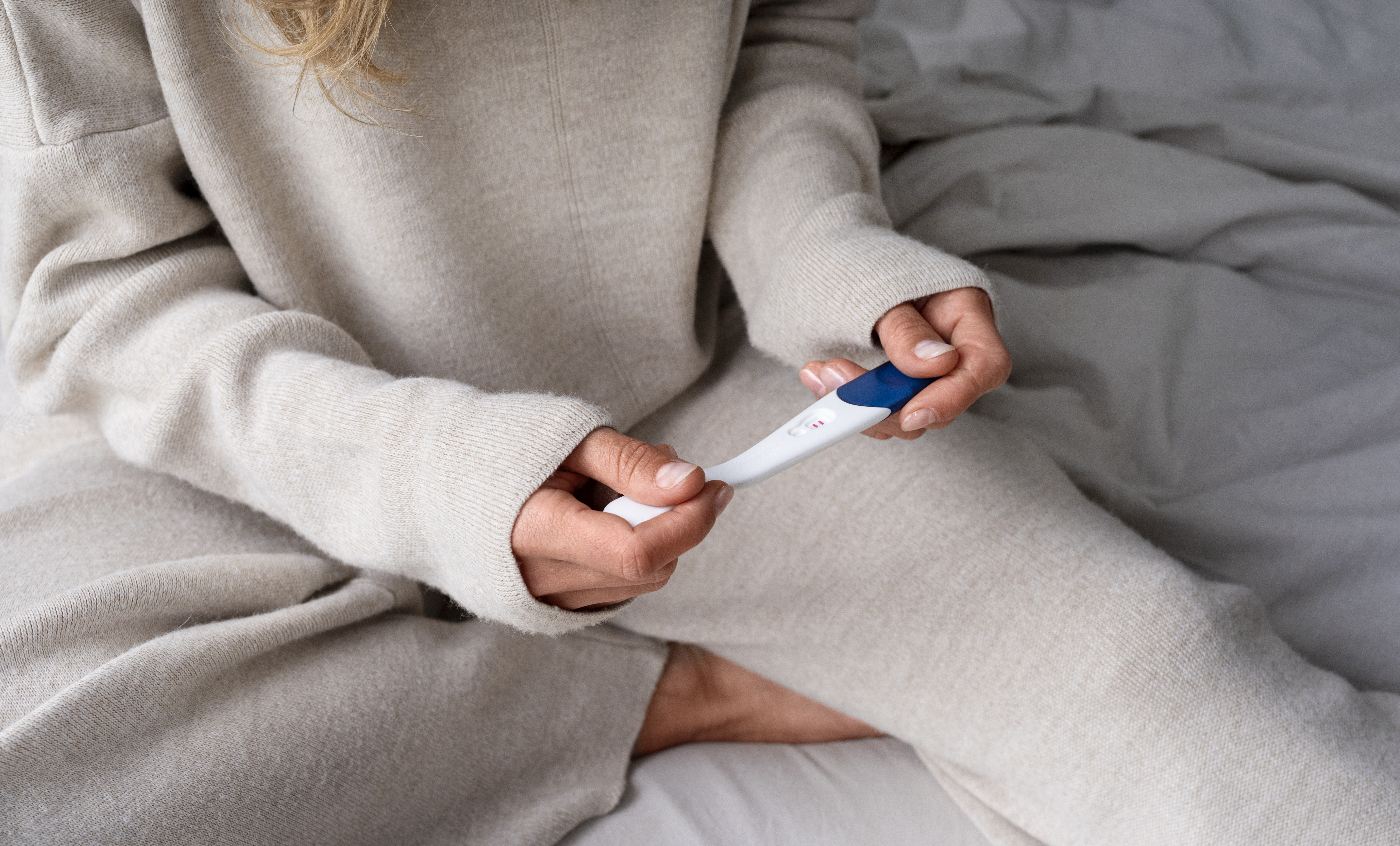
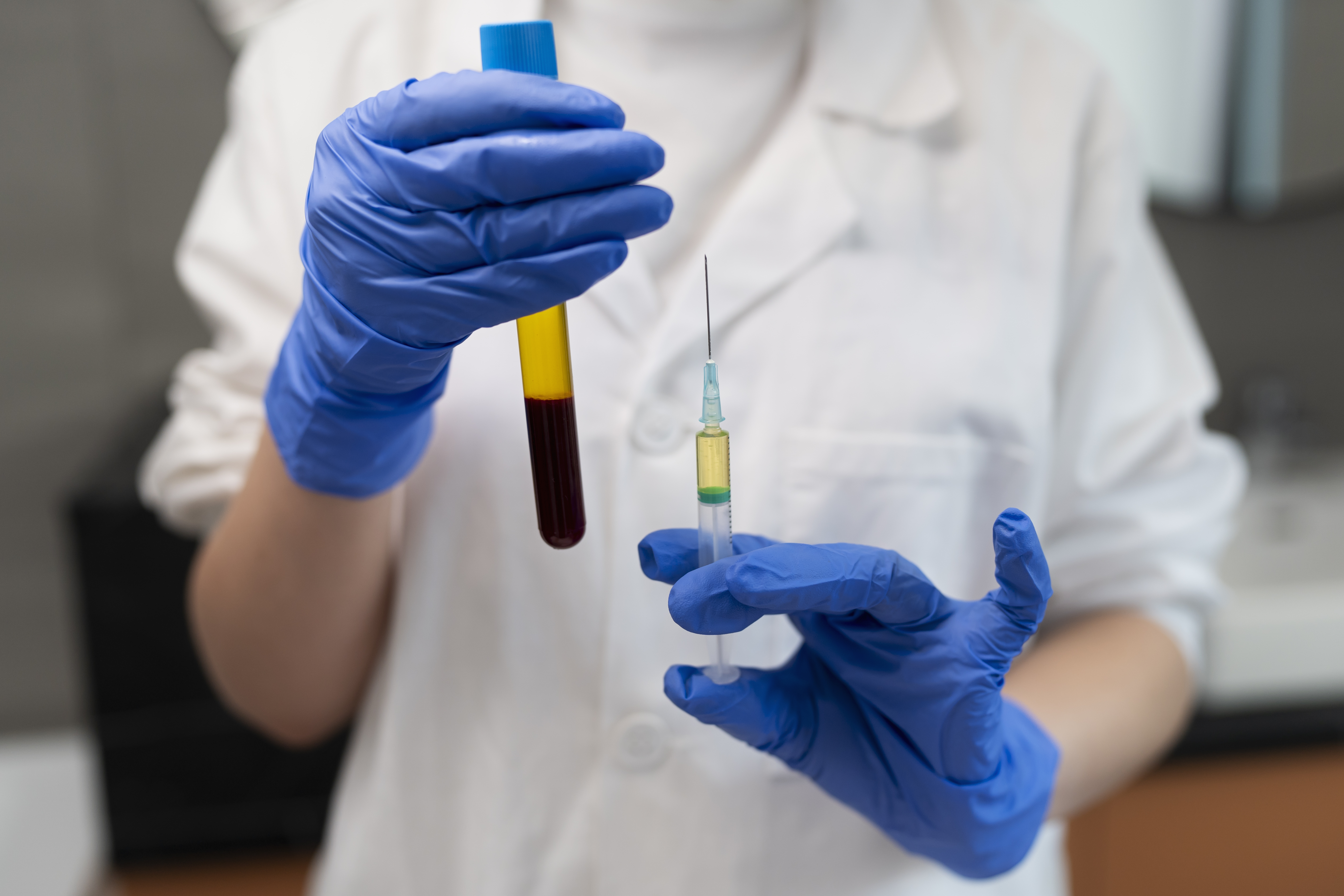
- Fertility, defined as how likely you are to get pregnant, is an important aspect of reproductive health that you should be aware of, whether you are planning a pregnancy or just thinking about family planning in the future.
- Fertility is the ability of the reproductive system to successfully conceive.
- But there are many medical reasons, hormonal conditions, and lifestyle factors that can impact the fertility of men and women.
- If you know how conception occurs and how to recognise fertility problems early on and when to see a GP, it may make a difference.
1. What Is Fertility and How Does Conception Happen?
Fertility can be defined as the capacity to conceive and bear a child. The female reproductive organs consist of the ovaries, fallopian tubes, uterus, and cervix. The male reproductive organs produce, store, and transport sperm.
Conception generally involves these steps:
- Ovulation: A mature ovum is released from an ovary.
- Sperm production: The male reproductive system is responsible for making the sperm, which fertilises an egg.
- Fertilisation: Sperm traverses the female reproductive pathway to fertilise the egg, often in a fallopian tube.
- Embryo developing: The fertilised egg divides on the way to the uterus.
- Implantation: At this stage, the fertilised egg will be implanted in the lining of the uterus, where pregnancy can start.
Each stage relies on the efficient working of reproductive organs and reproductive hormones.
2. Understanding Female Fertility
Factors influencing women’s fertility include the condition of the ovaries, egg quality, and ovulation, as well as the health of the uterus and the tubes.
Some important factors that affect female fertility include:
- Age: the number and quality of eggs go down as women age. After the mid-30s, they start decreasing at a faster rate.
- Ovulation disorders: conditions such as PCOS or irregular periods can prevent ovulation or reduce the likelihood of ovulation.
- Polycystic ovary syndrome (PCOS): This hormonal disorder can cause irregular periods.
- Hormonal imbalance: Thyroid problems and other endocrine disorders can interfere with the menstrual cycle and reproductive hormones.
- Blocked fallopian tubes: The tubes may be damaged or blocked so that sperm and egg can’t meet.
- Uterine problems: Fibroids, polyps, and some structural irregularities or abnormalities can interfere with implantation or pregnancy.
- Endometriosis: May involve the ovaries, tubes, and other pelvic structures.
Having a normal monthly cycle may be useful in assessing reproductive function, but it does not mean that all areas of female fertility are healthy.
3. Understanding Male Fertility
If you are concerned about your fertility, your male partner’s fertility is just as important. Fertility in men is determined by the amount of sperm being produced, sperm quality, the movement of the sperm, and how well the sperm can reach and fertilise an egg.
Common male factor issues include:
- No sperm in the semen or very low sperm count.
- Slow sperm motility – sperm that move slowly.
- Unusual or irregular shape of sperm.
- Problems related to hormone imbalances.
- Varicocele, enlarged veins around the testicles.
- Defects or obstructions impairing transport of sperm.
- Genetic and medical conditions
Smoking, heavy alcohol consumption, excessive body weight, the use of anabolic steroids, and exposure to temperature or environmental pollutants are additional lifestyle factors that could contribute to the quality of sperm.
A semen analysis is often an important initial test to evaluate male fertility.
4. Common Causes of Infertility in Men and Women
Infertility is a condition in which a person or couple is unable to have a child. The World Health Organization considers infertility to be a disease of the reproductive system, both male and female, and it is having no conception after 12 or more months of unprotected sex.
Causes of infertility: There are many possible reasons for infertility, and in some cases the cause is never determined.
| Causes in women | Causes in men |
|---|---|
| Polycystic ovary syndrome | Low sperm count |
| Ovulation disorders | Poor sperm motility |
| Blocked fallopian tubes | Abnormal sperm morphology |
| Endometriosis | Varicocele |
| Pelvic inflammatory disease | Hormonal imbalance |
| Thyroid conditions | Genetic or medical conditions |
| Uterine abnormalities | Infections or sperm transport problems |
Other factors that may affect fertility include:
- Pelvic inflammatory disease (PID): a complication that can arise from untreated sexually transmitted infections and can cause damage to the tubes.
- Preoperative procedures: some surgical procedures, like surgery around the pelvis, may be complicated by adhesions or scar tissue that develop after prior operations.
- Lifestyle factors: Smoking, a poor diet, a high alcohol intake, and being over- or underweight can also affect your fertility.
- Environmental factors: Reproductive function can be impacted by specific environmental toxins and work-related exposures.
5. Primary and Secondary Infertility: What Is the Difference?
Infertility is commonly classified into two categories based on a person’s pregnancy history.
| Type | Meaning |
|---|---|
| Primary infertility | A person or couple has never achieved a pregnancy. |
| Secondary infertility | A person or couple has difficulty conceiving after having achieved a previous pregnancy. |
Both primary infertility and secondary infertility can affect individuals and couples. Having conceived previously does not guarantee that conception will happen easily again, as age, medical conditions, and reproductive health can change over time.
6. Lifestyle Factors That Can Affect Fertility
Preconception health is not only about the woman, but it is also a partnership. Lifestyle factors are also critical when it comes to optimizing preconception. While there are aspects of fertility that are not entirely within your control, some behaviours can assist fertility in both of you.
Helpful steps when trying to conceive include:
- Compensate with activities that will keep your weight normal by balancing a proper diet and exercise.
- Consume a diverse range of foods including vegetables, fruits, whole grains, and sources of protein and healthy fats.
- Don’t use tobacco or smoke cigarettes.
- Limit or avoid alcohol, in particular if you are trying for a pregnancy.
- Talk with a healthcare provider about caffeine consumption and any medicines.
- Treat medical and chronic conditions like diabetes, thyroid problems, etc.
- Sleep enough and keep chronic stress in check.
- To minimize the impact of environmental toxins, reduce your exposure as much as you can.
- Think about taking folic acid before getting pregnant.
- Seek medical advice promptly for abnormal bleeding, pelvic pain, and prior reproductive infections.
These strategies promote overall well-being and could boost some fertility-related factors, but they’re not a treatment for all cases of infertility.
7. What Are the Common Fertility Tests?
An infertility diagnosis begins with understanding the medical history of both partners. Fertility tests help identify possible causes of difficulty conceiving and guide an appropriate fertility treatment plan.
Depending on individual circumstances, a fertility specialist may recommend:
| Fertility test | What it evaluates |
|---|---|
| Pelvic ultrasound | Uterus, ovaries, follicles and possible structural abnormalities |
| AMH test | An estimate of ovarian reserve |
| Follicle-stimulating hormone (FSH) | Hormonal activity related to ovarian function |
| Thyroid function test | Thyroid conditions that may affect reproductive health |
| Ovulation assessment | Whether and when ovulation occurs |
| Hysterosalpingography (HSG) | Whether the fallopian tubes are open |
| Semen analysis | Sperm count, movement, and morphology |
Understanding ovarian reserve: AMH and FSH tests can provide useful information about ovarian response to fertility drugs and treatment. However, ovarian reserve tests cannot independently predict whether someone will achieve a natural pregnancy. Results must be interpreted alongside age, medical history, and other findings.
8. When Should You Consult a Fertility Specialist?
Be aware of when infertility warrants a doctor’s consultation.
General recommendations for seeking an infertility diagnosis are:
- Less than 35 years: then review after 12 months of regular unprotected sexual intercourse.
- 35-40 years: have an assessment at six months.
- For those over the age of 40: Consult your doctor earlier than you might have to.
- Any age: Request earlier assessment if you experience: Irregular/absent periods /inging problems, known PCOS, endometriosis, blocked tubes, a previous pelvic infection, suspected male-factor problems, or any other medical problem that may impact your conception.
It is recommended that both partners are always managed in conjunction. Infertility is not solely a disease affecting women, and investigation of the male partner’s fertility is a vital component of reproductive medicine.
9. What Are the Available Infertility Treatment Options?
The best fertility treatment varies by individual. Treatment depends on the cause of infertility, the age of the person trying to conceive, reproductive history, overall health, and their personal preferences.
Common fertility treatment options include:
- Lifestyle and medical management: Any and all symptoms and diseases related to weight, as well as conditions such as thyroid disease.
- Fertility drugs: Medicine can restore normal hormones or stimulate ovulation if a person has an ovulation disorder.
- AI artificial insemination: Performed at the time of ovulation, the sperm is deposited into the uterus with a syringe.
- IVF Fertilisation: The eggs are collected from the ovaries and fertilised in the laboratory with sperm. The resulting embryo is inserted back into the uterus.
- IVF with ICSI: a specific type of IVF treatment where a single sperm is injected into the centre of the egg, into the middle of the egg. This method may be offered where there are male factors.
- Surgical treatment: conditions, like tubal or uterine problems, can sometimes be treated with surgery.
- Egg or sperm donor: Donors’ eggs or sperm might be used if an individual has none to spare or if there is a medical reason.
These methods are used in assisted reproductive technology (ART) and other reproductive technologies. The right option will be based on the specific cause of infertility. No infertility treatment can assure pregnancy.
10. Can You Improve Natural Fertility?
Natural fertility is influenced by many biological factors such as age, ovulation, egg quality and quantity, sperm quality, and reproductive health. Awareness of fertility signals and timing can help you and your partner identify the length of your fertile window.
A few practical steps include:
- Track your menstrual cycle and find out when you’re most likely fertile.
- Know about your ovulation and have intercourse regularly during the days before ovulation and around ovulation.
- Maintain a healthy weight and eat a balanced diet.
- Don’t smoke or use recreational drugs.
- Work on managing current illnesses with help from professionals.
- Talk to your healthcare provider about supplements, medicine, and immunizations to get before conception.
- Having irregular periods, ongoing pelvic pain, or a history of infections related to pregnancy? We will screen you for symptoms like these.
Preconception health is vital to having not only healthy pregnancies but also healthy babies. While fertility awareness can be used as a family planning tool, it shouldn’t be used instead of your doctor’s advice when trying to conceive.
Conclusion
Knowing about fertility enables people to be better informed about reproductive health and family planning. From understanding the menstrual cycle and ovulation to male and female infertility, awareness can bring timely assessment and care.
For those hoping to get pregnant when you can’t conceive, it’s easy to start believing you’re the problem, but please remember: infertility is a medical condition, and not a personal failing. Thanks to advances in reproductive medicine, there are fertility tests and treatments available.