Key Points
- Primary infertility is defined as a situation where a couple has never conceived, whereas secondary infertility refers to the inability of a couple to conceive after having achieved pregnancy in the past.
- Female infertility may result from the causes of anovulation, blocked fallopian tubes, polycystic ovary syndrome, or malformations of the uterus. Male infertility factors may include low sperm motility, ejaculate problems, and lifestyle factors such as smoking or alcohol consumption.
- Diagnosis is done through imaging and laboratory investigations such as ultrasound, hormonal blood tests, semen analysis, and hysterosalpingography or laparoscopy for checking tubal patency and identifying the cause of infertility from these modalities.
- Treatment measures consist of technologies like IVF or ICSI for sperm injection, IUI, ovulation induction by drugs, laparoscopic surgeries for tubal or uterine problem correction, and various measures to change habits of smoking, alcohol, or diet. A couple’s fertility issues warrant an individualized approach with targeted therapies to achieve childbearing goals effectively and safely.
Infertility is increasingly becoming a major global problem, impacting millions of couples. Couples who are unable to conceive are a daily occurrence at Zemya IVF & Fertility Clinics, and most of these couples don’t even understand why it is. Knowing what distinguishes primary from secondary infertility is an absolute prerequisite for correctly diagnosing the causes, considering the possibilities of treatment, and finally, getting a baby.
What is Infertility?
Infertility means that a couple cannot conceive naturally after 12 months of regular, unprotected sexual intercourse. The time period may be different in some cases, in particular for women over 35. Infertility can affect both men and women and be caused by a variety of reasons, such as insufficient or defective eggs or sperm, lack of ovulation, blocked fallopian tubes, or even lifestyle and health-related factors.
Almost 1 in 6 couples worldwide is affected by infertility, which is the main reason behind the need for awareness and timely intervention. Very important is the decision to consult a fertility doctor at the earliest stage of reproductive challenges, and thus to enhance the chances of natural conception.
Primary Infertility
Primary infertility is a condition where a couple has never achieved pregnancy. Basically, it most often signifies the existence of serious reproductive problems; therefore, proper diagnosis and treatment are extremely important.
Causes of Primary Infertility in Women
- Ovulation Problems: Ovulation disorders represent the most common causes of irregular ovulation, which is the fundamental prerequisite for conception. A major cause of this is PCOS (Polycystic Ovary Syndrome) which affects hormonal levels and fertility.
- Besides PCOS, hormonal imbalances like low progesterone or high prolactin levels can also cause infertility.
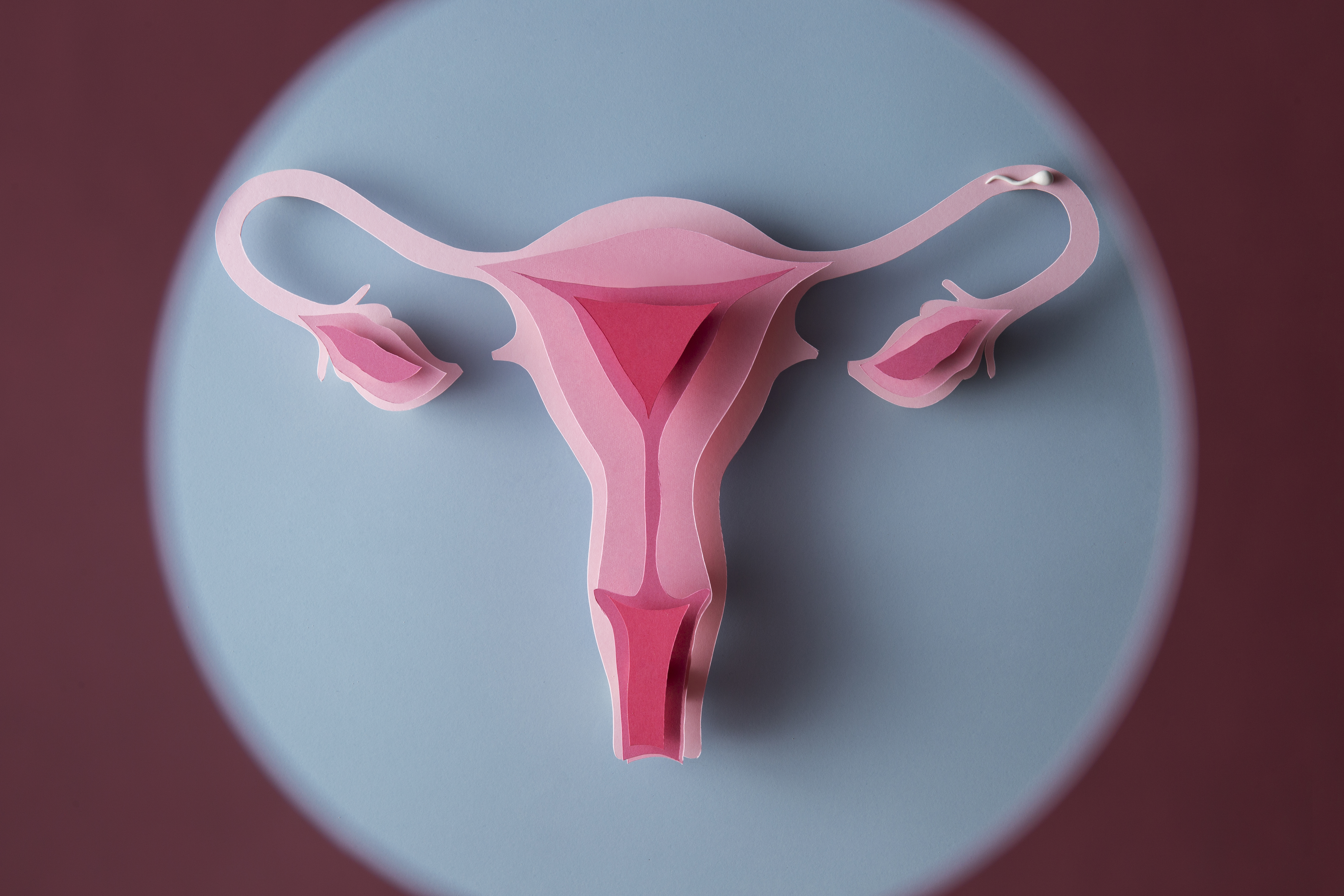
- Fallopian Tube Damage or Blockage: The fallopian tubes play a crucial role in fertilization as they carry the egg from the ovary to the uterus. Damage resulting from pelvic infections, endometriosis, and past surgeries may cause the fallopian tubes to be blocked, which makes the fertilization process impossible and therefore results in infertility.
- Uterine Abnormalities: The uterus may develop structural issues due to fibroids, polyps, or congenital uterine defects. These issues obstruct implantation and, therefore, pregnancy.
- Advanced Age: In women over 35, the quality of eggs may diminish, thus making the process of conception more difficult.
What are the Causes of Primary Infertility in Men
- Semen Quality Issues: Low sperm count, poor motility, or abnormal morphology can hinder fertilization.
- Fertility can be negatively impacted by smoking, drinking too much alcohol, being overweight, experiencing stress, and eating an unhealthy diet.
- Conditions like a varicocele, infections, hormonal imbalances, or even the presence of scars resulting from a previous surgery may lead to a decrease in sperm production and poor reproductive health.
Diagnosis of Primary Infertility
At Zemya IVF & Fertility Clinics, the evaluation comprises:
Ultrasound: To assess ovarian reserves, uterine structure, and locate cysts or fibroids.
Hormonal Tests: To detect ovulation disorders and endocrine dysfunction.
Semen Analysis: To assess sperm count, motility, and morphology.
Hysterosalpingography (HSG): To check the condition of the fallopian tubes and uterus.
Lifestyle Assessment: Evaluating diet, stress levels, and habits that may influence fertility.
Treatment Options with Primary Infertility
- Ovulation Induction: Hormones are given to help a woman release an egg and increase the chances of conceiving on her own.
- IUI (Intrauterine Insemination): Sperm is prepared and put straight into the uterus at ovulation, thus fertility problems are partially bypassed.
- IVF (In Vitro Fertilization): The procedure where eggs and sperm are joined outside the body, and the resulting embryos are placed in the uterus. In case of a blockage of the fallopian tubes or severe male factor infertility, IVF is the method of choice.
- Lifestyle Adjustments: Keeping a proper weight, eating a healthy diet, managing stress, and giving up smoking or alcohol.
- Surgical Interventions: Surgery to fix pelvic adhesions, unblock fallopian tubes, or correct uterine abnormalities.
Secondary Infertility
Secondary infertility is when a couple that has already conceived is unable to conceive again after one year of trying. Such an infertility type is usually emotionally difficult, as the couple has been through pregnancy and may not anticipate having trouble conceiving.
Causes of Secondary Infertility in Women
Age-Related Fertility Decline: After the first pregnancy, the quality of eggs produced may worsen with the woman’s advancing age.
Pelvic Adhesions or Scarring: Surgeries, infections, or complications from previous pregnancies may have caused adhesions that negatively impact the fallopian tubes or the uterus.
Hormonal Disorders: Onset of diseases such as PCOS, thyroid dysfunction, or hyperprolactinemia may lead to lack of ovulation.
Lifestyle Changes: The post, first pregnancy weight gain, increased stress level, or poor nutrition may affect fertility.
Causes of Secondary Infertility in Men
Semen Quality Decline: Age, lifestyle, and newly developed medical conditions may lead to decreased sperm count and motility.
Medical Conditions: Diabetes, infections, and the use of certain medications can negatively impact sperm production.
Lifestyle Factors: Stress, unhealthy eating habits, and poor lifestyle choices can cause fertility issues that may arise even after a previous successful conception.
Diagnosis of Secondary Infertility
The diagnostic approach is largely the same as for primary infertility, but emphasis is placed on the changes since the last pregnancy:
Ultrasound: To evaluate ovarian health, uterine condition, and identify potential fibroids or cysts.
Hormonal Tests: To assess ovulation and reproductive health in general.
Semen Analysis: To detect lowered sperm quality or motility.
Hysterosalpingography (HSG): To determine the patency of fallopian tubes, especially if pelvic surgery or infection has occurred after the last pregnancy.
Treatment Options for Secondary Infertility
- Ovulation Induction: Allows women who have irregular ovulation to reproduce.
- IUI: Works well when a male factor is only mildly present or when the cause of the infertility is unknown.
- IVF: Used as a resort in case of a severe blockage of the fallopian tubes, low egg quality, or sperm abnormalities.
- Surgery: The healing of pelvic adhesions, blocked fallopian tubes, or uterine abnormalities.
- Lifestyle Modifications: Geared towards enhancing fertility, such as nutrition, physical activity, and stress control.
Key Differences Between Primary and Secondary Infertility
| Feature | Primary Infertility | Secondary Infertility |
|---|---|---|
| Definition | Couple has never conceived | Couple has conceived before but cannot conceive again |
| Common Causes in Women | Ovulation disorders, blocked fallopian tubes, uterine abnormalities | Age-related decline, pelvic adhesions, hormonal disorders |
| Common Causes in Men | Poor sperm quality, lifestyle issues, medical conditions | Decline in sperm quality, lifestyle changes, new medical conditions |
| Emotional Impact | Anxiety, stress, depression | Frustration, emotional stress, feelings of failure |
| Treatment Options | Ovulation induction, IUI, IVF, lifestyle changes, surgery | Ovulation induction, IUI, IVF, surgery, lifestyle adjustments |
| Time to Diagnosis | Typically after 12 months of trying | Often delayed due to prior pregnancy experience |
Understanding these differences is important, as the treatment strategy for secondary infertility may differ depending on the age, health, and fertility problems that have arisen since the first pregnancy.
Common Problems Affecting Fertility
- Polycystic Ovary Syndrome (PCOS): Disrupts the normal process of ovulation and hormonal balance.
- Fallopian Tube Damage: May be caused by infections, pelvic surgeries, or endometriosis.
- Low Sperm Count or Quality: Reduces male fertility potential.
- Lifestyle Factors: Stress, obesity, smoking, alcohol consumption, and poor nutrition can harm both male and female fertility.
- Pelvic Health Issues: Adhesions or chronic infections may be the cause of difficulties in conception.
- Hormonal Imbalances: Impair ovulation in women and sperm production in men.
How to Improve Fertility
Maintain a healthy lifestyle that includes a balanced diet and regular exercise. Avoid smoking, alcohol, and excessive caffeine intake. Work on reducing stress and make mental health a priority. If you have infertility problems, don’t hesitate to consult a fertility specialist. Medical interventions such as IUI or IVF may be appropriate for couples with a fertility-related medical condition. Routine check-ups and ultrasound scans can serve as a monitoring tool for reproductive health.
The Role of IVF and IUI
Advanced reproductive technologies are a source of hope for couples suffering from primary or secondary infertility:
IVF (In Vitro Fertilization): Fertilization is done externally, and embryos are later placed in the uterus. This method is especially beneficial in the case of blocked fallopian tubes, poor sperm quality, or a woman with PCOS.
IUI (Intrauterine Insemination): The sperm is prepared and then directly placed into the uterus, thus overcoming certain fertility issues that occur naturally. This method is less invasive than IVF and is consequently a first treatment choice for mild male factor infertility or unexplained infertility.
Conclusion
Infertility hits hard, both emotionally and physically, whether you’re struggling to have your first child or facing problems after already having one. The main thing that separates primary from secondary infertility is pretty simple: Primary means you’ve never conceived, and secondary means you’ve had a child before but can’t now. Either way, it usually comes down to things like egg or sperm health, blocked tubes, problems with ovulation, or just overall health issues.
At Zemya IVF & Fertility Clinics, our doctors really take the time to get to know you and what you need. We’ll dig into the root causes, run the right tests, and talk you through options like IVF or IUI. With the latest treatments and a personal approach, we help you move closer to pregnancy.
Honestly, when you have a team behind you, make some healthy changes, and get the right medical care, dealing with infertility feels a little less overwhelming. Couples facing either kind of infertility have real hope for building their family.