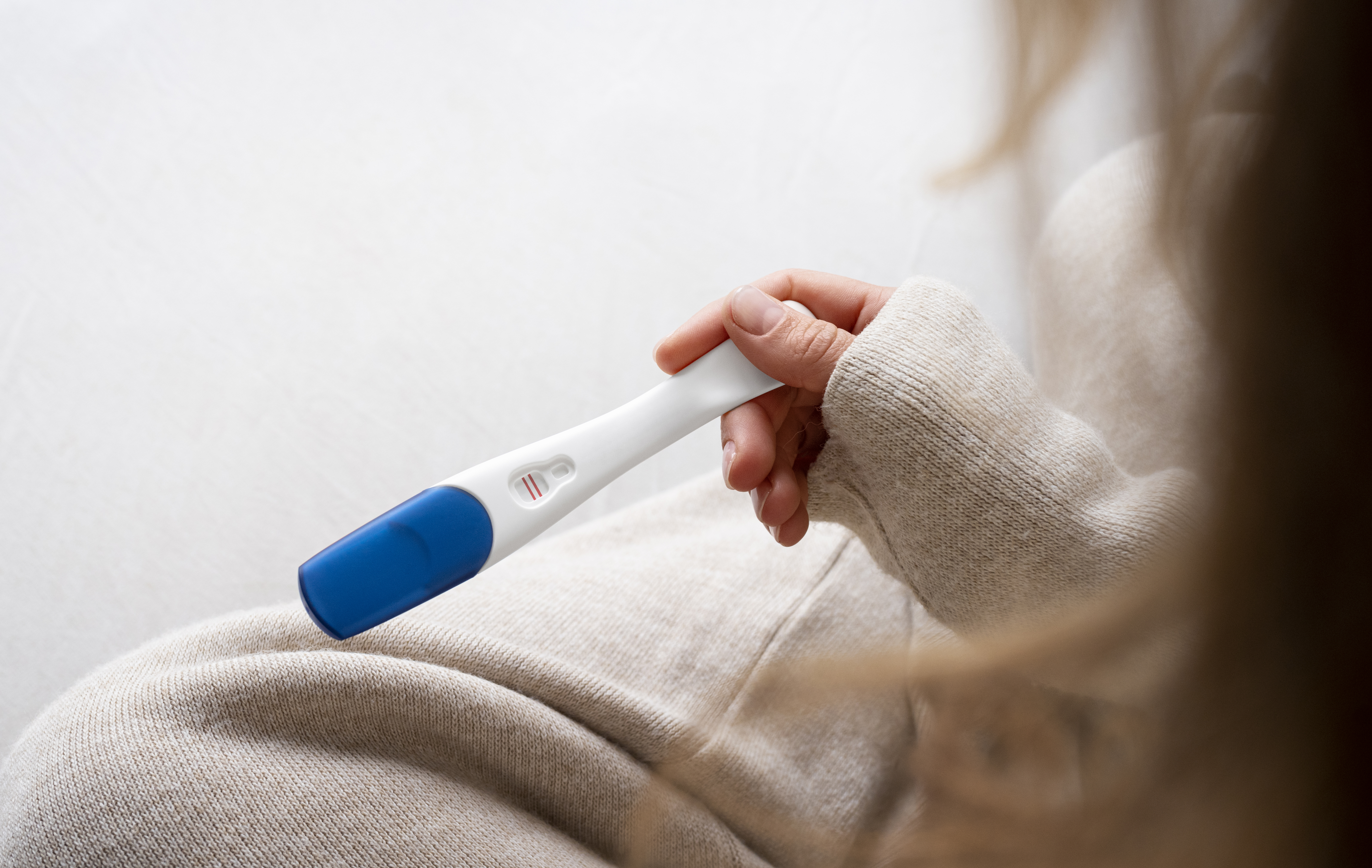
- Egg freezing is a method to preserve female fertility and can be used to store a woman’s eggs for later use. However, it does not assure a pregnancy.
- The main factors determining the success of a pregnancy using frozen eggs are the age at which the eggs were frozen, the quality of the eggs, the number of eggs frozen, and the general reproductive health.
- Today, freezing methods such as vitrification are very good in terms of egg survival. Nevertheless, not every frozen egg will result in embryo development or a live birth.
- It is always better to consult a fertility specialist if you are considering egg freezing. A doctor can provide information on the realistic expectations, the costs, the risks, and the long-term outcomes of egg freezing.
Egg freezing is a trend that has gained a lot of attention lately, as more and more women see it as a viable way to preserve their fertility for later. Choosing a career, getting a medical condition, or simply not being ready to have children yet are just some of the reasons that lead women to think that freezing their eggs is the best solution to keep their reproductive future open. Still, the question of whether egg freezing can be considered a sure ticket to pregnancy is one that is often asked and, above all, still unresolved.
At Zemya IVF & Fertility Clinics, the decision to freeze one’s eggs is not taken lightly, as the doctors are focused on giving all the necessary information to the patient. They make it clear that this is a method that can come to the rescue, but also, at the same time, has its own limits.
Read More: Symptoms of Low Sperm Count: A Guide to Male Fertility
Understanding Egg Freezing and Its Purpose
Egg freezing or oocyte cryopreservation is a fertility preservation strategy whereby the eggs of a woman are harvested, frozen, and kept for a later date. The idea is to keep younger, healthier eggs that would have gotten worse with age.
Egg freezing is not a direct treatment for infertility. Egg freezing offers a preventive measure designed to save the fertility potential. Although egg freezing may give the patient a chance and some freedom, it is not a promise of pregnancy at a later time.
The Egg Freezing Process Explained
The process of egg freezing is medically very detailed and involves multiple stages that are monitored carefully. It all starts with ovarian stimulation. This is where hormone injections are administered to the ovaries to make them produce several eggs instead of one, which will usually be the case in a menstrual cycle. Blood tests and ultrasound scans are performed to monitor the growth of the follicles and to check hormone levels.
If the eggs are mature, the egg retrieval operation will be carried out. This is a small surgical process, and it is done when the patient is sedated. The eggs are removed through the vaginal wall with the help of ultrasound guidance. Usually, the egg retrieval operation takes about 20 to 30 minutes.
After selecting healthy eggs, they are frozen right away with the help of modern freezing methods. They are stored in liquid nitrogen at very low temperatures to ensure that their structure and quality do not change until they are used later on.
Freezing Techniques and Egg Survival
Previous techniques involved slow freezing or slow cooling, which heightened the chance of ice crystals forming inside human oocytes. The ice crystals would injure the eggs and cause the survival rate after thawing to be low.
Currently, reproductive medicine has turned to vitrification, a rapid freezing method that almost eliminates the formation of ice crystals. It has been found that vitrification has higher survival rates for frozen eggs and better results at the thawing stage than slow cooling.
Still, a fraction of eggs will not survive the thaw even with the best techniques. Some frozen thawed oocytes may fail to fertilise or develop into viable embryos. Does Egg Freezing Guarantee Future Pregnancy?
The straightforward answer is that egg freezing does not promise pregnancy later on. It is a method that can be used to increase the chance of pregnancy, but it cannot guarantee success.
Whether freezing eggs results in pregnancy after thawing depends on several factors.
The age of the woman when the eggs are frozen is probably the most important factor. The eggs of a younger woman are, in general, of better quality and have less chance of chromosomal abnormalities. A woman with a good ovarian reserve is able to produce more eggs, and therefore, more eggs can be frozen.
The number of eggs frozen is also very important. The reason for this is that if many eggs are frozen, there will be a greater chance that at least some of the eggs will be fertilized and will lead to a live birth. Yet, not even with a lot of eggs can success be assured.
From Frozen Eggs to Pregnancy
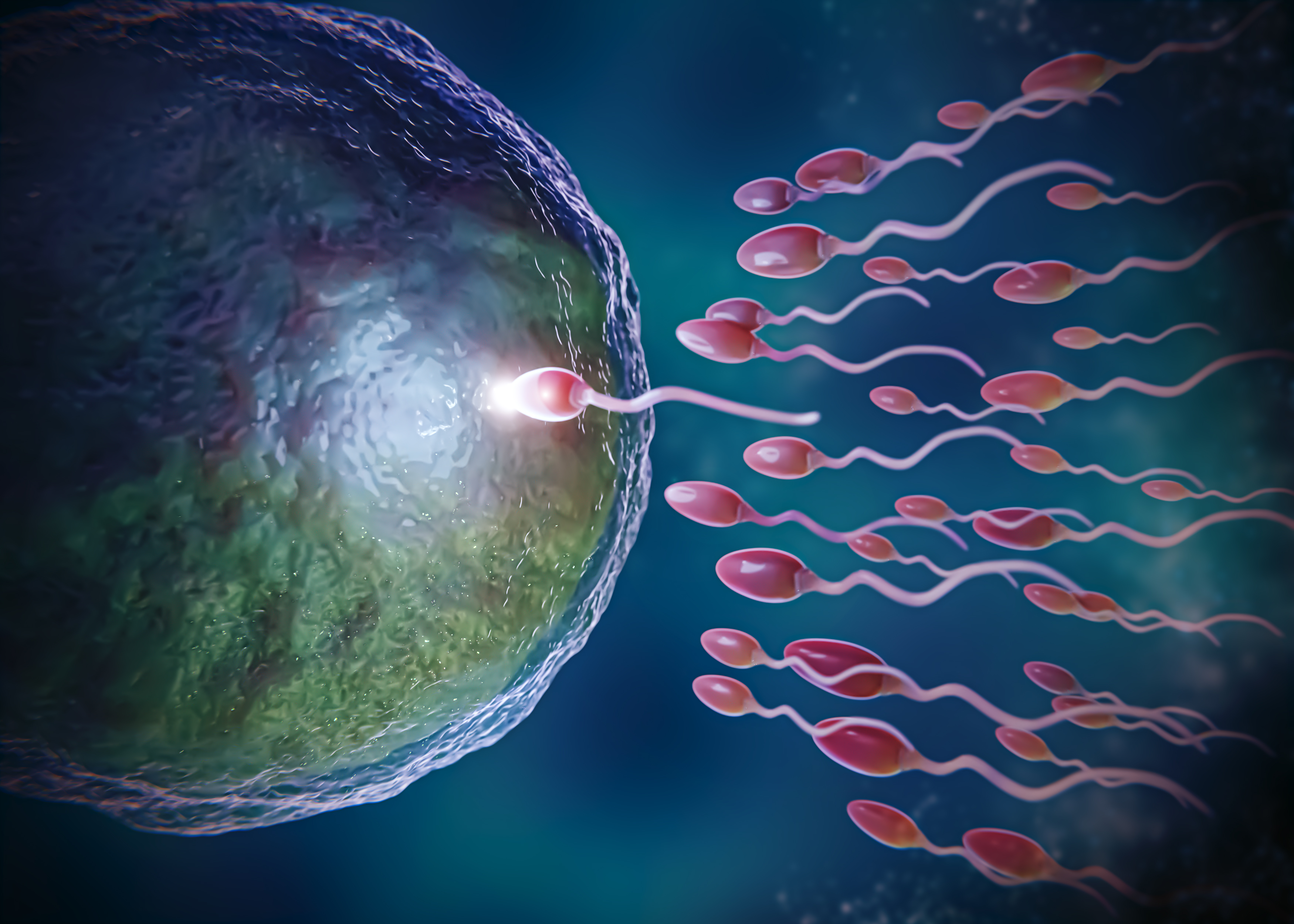
If a woman chooses to use her frozen eggs, the eggs will be thawed and fertilized through in vitro fertilization. Usually, intracytoplasmic sperm injection is performed, in which one sperm is directly injected into the egg in order to enhance fertilization. This may be done with the sperm of the partner or a donor. After fertilization, the embryos are checked for growth before being placed in the woman’s uterus through the embryo transfer process. Implantation can be very successful when the embryo is of good quality, the uterus is healthy, and the general reproductive health is good. Some fertilized eggs may not develop into healthy embryos, and some embryo transfers may not result in pregnancy. Also, pregnancy difficulties may arise, as in the case of natural conception.
Medical and Social Reasons for Egg Freezing
Egg freezing might be advised for a woman who is about to go through cancer treatment or any other medical treatment that may affect her fertility. Besides that, it has been considered for women with premature ovarian failure, fragile X syndrome, or a strong family history of early menopause.
Women who want to delay pregnancy due to personal or professional reasons usually go for social egg freezing or elective egg freezing. A family history of early menopause is also a factor that can influence a decision to freeze eggs at a younger age.
Egg freezing is a way to keep fertility for later, but it should be seen as a choice, not a guarantee.
Risks and Side Effects of Egg Freezing
Egg freezing is considered safe in most cases. However, it is still a medical process, and the patient should be aware of the associated risks. The hormone injections aimed to stimulate the ovaries may lead to a sensation of pressure in the abdomen, mood changes, and a general feeling of discomfort.
Ovarian hyperstimulation syndrome may develop in women, whereby the ovaries become swollen and painful in a very rare situation. The condition is generally mild; however, it still requires close medical supervision. The operation to remove the eggs is a brief and painless procedure; however, there is a slight chance that complications such as infection or bleeding may arise, just as with any other medical procedure.
Egg Freezing and Future Fertility
Egg freezing is not a method of stopping natural ageing, and it does not provide a guarantee of conceiving in the future. The uterus and the overall health of the woman, including the reproductive system, will continue to age.
It is also possible that reproductive health-related conditions may arise and, therefore, affect the results of pregnancy. Egg freezing can only be considered as a solution for a certain fraction of infertility issues since it does not safeguard against all causes of infertility and complications during pregnancy.
Who Should Consider Egg Freezing?
- Women who want to delay motherhood for career, education, or personal growth
- Those Without a Partner: Keep fertility intact until a suitable partner is found.
- Cancer patients can also freeze their eggs in advance, as chemotherapy and radiation can harm the ovaries
- Individuals with certain medical conditions, like Autoimmune diseases (like lupus) or endometriosis that may experience fertility issues, thus making egg freezing a smart move.
- Family of Early Menopause: Keeps fertility for those who are likely to have the ovaries decline at an early stage, as stated in this NIH article.
A consultation with a fertility doctor or reproductive endocrinologist is required before proceeding with the egg freezing procedure. Evaluation of ovarian reserve, the menstrual cycle, and general health will help figure out if egg freezing is the right choice.
Egg Freezing in Assisted Reproductive Technology
Egg freezing is a major part of the armamentarium of assisted reproductive technology and, for a long time, has been a huge contributing factor to the advances of the human reproductive sciences. The success rates have progressively improved as technologies have become more advanced and clinical skills have deepened. Egg freezing or, later, embryo freezing, and sperm freezing are all methods used to safeguard fertility in the future and to enable family planning.
Making an Informed Decision
Preserving eggs can be a very practical and reassuring option, but it is never a guarantee, as some people tend to think. Realistic results make it possible for women to be in total control of their reproductive future by making the right choices.
At Zemya IVF & Fertility Clinics, doctors specializing in reproductive health support women, thus taking off their shoulders all the burden that comes from the first visit, egg retrieval, and subsequent IVF treatment. Women can work out the role of egg freezing in their fertility plan by getting professional advice and personalised attention.
Conclusion
Therefore, can egg freezing be considered as a guarantee of a pregnancy in the future? The answer remains negative. Freezing eggs is a method that can be used to raise the chances of having biological children later on; nevertheless, the success is influenced by age, quality of eggs, the number of eggs frozen, and reproductive health. Egg freezing is a valuable fertility-saving method that has the potential to give women more liberty in organising their reproductive lives; however, it is not a guarantee. If used judiciously and under medical supervision, this option can be very helpful.