- It is quite normal for women to experience mild cramping, light spotting, or discomfort following an IUI treatment, and these symptoms usually go away in a short time.
- The effectiveness of intrauterine insemination is influenced by factors such as the age of the woman, sperm quality, timing of ovulation, and general fertility condition.
- It goes without saying that feelings will change during those 14 days’ wait, and you really need to be patient while waiting for the pregnancy results.
- A pregnancy test is normally recommended about 14 days after the IUI treatment to confirm the results with accuracy.
Intrauterine insemination is a widely suggested fertility solution for couples encountering mild infertility problems. A lot of patients get worried after the treatment and want to know the next steps. Learning what to expect after intrauterine insemination IUI treatment is one of the ways to lower stress levels, and thus, couples can also make good use of the appropriate care steps during this vital phase.
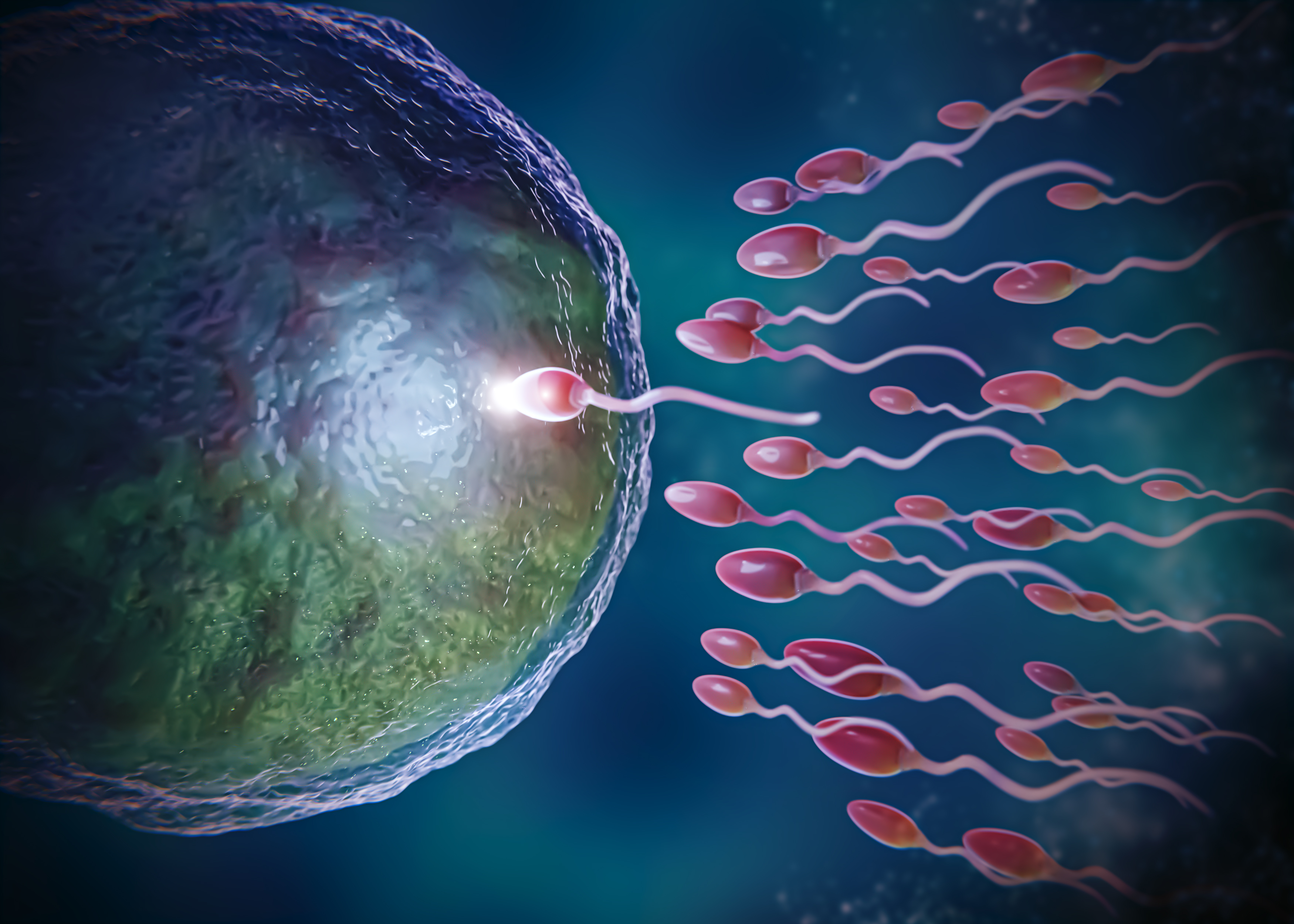
Fertility clinics are performing IUI to place the suitably prepared sperm directly into the uterus to enhance the chances of fertilisation. After finishing the procedure, the period after the treatment is of equal importance for the success.
Immediately After IUI Treatment
After IUI treatment, most women are advised to rest for a short period at the clinic. The procedure itself is simple and usually painless. Mild cramping, light spotting, or a feeling of heaviness in the lower abdomen may occur. These symptoms are normal and usually settle within a few hours.
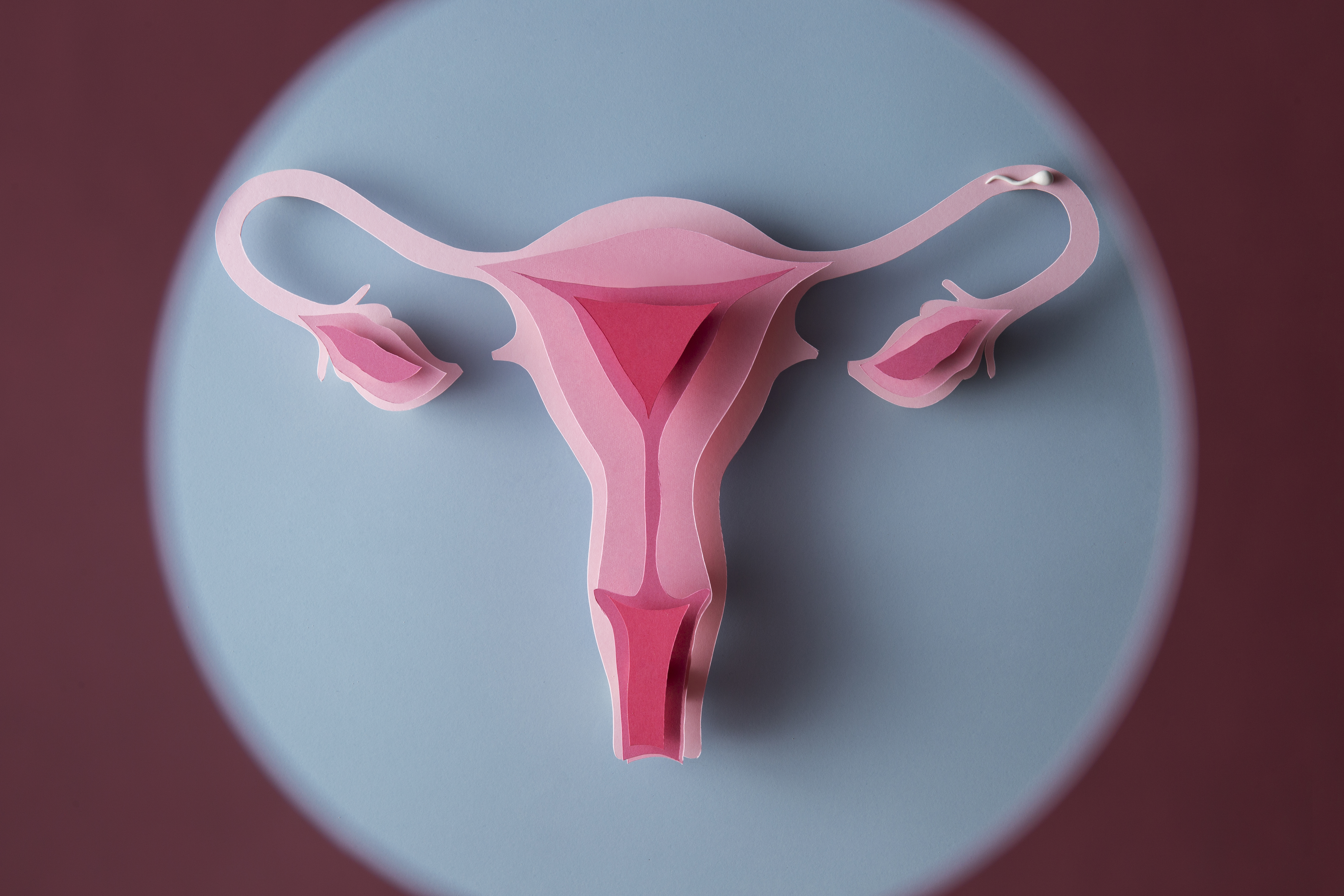
Intrauterine insemination is a procedure in which sperm is placed into the uterus at the time of ovulation. Since no surgery is involved, normal daily activities can usually be resumed on the same day, unless the doctor suggests otherwise.
Physical Changes You May Notice
After the IUI, the doctor usually recommends that the woman rest a little while at the clinic. The procedure is straightforward and generally painless. You might experience a slight cramping, a little bleeding, or a pressure feeling in the lower part of the abdomen. These are common symptoms and normally go away after a few hours.
Intrauterine insemination, or IUI, is a process during which sperm are placed directly into the uterus when the woman ovulates. As there is no operation involved, you can probably continue with your normal daily activities on the very day, unless your doctor tells you something different.
Emotional Changes After IUI
The time after an IUI treatment might be a tough emotional ride. There are lots of different feelings, such as hopeful, anxious, or stressed, that a lot of couples experience while waiting for the result. This phase is commonly referred to as the two-week wait. Mood swings and emotional fluctuations are typical and totally normal when you are going through fertility treatments.
Having your partner’s support and sticking to your regular daily activities can halve the emotional tension. And, it’s better not to scrutinize every single symptom excessively, as not all of the changes are related to pregnancy.
Activities and Lifestyle After IUI
Doctors normally advise leading a healthy lifestyle after intrauterine insemination. Gentle movements such as walking are permitted; however, it is highly recommended to stay away from heavy exercise or strenuous workouts for at least a few days.
Maintaining adequate hydration, eating nutritious meals, and getting enough sleep are not only essential for your overall health but also improve your reproductive fitness.
One should totally avoid smoking, drinking, and excessive caffeine intake as they can negatively impact fertility. After IUI, intercourse may be recommended from time to time to facilitate conception chances, which mainly depend on the method used.
Success Rate of IUI Treatment
The effectiveness of intrauterine insemination (IUI) is determined by various factors such as the patient’s age, the reason for infertility, sperm quality, and ovulation health. Generally, IUI for women in their younger years with regular ovulation and healthy sperm parameters can lead to more successful results.
IUI की सफलता दर कई कारकों पर निर्भर करती है और हर मरीज में अलग हो सकती है, इसलिए व्यक्तिगत परामर्श जरूरी होता है। Doctors usually recommend multiple cycles of IUI if pregnancy does not occur in the first attempt, as success rates can improve over repeated cycles.
When to Take a Pregnancy Test After IUI
One of the common questions is about the timing to test for pregnancy after IUI. Generally, doctors suggest that you wait for 14 days after the procedure before taking a pregnancy test. Testing very early may lead to false results as the test can mistake the hormones left from the medication for pregnancy ones.
Blood tests are more precise than home urine tests and can identify pregnancy even at a very early stage. Your fertility doctor will advise you on the right timing for taking the test.
Possible Signs of Pregnancy After IUI
Some women may have early pregnancy symptoms such as menstrual period delay, morning sickness, slight abdominal pain, or breast tender/numbness. However, the absence of any symptom does not imply that the IUI has failed. To tell the truth, a lot of pregnancies that have led to baby deliveries were without any early indication.
One should also remember that each human body is a different biological organism; its reactions to drug therapies are different. Besides, pregnancy cannot be verified solely based on the presence or absence of symptoms.
When to Contact Your Doctor
After undergoing IUI treatment, you need to contact your doctor if you experience very severe symptoms such as sharp stomach pain, heavy bleeding, high fever, or feeling very uncomfortable. It is worth mentioning that such manifestations are very rare, and if they do occur, the proper course of action is to have a medical examination.
Regular check-ups play a crucial role in keeping track of the progress and addressing any problems that might come up during the waiting period.
Final Thoughts
Knowing what to expect after intrauterine insemination (IUI) treatment may help keep your stress level low. IUI is considered a safe and effective method to help get pregnant, and hence it is the first step before going to more complicated methods.
Many couples are able to enjoy a successful outcome through proper care, emotional support, and medical guidance.
IUI treatment के लिए किया जाता है उन दंपतियों में जहां प्राकृतिक गर्भधारण में कठिनाई हो सकती है, और सही समय पर उपचार से सफलता की संभावना बढ़ सकती है। Staying informed, patient, and hopeful plays an important role in the fertility journey.