- Fallopian tube reversal surgery may enable patients who have had their tubes tied previously to become naturally fertile again if they desire to have another baby.
- The success of a tubal ligation reversal surgery varies with age, ovarian function, the method used for tubal ligation, and the length of the remaining fallopian tubes.
- There is an increased chance of ectopic pregnancy after tubal ligation, so close monitoring of early pregnancy is crucial.
- Experts in IVF at Zemya IVF & Fertility Clinics are committed to providing such patients with individualised advice that will enable them to decide between tubal reversal and IVF treatment based on their fertility situation.
Fallopian tube reversal surgery has become one of the fertility treatment options for women who initially decided on permanent birth control but now want to have children. The majority of the women who were tubal ligated at a young age, for one reason or another, are now looking for ways that will help them restore fertility. It is imperative to understand fallopian tube reversal surgery, the surgical procedure, advantages, risks, and considerations prior to making a decision that best suits one’s needs.
Fertility experts at Zemya IVF & Fertility Clinics, which have been recognized as the Best IVF clinic in Delhi, offer complete guidance to patients on tubal surgery, fertility treatment, as well as advanced assisted reproductive options that are geared towards women achieving a successful pregnancy.
What Is Fallopian Tube Reversal Surgery?
Fallopian tube reversal surgery, or tubal ligation reversal surgery, is essentially a fertility restoration surgical procedure after the tubal ligation operation. Tubal ligation is a type of permanent birth control, where the fallopian tubes are cut, tied, or blocked to prevent the woman from getting pregnant. Reversal surgery restores the continuity of the fallopian tube, allowing the fertilized egg to travel naturally from the ovary to the uterus.
Women with normal ovarian function and enough remaining fallopian tube length after their first tubal ligation are the ones who are most suitable for this surgery as a fertility-restoring option.
Understanding the Role of the Fallopian Tubes
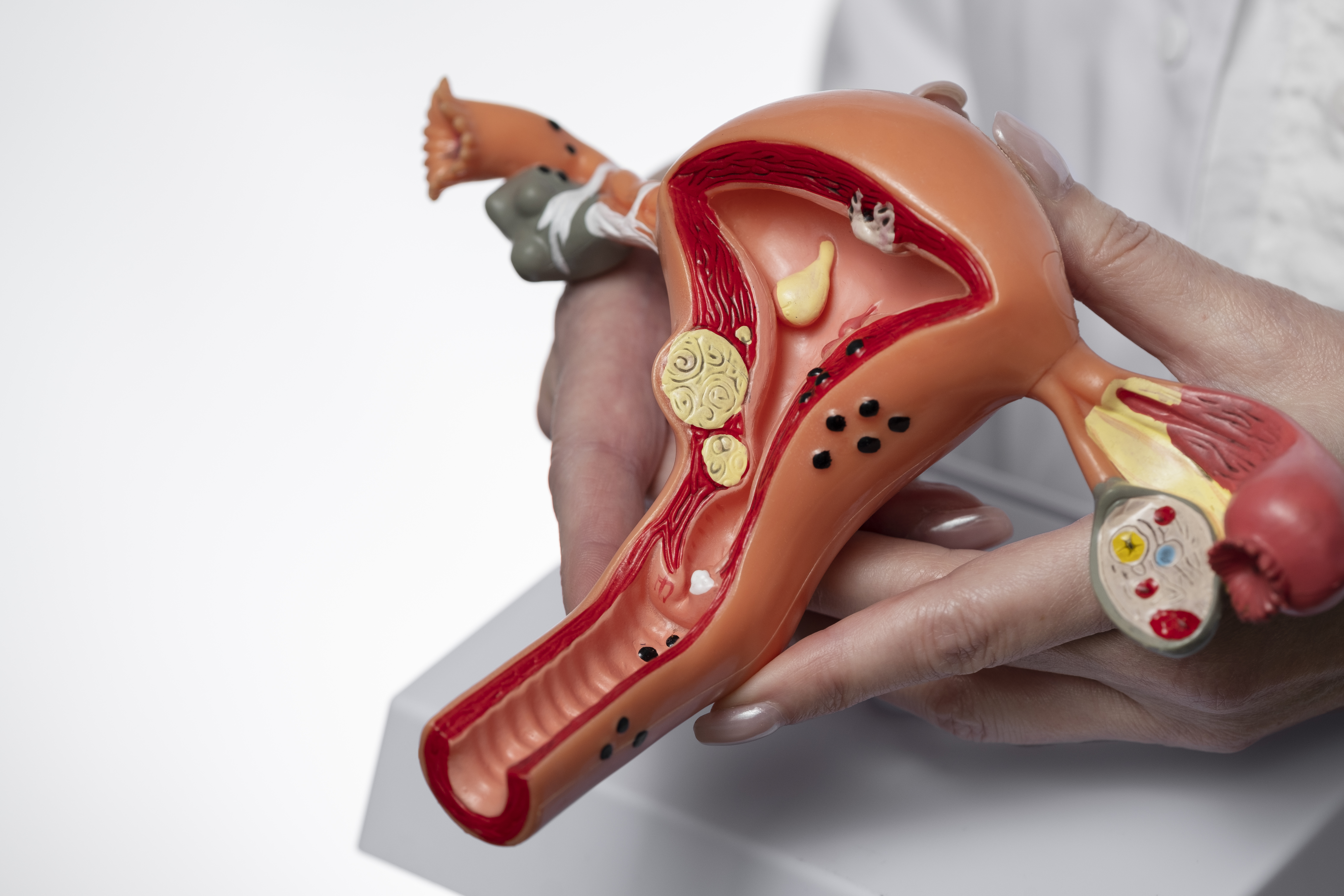
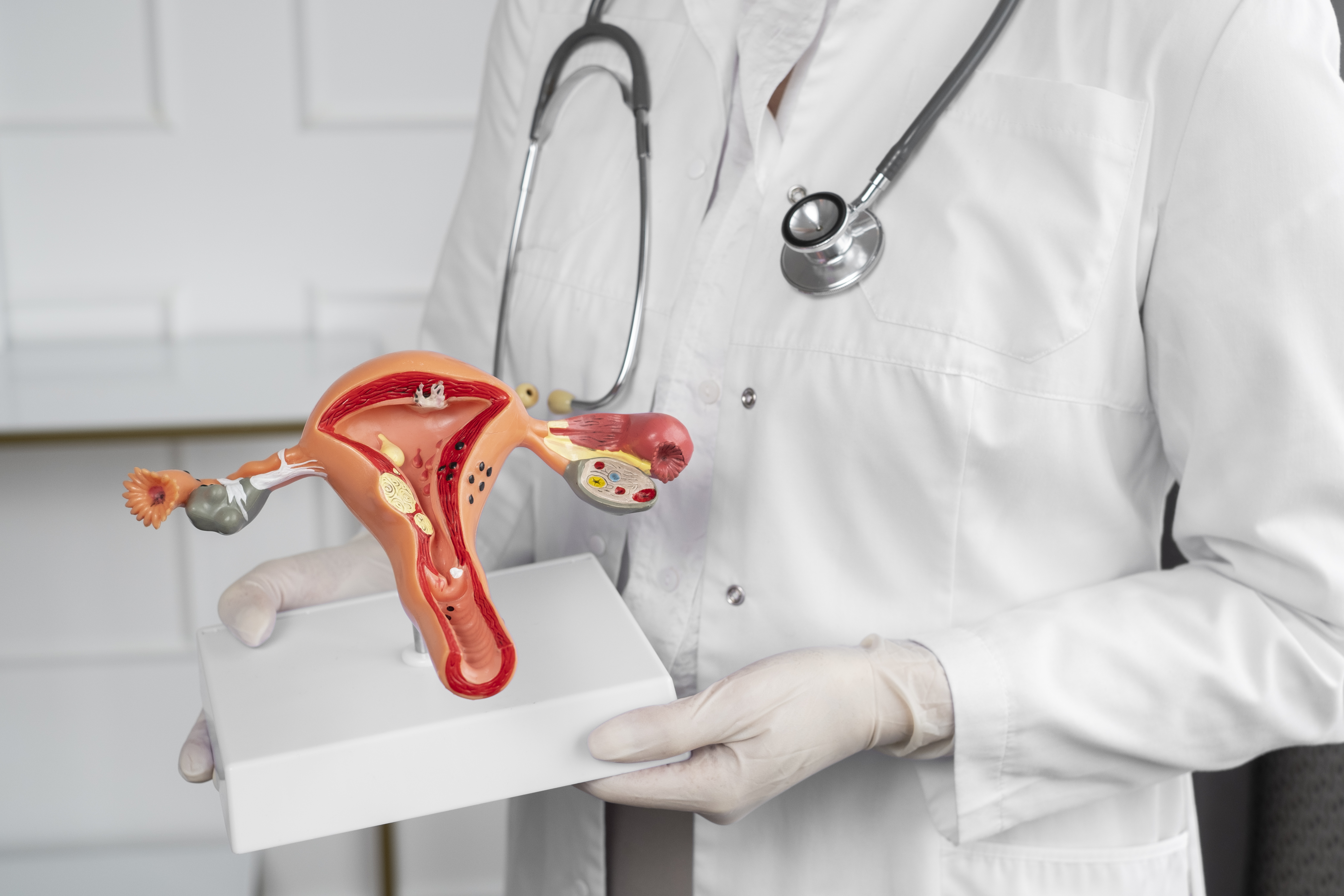
The fallopian tubes are essential for natural conception. The egg goes down the fallopian tube after ovulation, and this is where the sperm and egg meet. The fertilized egg continues its journey to the uterus to be implanted. The cutting off of the pathway by tying or removing the tubes causes pregnancy to be impossible.
In case of normal conditions, the main goal of the fallopian tube operation is to restore the natural way of getting pregnant, so the woman can have a baby without the help of an IVF treatment.
Types of Tubal Ligation and Their Impact on Reversal
Not all tubal ligation procedures are the same, and the type of procedure performed affects the success of tubal ligation reversal.
Some women undergo partial salpingectomy, where a portion of the tube is removed. Others may have had a complete salpingectomy, which involves the complete removal of the entire fallopian tube. Procedures like bilateral salpingectomy or bilateral salpingo-oophorectomy permanently remove one or both fallopian tubes, sometimes along with one or both ovaries, making reversal impossible.
Women with minimal scar tissue, preserved tube length, and no fallopian tube removal are better candidates for tubal reversal.
Who Is an Ideal Candidate for Tubal Reversal?
Fallopian tube reversal surgery is not an option for every woman. There are many factors, such as age, ovarian function, medical history, and the method that was used for tubal ligation surgery, which affect the decision of who is suitable.
The likelihood of success is greater for those who had tubal ligation at a young age, have regular periods, normal endometrial tissue, and no history of gynecologic cancers or severe sexually transmitted infections.
A comprehensive fertility work-up in a fertility centre with expertise is necessary prior to the procedure.
The Surgical Procedure Explained
Tubal ligation reversal is a surgical procedure that can be done through open surgery, mini laparotomy, or laparoscopic surgery. Usually, a minimally invasive operation using tiny incisions is preferred since it results in a shorter recovery period and less risk of complications.
Essentially, the surgery involves removing the blocked or cut portions of the fallopian tube, and the surgeon then carefully reconnects the healthy ends with fine sutures or medical glue. The restoration of tubal patency and normal functioning is the main objective of the surgery.
Experienced IVF specialists at Zemya IVF & Fertility Clinics, using advanced surgical techniques in their well-equipped surgical center, perform surgeries for precision and safety.
Recovery Time and Follow-Up Care
Recovery time after a tubal reversal depends greatly on the surgical method used. With laparoscopic surgery, healing time is usually shorter since it is less invasive than open surgery. Patients often feel well enough to do light activities after only a few days, although total recovery might still take a couple of weeks.
Checking in with your doctor is very important to make sure the incision site is healing well and to evaluate how the tubes are working. Physicians sometimes suggest diagnostic imaging as a means of verifying that the uterus and fallopian tubes are operating normally.
Chances of Pregnancy After Tubal Reversal
Many women become pregnant in a natural way after tubal reversal, frequently during the first year. Getting a positive result on your pregnancy test means that your fertility has been restored, but you will need to be closely monitored during the initial stages of your pregnancy.
The chance of a tubal pregnancy is greater following tubal surgery. An ectopic pregnancy happens when a fertilized egg is implanted somewhere outside the uterus, most commonly inside the fallopian tube. The sooner an ectopic pregnancy is diagnosed and treated, the more fertility can be preserved for the future.
Risks and Complications of Fallopian Tube Reversal
Reversal of tubal surgery, like any surgical procedure, involves some risk. Tubal reversal risks include blood clotting, infection, damage to nearby organs, the development of scar tissue, and complications due to anesthesia.
Moreover, there is an increased risk of ectopic pregnancy after tubal surgery.
Women who have had a previous ectopic pregnancy or have a lot of scar tissue might not be good candidates for the reversal of tubal ligation.
Fallopian Tube Removal and Cancer Prevention
There are times when fallopian tubes are taken out as a preventative step to avoid cancers of the female reproductive system. Both opportunistic salpingectomy and salpingectomy operations are being more and more advised to lessen the chances of ovarian cancer and fallopian tube cancer, particularly in women with a gene mutation or a strong family history.
After removal of the fallopian tubes, it is not possible to reverse the surgery, and hence, IVF is the main therapeutic method for pregnancy.
Tubal Reversal vs IVF Treatment
Deciding whether to opt for a tubal reversal or to go for an IVF treatment varies from person to person. One of the advantages that tubal reversal offers is the possibility of several natural conceptions, whereas IVF completely bypasses the fallopian tubes.
The specialists in fertility at Zemya IVF & Fertility Clinics elucidate both choices equally. A woman who has one fallopian tube is either intact or one fallopian tube is just functioning, may be able to have tubal ligation reversal. Whereas in the case of others, the IVF treatment in Delhi provides better success rates with predictable results.
Alternative Fertility Options After Tubal Ligation
Should tubal reversal be impossible due to complete removal of the fallopian tubes or other factors, the most effective route to pregnancy is through assisted reproductive technology, e.g., in vitro fertilization.
IVF is a procedure that doesn’t need fallopian tubes and has been a blessing for thousands of women who wanted to get pregnant after permanent sterilization.
Zemya IVF & Fertility Clinics, apart from offering IUI treatment in Delhi, also provide advanced fertility care for complicated infertility cases.
Importance of Choosing the Right Fertility Clinic
Operations on fallopian tubes need very specific skills and high-end facilities. It is of utmost importance to opt for a reputed fertility clinic with IVF experts having the experience to make sure both safety and success
Zemya IVF & Fertility Clinics, being one of the top Fertility Clinics in Delhi, Infertility Clinics in Delhi, and Test Tube Baby Centres in Delhi, offers complete evaluation, morally sound advice, and treatment plans customised according to the needs of the patients.
Emotional and Medical Support Throughout the Journey
Choosing to undo permanent birth control can be a very tough and emotional decision. When they are treated with care and compassion, given counseling, and communicated to clearly, women can feel sure of the decision and trust the process.
Zemya IVF & Fertility Clinics is a patient-centered care facility. They always provide emotional support combined with medical excellence during all stages of the fertility journey.
Conclusion
Fallopian tube reversal surgery can be a great option for women who have had their tubes tied and are now contemplating a new pregnancy. In certain situations, it can effectively open the pathway for natural pregnancy once again; however, it is very important to have a thorough check-up and skilled surgical help.
At Zemya IVF & Fertility Clinics, people can expect a clear explanation about tubal surgery, IVF treatment, and other fertility options that fit their individual circumstances. When medical skill and good choices come together, a lot of women get that step closer to making a baby and having a family.