Overview
Asthenozoospermia is one of the leading causes of male infertility. It refers to a lack of sperm motility, i.e., sperm that are unable to move properly. Sperm motility is very important for natural conception because sperm have to move through the female reproductive tract to reach and fertilize the egg. In case of low motility, even a normal sperm count will not make it easy to get pregnant.
Male fertility problems like asthenozoospermia are subjected to thorough examination using state, of, the, art diagnostic methods followed by personalised treatment planning. With fertility specialists of great repute and the availability of the latest assisted reproductive technology, patients can be assured of receiving the highest standard of care at our IVF centre in Green Park, South Delhi.
What is Asthenozoospermia?
Asthenozoospermia is a disorder marked by the presence of very few or immotile sperm in the semen.
Normally, sperm will be able to swim through the female reproductive tract and fertilise an egg. However, when motility is low, not all sperm are able to reach the egg, which means fewer sperm potentially fertilise the egg.
Sperm motility is one of the parameters analysed during semen analysis and is generally classified into progressive motility, non-progressive motility, and immotile sperm. Asthenozoospermia is diagnosed if the percentage of progressively motile sperm is below the lower limit of the normal reference range.
In terms of sperm function, asthenozoospermia is a cause of infertility because it restricts the number of sperm that are able to penetrate the cervical mucus and travel through the female reproductive tract.
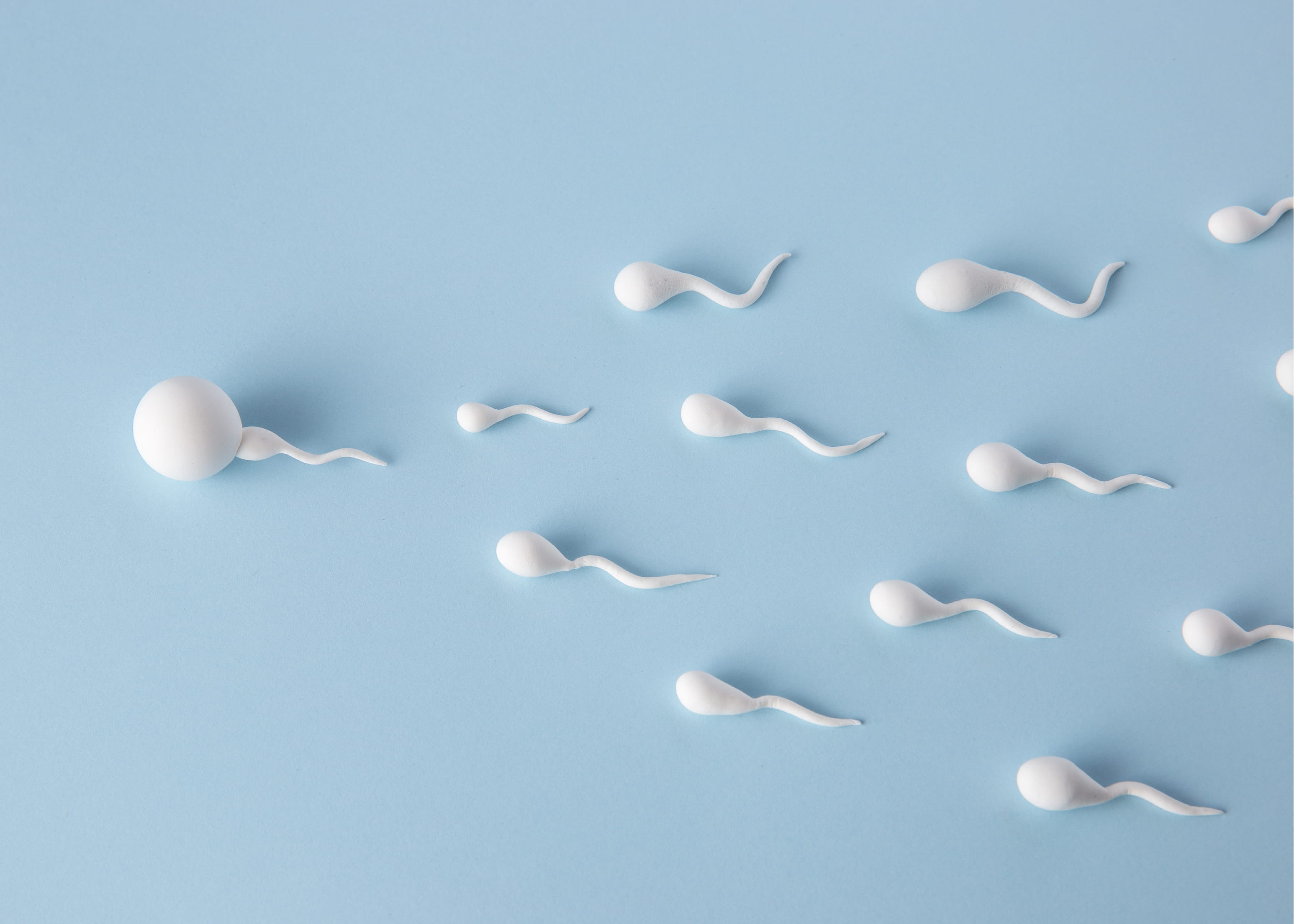
Importance of sperm motility in male fertility
Sperm motility is necessary for the achievement of conception. Progressive motile sperm are needed to swim from the cervix through the uterus and into the Fallopian tubes, where conception happens.
Lower sperm motility can cause:
- Reduced fertility despite normal sperm count
- Difficulty achieving a natural pregnancy
- Lower fertilisation rates
Poor motility can further cause spermatogenic function to be impaired, such as the ability of the sperm tail to move forward.
Causes of asthenozoospermia
The causes of asthenozoospermia may be medical, genetic, or lifestyle-related. Knowing what factors are causing the condition is very important for treating the condition properly.
Some of the causes are as follows:
- Hormonal imbalances affecting sperm production
- Genetic abnormalities and genetic factors
- Reproductive tract infections
- Environmental factors such as heat and toxins
- Smoking excessive and alcohol consumption
- Poor diet and nutrient deficiencies
- Abnormal semen liquefaction
- Sperm duct or reproductive tract blockage
- Impaired sperm development
Moreover, smoking and drinking too much alcohol have been linked to a decrease in sperm motility because these habits negatively impact sperm health and hormone levels.
Asthenozoospermia and male infertility
Asthenozoospermia is a major indicator of male infertility. Even if the sperm production is optimal, the failure of sperm to move towards the egg due to low motility makes natural conception difficult.
Asthenozoospermia can impair:
- Reducing the number of sperm that reach the egg
- Lowering fertilisation potential
- Decreasing chances of natural conception
In extreme cases, asthenozoospermia can result in the complete loss of reproductive capability.
How is asthenozoospermia diagnosed
Asthenozoospermia is diagnosed through a combination of male fertility test. Proper diagnosis is important for effective treatment.
Semen analysis
Semen analysis is the main diagnostic test for sperm motility, sperm count, sperm parameters, and sperm quality. The semen sample is studied under the microscope to assess sperm movement and progressive motility.
Additional diagnostic tests
If results indicate, additional tests may include:
- Blood tests to check hormone levels
- Genetic tests to look for genetic abnormalities
- Tests for infections in the reproductive tract
- Ultrasound to check reproductive organs
Correct diagnosis is essential to understanding if asthenozoospermia is a standalone condition or if it is associated with other fertility issues.
Types of sperm motility disorders
Sperm motility disorders can be divided into:
- Slow progressive motility
- Non-progressive motility
- No motility
- Low motility could be due to defects in the sperm tail, which is essential for moving forward. Such abnormalities affect sperm functions and thus the fertilising ability.
Lifestyle factors affecting sperm motility
Lifestyle factors have a major influence on sperm health and motility.
- Smoking and heavy drinking
- Eating a diet that is low in antioxidants
- Obesity and physical inactivity
- Stress and lack of sleep
Ones lifestyle choices have a great impact on sperm motility, and thus adopting a healthy lifestyle can significantly increase sperm motility over time.
Is it possible to enhance sperm motility?
Yes. Targeting certain areas, sperm motility can be greatly improved in most cases. Treatment is primarily aimed at tackling the root cause and facilitating sperm development.
Changes include:
- Lifestyle changes and weight management
- Healthy and balanced diet
- Antioxidant supplements like vitamin C
- Less alcohol consumption
- Avoiding heat exposure
Such steps could really increase sperm motility and result in successful fertility.
Medical treatment options for asthenozoospermia
Medical treatment is largely dependent on the issue that leads to sperm motility reduction.
Treatment options include:
- Hormonal therapy for correcting endocrine imbalances
- Hormone supplementation, where appropriate
- Treatment of reproductive tract infections
- Antioxidant therapy for maintaining sperm health
A fertility specialist formulates the proper treatment strategy after thoroughly assessing the diagnostic results.
Assisted reproductive techniques for asthenozoospermia
When lifestyle and medical treatment are not enough, assisted reproductive technologies can be an option.
Intrauterine insemination
In the case of mild male factor infertility due to poor sperm motility, intrauterine insemination can be a treatment option. A sample of sperm is prepared, and the sperm with the best motility are placed in the uterus.
Intracytoplasmic sperm injection
Intracytoplasmic sperm injection is a treatment in which a single healthy sperm is injected directly into the egg. This method allows for skipping the problem of sperm motility and drastically increases fertilisation rates in severe cases.
In-Vitro fertilization
In vitro fertilization is a method that enables egg fertilization outside the body. It is quite common that this method is accompanied by injecting a single sperm into an egg to assist a sperm with low motility.
Assisted reproductive techniques ART have completely changed the fertility potential of men with asthenozoospermia.
Asthenozoospermia and a natural pregnancy
It is very likely that a natural pregnancy will be achieved in the case of a mild asthenozoospermia, especially when spermatozoa that are motile in a progressive manner are found. On the other hand, the sperm with lowered motility have decreased chances of fertilizing an egg because they have a hard time getting through cervical mucus.
In cases such as moderate to severe, one may not be able to conceive naturally and hence require fertility treatments to achieve the desired end of the pregnancy.
Importance of early diagnosis
Early diagnosis not only helps avoid unnecessary delays but also can increase the chances of a successful pregnancy. If necessary, treatment can be started immediately. On the other hand, a delayed assessment can result in a couple being infertile for a long time, along with other emotional problems. A prompt visit to a fertility specialist can rapidly assess the situation and decide upon the most beneficial course of treatment.
Frequently Asked Questions
Asthenozoospermia is related to male reproductive fertility, in which the mobility of the sperm is reduced. It means that the sperm is not able to move properly, so it becomes very difficult for it to swim to the female reproductive tract in order to fertilize the egg.
Fertility is affected by asthenozoospermia as it results in a decreased number of sperm with progressive motility that are capable of reaching the egg. Poor motility can therefore greatly reduce the likelihood of natural conception, even if the sperm count is normal
Some of the reasons that may lead to low sperm mobility include imbalances in levels of certain hormones, genetic factors, sexually transmitted infections, lifestyle factors such as smoking and alcohol consumption, improper diets, improper liquefaction of sperm, and abnormalities in the sperm tail.
Yes. Asthenozoospermia can often be treated once it is known why it has occurred. This is achieved through making changes, medical treatment, and through supplements if need be.
In a lot of cases, sperm motility can be improved through healthy lifestyle changes that include losing excess weight, engaging in regular physical activities, eating a well-balanced diet, quitting smoking, and limiting alcohol consumption, as well as taking antioxidant supplements such as vitamin C.
Asthenozoospermia can be diagnosed through a semen analysis. The test measures sperm motion, progressive motility, sperm count, and overall sperm quality. To determine the cause, further blood tests or imaging might be suggested.
Yes. Pregnancy is possible in mild cases of low sperm motility when some of the sperm are progressively motile. In moderate to severe cases, fertility treatments may be required for the purpose of effective conception.
It can be indicated in mild cases: when sperm motility is slightly reduced, though the sperm count is adequate. Washed and concentrated sperm are placed directly into the uterus to facilitate fertilisation.
It applies in cases of severe asthenozoospermia. ICSI stands for Intracytoplasmic Sperm Injection, which helps to overcome sperm motility problems; one sperm is taken and directly placed into the egg, and therefore, fertilization results are highly enhanced.
No. Asthenozoospermia does not impair sexual desire and performance..
Zemya IVF & Fertility Clinics offers comprehensive male fertility assessment, uniquely crafted treatment options, the latest assisted reproductive technologies, and ethical counseling. The clinic epitomizes trust in treating complicated cases of male infertility with expertise and care.