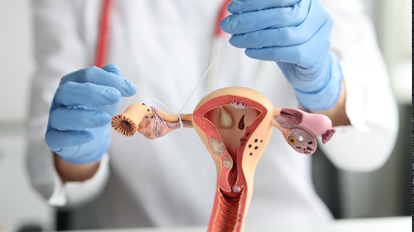
What are Blocked Fallopian Tubes?
Blocked Fallopian Tubes refer to a condition where one or both of the tubes connecting the ovaries to the uterus are partially or completely obstructed. These tubes play a vital role in reproduction by allowing the egg to travel from the ovary to the uterus and enabling fertilization with sperm.
When the tubes are blocked, the egg and sperm cannot meet, preventing natural conception. In some cases, blocked tubes can also lead to ectopic pregnancy or inflammation.
At Zemya IVF & Fertility Clinics, we specialize in diagnosing and treating Blocked Fallopian Tubes in Delhi through advanced testing, medical management, and fertility treatments like IVF.
What causes Fallopian Tube Blockages?
Blockages can develop due to several reasons, including:
- Pelvic inflammatory disease (PID) – often caused by infections like chlamydia or gonorrhea
- Endometriosis – tissue growth outside the uterus can damage or obstruct tubes
- Past abdominal or pelvic surgeries – including C-sections, fibroid removal, or appendectomy
- Tubal ligation (surgical sterilization) – sometimes reversed
- Ectopic pregnancy history – which may scar the tube
- Hydrosalpinx – fluid-filled, swollen tube that hinders implantation
- Tuberculosis of the genital tract – common in certain populations and often silent
- Congenital abnormalities or unknown causes
Some cysts are associated with infertility, especially endometriomas and large functional cysts.
What are the Symptoms of Blocked Fallopian Tubes?
Blocked tubes often cause no noticeable symptoms until a woman struggles to conceive. However, some women may experience:
- Difficulty in getting pregnant despite regular unprotected intercourse
- Painful periods or pelvic pain (especially with endometriosis or PID)
- Lower abdominal discomfort or chronic pain
- Unusual vaginal discharge in infection-related cases
- History of recurrent miscarriage or ectopic pregnancy
Because the condition is often silent, a fertility evaluation is essential for early diagnosis.
What Causes Ovarian Cysts?
Ovarian cysts can form due to:
- Hormonal imbalance (common in PCOS or ovulation problems)
- Endometriosis – where tissue grows outside the uterus
- Pregnancy – some cysts form naturally in early pregnancy
- Pelvic infections – can cause cysts to develop in or around the ovaries
- Previous ovarian cysts – increase the risk of recurrence
- Stress, obesity, or thyroid issues
Most functional cysts occur naturally and resolve within a few menstrual cycles.
How are Blocked Fallopian Tubes Diagnosed?
At Zemya IVF & Fertility Clinics, we use specialized tests to assess the status of your fallopian tubes:
HSG (hysterosalpingogram):
- An X-ray test where a contrast dye is injected into the uterus
- If tubes are open, the dye flows freely into the abdomen
- Blockages prevent dye from passing through
Sonohysterography (saline infusion sonography):
- Uses sterile saline and ultrasound to check tubal openness
- Non-invasive and comfortable
Laparoscopy:
- A keyhole surgery where a camera is inserted through a small incision
- Provides the most accurate diagnosis and allows for simultaneous treatment
What are the Treatment Options for Blocked Fallopian Tubes?
Treatment depends on the location, extent of blockage, and whether both tubes are affected.
Medical treatment
- For mild infections or inflammation, antibiotics and anti-inflammatory medications may help
- Not effective for structural or permanent blockages
Tubal surgery (recanalization)
- In cases of proximal blockage (near the uterus), a thin catheter may reopen the tube
- Laparoscopic surgery may remove scar tissue, endometriosis, or adhesions
- Not always effective in distal or hydrosalpinx cases
IVF (in vitro fertilization)
- Bypasses the fallopian tubes entirely
- Recommended for bilateral blockage, severe damage, or failed surgery
- IVF has high success rates and is the preferred option when natural conception is not possible
Salpingectomy (removal of damaged tube)
- Sometimes done before IVF to improve implantation chances, especially in hydrosalpinx
At Zemya IVF & Fertility Clinics, your treatment is personalized based on your fertility profile, and we guide you through the best path to conception.
Can I get Pregnant with Blocked Fallopian Tubes?
- If only one tube is open, natural pregnancy is still possible (though it may take longer)
- If both tubes are blocked, IVF is the most successful and safest option
- Surgery may help in selected cases, but results vary depending on your age and tubal condition
Why choose Zemya IVF & Fertility Clinics?
At Zemya IVF & Fertility Clinics, we design each treatment plan around your specific needs and medical history.
With over 40+ years of combined experience and more than 10,000 healthy deliveries, our team is committed to helping you achieve your dream of parenthood with skill, care, and compassion.
Here’s what makes Zemya IVF & Fertility Clinics one of the top 5 IVF and fertility centres in Delhi:
Each treatment is designed specifically around your medical history, goals, and emotional needs.
Our doctors and embryologists are internationally accredited and bring decades of hands-on fertility experience to every case.
We explain everything clearly—no hidden fees, no unnecessary procedures.
Get access to the best care at a cost that respects your budget.
From lab facilities to diagnostic equipment, we use the latest in reproductive science to increase your chances of success.
Whether you’re just starting out or seeking a second opinion, Zemya IVF & Fertility Clinics is here to guide you every step of the way, with experience you can trust, and care you can feel.
Frequently Asked Questions
Unfortunately, natural remedies or medicines cannot unblock tubes that are physically closed due to scarring or damage. Only medical or surgical treatment can restore tubal patency.
Hydrosalpinx is a condition where the tube is filled with fluid due to blockage. It affects fertility by reducing embryo implantation chances and often requires removal before IVF.
If surgery is successful and the tubes are open, you can typically try after one or two cycles, but your doctor will guide you based on healing and recovery.
Yes, in most cases. IVF bypasses the fallopian tubes, making it the best treatment when natural fertilization isn’t possible due to tubal damage.
It can be temporary in cases of inflammation, but in most cases, especially with scarring, hydrosalpinx, or infection, it tends to be permanent unless treated surgically or with IVF.
Yes. At Zemya IVF & Fertility Clinics, we offer complete evaluation and treatment for Blocked Fallopian Tubes in Delhi. From HSG to laparoscopic surgery and IVF, we provide personalized fertility solutions under expert care.