- An unsuccessful IVF cycle can be very upsetting for many reasons, mainly if a lot of time, money, and hope have been invested.
- Remember, though, that one IVF cycle doesn’t inevitably lead to another IVF cycle that is also unsuccessful.
- Many factors can contribute to a failed IVF cycle, and the next step is often to look closely at the failed cycle and then determine what to do next.
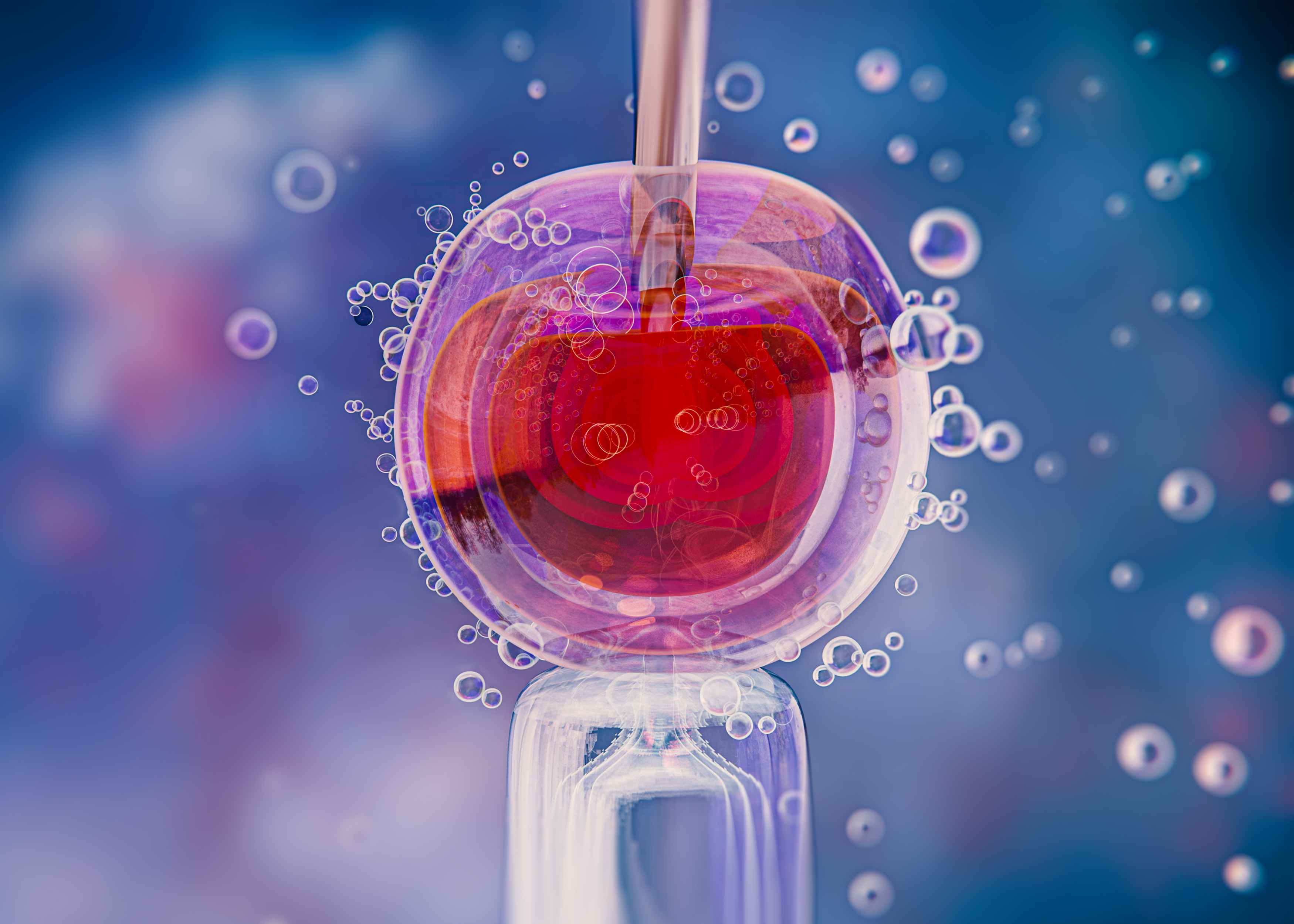
If you are looking for information about failed first IVF cycle next steps and tests to ask for, it’s important to learn the IVF steps involving ovarian stimulation, egg retrieval, embryo development, embryo transfer, implantation, and pregnancy test.
What Does a Failed IVF Cycle Mean?
In a failed IVF cycle, the meaning of failure varies with where in the IVF process the patient stops. Some women demonstrate poor response to ovarian stimulation, resulting in only a few eggs being collected. Others have eggs collected but, after fertilization, only a few embryos develop and are of good enough quality for transfer. Some patients demonstrate good quality embryos for transfer but, despite having embryo transfer, implantation does not occur.
The term failure of IVF may also refer to an early pregnancy that was not carried to term. This is called an early pregnancy loss.
So, following a failed IVF cycle, it is essential your fertility specialist looks at the whole cycle- not just pick a factor that went wrong to be the reason for fail.
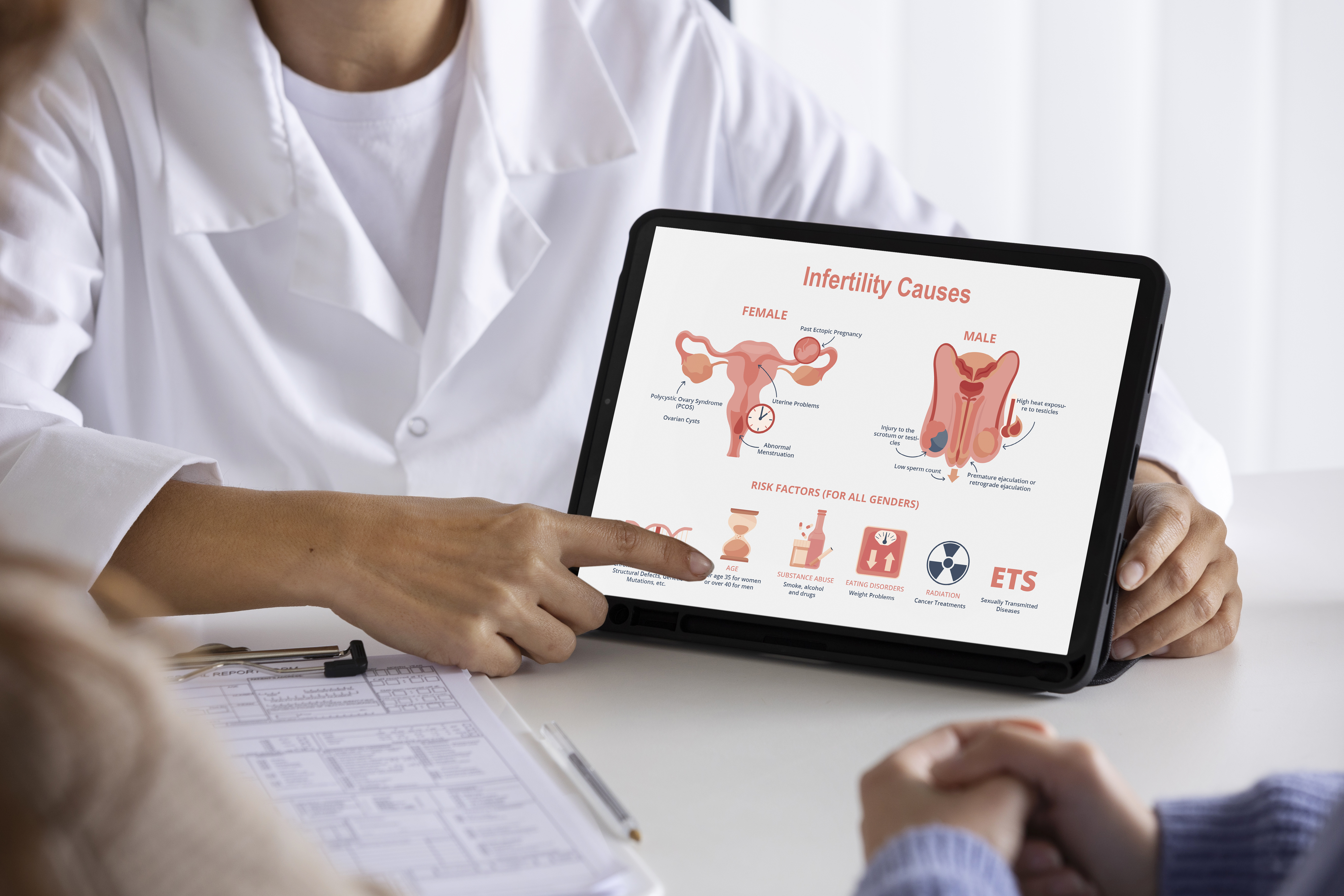
Common Reasons for IVF Failure
There is no single explanation for every case of failed IVF. Some commonly considered factors include:
1. Embryo Quality
Embryo quality and embryo development are also important for the process of successful implantation. Some embryos will arrest before blastocyst formation, and some will be aneuploid.
Embryo quality may sometimes be related to egg quality, sperm quality, other factors, or age.
2. Egg Quality and Ovarian Reserve
The quality of the egg can affect fertilisation, the embryo, and the embryo’s potential to develop normally.
Your patient may also have low ovarian reserve, or a poor ovarian response, which results in fewer eggs retrieved when their ovaries are stimulated. Your doctor may use tests including AMH, antral follicle count, and other clinical assessments to assess her ovarian reserve.
Remember, ovarian reserve and egg quality are different, yet both are affected by age.
3. Sperm Quality
Male-factor infertility is one of the causes that can cause unsuccessful IVF. Physicians can analyze sperm concentration, sperm motility, morphology, and all semen parameters.
For certain indications, testing for sperm DNA fragmentation may be considered. Sperm DNA fragmentation measures damage to the sperm DNA. It may provide some supplemental information in the setting of an indication such as recurrent IVF failure or poor embryo development.
4. Uterine and Endometrial Factors
The uterus and lining of the uterus must be ready for transfer and formation.
Fibroids, polyps, or adhesions: given your history, your fertility specialist may choose to test for uterine factors.
The endometrial thickness and appearance can also be evaluated if felt appropriate to assess at this stage.
5. Hormonal or Medical Factors
Specific hormonal imbalances or health conditions can influence fertility treatment and IVF results. Your doctor might check the thyroid situation, prolactin, and other hormones depending on your health history.
Disorders like polycystic ovary syndrome can also have an impact on ovarian stimulation and treatment options.
What Tests to Request if IVF is not working.
You may not require all the tests that can be performed following a failed cycle of IVF. The decision as to which, if any, tests are necessary should be tailored to your age, the circumstances of the prior cycle, and relevant medical history.
Here are some tests your doctor may consider:
Ovarian Reserve Testing
Your fertility specialist may review:
- Blood AMH test
- Antral follicle count
- HORMONE TESTING (if test is required) day 2-3 (where necessary)
- History of prior ovarian stimulation
These include ovarian volume, antral follicle count, and other ultrasound techniques to evaluate ovarian reserve and directly inform subsequent stimulation cycle planning.
Semen Analysis
Repeat semen analysis: Repeat semen analysis, in some cases, might be prescribed if the sperm were abnormal previously or if there have been any major changes since the last IVF cycle.
In some cases, your physician may test for low sperm count, slow sperm motility, abnormal sperm morphology, or other problems with the quality of your sperm.
Sperm DNA Fragmentation Testing
Sperm DNA fragmentation testing. Unlike regular testing that is typically done for all patients undergoing IVF, sperm DNA fragmentation testing on sperm is not a standard test. Still, your fertility specialist might suggest it for some patients in certain circumstances, in particular when there’s a history of unsuccessful cycles, or if you’re concerned about sperm.
Uterine Evaluation
Based on your history, your doctor may suggest ultrasound, saline sonography, hysteroscopy, or other evaluation of the uterus.
These tests can be used to identify structural or uterine abnormalities, which may hinder implantation.
Genetic Testing and PGT
PGT may be considered in certain situations, such as PGT-A, which looks at some chromosome-number abnormalities in embryos.
You don’t always need to have preimplantation genetic testing (PGT) after 1 unsuccessful IVF cycle. Your fertility medical professional can advise if PGT (preimplantation genetic testing) is right for you, based on your age, embryo development, family history, IVF procedure results, and also various other aspects.
Testing may also be indicated if there is a known genetic condition or other indication.
Endometrial Receptivity Testing
Some fertility clinics also provide an endometrial receptivity analysis to identify the window of endometrial receptivity.
Endometrial receptivity tests should not yet be routinely applied to all patients after one failure. Their clinical utility will vary per the individual clinical scenario.
What Happens After a Failed First IVF Cycle?
Very often, the next step will be a thorough review of the last cycle.
Ask your fertility specialist:
- How many eggs were recovered?
- To what extent were the eggs mature?
- How many fertilisations took place?
- What was the development of the embryos?
- What was the number of good embryos?
- Was it an easy embryo transfer?
- Was the lining of the uterus sufficiently ready?
- Did you notice anything related to good sperm, bad sperm, good eggs, or bad eggs?
- Alteration of ovarian stimulation: is it necessary?
- Are further investigations really required?
Your doctor might change your next IVF cycle treatment based on these answers.
For example, the ovarian stimulation protocol may be adjusted, fertilisation methods may be reconsidered, or uterine factors may be investigated before another embryo transfer.
Can You Prevent IVF Failure?
There isn’t any sure-shot process that will ensure your IVF doesn’t fail. High-quality embryos, 4sure treatment, and an adequately healed uterine lining may all go hand-in-hand in not guaranteeing the fate of an embryo.
No overall effects on reproductive health have been observed. Still, a balanced lifestyle, attaining a healthy weight if required, abstinence from smoking, reductions in alcohol consumption, a nutritious diet, and the control of medical conditions may favor reproductive health.
First and foremost, I believe always to dispel the myth that an adverse ivf have result means code was wrong. Infertility is a complex biological science; limitations are anticipated in an environment that is mostly controlled.
When Should You Try IVF Again?
There is actually no set waiting time to be put back on the IVF cycle after each failure. How long you should wait before your next cycle is determined by your body physically and emotionally, your ovarian stimulation schedule, the number of embryos, and whether further testing is carried out.
Your consultant may suggest a frozen embryo transfer if you have good quality (or chromosomally normal) embryos stored.
If there are no inducible embryos, then the opportunity to repeat an IVF cycle can be discussed (after the previous cycle has been analyzed).
The Bottom Line
Although a failed first IVF cycle may be disappointing, it does not necessarily mean no chance of conception. The best next step to find out is where your previous IVF cycle progressed as intended.
Assessments of age and egg quality, sperm quality, embryo process, uterine health, treatment to prepare the uterine lining, and other measures provide information to your specialist about whether a different treatment or additional testing is recommended.
Never order every test automatically. Instead, talk through your history and your current cycle with a specialist fertility doctor. Personalised advice will best inform which treatments are suitable for you and optimise your chances of conceiving successfully in the next IVF cycle.