- Natural Cycle: We monitor your natural ovulation and plan the transfer accordingly.
- Hormone Replacement Therapy (HRT) Cycle: We use medications like estrogen and progesterone to control and optimize the uterine lining.
- Stimulated Cycle: Mild stimulation with medications helps control timing and improves endometrial receptivity.
What is Frozen Embryo Transfer (FET)?
Frozen Embryo Transfer (FET) is a process where an embryo from a previous IVF cycle is thawed and transferred into the uterus. These embryos are stored at sub-zero temperatures and can be used in later cycles, giving patients more flexibility and better control over their fertility journey.
At Zemya IVF & Fertility Clinics, we offer FET in Delhi using world-class cryopreservation techniques, personalized care protocols, and scientifically timed procedures to increase your chances of a healthy pregnancy.
When is FET Recommended?
Doctors may suggest IUI if you or your partner have:
- If a couple wants to wait before getting pregnant, embryos can be frozen and transferred when they are ready in the future.
- If too many eggs grow during IVF due to strong hormone response, embryos are frozen to avoid complications like OHSS (ovarian hyperstimulation syndrome).
- If many embryos are formed during IVF, only one or two are transferred to avoid a multiple pregnancy. The extra embryos are frozen and used in later cycles.
- If there is a risk of passing a genetic disease to the baby, embryos can be tested first. Only healthy embryos without the condition are frozen and transferred.
- If a woman is about to undergo cancer treatment such as chemotherapy or radiation, which can affect her fertility, embryos can be frozen and transferred once her treatment is done.
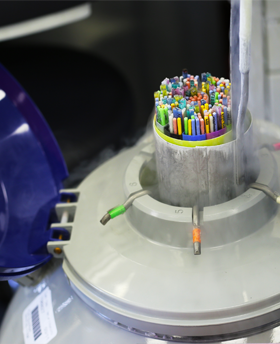
How FET Works: Step-by-Step
Step 01
Initial consultation and case review
Your FET journey begins with a detailed consultation. Our fertility experts review your IVF history, assess your hormone levels, and evaluate your uterine health using ultrasound scans and blood tests. This helps us decide the best time and method for embryo transfer.
Step 02
Endometrial preparation
Depending on your natural cycle and hormonal profile, we prepare your uterus using one of three approaches:
Regular scans ensure the lining is thick enough (typically ≥7 mm) and hormonally ready for implantation.
Step 03
Thawing of embryos
On the day of transfer, our embryologists carefully thaw your frozen embryos using ultra-safe vitrification protocols. Only embryos that survive the thawing process and meet quality checks are selected for transfer.
Step 04
Embryo transfer procedure
Using a soft, thin catheter, we gently place the embryo into your uterus under ultrasound guidance. This procedure is quick, painless, and doesn’t require anesthesia. You can rest briefly in the clinic and resume your normal activities afterward.
Step 05
Post-transfer care and pregnancy testing
We’ll prescribe supportive medications (usually progesterone) and provide lifestyle guidelines to support implantation. A blood test is done around 12–14 days later to confirm pregnancy.
This waiting period—often called the "two-week wait"—can feel emotionally intense. Our team is here to support and guide you during this time.
Step 06
Are there any risks?
FET is a well-established and low-risk procedure. However, like any fertility treatment, a few things to keep in mind:
- Mild cramping or spotting after transfer is normal
- Side effects from hormonal medication, such as bloating, breast tenderness, or mood swings
- Chance of multiple pregnancy if more than one embryo is transferred
- Emotional ups and downs during the two-week wait
Our experienced team monitors each step closely to minimize risks and keep you comfortable throughout.
Tips and precautions during FET cycle
To improve your chances of success and ensure a smooth journey, we recommend:
- Take your medications exactly as prescribed
- Attend all your monitoring appointments on time
- Stay physically active but avoid intense workouts or heavy lifting
- Eat a balanced diet and stay hydrated
- Avoid alcohol, smoking, and recreational drugs
- Rest and stay emotionally positive—stress can impact hormone balance
- Talk to your doctor before taking any supplements or herbal products
What affects FET success?
Success rates for FET depend on several key factors:
- Your age at the time the embryos were created
- Embryo quality and whether PGT was performed
- The thickness and receptivity of your uterine lining
- Your hormonal balance and underlying fertility condition
- How well your body responds to endometrial preparation
At Zemya IVF & Fertility Clinics, our protocols are designed to optimize all these factors to increase your chances of a successful pregnancy.
Advantages of FET:
- Highly effective: Success rates for FET match or even exceed fresh IVF cycles
- Flexible timing: Transfer can be scheduled when your body is most ready
- Less invasive: No need for ovarian stimulation or egg retrieval again
- Safe for your body: Gives time for hormone levels to normalize after IVF
- Ideal for single embryo transfer, reducing risk of twins or triplets
- Preserves embryos for future use, offering multiple chances from one IVF cycle
Disadvantages of FET:
- Requires hormonal medications for endometrial preparation
- May not be suitable for women with thin endometrial lining or chronic uterine issues
- Success still depends on embryo quality and age at freezing
- Emotional stress during the wait for results can be challenging
- Possibility of cycle cancellation if lining is not ready
Why choose Zemya IVF & Fertility Clinics?
At Zemya IVF & Fertility Clinics, we design each treatment plan around your specific needs and medical history.
With over 40+ years of combined experience and more than 10,000 healthy deliveries, our team is committed to helping you achieve your dream of parenthood with skill, care, and compassion.
Here’s what makes Zemya IVF & Fertility Clinics one of the top 5 IVF and fertility centres in Delhi:

Personalized care
Each treatment is designed specifically around your medical history, goals, and emotional needs.

Proven expertise
Our doctors and embryologists are internationally accredited and bring decades of hands-on fertility experience to every case.

Transparent & ethical pricing
We explain everything clearly—no hidden fees, no unnecessary procedures.

High-quality, affordable treatment
Get access to the best care at a cost that respects your budget.

Advanced technology
From lab facilities to diagnostic equipment, we use the latest in reproductive science to increase your chances of success.
Whether you’re just starting out or seeking a second opinion, Zemya IVF & Fertility Clinics is here to guide you every step of the way, with experience you can trust, and care you can feel.
Frequently Asked Questions
Usually, one high-quality embryo is recommended for transfer, but this may vary depending on age and medical history.
No. Light activities are fine. We recommend avoiding heavy exercise, travel, and stress.
Not anymore. With modern vitrification techniques, frozen embryo outcomes are on par with or better than fresh transfers.
Yes, embryos can remain viable for over 10 years if stored properly.
A blood test is typically done 12–14 days after the embryo transfer to check for pregnancy.