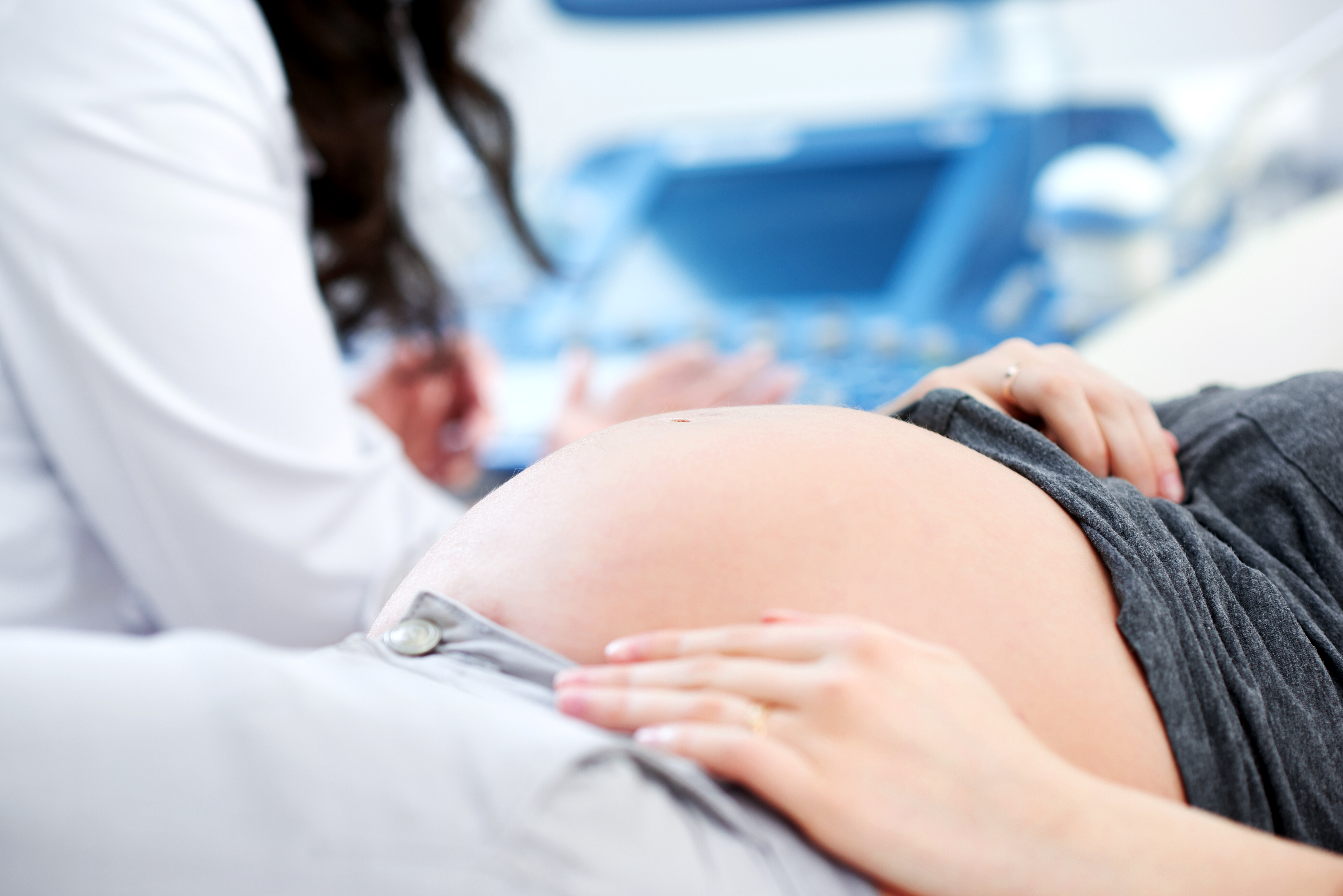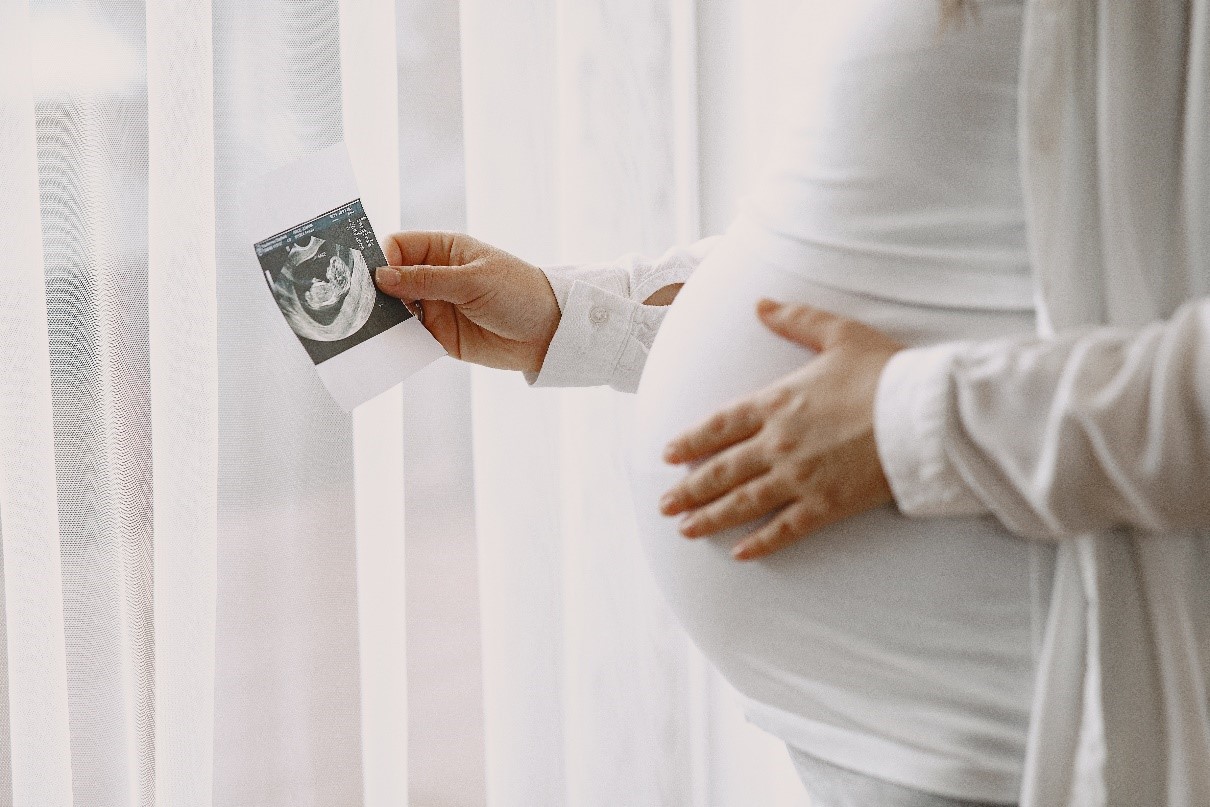
- Bleeding resulting from implantation is light in amount and is noticed when an egg implants in the uterine walls.
- Usually, it is lighter than the normal period and lasts from 24 to 48 hours, and discharge is normally pink/brown in color.
- Implantation bleeding symptoms help a woman differentiate between early pregnancy and a normal menstrual cycle.
- The knowledge that implantation bleeding occurs anywhere from 6 to 12 days after ovulation helps to detect pregnancy at an early stage.
- Not every female gets implantation bleeding. Some signs indicate that implantation has taken place successfully without bleeding.
Introduction
Implantation is the point where the embryo becomes physically connected to the lining of the uterus and thus is considered a very important step in pregnancy. As a matter of fact, few women spot very small bleeding accompanying this event ,which is called implantation bleeding.
Even if it is quite safe, the problem is that it is mostly mistaken for an early period, breakthrough bleeding, or fertility medication side effects.
This blog defines implantation bleeding, its causes, typical symptoms, how it differs from menstruation, and ways of recognizing the bleeding that comes from implantation.
Knowing these first signs can be a great source of comfort when conceiving is done naturally or through an IVF Treatment in Delhi.
What Is Implantation Bleeding?
Implantation bleeding is the minor spotting in the vaginal area, which may occur when the fertilised embryo embeds itself in the uterus. During this action, blood vessels in the uterus may rupture to some extent.
Key characteristics:
- Very light spotting
- Pink, beige, or brown discharge
- Only lasts for a short time
- Not associated with pain or heavy flow
It does not hurt and does not in any way affect the health of the pregnancy. Some women do not feel it at all, and that is completely normal.
When Does Implantation Bleeding Occur?
A commonly asked question is:
When does implantation bleeding occur before period?
Implantation typically happens:
6 to 12 days after ovulation
or
About 2 to 4 days before your expected period
This timing is everything, because otherwise it creates a lot of confusion:
- Some women mistake it for a light or early period.
- Others believe that it is spotting due to hormonal changes.
During fertility treatments
Women who are receiving IUI Treatment in Delhi, ICSI Treatment in Delhi, or going through the IVF cycles may experience light spotting in the time of implantation; however, this can be due to the medicine or procedures too. Monitoring with your doctor helps avoid confusion.
Causes of Implantation Bleeding
Implantation bleeding is not a medical condition; it’s a natural biological response. Nonetheless, understanding its reasons helps to get rid of unwarranted anxiety.
Attachment of the embryo to the lining of the uterus
As the embryo implants, it disturbs small blood vessels. This is the most common reason for implantation bleeding.
Thick lining of the endometrium
A lining that is very receptive, as often found in cycles supported by progesterone, can increase sensitivity and thus spotting.
Hormonal changes
Following ovulation, progesterone increases dramatically to help the uterine lining prepare for implantation. It is due to this sudden change in hormone that some light spotting may occur.
Increased Blood Flow
Early stages of pregnancy also increase the blood circulation to the organs located in the pelvic area. This includes the uterus. Therefore, the lining becomes more delicate.
Fertility medication effects
During the period when the women undergo treatment, it is recommended to take estrogen and progesterone supplements. These may lead to some spotting.
The implantation bleeding experienced by most women is considered harmless and has no implication whatsoever concerning pregnancy outcomes.
Implantation Bleeding Symptoms:
The bleeding signs may fluctuate from woman to woman. Here is a detailed explanation:
Light spotting or mild bleeding
- Looks like a tiny smear or droplets
- Not enough to soak a pad
- Often only visible when wiping
Color differences
Implantation spotting is typically:
- Light pink
- Brown
- Rust-colored
- Sometimes, a very pale red
It is never seen as bright red heavy bleeding.
Mild Cramps
However, some women feel dull cramps because of the reaction of the uterus during implantation. They are:
- Short
- Not intense
- Less painful than menstrual cramps
Short duration
The duration of Implantation spotting is
- A few hours OR
- Up to 1-2
Prolonged bleeding is typically associated with either menstrual or hormonal bleeding
No blood clots
Implantation bleeding lacks tissue or clot formation, which makes this a major distinguishing feature.
No strong pain
Severe or one-sided pain is not normal for implantation.
These signs help you grasp the ways to properly identify implantation bleeding.
How to Recognize Implantation Bleeding
As implantation bleeding is mistakenly diagnosed as menstruation, there are explanations for the various differences:
Compare Flow Intensity
- Implantation: Light spotting
- Period: Gradual Increase in Flow, Needs Use of Pads or Tampons
Track the timing
- Implantation: 6 to 12
- Period: 12-16 days post
Look for the color
- Implantation: Pink / Light Brown
- Period: bright red to dark red
Duration
- Implantation: 24–48 hours
- Period: 3–7 days
Pain pattern
- Implantation: Minimal discomfort
- Period: Strong cramps, back pain, pelvic heaviness
Other early pregnancy symptoms
If implantation bleeding is followed by:
- Breast tenderness
- Nausea
- Fatigue
- Increased urination
- Sensitivity to smell
It may indicate pregnancy.
If you are unsure, you can consult our experts at Zemya IVF & Fertility Centre, an IVF Specialist in Delhi, or take a pregnancy test 48-72 hours later.
Implantation Can Occur Without Bleeding
A lot of women do not notice any spotting during implantation.
Signs of successful implantation with no bleeding include:
- Mild uterine cramping
- Fatigue and low energy
- Slightly elevated body temperature
- Breast soreness or fullness
- Light bloating
- Mood changes
- Increased hunger or food aversions
- Subtle nausea
These symptoms are common in early pregnancy and can occur even without visible bleeding.
Should You Worry About Implantation Bleeding?
Implantation bleeding is normally:
- Harmless
- Short-lived
- Mild
- Not associated with severe discomfort
However, you should seek medical help if you experience:
- Heavy bleeding
- Bright red flow
- Sharp one-sided pelvic pain
- Dizziness or fainting
- Bleeding that lasts more than 3 days
Such symptoms may indicate:
- Early miscarriage
- Chemical pregnancy
- Ectopic pregnancy
Fertility Treatments and Implantation Bleeding
Women undergoing fertility procedures often fear spotting. Here’s what you can expect:
During IVF cycles
Spotting can occur:
- After embryo transfer
- Due to progesterone support
- During early implantation
During IUI cycles
Spotting may occur from:
- Ovulation
- Cervical sensitivity
- Implantation
During ICSI cycles
Similar spotting patterns may appear due to hormonal triggers.
During egg freezing cycles
Spotting is unrelated to implantation but can occur due to hormonal stimulation.