- With appropriate clinical assistance and customized fertility treatments, getting pregnant is a very realistic possibility for you.
- Proper management of insulin resistance with the help of a healthy diet and exercise is equally important as managing your reproductive hormones well.
- Should you have any irregularities in your menstrual cycle, then consult a healthcare provider or fertility expert well before a year goes by.
- Taking care of your health during the pregnancy period entails monitoring your blood pressure and blood sugar levels consistently.
Many women around the globe find making plans to have a family to be an experience filled with excitement. Nonetheless, when it comes to reproductive health, some complications can arise from conditions that may be present in the body. Many women today experience polycystic ovary syndrome as one of the most common conditions.
At Zemya IVF & Fertility Clinics, we help women with PCOS to conceive, and we are highly acknowledged as the Best IVF Centre in Delhi.
With the help of a PCOS pregnancy guide, by noticing its symptoms, and with the help of the latest medical aids, you are going to be successful in your fertility journey.
Read More: Symptoms of Low Sperm Count: A Guide to Male Fertility
Understanding Polycystic Ovary Syndrome (PCOS)
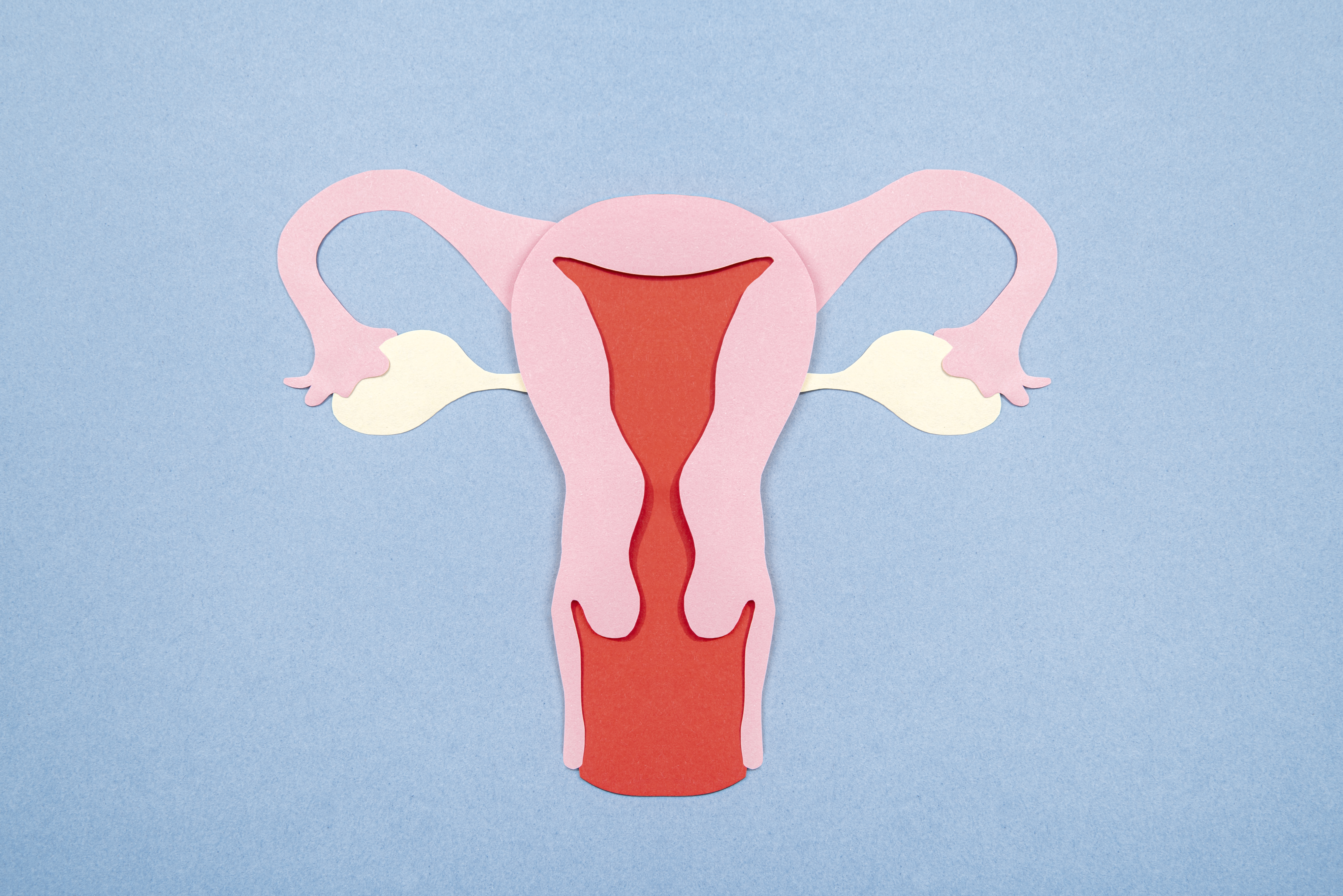
Polycystic ovary syndrome (PCOS) is a complicated hormonal disorder that first and foremost impacts women by throwing off their normal hormonal equilibrium. Instead of producing balanced amounts of reproductive hormones, the body secretes somewhat higher levels of male hormones (androgens). This change in hormone levels stops the ovaries from regularly releasing mature eggs, which results in irregular ovulation or even no ovulation at all.
The precise cause remains unknown, but genetics are a major factor. The disease primarily involves insulin resistance, where body cells inadequately respond to insulin. As a result, the pancreas produces excessive amounts of insulin, causing the ovaries to produce excessive levels of androgens.
Common PCOS Symptoms and Diagnosis
PCOS symptoms vary really from person to person, with some individuals facing the most intense symptoms, while others may show very mild symptoms. The most frequently noted symptoms are:
- Menstrual Cycle Disruptions: Irregular menstruation, very long menstrual cycles, or absent menstrual periods.
- Androgen Overproduction Symptoms: Growing extra body hair or face hair (unwanted hair growth), hair loss resembling that of males (male pattern baldness), and acne.
- Appearance Issues: Struggling to manage body weight, rapid weight gain, skin tags, and excessive darkness of skin, especially in body folds.
A doctor or fertility specialist should be able to review your medical history, perform a pelvic examination, and order blood tests for hormone levels and glucose tolerance. An ultrasound may show small, immature cysts grouped along the outer edge of the polycystic ovary.
How PCOS Impacts Fertility
As the disorder leads to unusual menstrual cycles and interrupts ovulation, it is actually one of the main reasons women face difficulty in getting pregnant. When one doesn’t have a regular cycle, it is almost impossible to figure out the fertile period, which in turn makes natural conception even less likely.
In addition to this, underlying hormone imbalances may affect egg quality and also make the uterus unresponsive. Apart from problems in conception, the metabolic nature of the condition may cause problems in the future for patients if not properly addressed, making them vulnerable to high blood pressure, heart disease, type 2 diabetes, and endometrial cancer. Visible symptoms may also cause psychological problems like anxiety and depression, and have an impact on body image perception.
Preparing for a Safe Polycystic Ovary Syndrome Pregnancy
It is really possible to have a healthy pregnancy with polycystic ovary syndrome if you plan and get the right treatment from your doctor. To make your body ready for pregnancy, here are the main steps first:
1. Lifestyle Changes
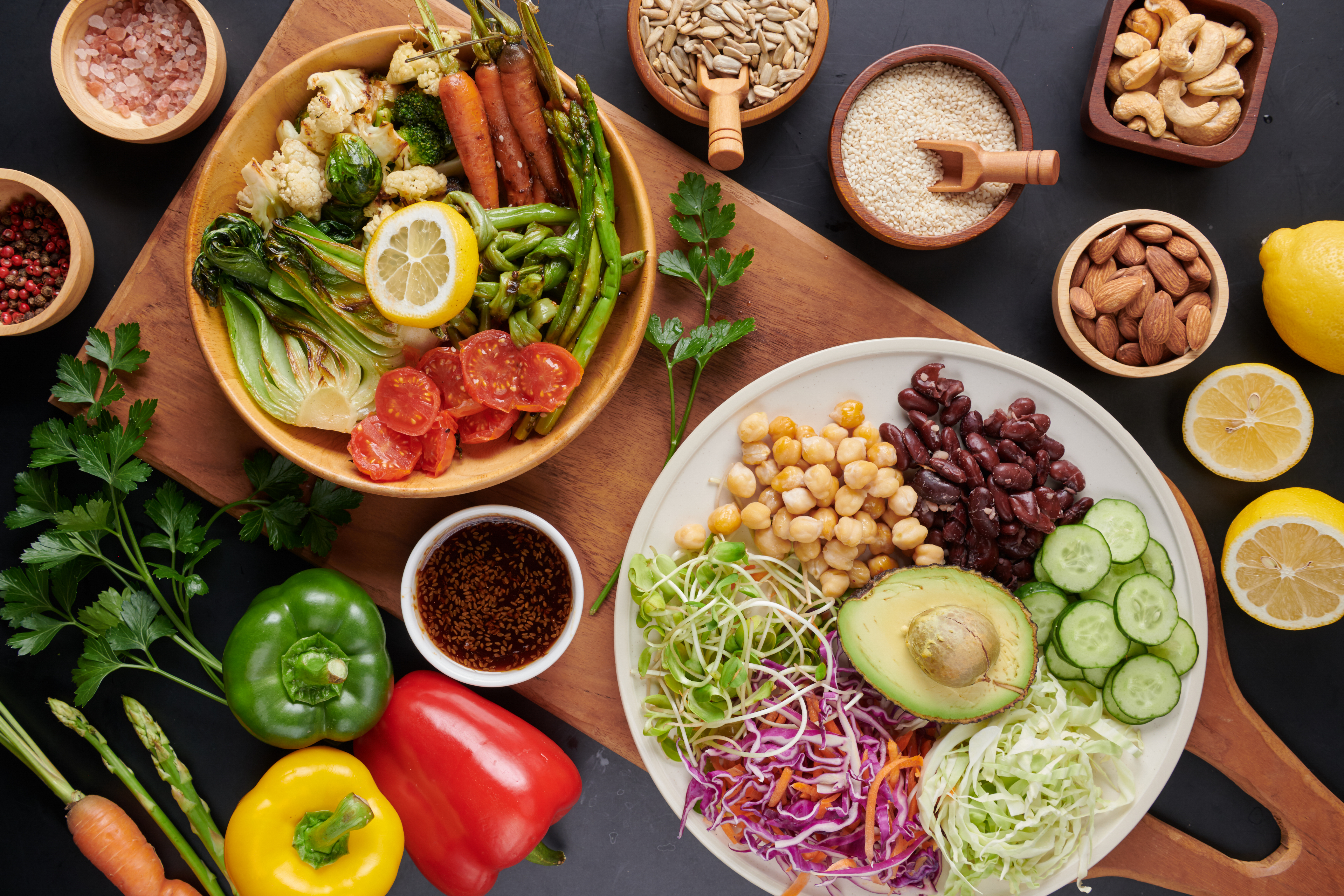
Making lifestyle changes carefully is the main part of treatment. Getting regular physical activity and healthy eating with plenty of nutrients are the two most effective ways to reverse insulin resistance. A weight loss of only 5% to 10% is enough to bring down androgen levels. This can make periods regular and get ovulation happening naturally.
2. Medical Treatment to Stimulate Ovulation
Sometimes changes in one’s lifestyle cannot help correct menstrual abnormalities. Then an infertility doctor can administer oral drugs such as clomiphene citrate and letrozole to induce ovulation. There are also times that the physician will give metformin to patients. This is to address their high levels of insulin resistance (improve or worsen insulin resistance).
3. Advanced Assisted Reproductive Technologies (ART)
If oral drugs are not enough, advanced reproductive medicine has very effective options: In Vitro Fertilization (IVF):
- In vitro fertilization (IVF) is an ideal solution to female infertility with complex barriers. In fact, eggs are taken from the ovaries, fertilized in a lab, and then safely placed in the uterus after an IVF procedure.
- Intense supervision is carried out throughout the cycle. This is to keep the body in good shape and avoid any scenario like ovarian hyperstimulation syndrome (OHSS).
- A small surgical process in which heat is applied to certain spots in the ovaries to reduce the creation of androgens.
Managing Pregnancy Complications Associated with PCOS
Most women affected by this condition usually have healthy and successful pregnancies after getting pregnant. Yet statistically, this condition does pose a higher risk for certain pregnancy complications:
- Gestational Diabetes: Since the underlying problem is insulin resistance, it can be aggravated during pregnancy, leading to high blood sugar.
- Preeclampsia: A rapid increase in blood pressure, which your gynecologist should carefully monitor.
- Premature Birth: A greater risk of early delivery or having an underweight baby.