- Proper post-IVF transfer care aids embryo implantation and enhances overall pregnancy outcomes during the crucial period of the two-week wait.
- Consuming a well-balanced diet loaded with nutrients, folic acid, and healthy fats is beneficial in keeping hormonal balance and supporting the initial stages of pregnancy.
- Not doing heavy lifting, over-exercising, and avoiding unnecessary stress will help in forming a stable uterine environment after embryo transfer.
- Taking the medications as prescribed and having regular check-ups with a fertility specialist have a very important impact on the IVF success rates.
The phase where you go through In Vitro Fertilization is one of the most significant steps in the fertility process. The days following the embryo transfer are commonly filled with hope, fear, and uncertainty. Correctly addressing yourself after the In Vitro Fertilization procedure is important in facilitating the success of implantation. Although performing the IVF procedure is something handled by medical science, it is also important to note that you can affect how your body reacts in the early stages.
At Zemya IVF & Fertility Clinics, also recognized as among the best IVF Clinic in South Delhi, the fertility experts at the facility take patients through the entire process following IVF in order to help them achieve pregnancy.
Understanding the Post-IVF Transfer Phase
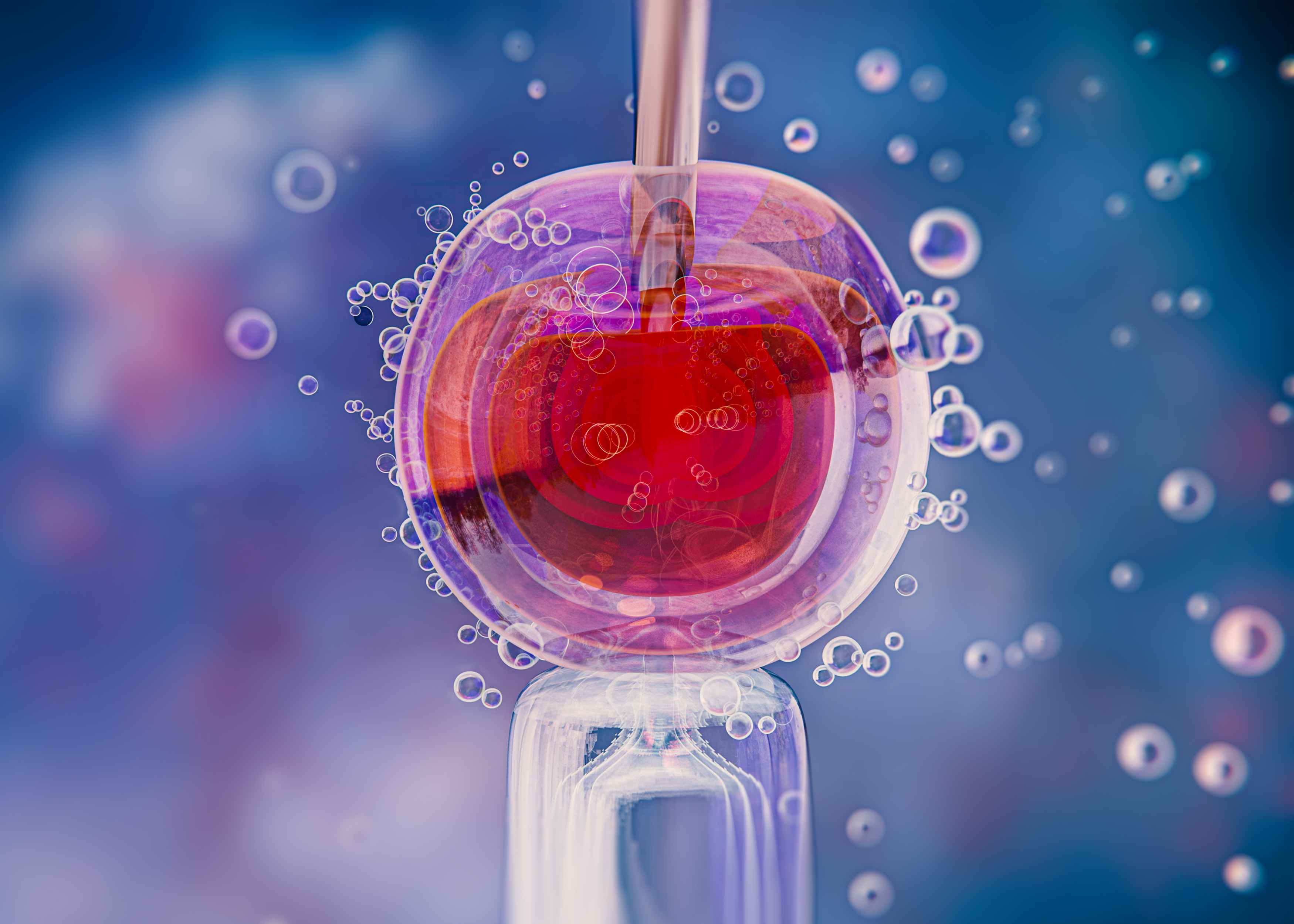
One of the most significant steps in the IVF process is undoubtedly the embryo transfer. It is at this stage that a fertilized embryo is inserted into the uterus through a procedure that is guided by ultrasound.
Following embryo transfer, the embryo will implant itself into the lining of the uterus. This process will then lead to embryo implantation and, later, to early pregnancy.
The stage known as the two-week wait is very sensitive. The natural functions of the body, the hormonal state, and the uterine area all have to be conducive to the success of the implantation. Good post-IVF care basically means making the uterine environment stable and free from anything that may be detrimental to implantation.
Why Post IVF Transfer Care Is Important
Post-IVF transfer care is of utmost importance as the embryo is still getting used to the uterine cavity. At this stage, certain factors like uterine contractions, blood flow to the uterus, emotional stress, and physical strain might have an impact on the success of implantation.
Even though it is not possible to control everything, following the doctor’s advice and IVF precautions can work in favor of success rates. Having a relaxed mind, a nutritious diet, and following the medication regimen go a long way in supporting implantation and increasing the chances of IVF success.
Physical Activity After Embryo Transfer
Among other concerns that might arise after embryo transfer, one of the most prevalent is whether bed rest is necessary. Complete bed rest is rarely recommended. Limited daily activity is safe and promotes blood flow, which is essential in the development of the fetus.
However, lifting heavy weights, straining, strenuous exercise, or factors that stimulate uterine contractions need to be avoided. Intercourse is usually avoided for a short period because of the potential for stimulating uterine contractions. The fertility specialist will advise regarding when normal physical activities need to be resumed.
Prevent unnecessary stress to the body and promote gentle movement rather than prolonged periods of immobility.
Diet and Nutrition After IVF Transfer
One of the most important post-IVF transfer care steps is eating healthy. Whole grains, lean proteins, healthy fats, along with fruits and vegetables that are a source of a balanced diet helps to maintain hormonal balance and support embryo implantation.
Make sure that your daily diet consists of folic acid-rich foods or take a folic acid supplement daily, as it helps prevent neural tube defects and supports early pregnancy. A prenatal vitamin is generally suggested as a part of fertility treatment.
Stay away from processed foods, excessive caffeine, and foods with high sugar content. A nutrient-rich, balanced diet increases the body’s capacity to support a successful embryo transfer and healthy pregnancy progression.
Importance of Medications and Hormonal Support
Medicines after the IVF transfer are essential. Medicines utilize the uterine environment. They stabilize hormones. They ensure proper implantation. Progesterone supplements are essential. They improve the uterine environment.
Always remember not to miss or change any medications without consulting your fertility specialist. If there are unusual occurrences of symptoms and side effects, tell your fertility specialist promptly. Taking medications the right way affects pregnancy greatly.
Managing Emotional Well-Being and Stress
Mental and emotional stress can also influence the human body. Of course, it is normal to be anxious while waiting; however, if you worry too much, it can impact the balance of your hormones and blood circulation.
You can try meditation, deep breathing, or gentle yoga to relax. Don’t engage in symptom checking or doing home tests repeatedly. Emotional health is very important during the implantation phase when the body is carrying out natural processes.
Zemya IVF & Fertility Clinics, an IVF Clinic in South Delhi, recognizes the provision of emotional support as a major component of fertility services that helps patients stay positive and be more grounded during the IVF process.
Signs and Symptoms After Embryo Transfer
Quite often, the patient searches for positive symptoms after an IVF transfer. Symptoms such as mild cramping, spotting, and/or nipple tenderness, or feelings of tiredness, can occur, but they are not an indication that implantation has been successful.
In case of severe pains, heavy bleeding, or unusual symptoms, you should consult your doctor promptly because they might signal some complications such as ectopic pregnancy. Always seek medical opinion rather than relying upon assumptions at this delicate stage.
When to Take a Pregnancy Test After IVF
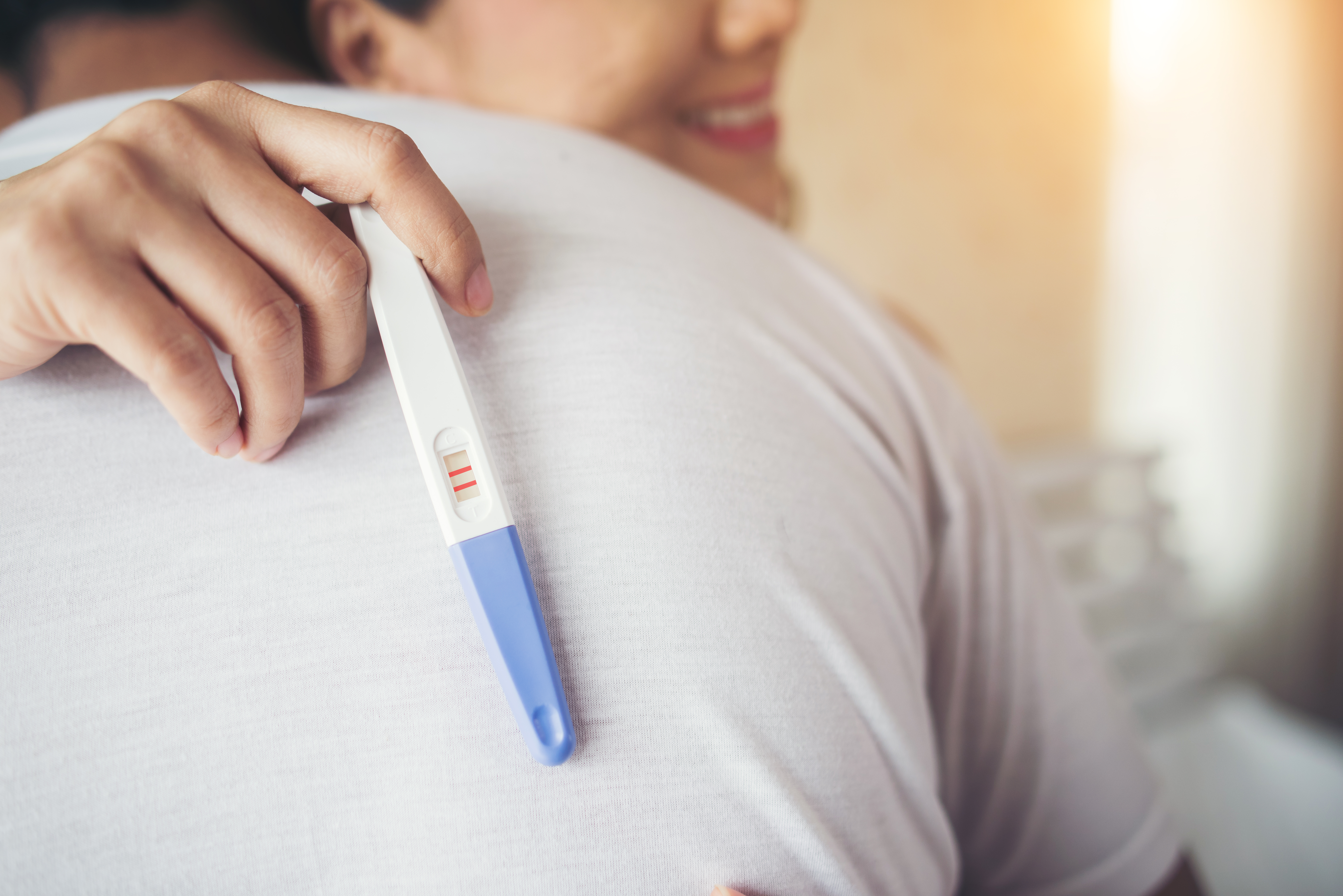
One of the essential elements of post-IVF care is identifying the right time for a pregnancy test. Too early testing can give you false results because of the leftover hormones from IVF treatment.
To say for certain if you are pregnant, nothing is more dependable than a blood test. Your fertility center will arrange a blood test at the right time to confirm pregnancy with precision. Don’t test for pregnancy before the doctor tells you, as it may cause you more emotional stress than necessary.
Frozen Embryo Transfer and Post-Transfer Care
In frozen embryo transfer procedures, after-care in IVF is as important. Even in this case, because the embryo has been frozen and thawed, the implantation phase and early pregnancy are normal.
Prevention of physical stress and a balanced diet also play a crucial role following frozen embryo transfer. A frozen embryo transfer has the potential to lead to a successful pregnancy if it is carefully managed and done correctly, just like a fresh embryo transfer.
Lifestyle Habits to Follow After IVF Transfer
Avoid smoking, drinking alcohol, and being exposed to toxins as they may interfere with implantation. Drink plenty of water, have a good night’s sleep, and keep a peaceful everyday life.
If at all possible, it is best not to travel after embryo transfer, and definitely refrain from long journeys that cause fatigue. Implantation may be facilitated by gentle activities and devoted care.
Continuing Fertility Care with Your Clinic
The basis of developing a level of trust in order to collaborate effectively with the IVF clinic involves understanding the process that your physician has in store for you. These could include procedures such as ultrasound, blood samples, and physician examinations.
Zemya IVF & Fertility Clinics emphasizes the importance of proper observation and appropriate care of patients undergoing this procedure so that they feel taken care of from beginning to end.
Post IVF Do’s and Don’ts
Always follow the healthcare professional’s guidance and advice in detail.Implement a healthy and balanced diet in your life. Learning and implementing techniques on how to manage stress and your emotional well-being are a vital part of your healing process. It is a wise decision to consult your doctor as soon as you experience any symptoms of pain as well as any other abnormalities.
Keep away from lifting heavy stuff, doing any very hard work, out by yourself or eating prepared, ready-to-eat foods. Don’t get involved in symptom comparing with others since each IVF journey is different.
How Post IVF Care Influences IVF Success Rates
Although post-IVF treatment cannot ensure effectiveness, it is known that it plays a considerable role in the success of the procedure because it helps the body accept the embryo. This can be achieved when the uterus is in good health in terms of the uterine wall, when there is proper hormonal balance, and when stress is minimal.
Each small action, from diet to emotional support, adds to a supportive environment in which this pregnancy will be able to develop.
Conclusion
Post IVF transfer care is a vital phase that links IVF treatment and early pregnancy. Following the doctor’s advice, eating a healthy diet, controlling stress, and staying physically relaxed are some ways patients can help implantation be successful.
Patients at Zemya IVF & Fertility Clinics, an IVF Clinic in South Delhi, are provided with thorough instructions, tender care, and professional assistance throughout the post IVF time. Having a proper mindset, being patient, and good professional care enabled many couples to get a step closer to a successful pregnancy and make their dream of parenthood a reality.