Overview
Pregnancy and PCOS often go hand in hand. Polycystic ovary syndrome is actually one of the main reasons women struggle to get pregnant. When you have PCOS, your ovaries don’t work the way they should. Hormones get out of balance, ovulation becomes unpredictable, and your metabolism can get thrown off, too. All of this just makes it tougher to conceive. But when you get a proper diagnosis, make a few lifestyle changes, and find the right fertility treatment, a healthy pregnancy is absolutely possible.
At Zemya IVF & Fertility Clinics, the fertility experts know how PCOS can affect every step, from trying to conceive to having a healthy pregnancy. At our IVF centre in Green Park, you’ll find experienced specialists who actually listen and build evidence-based treatment plans just for you. They focus on improving ovulation, getting your hormones in check, and lowering the risks of pregnancy complications.
What is polycystic ovary syndrome (PCOS)?
PCOS stands for polycystic ovary syndrome, which is also known as polycystic ovarian syndrome. PCOS is defined as a hormonal imbalance that leads to irregularities in the menstrual cycle, the high production of male hormones, as well as the presence of polycystic ovaries.
In cases of PCOS, high amounts of hormones called androgens are produced, which result in ovulation irregularities. PCOS usually appears in women during their teens or young adulthood and generally stays with them throughout their reproductive lives.
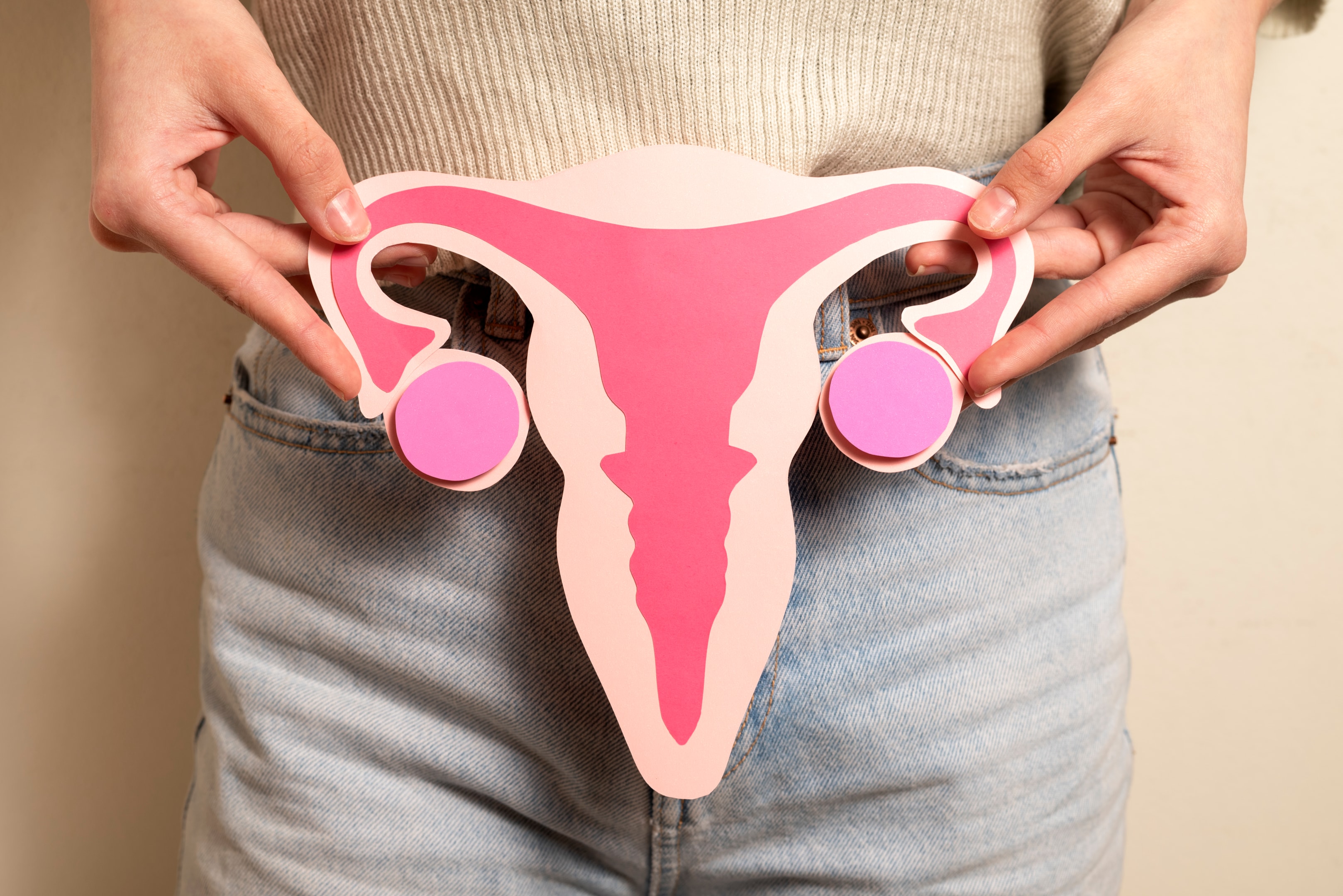
PCOS symptoms and signs
Symptoms in PCOS differ from woman to woman. Some women suffer from mild symptoms, while others experience severe hormonal and biochemical alterations.
Common symptoms of PCOS include:
- Irregular periods or irregular menstrual cycles
- Irregular or absent periods
- Excess hair growth on the face, chest or abdomen
- Excessive hair growth and male pattern baldness
- Hair loss or thinning hair
- Acne and oily skin
- Weight gain and difficulty losing weight
- Pelvic pain in some cases
- Skin tags and darkened skin patches
Many women experiencing PCOS also display insulin resistance in their bodies, thus putting them at risk for acquiring diabetes mellitus and metabolic syndrome.
What causes PCOS?
There isn’t a clear explanation of what exactly triggers PCOS. There are factors that play a major role in its occurrence.
These include:
- Reproductive hormones imbalance in hormonal imbalance
- High androgen levels
- Insulin Resistance: Insulin is a hormone
- Family History of PCOS
- Chronic inflammation involving white blood cells and metabolism
Inheritance tends to occur in families affected by PCOS. This represents a possible genetic aspect. Environment and lifestyle influences also contribute significantly.
How PCOS affects fertility
PCOS mainly affects pregnancy by interfering with ovulation. Most women with PCOS do not ovulate regularly, which makes natural conception difficult to achieve.
The main fertility challenges are :
- Disrupted follicle stimulating hormone levels
- Failure of the follicles to release the mature eggs
- A hormonal imbalance that will affect the quality of the egg
- Thickening of the lining inside the uterus because of infrequent menstrual periods
However, notwithstanding all these factors, getting pregnant is very much possible with proper fertility treatment and the right medical help.
Can women with PCOS get pregnant naturally?
Yes, many women with PCOS do conceive naturally, in fact, especially with some incorporation of lifestyle modifications that might enhance ovulation. Weight loss, eating healthily, and exercising regularly may significantly improve hormone levels and restore ovulation in some cases.
Even minimal weight loss can enhance insulin sensitivity, making the menstrual cycle more regular and, in turn, increasing the chances of becoming naturally conceived.
Diagnosing PCOS
PCOS is diagnosed through on a combination of symptoms, medical history, and medical tests. A healthcare provider may diagnose PCOS if at least two of the following are present:
- Irregular menstrual periods
- Elevated androgen levels
- Polycystic ovaries on ultrasound
Diagnostic tests may include:
- Blood tests to check hormone and blood glucose levels
- Pelvic ultrasound
- Assessment of menstrual cycle patterns
- Evaluation of body weight and metabolic health
PCOS and pregnancy complications
PCOS affects women and increases their chances of complications in pregnancies compared to women who do not suffer from PCOS. Regular monitoring and medical care can lower all these risks.
Possible pregnancy complications include:
- Gestational diabetes
- High blood pressure and pregnancy-induced blood pressure issues
- Preterm birth
- Miscarriage
- Excessive weight gain during pregnancy
Disclaimer: Pregnancy risks vary based on age, body weight, metabolic health, and overall treatment response.
Can PCOS cause long-term health risks?
Apart from affecting fertility, PCOS can be associated with a number of health issues.
These are:
- Diabetes mellitus due to insulin resistance
- Heart disease and unhealthy cholesterol levels
- Metabolic syndrome
- Endometrial cancer due to prolonged irregular menstrual cycles
Early diagnosis and treatment of PCOS help reduce these long-term risks.
PCOS treatment for pregnancy planning
PCOS treatment involves restoring ovulation induction, achieving hormonal balance, and regulating metabolic issues. Treatment depends on the needs of the patient.
Lifestyle changes
Lifestyle changes are the most important steps in treating PCOS.
- Maintaining a healthy weight
- Following a balanced diet
- Healthy eating with controlled carbohydrates
- Exercising regularly
- Managing stress
These changes improve insulin resistance and reproductive hormone balance.
Medical treatment
Medical treatment may include:
- Medicines to regulate the menstrual cycle
- Insulin-sensitising medications
- Ovulation induction drugs such as clomiphene citrate
A healthcare provider may prescribe medicine based on hormone levels and ovulation patterns.
Fertility treatment options
In case of ovulation induction being unsuccessful, advanced fertility treatment may be recommended.
Options include:
- In vitro fertilization
- Vitro fertilization with tailored stimulation protocols
- Assisted reproductive techniques under specialist care
At Zemya IVF & Fertility Clinics, patients are provided with customized treatments through the best IVF center in Green Park.
*Disclaimer: Success rates depend on the age of the woman, egg quality, and the couple’s metabolic health.
PCOS and IVF treatment
IVF is generally advised to women having PCOS if they do not respond to other treatments. Such treatments can safely stimulate the ovaries to yield eggs while overcoming possible risks such as ovarian hyperstimulation syndrome.
Experts closely observe hormone secretion, blood tests, and the growth of the follicle for the best results. Zemya IVF & Fertility Clinics is known as a fertility clinic in Green Park for its specialized IVF treatments for women with PCOS.
PCOS management during pregnancy
Once a woman with PCOS gets pregnant, she requires closer monitoring to ensure a healthy pregnancy.
Care includes:
- Monitoring blood glucose levels
- Managing blood pressure
- Tracking weight gain
- Regular prenatal check-ups based on gestational age
A healthy lifestyle during pregnancy further reduces complications.
When to seek medical help
You should seek medical help if:
- You have irregular or absent periods
- You are unable to get pregnant after trying
- You have signs of hormonal imbalance
- You have a family history of PCOS
- You experience excessive hair growth or hair loss
Early intervention improves fertility and pregnancy outcomes.
Frequently Asked Questions
The most common PCOS symptoms include irregular periods, irregular menstrual cycles, excess hair growth, acne, weight gain, hair loss or thinning hair, and difficulty getting pregnant. Some women may also experience pelvic pain, skin tags and hormonal imbalance due to elevated male hormones.
Yes. Many women with PCOS conceive naturally, especially after making lifestyle changes such as maintaining a healthy weight, eating a balanced diet and exercising regularly. However, some women may need medical help or fertility treatment to support ovulation.
PCOS affect pregnancy by increasing the risk of pregnancy complications such as gestational diabetes, high blood pressure and excessive weight gain. With proper medical care and monitoring, most women with PCOS go on to have a healthy pregnancy.
No. PCOS does not always cause infertility. Some women with PCOS ovulate regularly and fall pregnant without treatment. Others may face fertility challenges due to irregular or absent periods and hormonal imbalance.
Treatment options include lifestyle changes, ovulation induction medications like clomiphene citrate, insulin-sensitising medicines and advanced fertility treatment such as in vitro fertilization when required. The treatment plan depends on individual hormone levels and fertility goals.
Yes. IVF is considered safe for women with PCOS when carefully planned and monitored.
Disclaimer: IVF success rates and safety vary depending on age, hormone levels, body weight, metabolic health and individual response to treatment.
Yes. Losing weight, even a small amount, can improve insulin resistance, balance hormone levels and restore ovulation in many women with PCOS, increasing the chances of pregnancy.
PCOS is diagnosed through a combination of medical history, symptoms, blood tests to assess hormone levels, and pelvic ultrasound to evaluate the ovaries. A healthcare provider confirms the diagnosis based on established criteria.
Women with PCOS may have a higher risk of early pregnancy loss due to hormonal and metabolic factors. Proper treatment, lifestyle management and regular monitoring can significantly reduce this risk.