Key points
- Teratozoospermia is a condition where most sperm have abnormal shapes, making it harder for them to fertilize an egg.
- It is caused by a mix of factors including genetics, unhealthy habits, hormonal issues, infections, varicocele, and exposure to heat or chemicals.
- Symptoms are usually not visible and are mostly discovered through semen analysis after difficulty conceiving.
- Treatment varies based on severity and includes lifestyle changes, treating underlying issues, surgery for varicocele, and ART options like IUI, IVF, and ICSI.
Introduction
Teratozoospermia is a common problem with male fertility. If you’re asking what is teratozoospermia, it means many sperm have odd shapes. This makes it tough for them to reach and fertilize an egg. Teratozoospermia meaning or teratozoospermia means the same thing, abnormal sperm form. It affects 40-50% of men with infertility issues. In this post, we cover teratozoospermia cause, teratozoospermia symptoms, and teratozoospermia treatment. We’ll also share teratozoospermia diet ideas. Knowing this can help with family planning and better sperm health.
What is Teratozoospermia?
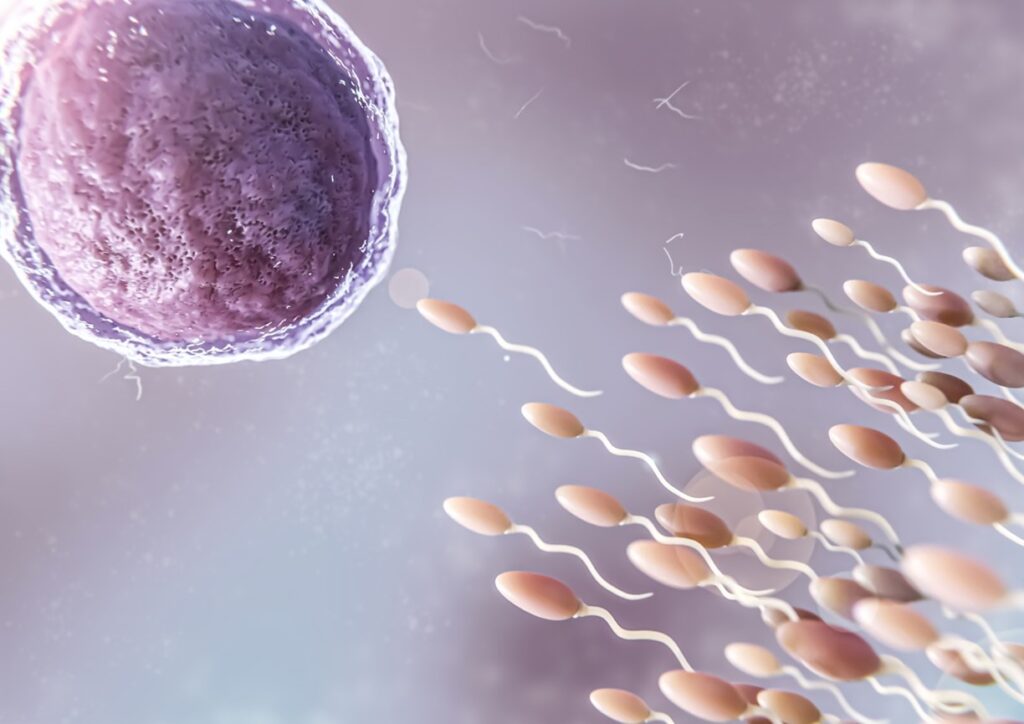
What is teratozoospermia? It’s when over 96% of sperm look wrong under a microscope. Healthy sperm have an oval head, straight middle, and long tail to swim well. Bad ones might have a pointy head, twisted tail, or extra bits. This hurts their chance to make a baby.
Doctors find it with a semen test. If less than 4% look normal (WHO rules), it’s teratozoospermia. It can be mild, medium, or severe. It often comes with low sperm numbers or slow swimmers, but even alone, it blocks natural pregnancy. The upside? Many fixes work, and tech like IVF helps a lot.
Teratozoospermia causes
Teratozoospermia cause comes from genes, habits, health, and surroundings. It’s rarely one thing—usually a few team up.
- Genes: Birth defects like extra chromosomes or sperm-making errors set it up early.
- Daily habits: Smoking, too much booze, drugs (even weed), or extra weight mess with hormones and sperm genes. Bad sleep or stress add fuel.
- Health problems: Germs in the groin area, swollen scrotum veins (varicocele), sugar issues, or hormone glitches heat up or inflame the testes.
- Outside stuff: Chemicals, bug sprays, X-rays (from cancer fixes), or heat (hot tubs, tight pants, laptop on legs) damage sperm.
Teratozoospermia symptoms
Teratozoospermia symptoms are not always obvious, as this condition rarely causes direct pain or visible changes. Most men learn about it during fertility tests after struggling to conceive. The key teratozoospermia symptoms include:
- Infertility: Difficulty getting a partner pregnant after 6-12 months of trying, even with regular unprotected sex.
- Abnormal semen results: Low normal sperm forms on analysis, sometimes with reduced count or slow movement.
- Related signs: If tied to varicocele, mild scrotal pain or swelling; or fatigue and erectile issues from hormonal shifts.
Since teratozoospermia symptoms mainly show in lab tests, routine semen checks are vital for men planning families. It does not affect daily health but can cause emotional stress from fertility worries.
How is Teratozoospermia diagnosed?
Teratozoospermia is typically identified by a method known as semen analysis, which is a standard test performed on guys suspected of having fertility concerns. Teratozoospermia is diagnosed primarily by the following tests and procedures:
1. Semen analysis test
The first step in diagnosing teratozoospermia is a semen analysis, which involves examining the amount, motility, and shape of sperm under a microscope. A morphological score of fewer than 4% normal ones (according to Kruger’s rigorous standards) indicates teratozoospermia.
- Sperm morphology testing
An extra assessment of sperm morphology could be carried out to inform a study of the true nature of morphological anomalies in sperm shape and size. In this test, the technician examines the sperm under a microscope and classifies them based on structural problems such as the head and tail, as well as minor shape flaws such as abnormally shaped, large, poorly shaped, or excessively short. - Other supportive fertility investigations
Additional tests could include:
- In other cases, doctors may prescribe that patients undergo hormonal profiling to uncover a variety of disorders.
- Scrotal examination and Doppler ultrasound to check whether there is a varicocele.
- Men suffering from severe teratozoospermia may require genetic testing. Genetic testing makes it easier for doctors to determine which genes cause a guy.
- When a male develops severe teratozoospermia, a genetic study may be required. Genetic testing helps medical experts uncover any genes that contribute to a man’s disease.
Teratozoospermia treatment options
There is no specific treatment for teratozoospermia; instead, your doctor may propose one based on the severity of the problem. Depending on the severity of the illness, a variety of treatments may be recommended to stimulate conception.
1. Lifestyle changes and supplements
Minor adjustments can improve the quality of sperm over time:
- Stop smoking and drinking alcohol.
- Maintain a healthy weight with nutrition and activity.
- Avoid exposure to high temperatures and pollutants.
- Consume foods high in antioxidants (fruits, vegetables, nuts, and whole grains).
- Some vitamin and mineral supplements can also improve sperm health.
- Medications for underlying causes
When an infection, hormone imbalance, or varicocele is the cause of the abnormalities, appropriate medical intervention can be employed to restore normal sperm production.3. Surgical interventions
Blockages in the reproductive canal can be corrected (varicocelectomy) or opened up, which can improve sperm quality and fertility.
Indira IVF offers a variety of reproductive methods to assist couples who are unable to conceive naturally.
- Assisted Reproductive Techniques (ART)Intrauterine Insemination (IUI) is enough in mild situations with some normal sperm present.
In Vitro Fertilisation (IVF) is the process of fertilising eggs with sperm in a controlled laboratory setting.
Intracytoplasmic Sperm Injection (ICSI): One of the most effective treatments for severe teratozoospermia is the direct intracytoplasmic sperm injection of a single healthy, high-quality sperm into an ovum.
Such modern ART treatments are meant to bypass sperm problems and significantly increase the odds of pregnancy.
Conclusion
Teratozoospermia is painful, yet it does not imply that a person is infertile. Many male patients with abnormal sperm morphology can father biological children with the help of contemporary reproductive medications, lifestyle changes, and proper diagnosis.
Indira IVF’s fertility experts use cutting-edge diagnostic procedures and personalised teratozoospermia treatment regimens to not only help couples overcome these obstacles, but also realise their desire of becoming parents.
Frequently asked questions (FAQs)
- What is teratozoospermia?
Teratozoospermia is a condition where most sperm have abnormal shapes, which reduces their ability to swim properly and fertilize an egg. - What causes teratozoospermia?
It can be caused by genetics, smoking, alcohol, drugs, obesity, infections, hormonal issues, varicocele, heat exposure, or environmental toxins. For proper evaluation, you can consult the expert doctors at Zemya IVF & Fertility Centre, the best IVF and fertility experts in Delhi. - What are the symptoms of teratozoospermia?
There are no direct physical symptoms. Most men learn about it after difficulty conceiving and an abnormal semen analysis. - How is teratozoospermia diagnosed?
It is diagnosed through a semen analysis that checks the shape, movement, and number of sperm. If needed, the fertility specialists at Zemya IVF & Fertility Centre in Green Park can guide you with advanced tests. - Can teratozoospermia be cured?
There is no single cure, but lifestyle changes, medical treatment, and advanced fertility procedures can improve pregnancy chances. For a personalised treatment plan, consult the expert fertility doctors at Zemya IVF & Fertility Centre, the best IVF centre in Green Park. - Does teratozoospermia mean a man is infertile?
No. Many men with abnormal sperm morphology can still father a child with the right diagnosis and treatment options such as IUI, IVF, or ICSI. - What treatments are available for teratozoospermia?
Treatments include lifestyle improvements, treating infections or hormonal problems, varicocele surgery, and assisted reproductive techniques. Severe cases often benefit from IVF or ICSI, which you can access at Zemya IVF & Fertility Centre, known for top fertility specialists in Delhi. - Can lifestyle changes improve sperm morphology?
Yes. Quitting smoking and alcohol, eating antioxidant-rich foods, exercising regularly, reducing stress, and avoiding heat exposure can help. For professional guidance tailored to your situation, you can consult the fertility experts at Zemya IVF & Fertility Centre.