- Uterine fibroids are non-cancerous tumors that grow in or on the uterus and can cause problems with menstrual health and fertility.
- Hormonal imbalance, family history, obesity, and lack of vitamin D are some of the leading factors contributing to uterine fibroids.
- The different types of fibroids are determined by their location and include intramural, submucosal, subserosal, pedunculated, and cervical fibroids.
- There are different treatment methods, from using medication to undergoing surgery, with fertility-focused management being the recommendation for women who are planning pregnancy at specialized centres.
Introduction
Uterine fibroids are one of the most common reproductive health conditions affecting women during their reproductive years. They can be completely silent or cause significant discomfort, pain, or difficulties in conceiving. Many women first hear about fibroids only when they struggle with heavy menstrual bleeding, pelvic pain, or infertility.
Understanding what uterine fibroids are, how they develop, the different types of fibroids, and the best treatment options helps women make informed decisions about their reproductive health.
This comprehensive guide explains fibroid uterus meaning, types, symptoms, causes, and available treatments, along with fertility-focused advice.
Fibroid Uterus Definition and Meaning
What is a fibroid uterus?
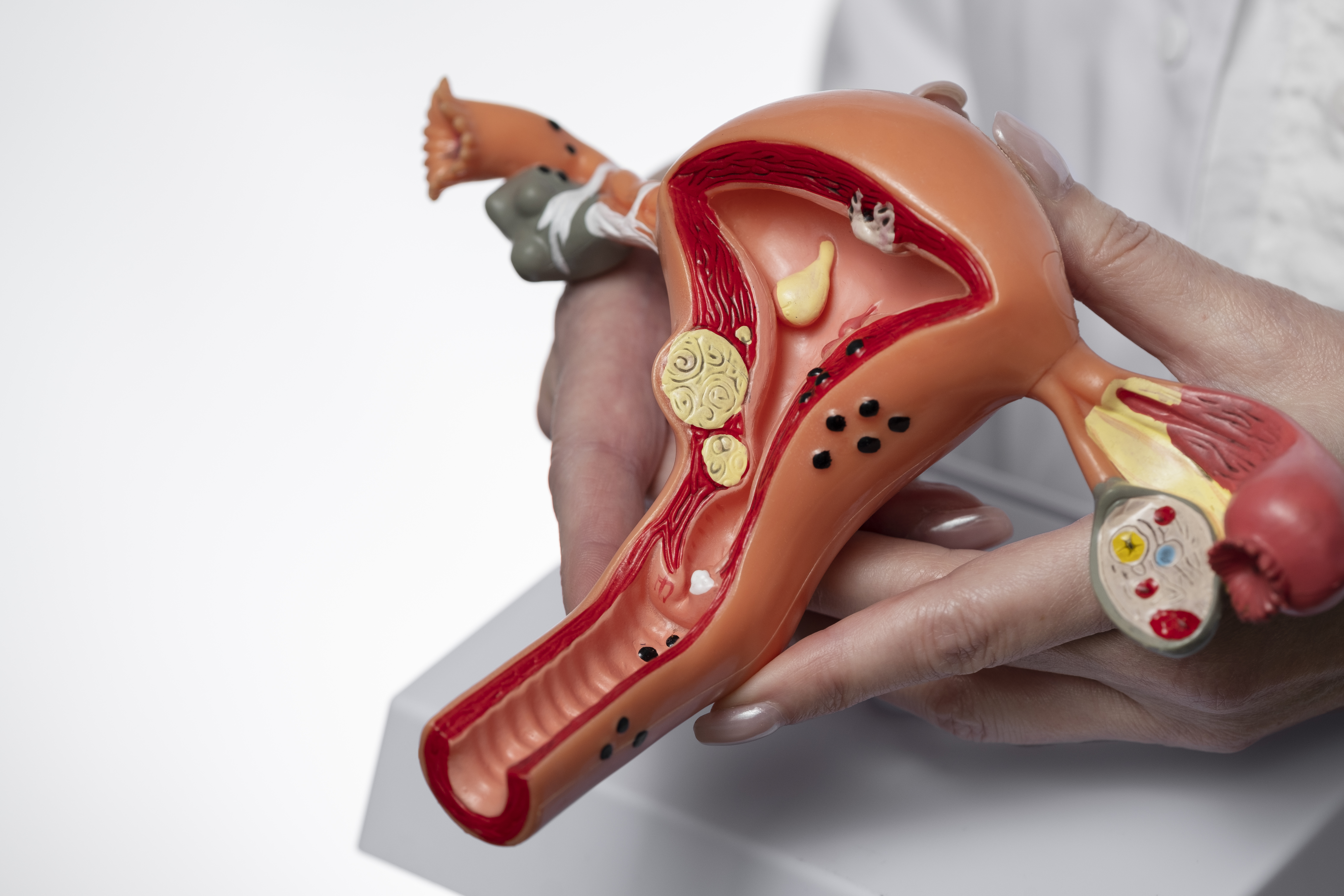
A fibroid uterus occurs when one or more fibroids develop in the uterus. Fibroids are benign tumors composed of smooth muscle cells and connective tissue that develop in or close to the uterus. The medical terms for them are leiomyomas or myomas.
Fibroid uterus definition
A fibroid uterus is a state in which benign (non-malignant) tumors are present within or on the wall of the uterus, and these tumors may influence the menstrual cycle, pelvic health, and, in some situations, fertility.
It refers to a uterus with non-cancerous muscular growths that may lead to heavy bleeding, pain, or trouble conceiving, depending on their size and location.
What Causes Uterine Fibroids?
The precise cause is still a mystery, but the growth of fibroids can be influenced by several factors. Knowing what causes uterine fibroids is a great first step to early diagnosis and prevention.
Main causes and risk factors
Hormonal imbalance
Estrogen and progesterone, two reproductive hormones, greatly contribute to the development of fibroids. Fibroids usually reduce in size following menopause when hormone levels fall.
Genetic factors
A woman with a genetic predisposition to fibroids is at a higher risk of having them. Different genes can determine the rate of growth of uterine muscle cells.
Obesity and lifestyle
Excess weight results in higher estrogen levels, which, therefore, are more likely to stimulate the formation of fibroids.
Early menstruation
It is believed that girls who have their first period very early might be at greater risk of fibroids due to prolonged hormonal exposure.
Vitamin D deficiency
Some studies indicate that insufficient Vitamin D in the body might be a factor that promotes fibroid growth.
Pregnancy and hormonal fluctuation
Hormone changes during pregnancy, particularly the levels of estrogen and progesterone, can speed up the growth of fibroids.
Factors that contribute to fibroids getting worse
- Stress
- Use of hormonal birth control pills that contain estrogen
- Excessive consumption of red meat and alcoholic drinks
- Obesity that is not managed
Figuring out the cause is a way for physicians to identify the most effective fibroid treatment that will be the best fit for their patient’s individual situations.
Types of Uterine Fibroids
Fibroids are divided into types according to their positions in the uterus. The position is what causes the different symptoms and the severity of the impact on fertility.
Intramural Fibroids
- Develop inside the muscular layer of the uterus
- Extremely common
- May lead to excessive bleeding, pain, and a feeling of pressure
- The uterus may become larger, a woman may appear to be heavily pregnant
Submucosal Fibroids
- Develop right under the uterine lining
- Able to change the shape of the uterine cavity
- Closely associated with infertility and the condition of repeated miscarriage
- Even very small ones can interfere with the successful attachment of a fertilized egg
Subserosal Fibroids
- Develop on the outside surface of the uterus
- In most cases, they will not influence menstrual bleeding
- Likely to cause bladder or bowel pressure
- Very large ones can cause the abdomen to become swollen
Pedunculated Fibroids
- Attached to the uterus by a very thin stalk
- Either subserosal or submucosal
- Tend to twist, causing severe pain or emergency complications
Cervical Fibroids
- Located in the cervix (unusual). Labor may be difficult, intercourse may be painful, and problems with urination may occur
- Depending on the symptoms, surgical removal may be necessary
By understanding the different types of fibroids, a doctor would be able to tell if fibroids would cause infertility or be the reason for pregnancy complications.
Uterine Fibroid Symptoms
Fibroids are not always symptomatic. A lot of women find out about fibroids when they get an ultrasound scan for some other reason. If there are symptoms, they can be:
Typical symptoms of uterine fibroids
- Excessive menstrual bleeding
- Prolonged or painful menstruation
- Discomfort or pressure in the pelvis
- Abdominal distention or enlargement
- Constipation or pressure on the intestines
- Discomfort during sexual intercourse
- Trouble getting pregnant
- Experiencing miscarriage
In what ways do fibroids cause fertility issues
Out of all types of fibroids, submucosal fibroids are the main reason behind fertility problems because they can:
- Sperm will not be able to get through
- The embryo will not be able to implant
- The uterus may get inflamed chronically
If you experience fertility issues due to fibroids, you are welcome to contact our fertility consultant at Zemya IVF & Fertility Clinics, a Top fertility specialist in Green Park or a High success rate IVF clinic in Green Park for a personalised treatment plan.
Uterine Fibroids Treatment Options
The appropriate treatment depends on several factors, including a woman’s age, symptoms, the size and location of fibroids, and fertility intentions. Below is the summary of fibroids treatment options:
1. Medication
These are to control the symptoms and do not get rid of fibroids permanently:
Hormonal pills
Progesterone therapy
GnRH agonists (temporarily shrink fibroids)Pelvic pain relief drugs
2. Non-surgical treatments
Uterine artery embolization (UAE): It works by cutting the blood supply to fibroids, thus they shrivel
Radiofrequency ablation: It generates heat to shrink fibroids
MRI-guided focused ultrasound: They are generally good for women who are not expecting pregnancy. It is less preferable for women planning fertility because it may result in compromised uterine health.
3. Surgical treatments
Myomectomy: It is the removal of fibroids only with the preservation of uterus done mainly in women who want to get pregnant
Hysterectomy: It is the total removal of the uterus (not recommended unless fertility is not required)
4. Fertility-centered management
The following are the suggested procedures for women willing to get pregnant:
Usually, the small submucosal fibroids are taken out prior to IUI or IVF
Surgical removal of intramural fibroids may be necessary if they hinder implantation
Before IVF, medication may be prescribed to shrink fibroids
Best Treatment for Fibroids: How to Choose
Choosing the best treatment for fibroids depends on:
- Age and fertility goals
- Size, number, and type of fibroids
- Presence of infertility
- Severity of symptoms
If fertility is a priority:
- Myomectomy is usually preferred
- IVF may be recommended if multiple factors affect fertility
Advanced treatment planning is available at our clinics, offering Affordable IVF treatment in Green Park, guided by highly skilled specialists.
When to See a Doctor
You should consult a specialist if you experience:
- Very heavy or prolonged periods
- Pelvic pain that affects daily life
- Trouble conceiving
- Miscarriages
Conclusion
Uterine fibroids are very common benign tumors that affect menstrual cycles, pelvic discomfort, and fertility. Knowing what a fibroid uterus means, the different types of fibroids, symptoms associated with them, and the treatments available is a great way for women to take charge of their reproductive health.
Nowadays ,there are many options for treatments that can help women control symptoms, keep their fertility intact and get pregnant either naturally or with the help of assisted reproductive technologies such as IVF.
Should you want expert care and fertility, focused fibroid treatment, our fertility specialist at Zemya IVF & Fertility Clinics, a top fertility specialist in Green Park & High success rate IVF clinic in Green Park, will, undoubtedly, provide the best guidance and help you achieve the results you desire.