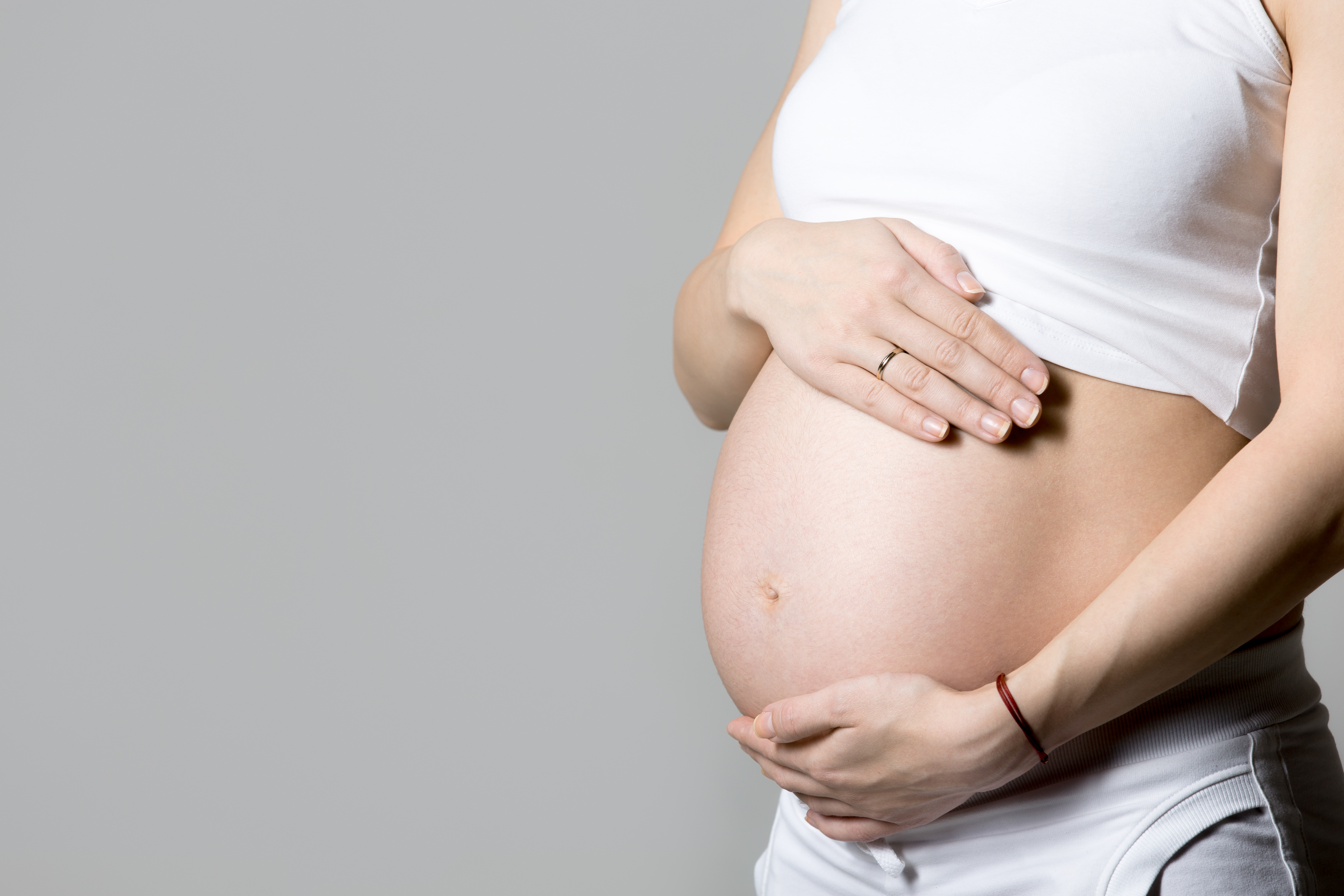
- There is no one age to definitively stop having children; however, fertility is significantly influenced by aging. Starting from the early thirties, the decline in egg quality and ovarian reserve happens gradually, while after thirty-five, it happens quite rapidly.
- Women who are thirty-five or older, considered as of “advanced maternal age”, have an increased likelihood of having a baby with chromosomal defects like Down syndrome, experiencing pregnancy-related problems, developing gestational diabetes, having high blood pressure during pregnancy, and giving birth to a prematurely born baby.
- From the age of thirty-five onwards, it is going to be naturally harder and harder for a woman to get pregnant as both the number and quality of her eggs are diminishing.
- By undergoing a fertility assessment at Zemya IVF & Fertility Clinics, you can receive tailored advice on your present fertility condition and the best route for you to follow in terms of fertility.
While it is widely known that age has a huge effect on one’s fertility and the outcome of pregnancy, there is not one age limit for pregnancy beyond which it is impossible or unsafe; each person is different and the decision to conceive at a certain age should be made based on accurate info. About that, a trusted fertility clinic in South Delhi, Zemya IVF & Fertility Clinics, is well aware of it and leads women to be truthful and compassionate at the same time.
How Aging Affects Fertility
The fertility of women is significantly and directly impacted by their age. The reality is that women are born with the entire supply of eggs that they will ever have. This means that the supply of eggs is present from birth, but the supply is depleted as the woman ages. The eggs are diminished in terms of quality as well as quantity as the woman ages, which means that the ability to conceive is diminished as the woman ages. This is not a social construct; this is the reality of female biology.
During a woman’s twenties, egg quality is at the highest level, ovarian reserve is robust, and the menstrual cycle is normally regular and predictable. Also, the risk of chromosomal abnormalities in eggs is at the lowest level during this time, so the likelihood of a healthy baby from each conception is at its maximum. Fertility starts to decline slowly during the early thirties and more noticeably after thirty-five, which is the age when the medical community considers it advanced maternal age. After forty, the fall in egg quality gets much more pronounced, which makes natural conception more and more difficult and also it elevates the risk of pregnancy complications, chromosomal disorders, and pregnancy loss.
As far as the male counterpart is concerned, sperm quality decreases with age; however, this decline is slower than that shown in the fertility chart above. As one ages as a male, there is a decrease in sperm motility and a slight increase in genetic abnormalities in offspring, which can hamper fertility as well as pregnancy in general.
Pregnancy in Your Twenties
The twenties are the prime time for reproduction for the vast majority of women. The quality of eggs is at its maximum, there are plenty of eggs left, the probability of chromosomal defects is at its minimum, and the female body is in a perfect state to sustain a healthy pregnancy. Also statistically, women conceiving without fertility treatments during their twenties have the least chance of encountering pregnancy issues such as gestational diabetes, pregnancy-induced hypertension, giving birth to a low birth weight baby, and premature delivery.
However, the optimum time to get pregnant does not only consider biological aspects. Financial security, relationship readiness, career aspirations, and other individual aspects play a major role in a woman’s life and in determining whether she should delay pregnancy or go ahead and get pregnant. For women in their twenties who have not yet planned to get pregnant, the need to know about future fertility and consider egg-freezing, which is a method of fertility preservation, has been recommended.
Pregnancy in Your Thirties
Nowadays, a large number of women decide to have children even in their thirties. The biggest part of them conceive successfully either naturally or with support. When it comes to fertility, at the age of thirty, it is still quite strong, but the inevitable loss of egg quality and ovarian reserve that had already started in the late twenties continues. The risk for women who get pregnant in their early thirties, though slightly elevated over that for women in their twenties, is only minimally increased. Women in this age group who have good prenatal care, maintain healthy habits, and follow a balanced diet are most of the time successful with their pregnancies.
However, after the age of thirty-five, the situation becomes more complex. Advanced maternal age, i.e., thirty-five and above, increases the risk of chromosomal abnormalities, which include Down syndrome. This occurs when an egg cell with an abnormal number of chromosomes is fertilised. The risk of Down syndrome increases to one in three hundred and fifty when the pregnant woman is thirty-five years old, and to one in one hundred when she is forty. Tests like prenatal testing and screening tests, including non-invasive prenatal testing and amniocentesis, are conducted to determine the risk of chromosomal abnormalities in the fetus.
Problems during pregnancy, like gestational diabetes, high blood pressure, placenta praevia, and caesarean delivery, are also more likely to occur in older mothers. Premature birth and low birth weight also become more of a risk. If a woman has health problems before pregnancy or has medical issues like thyroid disease, diabetes, or hypertension, she is at a higher risk. Such women have to be monitored very carefully during pregnancy.
Pregnancy After Forty
Many women over 40 are choosing to conceive, and it’s perfectly possible, but it still comes with certain limitations that must be taken into consideration. The chances of conceiving via natural means plummet dramatically with age due to decreased fertility. Besides the risks of chromosomal abnormalities go high. A lot of women at this age get help through fertility treatment methods like IVF, while in some cases, getting eggs from younger donors is the only way to have a healthy baby when the quality of the woman’s own eggs is insufficient, even for successful IVF procedures using her own eggs.
Pregnancy complications tend to rise after the age of forty. The complications include gestational diabetes, hypertension, multiple births due to fertility treatments, preterm birth, low birth weight, and miscarriage. Pregnant women aged forty and above need more prenatal care, more tests, and monitoring of the pregnancy for the health of both the mother and the child.
Despite such obstacles, numerous women who are over forty still succeed in getting pregnant, especially when they get help from a skilled fertility specialist and use the latest methods of reproductive medicine. IVF with a woman’s own eggs or with donor eggs, together with preimplantation genetic testing for selecting chromosomally normal embryos, has significantly raised the chances of pregnancy in older women who are looking for fertility treatment.
Is There a Maximum Pregnancy Age Limit?
In India, there is no consensus on the legal and medical pregnancy limit, although the majority of fertility clinics and guidelines on the subject of reproductive medicine recommend that IVF treatment using the woman’s own eggs should be discussed with caution if the woman is over the age of forty-five, as the quality of the egg is likely to be poor at this stage. It is possible to achieve pregnancy using donor eggs even if the woman is in her fifties, although this is subject to medical and ethical discussions with the patient.
The physical demands of pregnancy, such as the risk of gestational diabetes, high blood pressure, and other pregnancy complications, increase with a decline in overall health due to age. These changes make the pregnancy more challenging, irrespective of whether conception is natural or assisted by reproductive technologies.
Preserving Fertility: Planning Ahead
For women who wish to delay childbearing but still wish to retain their future fertility options, egg freezing can provide a viable option. Freezing eggs at a young age, prior to the age of thirty-five, ensures that these eggs remain in their existing quality and can be used in a future IVF treatment cycle when the woman is ready to conceive. While this does not ensure a future pregnancy, it increases the chances of having viable eggs available in the future.
An infertility evaluation, including tests for hormone levels like AMH, the counting of antral follicles through ultrasound, and a comprehensive hormone profile are valuable tools which provide clarity on a woman’s present ovarian reserve and thus facilitate them in making well-informed decisions about pregnancy timing. We at Zemya IVF & Fertility Clinics provide detailed fertility assessments for women of all ages – empowering them with information essential for making informed reproductive choices.
Healthy Habits Across Every Age
Regardless of one’s age, a healthy lifestyle is a guarantee of a healthy pregnancy outcome. A healthy diet rich in nutrients, folic acid supplements before and during pregnancy, a healthy weight, regular moderate exercise, abstinence from smoking and alcohol, blood pressure management, and regular prenatal appointments are some of the ways a pregnant woman can reduce the risk of pregnancy complications regardless of her age.