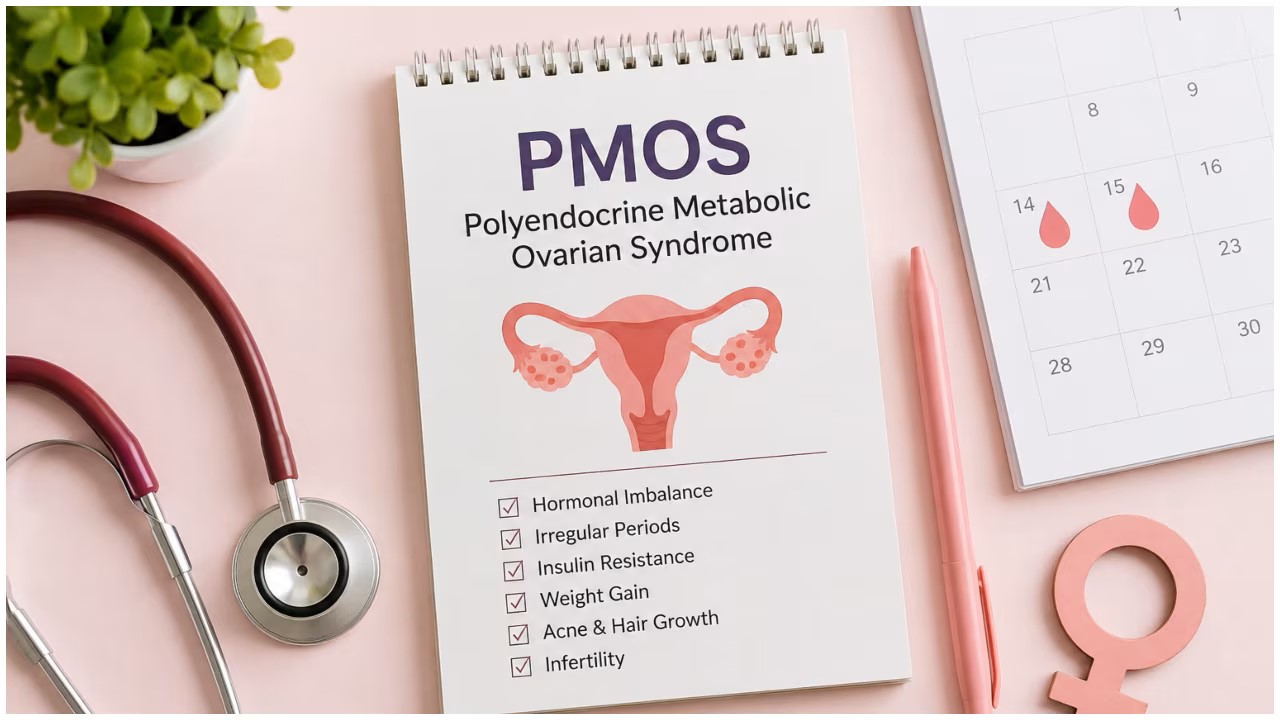
, For generations, society has labeled millions of women with a disorder called polycystic ovary syndrome (PCOS). With the evolution of medical science, a multistep global consensus process has resulted in a major model shift in the classification and nomenclature of this widespread hormonal disorder. More and more, global experts and multidisciplinary healthcare professionals are calling for the move to Polyendocrine Metabolic Ovarian Syndrome (PMOS).
At Zemya IVF & Fertility Clinics, recognized as the Best IVF Centre in Delhi, we strongly feel that using scientific accuracy to describe the medical problem is the key to achieving excellence in clinical practice. The new nomenclature, at last, recognizes the true complexity of the syndrome, which transcends the ovaries and involves other dimensions of health.
What is Polyendocrine Metabolic Ovarian Syndrome (PMOS)?
The previous term mainly pointed to polycystic ovaries, but the new term, Polyendocrine Metabolic Ovarian Syndrome (PMOS), emphasizes the general nature of the disorder. It acknowledges that ovarian dysfunction is commonly a consequence of more profound metabolic disturbances and an excess of androgens.
The greatest impact this alteration had was when it was internationally informed. Consultation was essential so that it could be culturally relevant and to prevent the suggestion that ovarian cysts were necessary for a diagnosis to be made; the fact being that most women with the syndrome do not have ovarian cysts, and most women with ovarian cysts do not have the syndrome.
The Core Features of PMOS
A syndrome known as Polysystemic Metabolic Ovarian Disorder is distinguished by three distinct manifestations, which are common among women of reproductive age regardless of different cultural backgrounds:
1. Androgen Overproduction
There is an overproduction of androgens by the body. This results in symptoms that may profoundly affect the well-being of the mind, such as: Facial hair, Body hair (hirsutism), Male-pattern balding, and Acne
2. Ovulatory and Ovarian Dysfunction
Women are frequently faced with irregular menstrual cycles or irregular menstrual periods. These irregular ovulations cause the menstrual cycle to be unpredictable, which results in female infertility, thereby making reproductive health a primary concern for women trying to conceive.
3. Metabolic Complications
The “Metabolic” component is the part of PMOS. Insulin resistance is driving the syndrome.
And insulin resistance means the cell responds poorly to the insulin(which is known as:.
So, insulin resistance often causes: Gaining Weight, struggling to lose weight.
4. High blood pressure.
Significance of Changing the Name
The renaming process into “Polyendocrine Metabolic Ovarian Syndrome PMOS” is more than just semantics; it also means taking steps to rectify the poor treatment that women have been receiving due to late diagnoses. By avoiding the term “polycystic,” clinicians can begin to concentrate on their patients’ cardiovascular risk and the studies necessary for disease prevention.
Monash Health and Oulu University Hospital are leading the way in this transformation. They highlight that the main focus should be on the benefit to the patient, which should also be the basis of research and policy framing. This new designation aids in clarifying the situation for the patients, who were previously misinformed that they had “cysts” when they actually just had follicles at a certain stage of human development.
Health Risks Associated with PMOS
When left untreated, Polyendocrine Metabolic Ovarian Syndrome has substantial, far-reaching implications for health over time :
- Cardiovascular Disease: Owing to high Blood pressure and insulin resistance, women are predisposed to cardiac problems.
- Endometrial cancer:- Abnormal bleeding may cause hyperplasia of the uterine lining, predisposing to endometrial cancer.
- Pregnancy Complications: Much increased rates of gestational diabetes and preeclampsia in women with PMOS. Mental Health: The syndrome has a very close relation with eating disorders, anxiety, and depression.
Diagnosis of PMOS: An Integrated Approach
Here at the Best IVF Clinic in Delhi, Zemya IVF & Fertility Clinics, we adhere to clinical recommendations on early diagnosis. Diagnosing the PMOS process involves:
Medical history: information for family history and genetic risk factors.
Physical exam: The physical signs and symptoms of androgen excess such as growin body hair was examined.
Blood test: Checking levels of androgen, follicle-stimulating hormone, and glucose for metabolic syndrome in the ovary.
Ultrasound: Examining the presence of polycystic ovarian syndrome in the ovary, yet realizing that cysts are simply immature follicles.
Fertility and PMOS
If we look at women of reproductive age, the most common aspect of their health is the ability to conceive. Since PMOS affects women by causing irregular ovulation, fertility treatments are usually necessary.
At Zemya IVF & Fertility Clinics, we provide:
- Ovulation Induction: Administration of drugs to adjust the menstrual cycle.
- Sophisticated IVF Techniques: In cases where minimal intervention fails to help the patient, the Best IVF Clinic in Delhi uses the most advanced technology to ensure a healthy pregnancy.Metabolic Interventions: Through diet and lifestyle modifications to correct insulin resistance and improve egg quality.
PMOS Isn’t Just Your Ovaries:
It’s a hormonal disorder that commonly impacts your heart, metabolism, and mental health.
- Changing the terms and nomenclature to Polyendocrine Metabolic Ovarian Syndrome is one of the many desperately needed worldwide proven developments that will aid in diagnosis and ensure that caregivers provide sufferers with the quality of care that they should.
- Early Management: Early management of excess weight and insulin resistance will help reduce your risk of heart disease and increase the likelihood of conceiving successfully.Holistic Approach: Choose healthcare professionals who appreciate the varied characteristics of the syndrome and offer services that address varied cultures.
The Future of Women’s Health
The change to Polyendocrine Metabolic Ovarian Syndrome (PMOS) is a huge scientific and educational challenge for the whole world. If only we could get more money for research and a better understanding of the research and how it affects the policy, we are on the right track, for women everywhere, getting the whole package that they really need.