In the course of deciding whether to undergo in vitro fertilization (IVF), many women may ask if one is automatically a candidate for twins when they get IVF.
The answer is simple – no, modern IVF does not promise or necessitate twins.
In the days when fertility techniques were not yet perfected, producing multiples, including twins and triplets, was a common occurrence. Still, it was all a part of those times. The change brought about by newer reproductive technologies has completely revitalized the field. Now, a single healthy pregnancy is the target of the IVF procedure.
Here, a real scenario of how IVF and twin pregnancy are connected, the probabilities you need to be aware of, and the efforts made currently by health professionals for multiple births prevention.
Why IVF Was Historically Associated with Twins
If you want to see why people still think that in vitro fertilization (IVF) leads to twins, you should look at history a bit. A few decades ago, when reproductive science was still a new thing, scientists were not able to handle many procedures in embryo transfer quite well.
To maximize the pregnancy, endocrinologists used to implant more embryos into the lady’s womb at a time – two or three, maybe four, and so on. Then, if both embryos took root and developed, it would result in a twin or even triplet pregnancy.
Such a practice definitely helped increase pregnancy rates, but at the same time, worldwide there was a huge rise in twin and triplet births because of that.
How IVF Twins Actually Happen
In natural conception, twin pregnancies happen in approximately 1 to 2 babies out of 100 deliveries. In IVF, two separate transfers lead to twin pregnancies:
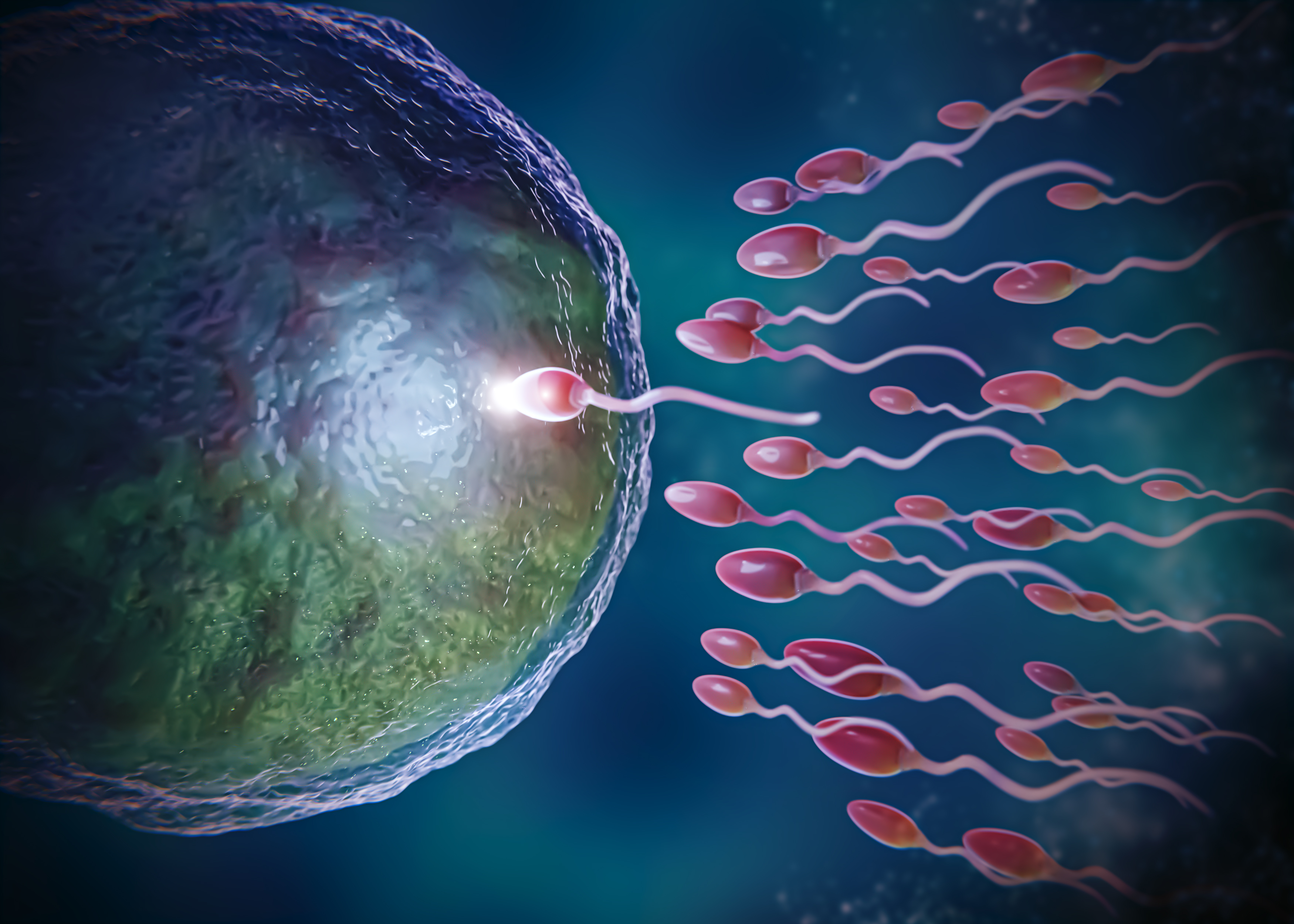
Dizygotic (Fraternal) Twins: two embryos are implanted during one IVF cycle, so both of them can get fertilized and implanted properly in a woman’s uterine lining. This results in different babies, and their genetics are as distinct as those of any different-born siblings. Monozygotic (identical) Twins: one embryo is the only embryo in your cycle, and it will then split and give one embryo to a new identical one. So, you will have identical twins who will have the same DNA and the same genes. By the way, cases where an embryo divides into twins are more frequent when IVF is the method; i.e., in these cases, embryo splitting happens in 2% of 1000 embryos, whereas in cases when a baby is naturally conceived, such a thing is only 4 babies per 1000 births, because most probably the reason for lab culture environment or advanced embryo manipulation techniques like ICSI or assisted hatching.
The Actual Odds: Single vs. Double Embryo Transfer
The biggest factor influencing your chances of having twins during IVF is simple: how many embryos are transferred into your uterus.
| Transfer Type | Twin Probability Rate | Primary Twin Type |
| Elective Single Embryo Transfer (eSET) | 1% – 3% | Identical (embryo split) |
| Double Embryo Transfer (DET) | 20% – 30% | Fraternal (both implant) |
| Triple Embryo Transfer | 30% – 50%+ | Fraternal / Multiples |
(Data source: Guidelines from the American Society for Reproductive Medicine – ASRM)
The Modern Approach: Elective Single Embryo Transfer (eSET)
Around this time, the policy guidelines of the international associations such as the American Society for Reproductive Medicine (ASRM) and the European Society of Human Reproduction and Embryology (ESHRE) have completely turned around.
Today, for the patients whose chances are good, mainly those under 35, clinics almost exclusively advocate the use of Elective Single Embryo Transfer (eSET).
Owing to the newest technologies like Preimplantation Genetic Testing for Aneuploidy (PGT-A), the embryologists are able to test the embryos for chromosomal abnormalities before transfer. By choosing one single best embryo in the lab that is genetically normal, the patient achieves almost the same success rate as if two embryos were placed but without the danger of twin pregnancy, which is a major risk.
Why Doctors Try to Avoid IVF Twins
Hopeful parents often fantasize about having “two for the price of one, ” in particular after enduring years of infertility or significant out-of-pocket medical expenses. However, when viewed from a purely medical standpoint, carrying a twin pregnancy increases the mother’s and infant’s medical risks A lot.
Complications for the mother:
- Pre-eclampsia: twin pregnancies pose a much greater danger of pre-eclampsia or high blood pressure. Compared to singleton pregnancies, a mother carrying two fetuses is twice as likely to develop pre-eclampsia.
- Gestational Diabetes: The hormonal shifts from multiple pregnancy raise the mother’s risk.
- Cesarean Section & Hemorrhage: Multiple deliveries quite a bit increase the chances of undergoing a C-section and experiencing complications with postpartum deliveries.
Fetal problems:
- Deliveries before Term or prematurely: More than half of twins are delivered before completing 37 weeks of pregnancy, which defines a baby born prematurely. Infants born prematurely are more likely to suffer from conditions such as pulmonary distress syndrome, have delays in their development, and remain in newborn intensive care for longer periods.
- Small for Gestational Age: Twins have less room available for their bodies to grow inside the uterus, making them more likely to be born at a lower weight.
- TTTS: Twin-to-Twin Transfusion Syndrome – an uncommon yet severe situation involving the blood vessels that may happen if a set of identical twins shares one placenta. If left uncorrected, the condition can seriously harm or even terminate the development of one or both fetuses.
Can You Request Twins with IVF?
- A patient technically is not barred from requesting their doctor to carry out a transfer of two embryos at the same time. Yet, it is unlikely that a reputable fertility specialist will agree to such a procedure just because the patient wants it, unless there is a medical reason for that.
- Besides these, there are a few circumstances where a doctor might even agree to a second embryo being transferred together with the first one for what comes next reasons:
- The mother’s age has advanced quite a lot (usually older than 38 – 40 years).
- The patient has previously undergone multiple unsuccessful IVF cycles.
- The embryos that were made were of a lower quality (e.g., not genetically tested ones).
The Verdict
Does IVF mean twins? Not really. IVF used to be related to multiple births, but today, the sole birth of a healthy, full-term baby is regarded as the best result in reproductive medicine.
With a single embryo transfer (SET), the probability of twins for you would decrease to only about 1% to 3%, which is almost as natural as possible for conceiving. To choose the safest, most effective way forward on your family-building journey, always be transparent and express your wishes to your fertility specialist regarding your strategy of embryo transfer.