Key Points
- AMH (anti-müllerian hormone) shows how many eggs a woman has. Low AMH can affect fertility, but healthy lifestyle habits can support ovarian function.
- Foods that increase AMH levels include antioxidants, omega-3 foods, protein-rich foods, and vitamin D–rich options.
- Low AMH levels treatment focuses on diet, supplements, reducing stress, improving sleep, and avoiding toxins.
- Improving AMH levels naturally takes time and consistency. Regular monitoring helps women planning pregnancy.
Introduction
Doctors often use the AMH (anti-müllerian hormone) test to check for fertility. This hormone tells you how many eggs are in your ovaries. A lot of women with low AMH freak out and think they can’t get pregnant, but that’s not true. AMH is only one part of your fertility picture, and you can naturally boost it.
You can’t boost AMH by a lot, but the right diet, habits, and lifestyle can help your ovaries work better, slow down the decline of AMH, and support better egg health.
This article talks about how to raise AMH levels, what foods raise AMH levels, how to raise anti-mullerian hormone levels naturally, and what treatments are available.
What is AMH?
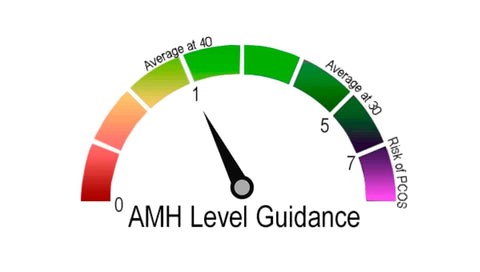
AMH is a hormone produced by small follicles in the ovaries. It helps doctors understand your ovarian reserve, the number of eggs left. A higher AMH level usually means you have more potential eggs, while a lower AMH suggests a reduced egg count. However, egg quality matters just as much as quantity.
AMH does not predict whether you can get pregnant naturally. Many women with low AMH conceive without any treatment, while others with high AMH may still struggle. It’s simply a guidance tool to help understand fertility better.
If you have low AMH and are unsure what it means for your fertility, consult our expert doctors at Zemya IVF & Fertility Centre, the best IVF and fertility experts in Delhi.
Types of AMH decline
Understanding why AMH is low helps in choosing the right lifestyle approach or treatment.
- Age-related decline
Ovarian reserve naturally decreases as women age. After 30, the drop is gradual, but after 35, the decline becomes faster. This is a normal biological process, not a disease.
- Lifestyle-related decline
Smoking, poor eating habits, unhealthy weight, lack of exercise, and disturbed sleep can reduce AMH earlier than expected. These lifestyle factors damage ovarian cells over time.
- Inflammation-related decline
Chronic inflammation, often due to stress, poor gut health, or processed foods—can affect hormone balance and reduce AMH production.
- Stress-related decline
High stress increases cortisol, which interferes with reproductive hormones. Women with high-stress jobs or irregular routines often see faster AMH decline.
- Genetic decline
Some women naturally have lower AMH because of family history. If your mother or sister experienced early menopause or low ovarian reserve, you may have similar patterns.
If you’re unsure about your cause, our expert doctors at Zemya IVF & Fertility Centre, Green Park, can help diagnose it.
Causes of low AMH
- Age: The most common cause of declining ovarian reserve.
- Genetics: Family history plays a major role.
- Poor diet: High sugar, fried foods, and processed foods damage ovarian cells.
- Hormonal problems: Thyroid issues, PCOS, or high prolactin.
- Environmental toxins: Plastics (BPA), pesticides, chemicals.
- Chronic inflammation: Affects ovarian function over time.
- Autoimmune disorders: Can damage ovarian tissue.
- Excess stress: Impacts the HPA axis and hormone production.
Low AMH is not always caused by one factor, it’s usually a combination of lifestyle, genetics, and age.
Symptoms of low AMH
Low AMH often goes unnoticed because it usually has no visible symptoms. However, some women may notice:
- Shorter menstrual cycles
- Lighter periods
- Irregular ovulation
- Difficulty conceiving
- Low antral follicle count on ultrasound
- Poor response to fertility medication
Remember: These signs do not always mean infertility. They simply help guide treatment plans.
How to increase AMH levels naturally
Improving AMH levels takes time and consistency. These natural methods help support your ovarian health.
- Foods to Increase AMH Levels (AMH Increase Food)
Your diet has a big impact on your hormones. These foods help nourish the ovaries:
Antioxidant-rich foods
- Berries (blueberry, strawberry)
- Spinach, kale
- Broccoli
- Pomegranate
Antioxidants protect your eggs from damage and improve cellular health.
Omega-3 foods
- Walnuts
- Chia seeds
- Flaxseeds
- Salmon, tuna
Omega-3s reduce inflammation in the body and create a healthier environment for egg development.
Protein-rich foods
- Eggs
- Paneer
- Dals and lentils
- Chickpeas
Protein helps build hormones and supports follicle growth.
Vitamin D–rich foods
- Mushrooms
- Fortified milk
- Almonds
Vitamin D plays a key role in ovarian function, and deficiency is very common among Indian women.
Iron & folate sources
- Beetroot
- Dark green leafy vegetables
- Pulses
These improve blood flow to the ovaries, supporting better egg health.
Which food increases AMH level the most?
Foods rich in omega-3, berries, nuts, eggs, and leafy greens have the strongest effect on supporting AMH and egg quality.
- Lifestyle tips to improve AMH levels
Lifestyle makes a big difference. Simple changes can lead to gradual improvement.
Regular exercise
30–45 minutes of moderate exercise improves blood flow, reduces inflammation, and balances hormones. Activities like walking, yoga, and light strength training work best.
Stress management
Stress is one of the biggest hidden reasons for hormonal imbalance.
Meditation, yoga, journaling, breathing exercises, or even 15 minutes of quiet time daily can help lower cortisol.
Sleep cycle
Your body produces repair hormones during deep sleep. Aim for 7–8 hours every night to support healthy hormone levels.
Avoid toxins
Stop heating food in plastic. Choose glass or steel containers.
Avoid pesticide-heavy foods and switch to chemical-free skincare when possible.
Maintain a healthy weight
Both underweight and overweight bodies may struggle with ovulation and AMH. Gradual, healthy weight management supports fertility.
- Supplements that may help
Always consult a doctor before starting supplements. Some commonly used ones include:
- CoQ10: Supports egg quality
- Vitamin D3: Helps improve AMH levels
- DHEA: Used in women with very low ovarian reserve
- Omega-3 supplements: Reduce inflammation
- Inositol: Supports hormonal balance
For safe and personalised supplement plans, visit Zemya IVF & Fertility Centre, the best IVF and fertility experts in Delhi.
- Low AMH levels treatment
Treatment depends on your age, fertility goals, and AMH level.
Lifestyle changes
The first and most natural way to support ovarian health.
Hormonal medicines
These help regulate ovulation and improve egg release.
IVF / IUI
For women wanting pregnancy soon, fertility treatments may be recommended as AMH continues to decline naturally with age.
Egg freezing
A good option for women in their late 20s or early 30s with low AMH who want to delay pregnancy.
Ovarian rejuvenation (PRP therapy)
A newer treatment showing promising results in some women.
For personalised low AMH levels treatment, consult our expert fertility doctors at Zemya IVF & Fertility Centre, Green Park.
Frequently Asked Questions (FAQs)
- How to increase AMH levels?
AMH improves through antioxidant-rich foods, omega-3s, stress reduction, adequate sleep, vitamin D, and avoiding toxins. Severe low AMH requires medical evaluation.
- Which food increases AMH level?
Berries, eggs, nuts, leafy greens, walnuts, and omega-3 foods are the top foods to increase AMH levels naturally.
- How to increase AMH levels in females naturally?
A balanced diet, moderate exercise, vitamin D, CoQ10, stress control, and eliminating plastics can support AMH improvement.
- How to increase anti-mullerian hormone?
Lifestyle changes, supplements like vitamin D & CoQ10, omega-3 foods, and reducing inflammation help improve anti-mullerian hormone levels.
- What is the AMH level for pregnancy?
AMH above 1 ng/mL is generally preferred for good ovarian response, but many women with low AMH still conceive naturally. AMH is only one part of fertility assessment.
- How to improve AMH level quickly?
There is no quick fix. Consistent changes over 3–6 months help stabilise and slightly improve AMH.
- What is the treatment for low AMH?
Low AMH levels treatment includes lifestyle changes, supplements, hormonal therapy, IVF, and ovarian rejuvenation depending on age and severity. Consult our expert doctors at Zemya IVF & Fertility Centre for personalised care.
- Can I get pregnant with low AMH?
Yes, pregnancy is possible with low AMH through natural conception or with fertility support. Early guidance improves success.