- Is egg freezing painful? One of the most frequently asked questions women have about fertility preservation is, “Will egg freezing hurt?” Whether you want to delay pregnancy, balance work and family, or preserve your fertility in case of cancer, knowing what to expect during the egg freezing process may put you at ease.
- With daily hormone injections, sedation, and the thought of having the eggs retrieved along with the potential side effects, the idea of egg freezing can seem scary. Don’t worry, egg freezing usually doesn’t cause pain; most women report only mild soreness, cramping, or bloating, and because the medical team retrieves the eggs under anaesthesia, you shouldn’t feel anything.
- Learn the egg freezing process, what to expect at each stage, which side effects to watch for, and how to care for yourself after the procedure.
1. Is Egg Freezing Painful?
Egg freezing is not painful for most women, but some women do find the egg harvesting process uncomfortable. The level of discomfort experienced will also depend on the patient’s response and approach to stimulation.
The egg freezing process consists of ovarian stimulation, monitoring, and egg retrieval. Each phase of the process may carry with it a different degree of discomfort.
| Stage | What you may experience |
|---|---|
| Hormone injections | Mild stinging, soreness or bruising at the injection site |
| Ovarian stimulation | Bloating, abdominal heaviness and mild cramping |
| Blood tests and ultrasound | Usually mild or no discomfort |
| Trigger shot | Mild injection-site soreness |
| Egg retrieval | No pain during the procedure due to sedation or anaesthesia |
| Recovery | Mild cramping, bloating and light spotting for a short period |
Most women can return to their usual routine within a day or two, although recovery varies. Your fertility specialist will provide specific instructions based on your response to treatment.
2. What Is Egg Freezing and Why Is It Done?
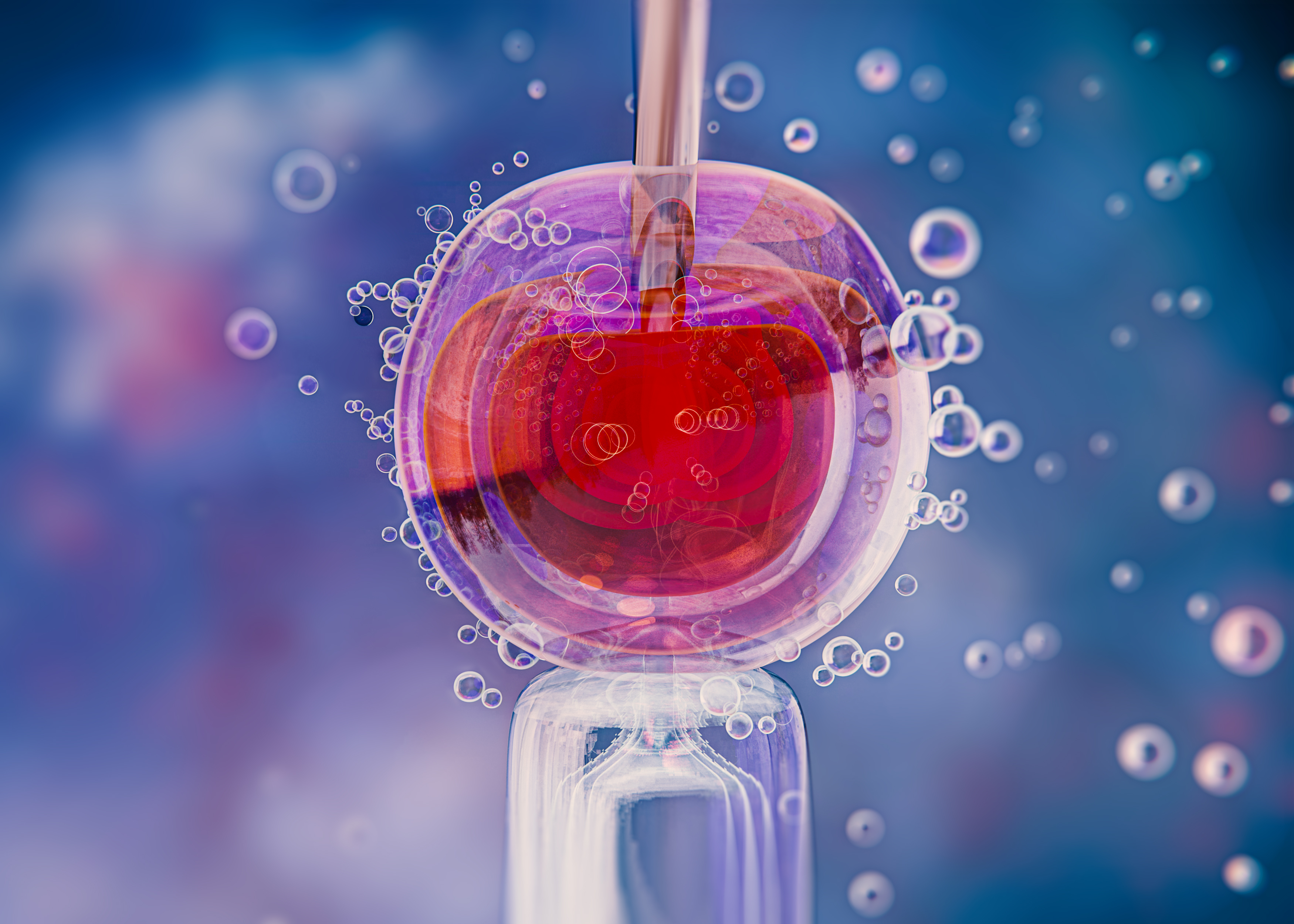
Doctors remove mature eggs from a woman’s ovaries and freeze them for later use during egg freezing, or oocyte cryopreservation.
The body arrests eggs in meiosis while awaiting fertilization. The ovaries normally release one egg each cycle. During egg freezing, fertility drugs stimulate the ovaries to generate many more mature eggs in one cycle.
A method called vitrification rapidly freezes the collected eggs, which are then stored in liquid nitrogen.
Women may consider egg freezing for several reasons:
- Social egg freezing: for postponing pregnancy for personal and professional reasons.
- Health reasons: Before cancer therapy or other medical treatments that could impact the ovaries.
- Family history: Women with a history of early menopause in their family might want to consider fertility preservation.
- Health conditions: Some health conditions and treatments can put you at risk of POI.
- Eggs may be frozen at the age they are collected, but there are no assurances of pregnancy in the future.
3. How Does the Egg Freezing Procedure Work?
Egg freezing typically takes about two to three weeks, though this can vary. The process involves a number of steps.
Step 1: Initial fertility evaluation
Before the start, a fertility specialist will ask about your medical history, reproductive cycle, and other aspects of your reproductive health. Some of the tests will be:
- Blood test to measure Anti-Müllerian hormone (AMH) levels, which reflect how many follicles are left.
- Hormone test to measure the amount of hormones.
- Count of Antral Follicles by ultrasound.
- After general health examinations, which depend on the medical history.
These tests are used by the team to help predict how the ovaries will respond to ovarian stimulation.
Step 2: Ovarian stimulation
In this stage, you are administered daily hormone injections – typically over a period of about 8 – 12 days – to trigger the production of eggs by the ovaries. The fertility treatment makes the ovaries produce multiple eggs.
You may experience:
- Abdominal bloating.
- Tenderness in the breasts.
- Light cramping.
- Mood swings.
- Instance fatigue.
- Pain at the injection sites.
Step 3: Regular monitoring
Observing follicle growth. Once it is established that there are some developing follicles, your fertility specialist will confirm with ultrasound and blood tests that the follicles have grown sufficiently.
According to the results, doses of medication could be changed.
Step 4: Trigger shot
Once the follicles have reached the point of maturity, an injection is given to encourage the eggs to reach maturity. Egg retrieval is often performed approximately 34-36 hours after injection.
Step 5: Egg retrieval
The egg retrieval process uses ultrasound guidance. A very thin needle is inserted through the vaginal wall and into the ovarian follicles to draw out the fluid that contains the eggs.
The whole process generally lasts 15 to 30 minutes and is carried out under anaesthesia or sedation.
Step 6: Freezing and storage
Eggs retrieved are checked in the laboratory. Eggs that have developed are frozen with a technique called vitrification and stored in liquid nitrogen for use in subsequent treatment cycles.
Only mature eggs for freezing will be saved. The number of eggs collected and the number frozen may differ.
4. What Are the Side Effects of Egg Freezing?
Egg freezing involves hormone medications and an egg retrieval procedure. Most side effects are temporary and manageable, but some complications require medical attention.
Common side effects include:
- Bloating: The ovaries become enlarged during ovarian stimulation, causing abdominal fullness.
- Mild cramping: Some women experience period-like cramps during stimulation or after egg retrieval.
- Mood swings: Hormone level changes may temporarily affect mood.
- Breast tenderness: Hormonal medications can cause breast discomfort.
- Fatigue: Some women feel tired during the stimulation phase.
- Injection-site reactions: Mild redness, bruising or soreness may occur.
These symptoms usually improve after the stimulation cycle and egg retrieval. However, their intensity varies from person to person.
5. Can Egg Freezing Cause Serious Pain or Complications?
While egg freezing is largely considered a safe procedure, it is possible for there to be complications.
One possible complication is ovarian hyperstimulation syndrome (OHSS). It happens when the ovaries respond excessively to fertility drugs, causing them to become enlarged and painful. It can range from mild to severe.
Other uncommon risks include:
- Ovarian torsion, when an enlarged ovary twists around the supporting structures.
- Post-egg retrieval bleeding.
- Pelvic infection.
- Damage to adjacent organs or blood vessels during egg retrieval.
- Sedation or anaesthesia-related complication.
When should you contact your fertility clinic?
If you have these symptoms, contact your clinic as soon as possible:
- Abdominal pain that is severe, new, or getting worse.
- Abdominal distention.
- Nausea or vomiting that keeps coming back.
- Feeling faint/dizzy.
- Decrease in urination or urine color.
- High temperature or excessive bleeding from the vagina.
If you are experiencing breathlessness, chest pain, or severe weakness, call an ambulance or seek urgent medical advice. Please do not accept severe pain as part of your egg freezing journey.
6. Is Egg Retrieval Painful?
Egg collection may be the step where you are most anxious.
Doctors take mature eggs from the follicles in the ovary using a fine needle and guide it with transvaginal ultrasound.
The medical team usually carries out the process while the woman is standing or lying down. They perform it either with the woman sedated or under general anaesthesia.
Post-procedure symptoms you might get:
- Uncomfortable period-like cramping.
- A sensation of tightness or weight in the pit of the abdomen.
- Spotting from the vaginal area.
- Temporary bloating.
- Post-sedation fatigue.
Many women are sent home after a short observation period. Some women will have some pain/discomfort for 24-72 hours, but every woman is different.
7. How Long Does It Take to Recover After Egg Freezing?
Recovery after egg retrieval is usually straightforward. However, the ovaries may remain enlarged for some time following ovarian stimulation.
Here is a general recovery guide:
| Time after retrieval | What you may experience |
|---|---|
| First 24 hours | Mild cramping, bloating, fatigue or light spotting |
| 24–72 hours | Discomfort usually starts improving |
| Next few days | Most women gradually return to routine activities |
| Following days or weeks | Ovarian swelling and fullness may take longer to settle |
Your fertility specialist may recommend avoiding strenuous exercise, heavy lifting, and sexual intercourse for a period after egg retrieval, depending on your recovery and ovarian response.
Follow your clinic’s instructions and do not resume intense physical activity until your doctor confirms it is safe.
8. What Happens to Frozen Eggs When You Want to Get Pregnant?
When you want to conceive at some point in the future, you can use your frozen eggs. But using your eggs does not ensure that you will conceive.
The process generally involves:
- Thaw: frozen eggs are thawed in the lab.
- Fertilisation: The eggs will normally be fertilised by in vitro fertilisation (IVF) or intracytoplasmic sperm injection (ICSI).
- Embryo development: Tracking of fertilised eggs as they develop into embryos.
- Embryo transfer: The embryo can be placed into the uterus.
- Pregnancy test: The blood test is performed at the appropriate time to rule out pregnancy.
A percentage of eggs will not survive the freeze/thaw, and since not all fertilised eggs become embryos suitable for transfer, the age of the woman when she froze the eggs, the number of mature eggs she stored, and their quality will cause the pregnancy success rates to vary.
9. Does Egg Freezing Affect Fertility or Cause Early Menopause?
Another worry that almost every woman has is – whether the retrieval of so many eggs will affect the natural fertility or will prematurely induce menopause in her.
The egg freezing medications will help the follicle that is already growing that month; they don’t remove the eggs that would just be sitting in the ovary and ready for the next cycle.
There is no evidence that egg retrieval results in early menopause or premature ovarian failure. Still, ovarian reserve and reproductive health should be considered individually before treatment.
Learn about fertility preservation if you have a history of early menopause in your family, a low ovarian reserve, or an existing health condition that might interfere with ovarian function.
10. What Is the Cost of Egg Freezing?
The cost of egg freezing can vary by fertility clinic, the number of treatment cycles required, medication prescriptions, and storage plan.
The total cost may include:
- First visit and tests for fertility.
- Hormonal injections and other fertility medications.
- Ultrasound scans and blood tests.
- Egg collection and anaesthesia.
- Laboratory freezing and vitrification.
- Cost of frozen eggs stored each year.
Request a detailed price breakdown for the cost of medication, egg retrieval, freezing, and storage from your fertility clinic. And ask about future expenses for thawing eggs, ICSI, and embryo transfer.
Conclusion: Is Egg Freezing Worth Considering?
Egg freezing isn’t painful, but injections can have some mild side effects such as breast tenderness. The egg collection itself is carried out under sedation/anaesthesia to ensure as little discomfort as possible.
Egg freezing may be right for you if you want to: take control of your fertility, delay pregnancy, or preserve your fertility before some medical procedures. As with any procedure, there are advantages, disadvantages, and risks of egg freezing to consider.
Talk with a fertility doctor about your ovarian reserve, how you will respond to treatment, and whether egg freezing makes sense for your fertility timeline.