For numerous couples who have undergone an IVF cycle, the conclusion of egg retrieval and fertilisation is not the end of the matter; it often marks the start of a longer, more promising chapter. Frozen embryo transfer (FET) is nowadays one of the key and tremendously implemented procedures in the field of reproductive medicine. It enables patients to get a successful pregnancy by using good-quality embryos that had been frozen during a previous IVF cycle, thus avoiding the necessity for going through the entire stimulation and retrieval process. At Zemya IVF & Fertility Clinics, a well-known IVF Centre in Green Park and a centre for advanced fertility treatment in South Delhi, FET is carried out under the most scrupulous standards of embryological care and clinical accuracy, so that each patient is given the best possible chance to have a healthy outcome.
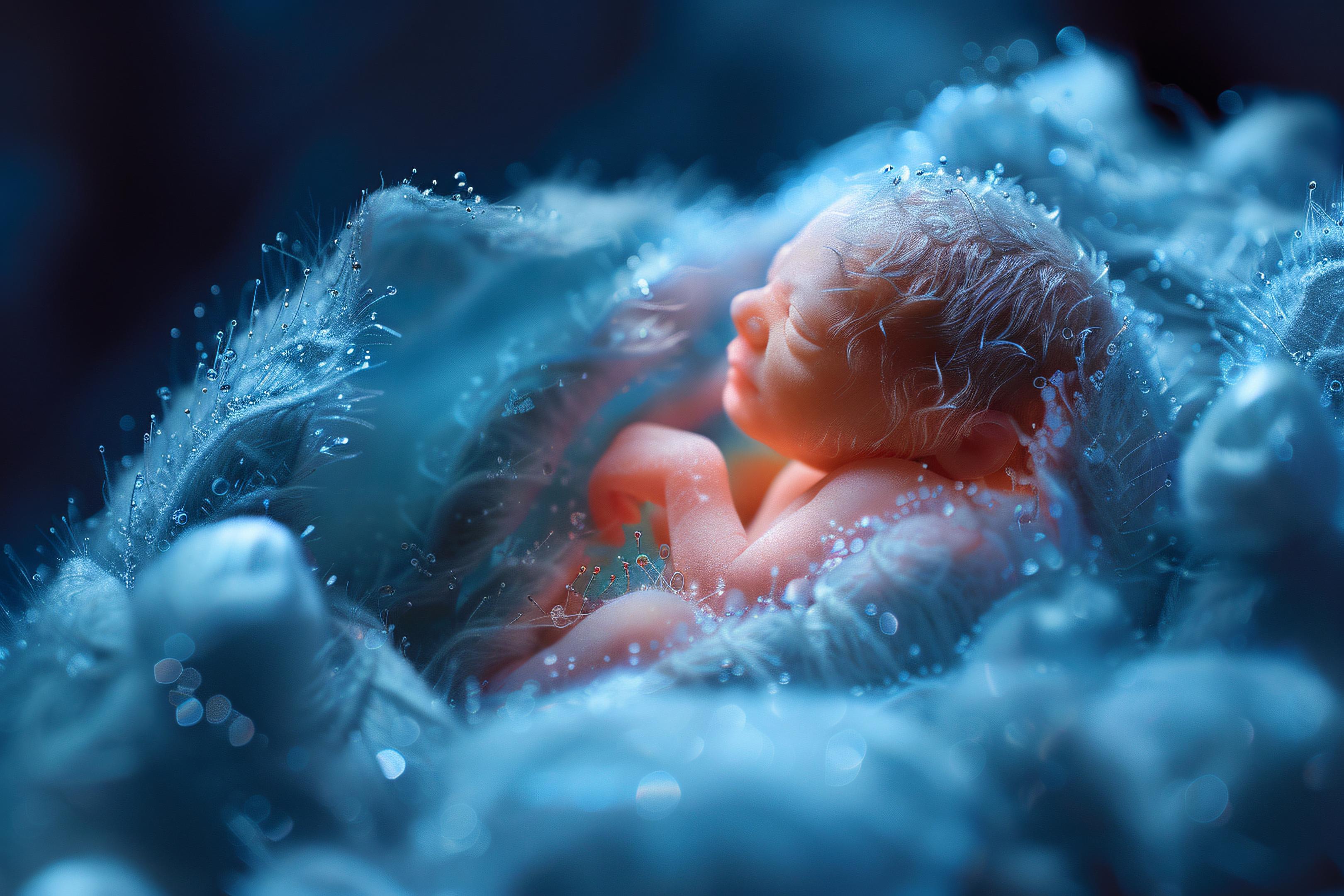
What Is a Frozen Embryo Transfer?
A frozen embryo transfer is a method in which the embryos that were frozen during the previous IVF cycle are thawed and then transferred into the uterus during a specially prepared FET cycle. In the usual IVF cycle, the ovaries are stimulated to produce more than one egg at a time, and therefore more than one embryo is produced. Not all the extra embryos are transferred at the time of the fresh cycle; the best ones are selected and transferred fresh, and the rest are frozen for future use.
The embryos that remain after treatment are frozen by a process known as vitrification, a super-fast freezing method that stops the creation of ice crystals inside cells, thereby maintaining cell integrity much better than the previously used slow freezing techniques. Embryos that have been vitrified may be kept in storage for a long time without any risk, and when a frozen embryo transfer cycle is to be performed, the embryos are defrosted in such a way that they are almost equal to their state when they were initially frozen.
Why Choose a Frozen Embryo Transfer?
There are several compelling reasons why patients and fertility experts prefer to transfer frozen embryos rather than fresh embryos in the same cycle of egg retrieval. According to the Best IVF Doctor in South Delhi at Zemya IVF & Fertility Clinics, “One of the most compelling reasons for choosing frozen embryo transfer over fresh embryo transfer in the same cycle of egg retrieval is that it gives your body the opportunity to recover completely from the side effects of ovarian stimulation before implantation of the embryo.
During an IVF cycle, the medications used to stimulate your ovaries to produce multiple eggs may impact your uterine lining and hormonal balance, which may result in decreased receptivity at the time of fresh embryo transfer. By freezing your embryos and giving your body enough time to recover completely before thawing and implanting your frozen embryos, your uterine lining will be ready to receive your embryos.
FET is a great way to lower the risk of ovarian hyperstimulation syndrome (OHSS) to a great extent. For those who have shown symptoms of ovarian hyperstimulation syndrome (OHSS) following the stimulation phase, the safest clinical method is to freeze all embryos and delay transfer until the OHSS has completely resolved. This can avoid the new hormonal demands of a fresh transfer on a system that is already overstimulated.
For those associated with preimplantation genetic testing, a process by which embryos are removed and checked for chromosomal abnormalities before being transferred, FET is the normal practice as the test process takes a long time and makes a fresh transfer less of a practical option in the same cycle.
Finally, FET provides hope for the future in building families. Couples who are able to achieve a successful pregnancy from the first embryo transfer can return to the frozen embryos when they are ready for a second child, without having to go through the IVF cycle again. Fertility Preservation in South Delhi at Zemya IVF & Fertility Clinics also employs the use of embryo freezing in cases where women want to preserve their fertility before undergoing cancer and other treatments.
The Frozen Embryo Transfer Process
Preparing the Endometrium
The success of a frozen embryo transfer cycle depends on the preparation of the endometrium, which is the lining of the womb, to create the best environment for implantation of the embryo. The Top infertility specialist in South Delhi at Zemya IVF & Fertility Clinics adjusts the preparation of the endometrium in accordance with the patient’s requirements by choosing between two different protocols.
In natural cycle FET, the natural menstrual cycle of the woman is closely monitored to detect the natural implantation window. Ultrasound and blood tests are performed to monitor the growth of the follicle and detect the LH surge, which will trigger ovulation. Then, the transfer of the embryo is performed at the natural peak of receptivity of the endometrium.
In a hormone replacement therapy FET cycle, the patient is first given estrogen medications to develop the endometrial lining to the desired thickness. After that, progesterone medications are administered to mimic the hormonal changes after ovulation and “open the window of implantation”. This method allows the fertility doctor to strictly control the timing of the transfer and it can be used with a wider variety of patients including those with irregular cycles. Progesterone support is given not only at the time of transfer but also throughout the first few weeks of pregnancy in well, maintained endometrium for successful implantation.
The Thawing Process and Embryo Assessment
On the day of the frozen embryo transfer, the selected embryo or embryos are thawed in the embryology lab using the reverse of the vitrification process. The embryology team at Zemya IVF & Fertility Clinics, an IVF clinic with a high success rate in South Delhi, will assess the thawed embryos to make sure they have survived the thawing process in good condition and are still suitable for transfer. In fact, the chances of survival of vitrified embryos are quite high, more than ninety percent in fact, when the flash freezing process has been correctly performed, which is one of the main advantages of vitrification compared to the conventional slow-freezing process.
Based on the fact that embryos frozen at the blastocyst stage have shown very high post-thaw survival rates and great implantation ability, blastocyst vitrification has become the method of choice in the majority of the highly developed fertility centers. On the other hand, embryos frozen at the cleavage stage, which refers to an earlier stage of development, are also a good option for FET. However, it is generally believed that embryos at the blastocyst stage yield better results.
The Transfer Procedure
The process of the frozen embryo transfer is quite simple, minimally invasive, and pain-free. The patient is placed on an examining table, and the fertility specialist inserts a flexible catheter containing one or multiple embryos into the uterus using ultrasound guidance. This process is completed in just a few minutes, and no anaesthesia is required in the vast majority of cases. Once the process is complete, the patient is given certain guidelines by the fertility specialist regarding progesterone, lifestyle, and physical activities to be performed during the two-week waiting period.
Pregnancy Test and Follow-Up
A pregnancy test, which is either a blood test or a home test, is carried out fourteen days after the FET. The test is done to confirm the success of the implantation. Ultrasound follow-ups are done after the pregnancy test has confirmed the pregnancy. If the FET cycle does not end up in pregnancy, thefertility team at Zemya IVF & Fertility Clinics examines all the relevant factors together with the patient, and discusses the next steps: a further frozen embryo transfer using remaining frozen embryos, or a reassessment of the overall treatment plan.
FET Success Rates
Significantly, frozen embryo transfer success rates have increased manifold with the advent of vitrification, and in some cases, frozen embryo transfer success rates are comparable to or even higher than those of fresh embryo transfer cycles. Several variables are known to influence the success rate of frozen embryo transfer, and these are the age of the woman at the time of freezing, quality of embryos, endometrial thickness and receptivity at the time of transfer, and number of previous IVF cycles. At Zemya IVF & Fertility Clinics, Affordable IVF treatment in South Delhi, every frozen embryo transfer cycle is accompanied by personal and evidence-based counseling to ensure maximum success for every individual patient.
Frequently Asked Questions
In a fresh embryo transfer, fertilised eggs are usually done via IVF and then transferred into the uterus within the same cycle after egg retrieval, normally five to six days post fertilisation. On the other hand, in a frozen embryo transfer, embryos remaining after the IVF cycle are frozen by vitrification and then transferred later in a separate, mainly prepared FET cycle. FET also gives the body time to heal after stimulation and it is a great method to end the uterus lining being ready for implantation.
Vitification of embryos enables their storage for long periods of time without any deterioration in their quality. Children born from frozen embryos stored for a decade or more have been born healthy across the globe. The fertility experts at Zemya IVF & Fertility Clinics are available to provide guidance on the storage of frozen embryos and consent forms during the freezing process.
The FET treatment is usually painless and does not need any anaesthesia. Many patients say that they only feel mild cramping, which is similar to the one they get during their period. The whole thing only lasts for a couple of minutes and usually, you can go back to your usual activities on the same day. However, you must always follow your fertility specialist’s directions about rest and lifestyle matters.
Progesterone medications in the form of vaginal pessaries, injections, and tablets are prescribed for support after FET. Progesterone support is needed until approximately ten to twelve weeks of pregnancy when the placenta will take over hormone production.
Firstly, if an embryo does not survive the thawing procedure, the frozen embryo transfer (FET) cycle will be canceled and the team will together decide on the next steps. Vitrification, the freezing method used, is usually very successful at keeping embryos alive after thawing, with survival rates commonly exceeding ninety percent. In case there were several good embryos frozen and only one was frozen at a time, you can thaw another one for a later cycle. Your fertility specialist at Zemya IVF & Fertility Clinics will be able to offer you personalised advice on all the options available to you.
Yes. For those who have frozen their embryos before undergoing cancer treatment as part of Fertility Preservation in South Delhi at Zemya IVF & Fertility Clinics, FET provides an option for pregnancy after treatment is completed and it is safe to begin, as determined by their medical staff. The timing of when to use FET after cancer treatment is individually determined in consultation with their oncology staff.