Couples struggling with infertility may find the idea of considering a fertility treatment very stressful. However, not all processes involve the complexity and high cost of advanced procedures. Intrauterine insemination (IUI) is one of the most accessible, minimally invasive, and widely used assisted reproductive technologies available today. It offers many couples a realistic and effective way to get pregnant before the need for more intensive interventions arises.
At Zemya IVF & Fertility Clinics, a reliable IVF Centre in Green Park and a provider of advanced fertility treatment in South Delhi for fertility problems, IUI treatment is carried out accurately, with care, and using a highly personalised approach that enables each patient to have the greatest possible chance of success.
This comprehensive guide covers everything couples need to know about IUI, from who it is suitable for and the IUI procedure, to the success rates, the risks, the costs, and when to consider other forms of fertility treatment.
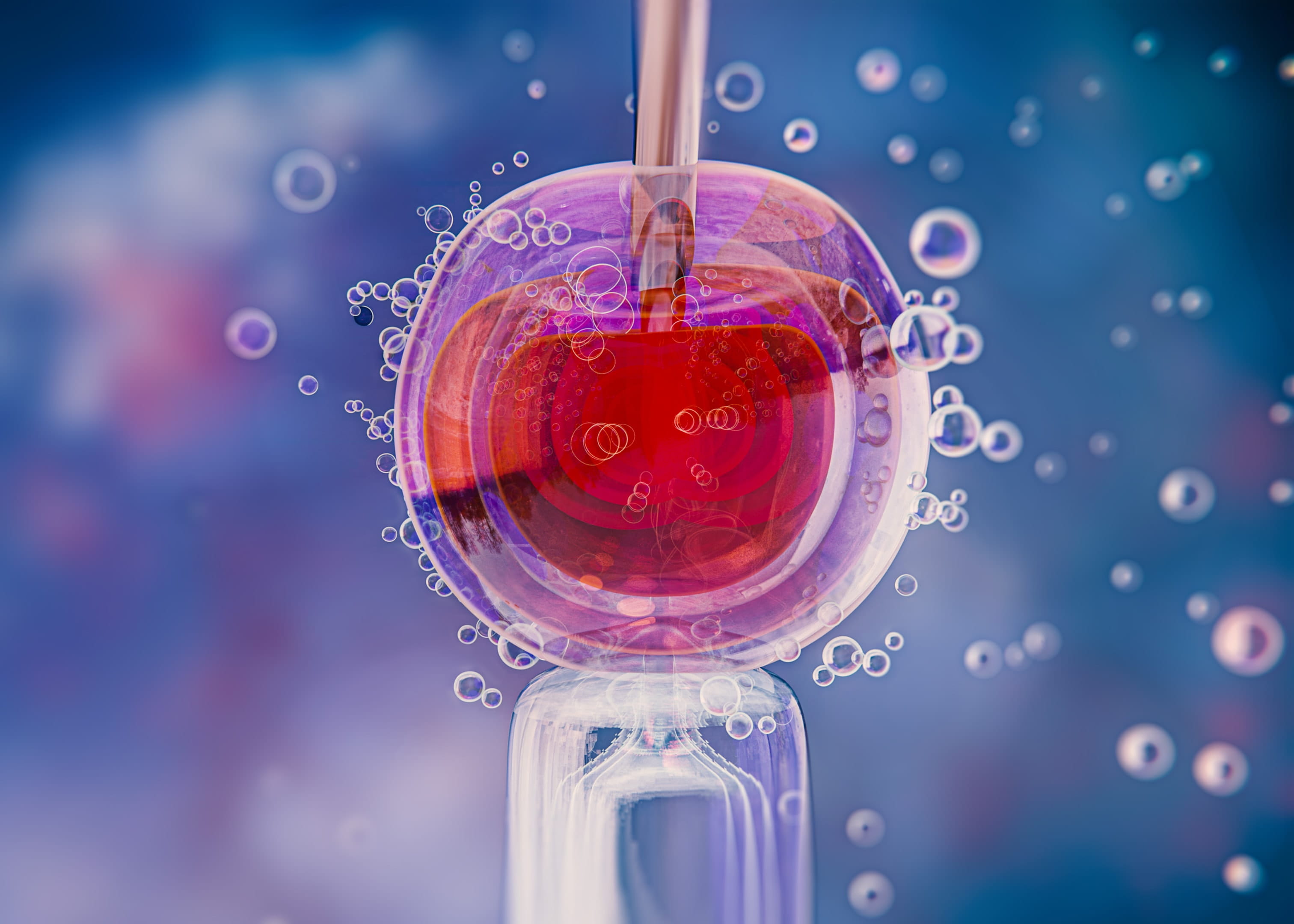
What Is Intrauterine Insemination (IUI)?
Intrauterine insemination is a method of assisted reproduction where purified sperm, either from a male partner or donor sperm through a sperm bank, is directly placed into the uterine cavity during ovulation.
The basic aim of the IUI process is to reduce the length the sperm has to cover to reach the egg, thereby increasing the number of healthy sperm that are present in the fallopian tubes just at the time when a mature egg is ready for fertilisation.
Unlike in natural intercourse, where sperm is required to pass through the cervix as well as the mucus produced in this area before it can get into the uterus, IUI does not require this. This is especially useful when the cervical mucus is thick or hostile to sperm, as well as when the sperm count is low. This is because the IUI process injects a concentrated amount of better sperm directly into the uterine cavity, thereby greatly improving the chances for fertilization without the physical and emotional stress of more expensive fertility treatments such as IVF.
Sometimes people confuse artificial insemination to mean only intrauterine insemination IUI while artificial insemination is a broader term that covers various insemination methods. The method with donor sperm from a sperm bank is specifically termed donor insemination as opposed to using a male partner’s sperm.
Who Is IUI Suitable For?
At Zemya IVF & Fertility Clinics, as a leading Fertility Preservation in South Delhi and an Infertility Treatment Clinic, we assess the couple to see whether IUI is the right treatment option to begin with. IUI is recommended to couples and individuals who face the following problems:
Unexplained Infertility – A complete fertility investigation involving semen analysis, blood test, transvaginal ultrasound, and fallopian tube assessment does not reveal the cause of infertility in such couples. IUI, along with fertility drugs, can help such couples conceive.
Mild male factor infertility is a condition in which the semen sample shows low sperm count, motility, and morphology. However, the deficiency is not critical enough to warrant the use of ICSI and IVF right away. The process of washing the sperm used in the IUI procedure helps to select the best and a healthy sperms available in the semen sample, thus increasing the concentration of healthy sperms available for insemination.
Cervical factor infertility is a situation in which the cervical mucus is unfriendly to sperm, very thick, or where the effects of previous cervical treatments have changed the mucus produced. Since IUI completely goes around the cervix, cervical factor infertility is probably the easiest justification for the procedure.
Single women and same-sex couples who want to conceive and use donor sperm (called donor insemination) available at registered sperm banks.
Couples where the male suffers from medical problems, such as ejaculatory problems and medical problems requiring the separation and preparation of sperm before insemination.
Women suffering from ovulatory problems – Single women and same-sex couples – who want to conceive and use donor sperm available at registered sperm banks.
A blocked fallopian tube is usually a contraindication for IUI, as the procedure depends on at least one open tube, through which the sperm can travel to the egg. Helping the infertile couple with severely affected male parameters, such as very low sperm count or significant issues with the sperm’s quality, through IUI is not a good idea. Instead, this should be a case for ICSI in combination with IVF.
The Best IVF doctor in South Delhi at Zemya IVF & Fertility Clinics carries out a detailed initial consultation and checks all relevant fertility tests before deciding on IUI, so that it is done only if it is a really appropriate method of treatment.
The IUI Treatment Process: Step by Step
Understanding the IUI process can help the couple feel more confident and prepared to undergo the treatment process. The IUI procedure usually occurs within the period of a woman’s menstrual cycle and consists of the following steps:
IUI Process- Initial Consultation and Fertility Assessment
However, before the treatment process under IUI can be initiated, an exhaustive fertility evaluation is conducted for the couple. This involves a semen analysis for the male partner to evaluate the volume, motility, and sperm morphology; hormone level evaluation and ovary reserve for the female partner; ultrasound evaluation for the female partner to evaluate the uterus and ovaries; evaluation of the medical history of the female partner to assess if she had any successful pregnancy history as well as any history of any disease; evaluation of the openness of the fallopian tubes through the pap smear and fallopian tubes.
This detailed evaluation at Zemya IVF & Fertility Clinics, a leading IVF centre in South Delhi with a high success rate, not only confirms that IUI is the most suitable treatment but also makes sure that any changeable factors that may impact the success rate are taken care of even before the first cycle.
Fertility Treatments- Ovarian Stimulation and Monitoring
IUI can be done in a natural, unmedicated cycle too; however, most IUI cycles are done in combination with fertility medication to stimulate ovulation and get better results. Using fertility medication, mainly oral drugs such as clomiphene citrate or letrozole, or injectable fertility drugs with follicle-stimulating hormone, makes the ovaries produce one or several follicles; thus, more mature eggs (releasing multiple eggs) are available for fertilisation.
This requires careful monitoring to ensure that the chances of conception are maximized while at the same time avoiding the chances of the eggs released to fertilize the sperm, increasing the chances of a multiple birth, which can cause problems such as low birth weights and premature births. The Top Infertility Specialist in South Delhi at Zemya IVF & Fertility Clinics uses transvaginal ultrasound and blood tests to check the development of the follicles in the ovaries, as well as adjusting the dosage of the fertility drugs and the timing of the insemination procedure.
When the follicles have achieved the proper size, a trigger shot of human chorionic gonadotropin hormone is given to induce the release of an egg from the ovary, and the IUI procedure is scheduled to be done thirty-six hours later.
Sperm Preparation and Washing
At the time of the insemination procedure, the male partner supplies a semen sample, or a prepared sample of donor sperm from a sperm bank is thawed and prepared. A semen sample is subjected to a laboratory procedure called sperm washing that isolates sperm with high viability from the seminal fluid, kills or poorly motile sperm are discarded, and concentrates the higher quality sperm into a small volume of prepared sperm suitable for direct uterine placement
Sperm washing is a crucial process in the IUI technique (helps healthy sperm selection), as the seminal fluid has prostaglandins that can cause extreme discomfort if inserted into the uterine area. However, the washed sperm can eliminate the risk and provide the area where the sperm are needed the most with the best possible sperm count.
The insemination procedure is done simply so as not to cause any pain to most patients.
The female partner reclines on the doctor’s examination table in a position that’s similar to a routine gynaecological examination.
After a speculum is gently introduced to reveal the cervix, a thin plastic tube is carefully guided through the cervix into the uterine cavity. The sperm sample, which has been prepared beforehand, is then introduced slowly through the tube; thus, the washed sperm are deposited directly at the entrance to the fallopian tubes from where they can make the short journey to the egg.
This process usually only takes a few minutes. Most women only feel a little cramping during or after the insemination, similar to menstrual cramps. This is temporary and usually goes away within a short time. The vast majority of women can resume their normal activities within an hour. Bed rest is not required after IUI and does not increase the chances of success.
The Two-Week Wait and Pregnancy Testing
The couple goes through a waiting period after the insemination procedure. During this period, the sperm fertilizes the egg if the conditions are right, and the fertilized egg will implant itself in the uterine wall. A home pregnancy test or the blood test carried out by the clinic is usually done about fourteen days after the IUI procedure to confirm if an early pregnancy has taken place.
If the test is positive, the pregnancy is confirmed with further blood tests and transvaginal ultrasound scans at Zemya IVF & Fertility Clinics to check for the development of early pregnancy. If the test is negative, the fertility expert will review the cycle and determine if additional cycles of IUI treatment are needed or if other options should be pursued.
How Many IUI Cycles Are Required?
Intrauterine insemination (IUI) treatment is highly variable depending on the unique situation of each couple, their age, diagnosis, and response to ovarian stimulation. Typically, fertility doctors advise trying three to six IUI cycles before doing a follow-up and looking at more advanced assisted reproductive technologies like IVF or ICSI.
Pregnancy rates increase substantially with multiple cycles of IUI compared to a single one, so it makes sense for couples who are suitable for the treatment to keep going with IUI.
However, if the agreed number of cycles of IUI treatment have failed to achieve pregnancy, the Best IVF doctor located in South Delhi at Zemya IVF & Fertility Clinics will analyze all the available data to decide on the best course of action, which could be to modify the stimulation protocols to continue with further cycles of IUI or to proceed with IVF.
IUI Cost and Accessibility
One of the real benefits of IUI as a fertility treatment is that it can be quite accessible when compared to IVF. IUI prices are much lower per cycle than IVF, which makes it a sensible initial move for couples who qualify before they decide on more costly fertility treatments. Zemya IVF & Fertility Clinics, Affordable IVF treatment in South Delhi, offers both IUI and IVF services with total openness regarding the costs, hence couples can decide with full knowledge and no financial worry.
When to Move from IUI to IVF
IUI is a good first-line therapy for many couples, but it is not the best choice for all fertility challenges. Couples who have blocked fallopian tubes, severe male infertility with very low sperm count or poor sperm quality, advanced female age with poor ovarian reserve, or endometriosis that has distorted the pelvic anatomy are often not good candidates for multiple IUI attempts that will not work.
For women looking to learn more about Fertility Preservation in South Delhi prior to initiating their actual fertility treatment, the Zemya IVF & Fertility Clinics team can provide information on egg freezing opportunities and how they may factor into a woman’s overall plan.
Frequently Asked Questions
The IUI procedure is typically painless for the majority of patients.
Some women get mild cramps during or shortly after insemination, which is like period pain, and it usually goes away within a couple of hours. You can take a mild over-the-counter pain reliever before the procedure to help prevent any discomfort.
The actual procedure of IUI takes only a few minutes to perform. In addition to this, preparation time and a short rest period after the procedure, the entire time spent at the clinic is less than an hour. There is no need to rest in bed after the procedure, and normal activities may be resumed right away.
Sperm washing is a laboratory technique where healthy, motile sperm are separated from the seminal fluid while other sperm are removed. The healthy washed sperm, motile sperm are then concentrated into a small, prepared sperm sample, which can be placed directly into the uterus. It is necessary since seminal fluid has components that cause strong uterine cramps if they are introduced directly into the uterine cavity; also, sperm washing selects only the best sperm, which have a higher chance of fertilising an egg.
It is highly recommended that three to six IUI cycles should be attempted before IVF. However, this would depend upon the cause of the problem, the age factor, the ovarian response, and the results of the previous IUI cycles. The Best IVF Doctor in South Delhi at Zemya IVF & Fertility Clinics shall guide the best possible solution to the problem after taking all the facts and circumstances into consideration.
Yes. Donor insemination is done by using the sperm of a donor who has been tested thoroughly and has obtained the same from a certified sperm bank. The process of Donor Insemination is the same as the process of sperm insemination. At Zemya IVF & Fertility Clinics, Donor Insemination is provided to single women, same-sex couples, and couples where the male’s sperm is not available or is unsuitable.
The success rate for IUI varies depending on various factors like age, cause of infertility, use of fertility medicines to stimulate the ovaries to produce multiple eggs, and the quality of the sperm. The fertility specialists at the IVF center with the high success rate in South Delhi at Zemya IVF & Fertility Clinics provide the success rate to the couples individually, depending on their individual profile during the initial consultation.