For couples experiencing male infertility problems as the main cause of their inability to conceive, intracytoplasmic sperm injection has really broadened the scope of what is achievable in reproductive medicine. Previously, a diagnosis of extremely low sperm count or sperm with very poor quality could have meant little or no hope for the couple, but with ICSI, they’ve got a pinpointed, highly scientific method to bring children into their lives. The ICSI procedure at Zemya IVF & Fertility Clinics, which is a leading fertility treatment services provider in South Delhi with the most advanced fertility treatment facilities, along with being a renowned IVF Centre in Green Park, is carried out by a team of extremely skilled embryologists using the latest techniques and equipment available.
What Is Intracytoplasmic Sperm Injection?
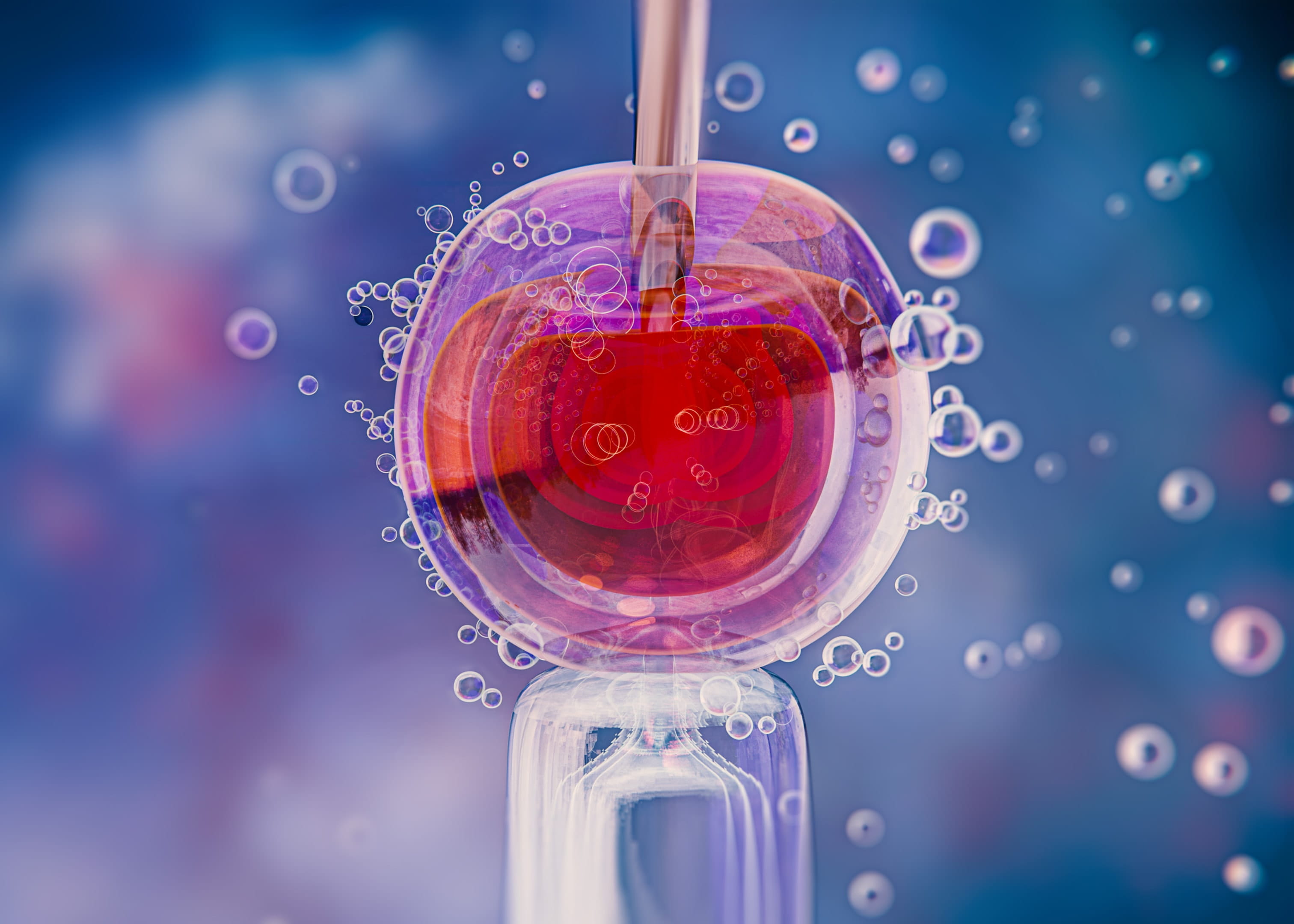
Intracytoplasmic sperm injection (ICSI) is a technique used in vitro fertilization where one sperm is isolated and injected straight into the mature egg to achieve fertilization. This is quite different from the conventional IVF method, in which a large number of sperm are put near the egg, and fertilization happens when one of them enters the egg. In ICSI, under a microscope with high magnification, the sperm is directly injected into the egg using a very thin glass needle.
This procedure bypasses every natural barrier to fertilization, such as low sperm motility, abnormal sperm shape, and the fact that sperm are not able to get through the egg’s outer layer. As a result, fertilization can take place even if the semen sample has very few live sperm or if the quality of the sperm is severely compromised.
Who Is ICSI Treatment Recommended For?
As explained to patients by the Best IVF doctor in South Delhi team at Zemya IVF & Fertility Clinics, ICSI is usually recommended in the following situations:
- Severe male infertility, such as when sperm count is very low, sperm movement is poor, or sperm morphology is abnormal, so that fertilization using natural means or IVF is unlikely to happen.
- Previous failure of fertilization, when eggs are collected in a previous IVF attempt but failed to fertilize, or fertilized poorly, despite the presence of sperm.
- Frozen sperm, when sperm is obtained from a sperm bank or a previous surgical sperm retrieval procedure, because it has been previously frozen, which can affect sperm quality.
- Surgical sperm collection, in which the presence of live sperm is required to be collected directly from the testes or epididymis, due to the absence of sperm in the ejaculate, caused by a previous vasectomy, a blockage in the reproductive tract, or a problem with sperm production.
- Poor quality of sperm due to cancer treatment, in which the quality of the sperm is adversely affected due to chemotherapy or radiation, and the number of sperm is limited.
- Genetic testing, in which preimplantation genetic testing is required to be done on the embryos, and ICSI is used to ensure that only sperm, and not other cells in the semen sample, are present on the egg’s surface.
- ICSI is also an option for couples who have unexplained infertility, especially when fertility treatments that were attempted previously could not yield any results. Besides, as per Fertility Preservation in South Delhi protocols, sperm freezing is done when such frozen sperm may be used in the future to conceive by assisted reproductive techniques (ART) such as In vitro fertilization (IVF) or ICSI.
The ICSI Process: Step by Step
Ovarian Stimulation and Egg Retrieval
The process of ICSI actually starts in the very same manner as a regular IVF cycle. The woman is given fertility drugs to stimulate her ovaries, mostly injectable forms of follicle-stimulating hormone, so that they release more than one egg at a time, which is different from the single egg released throughout the normal cycle. This stage is closely observed by doing blood tests and ultrasounds in order to see how the follicles are growing, to change the drug doses if necessary, reducing the chance of the ovaries being overstimulated, and at the same time, increasing the number of mature eggs that can be used for the egg retrieval operation.
Once the follicles have reached the appropriate size, the trigger is given, and the egg retrieval is planned for about thirty-six hours later. The egg retrieval is conducted under sedation, whereby the egg is aspirated from the follicles through the use of a fine needle and the assistance of ultrasound. At Zemya IVF & Fertility Clinics, an IVF centre with high success rates in South Delhi, the egg retrieval process takes place with precision and comfort as the main priority.
Sperm Collection and Preparation
During the egg retrieval procedure, the male partner provides a fresh semen sample for sperm collection, or frozen sperm from a previous time is thawed and prepared in the lab. In case there are no sperm in the ejaculate, a fertility doctor will carry out a surgical sperm retrieval operation, for example, testicular sperm extraction or epididymal aspiration, to get live sperm directly from the reproductive tissue. The embryologists will then recognize and pick the highest quality sperm from the sample, selecting sperm cells with the most normal shape and best movement for injection.
The Intracytoplasmic Sperm Injection Procedure
At the embryology laboratory, a mature egg is locally held by a thin holding pipette, while, on the other hand, the embryologist uses a separate tiny injection needle to immobilise a single sperm and draw it into the needle. The needle is then gently pushed through the outer layers of the egg and the single sperm is released directly into the cytoplasm of the egg, its inner fluid, in order to fertilize it.
Each of the mature eggs collected is injected individually. Those eggs that have been subjected to the ICSI procedure are placed in a culture environment in the embryology lab, where they are observed over the next few days as fertilized eggs develop into embryos.
Embryo Development and Transfer
Fertilized embryos are monitored daily to evaluate the quality of their development as they progress to the next stages of early cellular division to form the blastocyst form, which is usually achieved in the fifth or sixth day of culture. The team of experts in the department of Top infertility specialists in South Delhi, at Zemya IVF & Fertility Clinics, monitors the quality of the embryos in their development stages to select the best one or more to transfer.
The embryo transfer method is inserting the chosen embryo directly into a woman’s uterus by a thin catheter that is passed through the cervix. It is a simple procedure that is usually painless and does not require anaesthesia. Deciding whether to carry out a fresh embryo transfer during the current cycle or a frozen embryo transfer in the next cycle depends on a woman’s hormonal levels, the condition of her endometrium, and other clinical factors. Good-quality fertilised embryos that are not used can be frozen with embryo cryopreservation for future cycles of frozen embryo transfer.
A pregnancy test is performed approximately 14 days after embryo transfer to confirm whether a successful pregnancy has been established.
ICSI Success Rates and Outcomes
ICSI has dramatically changed the prospects for couples who have had to deal with male infertility problems that would have made biological parenthood impossible. The fertilization success rate of ICSI is always high if the embryology team is experienced, usually between seventy and eighty percent fertilization success rate for every egg that is injected. However, the success of ICSI treatment for live births depends on other factors, including the woman’s age, egg quality, embryo quality, endometrial receptiveness, and the cause of infertility.
emya IVF & Fertility Clinics being an Affordable IVF treatment provider in South Delhi, our staff at Zemya IVF & Fertility Clinics in South Delhi are not only professionals in the field but also human beings just like you. With the help of affordable IVF treatment in South Delhi, they can help you realize your dream of having a baby. You deserve the help you want.
Risks and Considerations
ICSI is a safe and well-established method of treatment for infertility, and as with all other IVF techniques, the associated risk factors need to be explained to the couple. The problem of multiple births is also associated with ICSI, although with the implementation of single embryo transfer programs, this risk is greatly reduced. The problem of birth defects in children born as a result of ICSI is also well studied, and it is found that the risk is slightly higher when compared to natural conception, although this is also due to the underlying male infertility factors rather than the technique of ICSI itself. The risk of passing on sex chromosome disorders, which are associated with severe male infertility, to male babies also needs to be considered, and genetic counseling is recommended for couples with certain male infertility factors before undergoing the ICSI technique.
Frequently Asked Questions
IVF refers to the traditional method where a large number of sperm are mixed with each egg, so fertilization happens naturally when one of the sperm gets inside the egg. On the other hand, ICSI involves a situation where the embryologist personally chooses one sperm, which is then directly injected into the egg. ICSI usually comes into play when the quality or count of sperm is so low that fertilization is not really possible naturally, or if earlier IVF attempts resulted in very few fertilized eggs.
The ICSI procedure is done entirely in the embryology lab, and no direct intervention of the female partner is involved except for the routine egg retrieval procedure. The egg retrieval procedure is done under sedation, and the procedure itself is not painful, although some women may experience some cramping or discomfort afterward, which resolves within a day or two.
Yes, it is indeed possible. The absence of sperm in the ejaculate is a condition known as azoospermia. However, there are live sperm that can be extracted through surgery from the testes or epididymis and utilized for ICSI. Best IVF doctor South Delhi team Zemya IVF & Fertility Clinics partners with male infertility treatment programmes and carries out surgical sperm retrieval procedures.
The quantity of eggs collected for ICSI therapy will be primarily depending on the age of the woman and the ovarian reserve response after the administration of ovarian stimulation drugs. The goal is to have enough eggs to guarantee that one or more eggs will be of good enough quality for the transfer and potentially also for storage for future use. Your fertility expert will guide you according to the results of your ovarian reserve test.
Frozen storage is an option for good, quality fertilised embryos that are not used for an immediate transfer cycle. These embryos can be cryopreserved frozen, after which they can help in future frozen embryo transfer cycles. It is a part of Fertility Preservation in South Delhi at Zemya IVF & Fertility Clinics, that couples won’t have to undergo the entire stimulation and retrieval process again for subsequent attempts.
ICSI is very effective at fertilizing eggs but one should not mistake it for a guarantee of a pregnancy as a lot of other factors also have a say here, such as the quality of the eggs, the growth of embryos, the uterus’s receptiveness, and the age of the woman.
Being a top IVF clinic with high success rate in South Delhi, Zemya IVF & Fertility Clinics tailor a success rate and treatment plan for every individual couple.