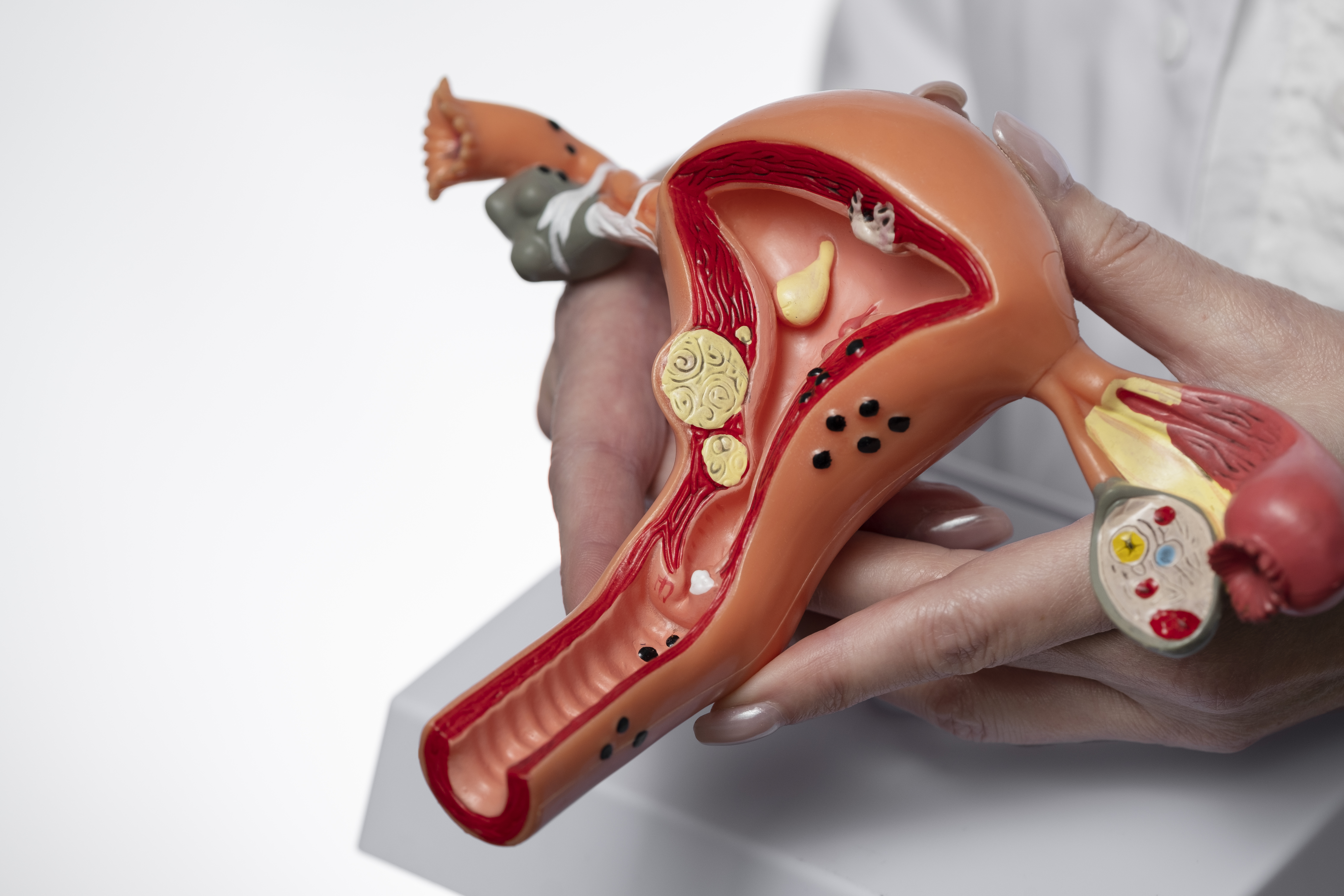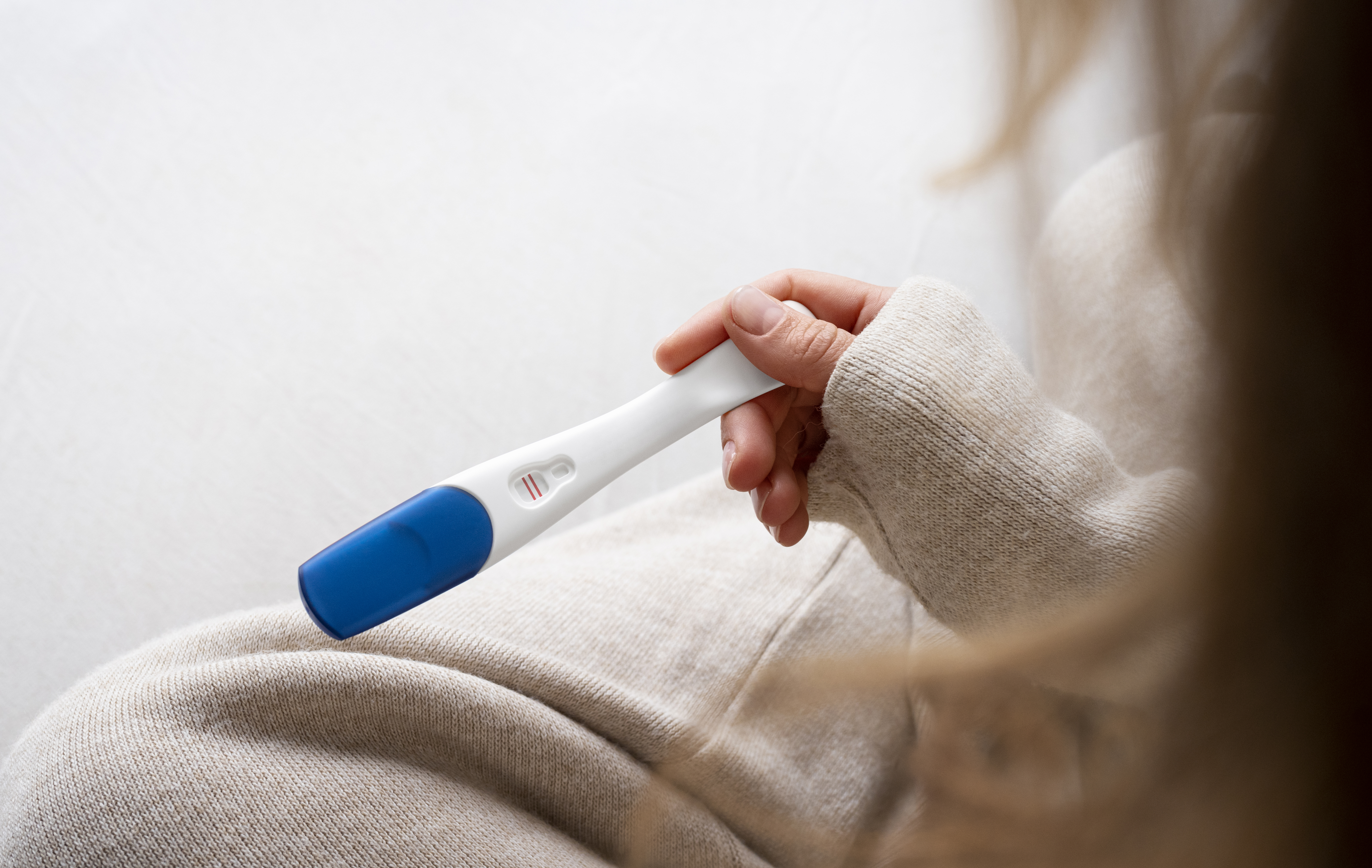
- The majority of pregnancy tests detect a hormone called human chorionic gonadotropin (hCG), which is present in the body once the fertilized egg has implanted into the uterine wall during the early stages.
- To ensure the most accurate reading of a home pregnancy test, it is recommended to use the first morning urine. Additionally, it is best if the urine sample comes from the day when the period was missed.
- Even if a pregnancy test result is faint, it should still be considered a positive result. The color of the result does not depend on the viability of the baby but rather on the concentration of the hormone.
- False negative results are less common, but false positive results are more common. These usually occur when a person uses the test too early or does not follow the instructions properly.
- It is more accurate to measure hormone levels through a blood test rather than a urine test to get an accurate reading. At Zemya IVF & Fertility Clinics, a blood test is usually carried out for IVF patients.
There are very few moments in life as suspenseful as the moment you take a pregnancy test. It does not matter whether you have been trying for a pregnancy for months with the help of medical interventions or are simply responding to your first pregnancy symptoms by taking a pregnancy test; you should be aware of a few things, such as how pregnancy tests function, how to interpret the results, and what you should be doing next. At Zemya IVF & Fertility Clinics, a well-renowned IVF clinic in Delhi, we are with you at every step of your journey, from understanding your pregnancy test results and the next steps you should take.
How Pregnancy Tests Work
The majority of pregnancy tests, whether at-home pregnancy test kits or blood tests, measure for human chorionic gonadotropin (hCG) levels in the body. Human chorionic gonadotropin is a hormone produced by cells that develop in the uterus after the fertilized egg attaches itself to the uterine wall. The production of hCG begins very early, even before most woman know that they are pregnant, as soon as the fertilized egg attaches itself to the uterine wall, and it increases rapidly during early pregnancy, or about every forty-eight to seventy-two hours.
Two primary types of pregnancy tests exist. One is urine pregnancy tests – the majority of home pregnancy tests you find at your local grocery or drug store – that check for the hormone hCG in your urine. The blood hCG test is another form of pregnancy test. It is most likely done in the clinic, and it measures the level of hCG in the blood sample with a very high degree of sensitivity and accuracy, and it can detect pregnancy much earlier and more accurately than most home pregnancy tests.
Taking a Home Pregnancy Test- At home test
Most home-use pregnancy tests are simple to use. However, it is very important to use them correctly. The test strip is either immersed in the flow of urine or dipped in a collected urine sample for a given period of time. After this period of time has elapsed, the results appear on the test. Most pregnancy tests have two lines for a positive result, one line for a negative result, and a digital display for either pregnant or not pregnant.
First, the best time to take a pregnancy test is when you use the first morning urine as it has the highest concentration of hCG. This makes it easier for the test to detect pregnancy hormone even if it is present in very low levels. Moreover, testing less than the day of the expected period will increase the chances of a false negative, as the level of hCG might not be high enough for detection yet. Although most of the time home pregnancy tests are planned to be used from the day of the missed period, there are a lot of early test products that can detect hCG even a few days before the expected period.
In addition, always check the expiration date on the pregnancy test kit before using it as an expired test may not be able to give a reliable result.
Reading Pregnancy Test Results
A positive pregnancy test is when a pregnancy test detects hCG hormone levels above the detection level. Even if it is faint, a pregnancy test is a positive pregnancy test. The more concentrated or darker the line on a pregnancy test strip, it does not necessarily mean it is more viable. If your pregnancy test is positive, it means that the pregnancy hormone is present in your urine.
A negative test result means that no hCG production was found when the test was done. But, a negative result doesn’t necessarily mean that you’re not pregnant – it might mean that the levels of hCG are still too low to detect, especially if the test was done really early. In case your period doesn’t come and you get a negative result, wait for 2 or 3 days and do another test with the first morning urine for the most accurate results.
False Negative and False Positive Results
A false negative, i.e., when the result is negative, but pregnancy is actually present, is more common than a false positive. False negatives are usually when the test is taken too early, before hCG is detectable, when it is not taken as a first morning urine sample, when instructions are not followed, or when the test is taken using a kit that is past expiration. Also, when a person drinks a lot of fluids before taking the test, it can dilute their urine, causing a false negative or an incorrect weak positive.
A false positive test result, meaning the test shows positive, but there is no actual pregnancy, is very rare, but it can happen in women who are on fertility medication or fertility drugs that contain hCG, like trigger injections that are used in IVF cycles. Occasionally, some medical conditions that change hormone levels can also lead to a false positive result. On the other hand, a false-negative result means the test says negative even though the woman is pregnant. This usually happens when the test is done before the implantation, hCG levels are low or the test is not used correctly. At the IVF Center in Delhi, a blood hCG test can be done to find out whether a positive result is due to pregnancy or leftover fertility drugs if you have just had fertility treatment and are not sure about the accuracy of a positive result.
Blood HCG Test: When Greater Accuracy Is Needed
A blood test to determine the levels of hCG can give significantly more information than home pregnancy tests. A quantitative level of the hormone, known as the human chorionic gonadotropin, can be measured by the fertility specialist healthcare provider by means of a blood test, which can determine if the woman is pregnant, if the levels of the hormone are increasing correctly, and if there are any problems, such as an ectopic pregnancy, where the fertilised egg has implanted outside the uterus, or if the pregnancy is too early to be sustained by the mother’s body. At Zemya IVF & Fertility Clinics, the Best IVF Clinic in Delhi, the blood tests for the hormone are part of the routine tests that are carried out on IVF patients, fourteen days after the transfer of the embryos.
Blood tests for hCG levels taken at two consecutive 48-hour intervals measure whether hCG levels are increasing as they should. A proper increase in hCG levels is a good sign of a normally developing pregnancy, but constant or decreasing hCG levels could be a sign of an ectopic pregnancy or early pregnancy loss, which requires immediate medical attention.
What to Do After a Positive Pregnancy Test
In case your test result indicates a positive pregnancy test result, the next step would be to verify pregnancy with a medical provider. This would involve contacting an IVF specialist in Delhi if you have undergone IVF treatment to conceive, or your personal doctor if conception occurred naturally. This would ensure the timely initiation of pregnancy care and supplementation with folic acid and prenatal vitamins, which are critical during early pregnancy to ensure proper fetal development and avoid birth defects.
Do not drink alcohol once you get the positive test result, and make sure to talk to your doctor about any meds you’re taking. A scan, usually performed 6-8 weeks after the last menstrual period, can help identify the location of the pregnancy, confirm whether there is a heartbeat, and rule out an ectopic pregnancy.
In case your pregnancy test result is negative, but there is still no menstruation, and you experience other symptoms of early pregnancy, you can reach Zemya IVF & Fertility Clinics, one of the infertility clinics in Delhi, for a blood hCG test that gives a definite answer.