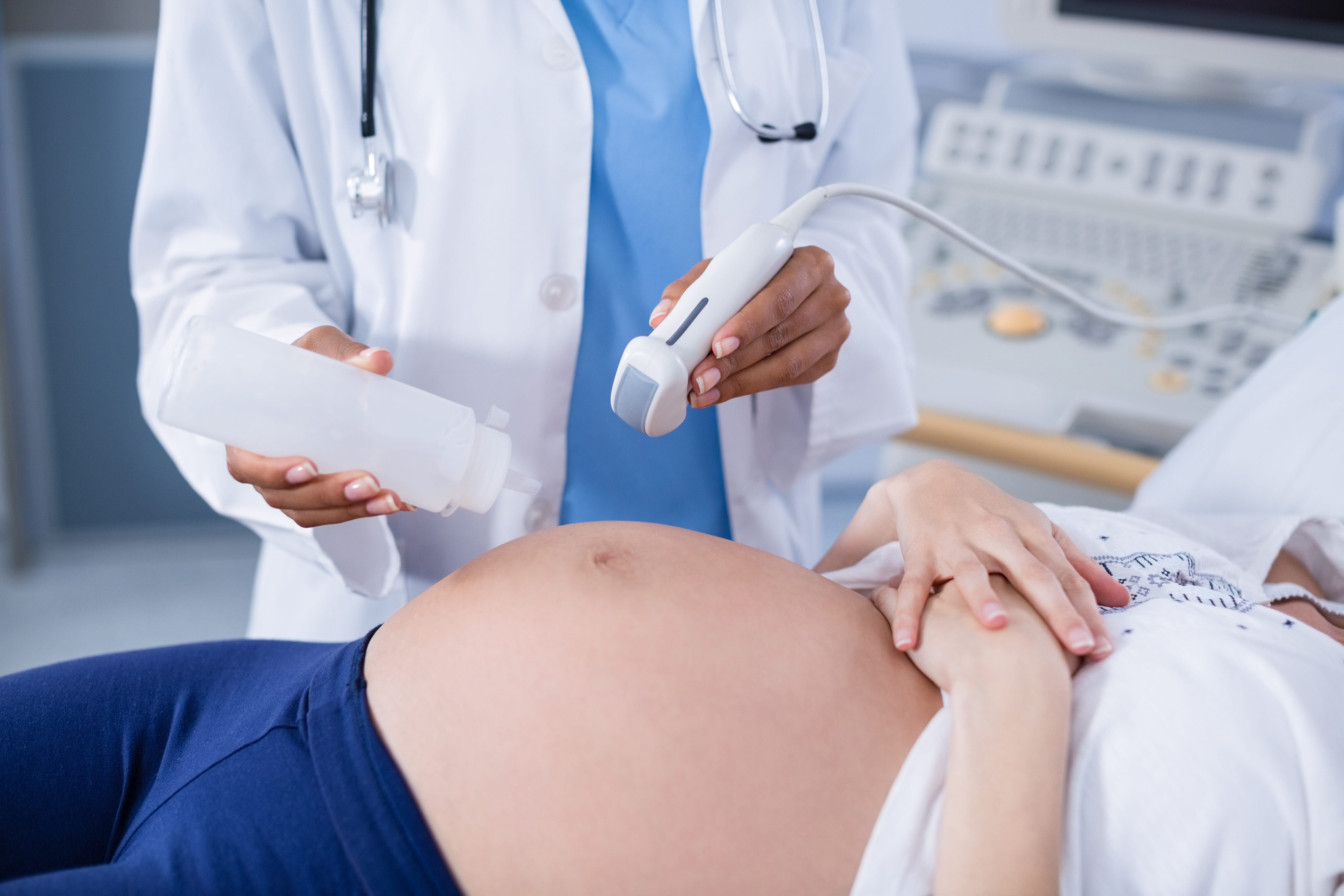
- The female reproductive system, along with male fertility, isn’t fixed. Factors like age, health status, and hormone level changes since the first child came can cause fertility to change dramatically.
- It’s very uncommon for infertility situations to be solely blamed on females. Almost 40% of cases involve male infertility issues, such as alterations in sperm count or semen quality.
- If you happen to be 35+, turning away for support after a complete year at least might not be a good idea. According to the medical community consensus, an infertility specialist should be seen after six months of trying.
- The only thing more impressive than a fertility test is a fertility test combined with a fertility treatment.
The process of expanding the family is always full of anticipation and hope. For some people, the move from having one child to two is a normal progression. For others, the absence of the ease experienced during the first pregnancy may result in a puzzling and stressful situation referred to as secondary infertility. Secondary infertility has been described as the inability to conceive naturally or carry a pregnancy to term after previously delivering without the use of ART.
According to the National Infertility Association, secondary infertility is more common than people think, yet it remains one of the least discussed aspects of reproductive health. Secondary infertility is a much more common phenomenon than most people are aware of, and it often totally surprises parents. Whereas primary infertility is a couple’s inability to get pregnant for the very first time, secondary infertility is an inability to conceive again after a successful pregnancy.
Causes of secondary infertility
It is not always easy for parents to grasp why they are having difficulties with conception currently, especially if their first experience with pregnancy was not complicated. There are a number of risk factors that explain this change:
The Impact of Age and Egg Quality
When a woman reaches her mid-30s or 40s, her fertility levels drop dramatically. This is because there is only a certain number of eggs available, and eventually, their quality deteriorates. This causes unpredictable menstrual cycles or prevents a healthy egg from being released during ovulation.
Change in Male Reproductive Health
Infertility in males can occur as a result of a change in lifestyle, weight gain, or a new health condition. A semen test may show a low sperm count or poor sperm quality, which was not present during the first conception. Emotional stress, smoking, and environmental toxins can also affect sperm quality and motility.
Structural and Physical Complications
A case of pregnancy or childbirth could account for the failure of some physical changes to manifest. The development of scar tissue as a result of a Cesarean operation or a dilatation and curettage could be the factor that prevents implantation in the uterus. On the other hand, the destruction of the fallopian tubes as a result of pelvic inflammatory diseases, blocked fallopian tubes, as well as the development of uterine fibroids and endometriosis, also account for physical complications.
Hormonal and Medical Shifts
For instance, Polycystic Ovary Syndrome (PCOS) has its ups and downs in terms of the severity of the problem experienced by an individual. Hormonal complications of the reproductive hormones could lead to anovulation. Besides, certain medical conditions, like thyroid disorders, may also change the delicate balance needed for a healthy pregnancy; new medications can do the same.
Diagnosis and Treatment Pathways
When you make an appointment with a top infertility expert in South Delhi, they will perform a thorough diagnosis and develop a treatment plan.
It starts with carefully listening and noting down your information on medical history and your experiences in cases of pregnancy.
Advanced Treatment Options – Assisted reproductive technologies
For some families, Zemya IVF & Fertility Clinics is a source of hope with customized treatment plans.
When conception through natural means is not possible, medical interventions offer a systematic approach to help you have a second child. These therapies, which are available at Zemya IVF & Fertility Clinics, have all been designed to address the unique biological changes that have occurred since your first baby.
Below is a detailed explanation of how these sophisticated therapies help solve your case of secondary infertility.
Ovulation Induction: Restoring the Monthly Cycle
Sometimes, secondary infertility in women is a result of hormonal imbalances, which can cause changes in menstrual cycles or even a complete stop in ovulation.
Inducing ovulation is one way to address this problem. It involves using certain drugs to stimulate ovulation, essentially “kick-starting” it in the body.
Here’s how it works: Medications: We have oral drugs like Clomiphene Citrate or Letrozole, as well as injected hormones like Gonadotropins. These drugs help the ovaries in producing one or more mature follicles.
Fertility treatment: The growth of eggs is closely watched by a fertility doctor using ultrasounds and blood tests. This is done to make sure eggs are growing to the right size.
Ovulation Kit: To make sure the egg is released from the ovary at exactly the right time for being fertilized by the sperm, a “trigger shot” can be given. Target: Most likely, this will be your starting point if you have PCOS or if your periods have gotten irregular as you’ve gotten older.
IUI (Intrauterine Insemination): Closing the Gap
One way of helping the woman to get pregnant is through a process called IUI (Intrauterine Insemination). It is a technique that aims at bringing even more sperm that are fit and active into the uterus when the woman is ovulating.
More sperm can come into contact with the egg in this way. The whole process is sort of like assisted reproduction, which is done to a much lesser extent.
Sperm preparation: On the day of the procedure, a semen analysis and a “washing” step are done. This process not only increases the number of motile sperm but also removes substances that might cause the uterus to cramp.
The method used: South Delhi’s top infertility specialist, with the help of a thin and soft catheter, deposits the sperm prepared directly into the uterus. Opening the cervix physically by the way of the instrument is not done. Sometimes the cervical mucus is “hostile” and is one of the reasons for the cervix acting as a barrier.
Raising the chances: In this way, IUI can get over the problems of low sperm count or sperm with very little movement by delivering the sperm closer to the egg in the female reproductive system.
Who are the best candidates? It has been found to be really effective for couples where the level of male infertility is slight or for women having unexplained infertility, but who have at least one tubal passage.
IVF (In Vitro Fertilization): The Gold Standard of Care
In situations where there are problems of blockage or severe fertility challenges, IVF is the most controlled and successful environment for conception. Being an IVF facility with a high success rate in South Delhi, Zemya takes advantage of IVF in managing complex cases where other forms of treatment have failed.
Ovarian Stimulation: This is where more hormones are injected into the woman’s body, which then stimulates the production of multiple eggs during a single cycle.
Egg Retrieval: This is a minor surgery where the eggs are retrieved directly from the follicles.
Laboratory Fertilization: The eggs are then fertilized with sperm. When severe male infertility is a challenge, a single healthy sperm is injected directly into an egg cell for fertilization.
Embryo Transfer: Healthy embryos are closely monitored as they develop. One or more healthy embryos are then inserted into the woman’s uterus for implantation.
Who it’s for: IVF is recommended for women whose fallopian tubes are damaged, women whose age is advanced, resulting in poor egg quality, or for couples with severe low sperm count.
Choosing an Affordable IVF Treatment in South Delhi ensures that world-class medical care is accessible without financial hardship.
The Emotional Landscape of Secondary Infertility
The psychological impact of secondary infertility is also special. The sense of “stuckness” is a common feeling among people with secondary infertility. This is because, as a parent, you already belong in the world of parents, but you cannot advance any further in the family size you want.
Support groups for secondary fertility play a special role in providing an outlet for people experiencing this special situation. Being able to share your feelings with others who understand the complexities of wanting a sibling for your first child is important.
It is important to note that your desire for another child is as important as anyone’s, even though you have already experienced parenthood once.
To help you along your way in conceiving another child, learning about the female reproductive system and male infertility factors through daily habits is a great way to begin. Although technology is an effective means of helping you conceive another child through ovulation induction or in vitro fertilization, optimizing the natural environment in your body is also important.
Here is a list of lifestyle changes and dietary tips that can help you conceive another child.
Nutritional Foundation for Egg and Sperm Health
Dietary intake is fundamental to the mechanism of working through reproductive hormones and eventually the quality of eggs.
Highlight Consumption of Complex Carbs: Refined flours should be replaced with whole grains such as quinoa, oats, and brown rice. Such an approach contributes to normalizing insulin levels, and therefore, the management of polycystic ovary syndrome (PCOS) could be facilitated.
Increase Consumption of Antioxidants: Foods laden with vitamins C and E, zinc, and folates, such as berries, walnuts, and leafy greens, help in shielding eggs and sperm from oxidative stress. This is a prerequisite for keeping sperm and semen of good quality.
Opt for Plant-Based Protein Sources: A greater exposure of beans, lentils, and nuts to your meals has been demonstrated to be associated with a reduced risk of ovulatory infertility.
Good Fats are Indispensable: Give priority to Omega-3 fatty acids present in flaxseeds, chia seeds, and fatty fish as they contribute to the health of the uterine environment and facilitate the blood circulation to the pelvic area.
Lifestyle Factors for Both Partners
Given that male infertility causes nearly half of all cases of secondary infertility, these changes should be a team effort.
Maintain a Healthy Weight: Gaining weight significantly or, on the other hand, being underweight can affect menstrual cycles as well as sperm production. Losing as little as 5-10% of body weight, especially for those with a high BMI, can greatly increase the chances of a previous pregnancy occurring again.
Manage Emotional Stress: Though stress is not the actual reason for infertility, the increased levels of cortisol can affect hormone levels as well as ovulation. It may be a good idea to try yoga, meditation, or even join support groups for secondary infertility.
Temperature Control for Men: In order to keep the quality of the sperm healthy, men need to avoid exposing themselves to heat, such as using a hot tub, as well as placing a laptop on their laps, as heat can reduce the sperm count as well as the movement of the sperm.
Moderate Caffeine and Alcohol: Too much of either caffeine or alcohol can affect fertility, so limiting these can result in better semen analysis as well as menstrual cycle regularity.
Supplementation and Medical Monitoring
It is a good idea to consult a top infertility expert in South Delhi before beginning a new regimen.
Prenatal Vitamins: It is recommended that you start taking a good prenatal vitamin with a minimum of 400mcg of Folic Acid, as this helps prepare the female reproductive system.
Vitamin D: Vitamin D deficiency is linked with PCOS as well as poor sperm quality.
Track Your Cycles: It is important that you track your ovulation, especially if you have irregular menstrual cycles.
When to Seek Professional Care
If these lifestyle changes do not result in pregnancy within half a year (for people of advanced reproductive age), then it may be necessary to seek Advanced fertility treatment in South Delhi.
At Zemya IVF & Fertility Clinics, the team of doctors and fertility specialists is able to carry out a complete examination to find out if there are blockages in the fallopian tubes, uterine fibroids, or any damage of the fallopian tubes that lifestyle changes cannot remedy. Getting early treatment at one of the highest success rate IVF centres in South Delhi can help you to save time and lessen the emotional strain of this journey.
Finding the Right Care at Zemya IVF & Fertility Clinics
Battling the challenges of conception for your second child is a task that needs expertise as well as empathy. At Zemya IVF & Fertility Clinics, the focus is always on finding out the exact cause of your problem and then helping you find a solution for the same.
Whether you need a simple semen test or Advanced fertility treatment in South Delhi, the team of experts at Zemya IVF & Fertility Clinics, led by Top infertility specialists in South Delhi, is always ready to help you achieve your dream of having your second child with a high success rate and Affordable IVF treatment in South Delhi.